Free Pointer Adoption in Chester
There's 1 Pointer listing live right now, last updated 4 Apr 2026. Find free Pointer dog adoption li... There's 1 Pointer listing live right now, last updated 4 Apr 2026. Find free Pointer dog adoption listings in Chester for people who want an athletic, affectionate and intelligent companion but unders... There's 1 Pointer listing live right now, last updated 4 Apr 2026. Find free Pointer dog adoption listings in Chester for people who want an athletic, affectionate and intelligent companion but understand that this breed is built for movement, scent work and open-space exercise. Pointers can be gentle family dogs in the right home, yet adopters should check microchip transfer, vaccinations, neutering, recall, lead walking, prey drive, separation behaviour, escape risk, behaviour with children, cats and other dogs, exercise routine, gundog background, weight, hip history, eye checks, bloat awareness, allergies, vet records and the real reason for rehoming across Chester, Ellesmere Port, Wrexham, Northwich, Warrington, the Wirral, Liverpool and Cheshire.
Haven't found the pet you're looking for? Let people who want to find a new home for their pet reach out to you.
Create your free pet adoption request listing now and be seen by thousands of pet owners.
Other listings in your area
Lovely Japanese Akita Bear Head Girl And Boy
Male and female French bulldog puppy ready
not a good fit with my current schedule
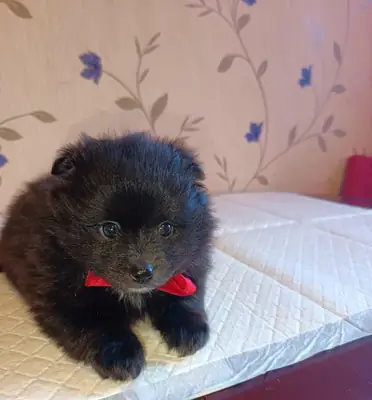
Gift male and female Pomeranian puppies
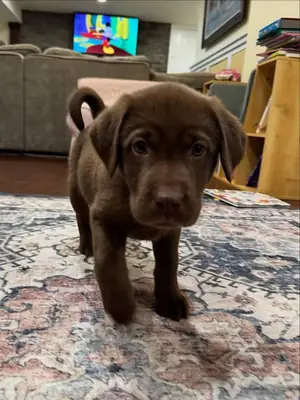
Labrador retriever puppy looking for a forever home
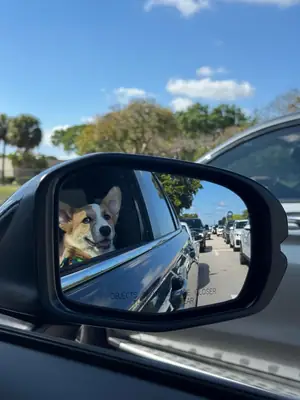
corgi, needs more attention than expected
Popular Searches
Free Pointer adoption Chester
Free Pointer adoption in Chester should be judged by the dog’s real routine, not by the breed’s elegant look or calm photos. A Pointer may be affectionate and gentle indoors, but it is still a high-drive dog that needs serious exercise, recall work and mental stimulation.
Before adopting, look for clear details on age, microchip transfer, vaccinations, neutering, exercise needs, lead walking, recall, prey drive, behaviour with children and pets, health records and why the Pointer needs a new home.
Pointer dog adoption Chester
Pointer dog adoption in Chester usually attracts active homes that want a loyal, athletic dog for countryside walks, running, training and family life. That is the right direction, but the adopter must be honest about time and control.
Ask whether the dog settles after exercise, whether it pulls on lead, whether it hunts scent, whether it runs off, whether it can be left alone and whether it has ever lived calmly in a normal home rather than only in a working or kennel setting.
Pointer rescue Chester
Pointer rescue in Chester can be a strong route for adopters who want a dog with known behaviour. A rescued Pointer may be loving, trainable and eager to bond, but it may also arrive with poor recall, anxiety, prey drive, under-socialisation or too much energy for its previous home.
Useful rescue-style information should cover exercise level, recall, lead manners, food motivation, house training, crate use if any, separation behaviour, health records, children, cats, livestock and other dogs.
Pointer rehoming Chester
Pointer rehoming in Chester needs a clear reason. Owner illness, relocation or work changes are very different from rehoming caused by escape behaviour, chasing wildlife, pulling, destructive boredom, separation anxiety or poor recall.
Before collection, understand the dog’s normal day: how far it walks, whether it gets off-lead time, whether it comes back reliably, whether it settles indoors and whether its current owner can manage its energy.
Free to good home Pointer Chester
Free to good home Pointer listings in Chester can be genuine when the current keeper cares more about the right match than a fee. The phrase should still come with proper evidence and a careful handover.
Ask for proof of ownership, microchip transfer, vaccination record, neutering status, vet notes, behaviour details, diet, exercise routine and the real reason for rehoming. Free without history is not a shortcut; it is a risk.
Pointers for adoption Cheshire
Pointers for adoption across Cheshire may appear around Chester, Ellesmere Port, Northwich, Winsford, Crewe, Nantwich, Warrington, Runcorn and nearby North Wales or Wirral areas. A wider local search helps, but it should not lower your standards.
Use local access properly: meet the dog, watch it walk, ask about recall, check body condition, confirm microchip details and decide whether your real daily routine can handle a fast, scent-driven gundog.
English Pointer adoption Chester
English Pointer adoption in Chester is often what users mean when they search simply for Pointer. This is a lean, athletic gundog type that can be affectionate at home but driven outdoors.
Ask whether the dog is an English Pointer, Pointer mix or another pointer-type breed, then check recall, prey drive, stamina, training, health records and home behaviour. Breed wording matters less than the actual dog in front of you.
Pointer mix adoption Chester
Pointer mix adoption in Chester can be a strong option when the dog has the athletic build, sensitivity or hunting instinct of a Pointer without full pedigree background. A good mix with honest information can beat a vague purebred claim.
Focus on health, temperament, recall, lead manners, prey drive, home routine, microchip transfer and compatibility with your household. The breed label is useful only when the care details are clear.
Pointer puppy adoption Chester
Pointer puppy adoption in Chester attracts people who want to shape training from the beginning. That can work well, but a Pointer puppy needs early socialisation, recall foundations, calm handling and an adopter ready for an energetic adolescent phase.
Ask about age, microchip, vaccinations, worming, flea treatment, parent background where relevant, early socialisation, toilet training, crate use, food routine and why the puppy is being offered for adoption.
Adult Pointer adoption Chester
Adult Pointer adoption in Chester can be smarter than chasing a puppy because the dog’s true stamina, recall, prey drive and house manners are already visible. You can see whether the dog is calm after exercise or permanently switched on.
An adult Pointer with honest behaviour notes, clear vet records and known exercise needs can be a safer match than a young dog chosen only because it looks elegant and athletic.
Senior Pointer adoption Chester
Senior Pointer adoption in Chester can suit a calm but still active home that wants a loyal companion with an established personality. Older Pointers may be easier to read, but they still need joint care, weight control and sensible daily movement.
Ask about arthritis, hips, eyesight, hearing, lumps, dental care, medication, stairs, appetite, toilet routine and recent vet notes. A senior Pointer deserves a home that respects its body, not just its gentle face.
Working Pointer adoption Chester
Working Pointer adoption in Chester is not a casual pet search. A dog from a working background may have strong scent drive, stamina, independence, prey interest and a need for structured training.
Ask whether the dog has worked, hunted, lived in kennels, lived indoors, been around livestock, ignored wildlife and learned recall around distractions. A working Pointer needs more than a garden and hopeful intentions.
Gundog Pointer adoption Cheshire
Gundog Pointer adoption in Cheshire should make the adopter think about instinct, not just breed style. A Pointer may lock onto scent, scan fields, range far and need work that uses its brain.
Ask whether the dog has gundog training, whether it retrieves, whether it points, whether it chases birds or rabbits, whether whistle recall was used and whether a normal pet home can meet those instincts safely.
Pointer for active home Chester
Pointer for active home searches are exactly where this breed belongs. This is not a dog for someone who wants a quick pavement walk and then hours of boredom.
A good active home should offer long walks, safe running where recall is reliable, scent games, training, calm downtime and consistent rules. Exercise without training creates a fitter problem; training without exercise leaves a frustrated dog.
Pointer exercise needs adoption
Pointer exercise needs should be discussed before adoption because under-exercised Pointers can become restless, destructive, vocal, clingy or impossible on lead. This dog needs movement and mental work together.
Ask what a normal day looks like, how long the dog walks, whether it gets off-lead time, whether it settles after exercise and whether its current routine is realistic for your life in Chester.
Pointer recall training adoption
Pointer recall training is one of the biggest adoption checks because this breed can become absorbed by scent, birds, rabbits and open ground. A dog that looks calm in the home may become a different animal in a field.
Ask whether the Pointer comes back off lead, ignores livestock, responds around dogs, has whistle recall, runs out of sight or needs a long line. Recall is a safety issue, not a nice bonus.
Pointer prey drive adoption Chester
Pointer prey drive adoption checks should be blunt. A Pointer may chase birds, rabbits, squirrels, cats or livestock if instinct and training are not managed properly.
Ask what the dog chases, whether it has ever caught anything, whether it can be redirected, whether it can walk near livestock and whether the current owner trusts it off lead. Vague answers are not good enough here.
Pointer lead pulling adoption Chester
Pointer lead pulling adoption checks matter because this is a strong, forward-moving dog. A friendly Pointer that drags toward every scent, dog or open space can be hard to manage in Chester streets, parks and countryside paths.
Ask whether the dog walks on collar, harness or headcollar, whether it lunges at birds or dogs, whether it pulls near traffic and whether training has improved it. Lead manners matter from the first walk home.
Pointer escape risk adoption
Pointer escape risk should be asked about before adoption because a scent-driven dog may bolt through gates, jump low fences or slip leads if it spots movement. A calm viewing does not prove secure behaviour outside.
Ask whether the dog has escaped before, whether it door-dashes, whether it jumps fences, whether it panics at noise and whether it needs a secure garden or long-line routine. The first week after adoption is especially risky.
Pointer family dog adoption Chester
Pointer family dog adoption in Chester can be a strong match when the household is active, structured and realistic. Many Pointers are affectionate and gentle, but the breed’s energy can overwhelm homes that expected a naturally calm dog.
Ask whether the dog has lived with children, whether it jumps up, mouths hands, steals food, guards toys, settles during busy family life and has a safe place to rest. Family-friendly still needs training.
Pointer with children Chester
A Pointer with children can work well when the dog is socialised and the children are respectful. The risk is assuming a gentle dog cannot knock over a small child when excited.
Ask whether the dog has lived with children, what ages, whether it jumps, steals toys, becomes overexcited indoors or guards food. A good child match needs calm control, not just a sweet temperament.
Pointer with cats Chester
A Pointer with cats needs real evidence because prey drive can make this match difficult. Some Pointers can live with cats they know; others will chase fast movement immediately.
Ask whether the dog has lived with cats, whether it chases outdoor cats, whether it can be redirected and whether slow introductions can happen with safe escape routes. “Might be fine” is not enough.
Pointer with other dogs Chester
A Pointer with other dogs can be playful, sociable, intense, selective or frustrated on lead depending on training and history. Fast gundog energy can overwhelm calmer dogs if not managed.
Ask whether the dog has lived with dogs, whether it guards toys or food, whether it plays roughly, whether it pulls toward dogs and whether a controlled meet is possible before adoption.
Pointer with livestock Cheshire
Pointer with livestock checks matter around Cheshire and North Wales because countryside walks may involve sheep, horses, cattle and poultry. A Pointer that chases wildlife may also struggle around livestock.
Ask whether the dog has been tested around livestock, whether it can walk calmly past fields, whether it has ever chased animals and whether it needs a lead or long line in rural areas. This is not a detail to guess.
Pointer separation anxiety adoption
Pointer separation anxiety adoption checks should be direct because active, people-bonded dogs can struggle when left without enough exercise, routine or gradual training.
Ask how long the dog can be left, whether it barks, howls, chews, scratches doors, toilets indoors or panics. A dog that needs constant company may not suit a full-time empty house.
Pointer for first time owner Chester
Pointer for first time owner searches need honesty. A first-time adopter can succeed with a Pointer, but only with time, training support, secure routines and realistic exercise planning.
If the home cannot handle recall training, prey drive, strong outdoor focus and daily activity, the idea is weak. Wanting a beautiful athletic dog is not enough; the routine has to survive real life.
Pointer for older people Chester
Pointer adoption for older people in Chester can work only when the dog is calm, trained and manageable on lead. A young, high-energy Pointer is usually a poor match for someone who cannot handle speed, pulling and long exercise.
Ask whether the dog pulls, jumps, needs off-lead running, has reliable recall, can settle indoors and has joint issues. A calm adult or senior Pointer may be more realistic than an adolescent dog.
Pointer for flat living Chester
A Pointer can live in a flat in Chester only when exercise, toileting, noise, stairs, alone time and stimulation are handled properly. The issue is not just size; it is whether the dog’s outdoor needs are truly met.
Ask whether the dog barks when left, reacts to hallway noise, settles after walks, uses stairs calmly and can cope without a private garden. A flat can work for the right Pointer, not every Pointer.
Microchipped Pointer adoption Chester
Microchipped Pointer adoption in Chester should include proper keeper transfer. This matters from the first day because a newly adopted Pointer can panic, follow scent or slip a lead before it knows the area.
Ask for the microchip number, database process and proof that the chip matches the dog. Microchip details are not something to leave until later.
Vaccinated Pointer rehoming Chester
Vaccinated Pointer rehoming in Chester should state what has been given, what is due next and whether a vet record is available. “Healthy” is not strong enough by itself.
Ask about boosters, flea treatment, worming, kennel cough where relevant, recent illness, medication, allergies, ear treatment, weight and any joint checks. Clear records make the adoption decision safer.
Neutered Pointer adoption Chester
Neutered Pointer adoption in Chester can reduce accidental breeding and some management issues, but it does not automatically solve recall, prey drive, pulling, anxiety or boredom.
Ask whether the dog is neutered, when it was done, whether recovery was normal and whether behaviour or weight changed afterwards. If not neutered, understand the plan before adoption.
Pointer health problems adoption
Pointer health problems adoption checks should include hips, elbows, eyes, thyroid history, allergies, epilepsy, bloat awareness, ears, weight, teeth, lumps, medication and exercise tolerance.
A Pointer does not need perfect health to deserve a home, but the adopter needs the truth before taking on a fast, active dog with real physical demands.
Pointer hip dysplasia adoption
Pointer hip dysplasia adoption checks matter because hip pain can affect running, stairs, jumping into cars, long walks and long-term comfort. A dog with hip history may still be adoptable, but the adopter needs to plan properly.
Ask about limping, stiffness, x-rays, hip scores where known, pain relief, exercise restrictions, weight advice and whether the dog struggles after intense activity.
Pointer eye tests adoption
Pointer eye tests adoption searches are sensible because vision affects confidence, recall, night walking and safety in open spaces. Eye issues should not be hidden behind an energetic personality.
Ask whether the dog has had eye checks, whether it bumps into things, whether it struggles in low light, whether there is any inherited eye history and whether drops or treatment are used.
Pointer bloat risk adoption
Pointer bloat risk adoption checks matter because deep-chested dogs can be vulnerable to gastric emergencies. Adopters should understand feeding routine, rest after meals and urgent warning signs.
Ask how the dog is fed, whether it gulps food, whether slow feeders are used, whether there has been previous bloat or stomach surgery and whether the current owner follows safe exercise timing around meals.
Pointer allergies adoption Chester
Pointer allergies adoption checks should include skin, ears, paws, diet and seasonal itching. A short coat can make skin irritation easier to see, but it does not prevent allergies.
Ask whether the dog scratches, licks paws, gets ear infections, has food sensitivities, uses medication or needs a special diet. Ongoing allergy care can become a real cost.
Pointer ear infections adoption
Pointer ear infection checks are worth asking about, especially for active dogs that spend time in wet grass, mud and outdoor environments. Repeated ear problems can mean pain, smell and vet treatment.
Ask whether the dog shakes its head, scratches ears, has discharge, smells bad, needs regular cleaner or has allergy-linked ear issues. Ear history should be clear before adoption.
Pointer food motivation adoption
Pointer food motivation can help training, but it can also create counter surfing, stealing, bin raiding or guarding if the dog has poor manners. Do not assume a lean-looking Pointer has no food issues.
Ask whether the dog steals food, guards bowls, snatches treats, raids bins, responds to food rewards and has any dietary sensitivities. Food habits matter from the first day at home.
Pointer adoption fee Chester
Pointer adoption fee Chester searches usually compare free rehoming, private adoption and rescue-style handovers. Price matters less than evidence.
A free Pointer with clear records, proper chip transfer and honest behaviour notes can be safer than a costly listing with vague answers. Judge recall, health, temperament and handover quality, not only the fee.
Private Pointer rehoming Chester
Private Pointer rehoming in Chester can be genuine, but private handovers need caution. Some owners are honest; others may minimise recall problems, prey drive, anxiety, pulling, escape behaviour or missing vet care.
Ask for proof of ownership, microchip transfer, vet records, current photos or video, behaviour history and the exact rehoming reason. A responsible owner should care about the match, not collection speed.
Pointer adoption scams Chester
Pointer adoption scams in Chester can use copied photos, fake rescue stories, rushed deposits, delivery-only offers, vague ownership claims and no microchip or vet records.
Ask for current photos or video, proof of ownership, microchip information, safe viewing or collection and a clear reason for rehoming. If payment pressure comes before proof, walk away.
Chester Wrexham Wirral Pointer adoption
Pointer adoption around Chester, Wrexham, Ellesmere Port, Northwich, Warrington, the Wirral, Liverpool, Crewe and North Wales gives adopters more realistic chances to meet the dog safely before deciding.
Regional convenience only helps when the match is strong. Meet calmly, watch the dog move, ask about recall and prey drive, check records and prepare the home before collection.
Frequently Asked Questions
What should I check before adopting a Pointer in Chester?
Check the dog’s age, microchip, vaccination status, neutering, recall, lead walking, prey drive, escape risk, exercise routine, behaviour with children and pets, vet records and reason for rehoming.
A Pointer is an athletic gundog, so adoption should be based on energy level, training and home fit, not only appearance.
Is a Pointer a good adoption dog?
Yes, a Pointer can be a good adoption dog for an active home that can provide exercise, training, recall work and mental stimulation.
It may not suit someone who wants a low-effort dog that can be under-exercised or left bored for long hours.
Can I adopt a Pointer for free in Chester?
Free Pointer adoption can happen through genuine rehoming, but the dog should still come with clear information.
Ask for proof of ownership, microchip transfer, vaccination history, neutering status, vet records, behaviour notes and the real reason for rehoming.
Is a Pointer the same as an English Pointer?
Many UK users mean English Pointer when they search for Pointer, but listings may also include Pointer mixes or other pointer-type dogs.
Ask exactly what type the dog is and focus on behaviour, health, recall and home suitability rather than the label alone.
Are Pointers good family dogs?
Pointers can be good family dogs when they are socialised, trained and exercised properly.
Ask whether the dog has lived with children, whether it jumps, mouths, steals food, guards toys or becomes overexcited indoors.
Are Pointers good with children?
Many Pointers can be gentle with children, but they are athletic dogs that may knock small children over when excited.
Ask about previous child experience, jumping, mouthing, food guarding and whether the dog has a quiet place to rest.
Can Pointers live with cats?
Some Pointers can live with cats, but prey drive makes this a serious check.
Ask whether the dog has lived with cats before, whether it chases outdoor cats and whether it can be redirected reliably.
Can Pointers live with other dogs?
Many Pointers can live with other dogs, but the match depends on play style, confidence, guarding and lead behaviour.
Ask whether the dog has lived with dogs before and whether a controlled meet is possible.
Can Pointers live around livestock?
A Pointer should be carefully assessed around livestock because chasing sheep, horses, cattle or poultry can be dangerous.
Ask whether the dog has been walked near livestock, whether it stays calm and whether it needs a lead or long line in rural areas.
How much exercise does a Pointer need?
A Pointer usually needs a lot of daily exercise, training and mental stimulation.
The exact amount depends on age, health and temperament, so ask what the dog’s current routine is and whether it settles after activity.
Do Pointers need off-lead running?
Many Pointers benefit from safe running, but off-lead time should only happen when recall is reliable and the area is secure.
Ask whether the dog comes back around wildlife, dogs, people and livestock before trusting it loose.
Are Pointers hard to train?
Pointers are intelligent and trainable, but their scent drive and energy can make training inconsistent if the owner is not patient.
Ask about recall, lead walking, food motivation, focus outdoors and whether the dog has had structured training before.
Do Pointers have strong prey drive?
Many Pointers have strong prey drive because they are gundog-type dogs bred to work around scent and movement.
Ask whether the dog chases birds, rabbits, squirrels, cats or livestock, and whether it can be recalled away from them.
Can a Pointer live in a flat?
A Pointer can live in a flat only if exercise, toileting, noise, stairs and alone time are managed properly.
Ask whether the dog settles indoors, reacts to hallway noise, barks when left and has enough outdoor activity every day.
Are Pointers suitable for first time owners?
A Pointer can be challenging for a first time owner because it needs exercise, recall training, prey-drive management and consistent routine.
A first-time adopter should be ready for training support, secure walks and a realistic daily activity plan.
Do Pointers suffer from separation anxiety?
Some Pointers struggle when left alone, especially if they are under-exercised or strongly bonded to people.
Ask how long the dog can be left, whether it barks, chews, scratches doors, howls or toilets indoors when alone.
Should an adopted Pointer be microchipped?
Yes, the dog should be microchipped and the keeper details should be transferred correctly after adoption.
Ask for the microchip number, database process and proof that the chip matches the dog.
Should a Pointer be vaccinated before adoption?
Vaccination status should be clear before adoption. Ask what has been given, what is due next and whether a vet record is available.
Also ask about flea treatment, worming, kennel cough where relevant, recent illness and any medication.
Should a Pointer be neutered before rehoming?
Some adult Pointers are neutered before rehoming, but not all.
Ask whether the dog is neutered, when it was done, whether recovery was normal and whether a vet has advised future neutering if needed.
What health problems should I ask about in a Pointer?
Ask about hip problems, elbow problems, eye issues, allergies, epilepsy, thyroid history, bloat risk, ear infections, weight, dental care and any medication.
A Pointer does not need perfect health to be adoptable, but the adopter needs honest information.
Can Pointers have hip dysplasia?
Yes, hip concerns can occur and should be checked, especially in an athletic dog that runs and jumps.
Ask about limping, stiffness, x-rays, hip scores where known, pain relief, exercise limits and recent vet advice.
Do Pointers need eye checks?
Eye history is worth asking about because vision affects confidence, recall and safety outdoors.
Ask whether the dog has had eye tests, struggles in low light, bumps into things or uses any eye medication.
Are Pointers at risk of bloat?
Pointers are deep-chested dogs, so bloat awareness is important.
Ask about feeding routine, gulping food, previous stomach problems and whether the current owner avoids intense exercise around meals.
Do Pointers need much grooming?
Pointers have short coats, so grooming is usually easier than with long-haired breeds.
They still need regular checks for skin, ears, paws, ticks, nails, teeth and coat condition after outdoor exercise.
How do I avoid Pointer adoption scams?
Watch for copied photos, urgent deposits, delivery-only offers, vague ownership stories, missing microchip details and no vet records.
Ask for current photos or video, proof of ownership, microchip information, safe viewing or collection and a clear reason for rehoming.