Free Welsh Corgi Adoption in Chester
There's 1 Welsh Corgi listing live right now, last updated 16 Apr 2026. Find Welsh Corgi dogs for fr... There's 1 Welsh Corgi listing live right now, last updated 16 Apr 2026. Find Welsh Corgi dogs for free adoption in Chester with the checks this short-legged, clever and vocal herding dog genuinely nee... There's 1 Welsh Corgi listing live right now, last updated 16 Apr 2026. Find Welsh Corgi dogs for free adoption in Chester with the checks this short-legged, clever and vocal herding dog genuinely needs before you bring one home: compare Pembroke Welsh Corgis, Cardigan Welsh Corgis, adult Corgis, senior Corgis and Corgi crosses on Petopic by age, microchip transfer, neutering, vaccination history, weight, back or spine notes, hip history, barking, heel-nipping, shedding, stairs, children, cats, other dogs, garden safety and safe handover options across Chester, Ellesmere Port, Wrexham, Northwich, Crewe and wider Cheshire.
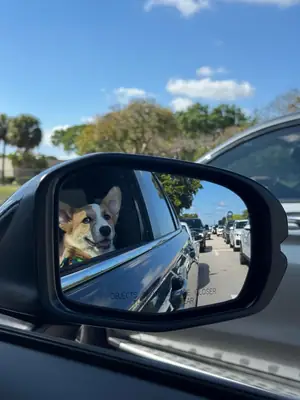
Haven't found the pet you're looking for? Let people who want to find a new home for their pet reach out to you.
Create your free pet adoption request listing now and be seen by thousands of pet owners.
Other listings in your area

Stunning Kc Registered Cavalier King Charles puppies
Chihuahua puppies for adoption

Cocker Spaniel puppy
Powerful Aksaray Malakli Dog

Cavapoo Puppies ready now
Border Collie pups Ready
Popular Searches
Free Welsh Corgi adoption Chester
Free Welsh Corgi adoption in Chester should be judged by behaviour, weight, back comfort and daily routine before emotion. Corgis are small enough to look easy, but they are clever herding dogs with a strong voice, a strong appetite and a strong opinion about movement around them.
On Petopic, strong adoption listings should explain age, microchip transfer, vaccination status, neutering, weight, stairs, back history, barking, heel-nipping, shedding, children, cats, other dogs and the real reason for rehoming. A cute short-legged photo is not enough detail.
Welsh Corgi dogs for adoption in Chester
Welsh Corgi dogs for adoption in Chester can include Pembroke Welsh Corgis, Cardigan Welsh Corgis, Corgi crosses, adult companions, senior dogs and family pets being rehomed because the owner underestimated barking, shedding, energy or training needs.
The right listing should tell you whether the dog is confident, noisy, house trained, good on lead, comfortable with grooming, safe around children and sensible with stairs. With Corgis, the missing details are usually where the problems live.
Corgi adoption Chester
Corgi adoption in Chester attracts people who want a compact, loyal and funny dog, but the breed is not just a sofa mascot. Corgis were built to think, move, alert and control movement around them.
Ask whether the Corgi barks at visitors, nips ankles, chases bikes, guards food, gains weight easily, struggles on stairs or becomes bossy with other pets. A good Corgi match is about boundaries as much as affection.
Corgi rehoming Chester
Corgi rehoming in Chester often happens because of barking, landlord rules, children, owner illness, cost, overfeeding, dog conflict, separation stress or a Corgi becoming too controlling in a busy home.
Ask why the Corgi is being rehomed, how long the current keeper has owned it, whether it has moved homes before and what behaviour has been difficult. “No fault of his own” is not enough if the real routine is missing.
Corgi rescue Chester
Corgi rescue in Chester should be approached with practical questions. A rescued Corgi may be loyal and affectionate, but it may also be vocal, stubborn, overweight, reactive on lead or sensitive about handling.
Ask about vet records, weight, back comfort, stairs, barking, guarding, nipping, previous home setup and whether the dog has been assessed around children, cats and other dogs. Rescue means better care, not blind optimism.
Welsh Corgi free to good home Chester
Welsh Corgi free to good home listings in Chester get attention fast because the breed is popular. Free adoption still needs serious checks: microchip transfer, vet history, weight, back notes, behaviour and a proper handover plan.
If the advert only says “lovely Corgi needs home”, it is too thin. A responsible keeper should explain why the dog is leaving, what kind of home suits it and what issues the adopter must be ready to manage.
Welsh Corgi adoption Cheshire
Welsh Corgi adoption across Cheshire may include Chester, Ellesmere Port, Northwich, Winsford, Crewe, Nantwich, Warrington, Runcorn, Wrexham and nearby North Wales. A wider local search helps because genuine free Corgi rehoming is not common in every city.
Use local distance properly: meet the dog, check documents, watch movement, ask about stairs and weight, and plan a calm journey home. Nearby is useful only when the dog’s history is clear.
Pembroke Welsh Corgi adoption Chester
Pembroke Welsh Corgi adoption in Chester is the search most people mean when they say “Corgi”. Pembrokes are compact, expressive and popular, but popularity makes weak listings easier to miss.
Ask about barking, shedding, weight, recall, children, other dogs, back comfort, stairs and whether the dog has any herding behaviour around feet, bikes or running children. A famous-looking breed still needs individual checks.
Cardigan Welsh Corgi adoption Chester
Cardigan Welsh Corgi adoption in Chester is less common than Pembroke adoption, so the listing should be especially clear. Cardigans are still herding dogs, still low to the ground and still need weight and back care.
Ask whether the dog is truly Cardigan, Pembroke or a Corgi cross, and check temperament, exercise, shedding, stairs, health notes and behaviour around other animals. Breed label matters less than accurate history.
Adult Welsh Corgi adoption Chester
Adult Welsh Corgi adoption in Chester can be smarter than chasing a puppy because the dog’s real size, barking, weight, movement, confidence and house manners are already visible.
Ask whether the adult Corgi is house trained, crate trained, calm indoors, manageable on lead, safe with visitors and comfortable being left alone. Adult Corgis are often the clearer match, not the lesser choice.
Senior Welsh Corgi adoption Chester
Senior Welsh Corgi adoption can be a strong fit for someone who wants a settled companion with known habits. Older Corgis may still be vocal and stubborn, but their routine is usually easier to read.
Ask about teeth, weight, arthritis, back pain, stairs, medication, appetite, toilet habits, hearing, eyesight and whether the dog needs ramps or shorter walks. A senior Corgi needs comfort and honesty, not pity adoption.
Welsh Corgi puppy free adoption Chester
Welsh Corgi puppy free adoption in Chester should raise extra questions because Corgi puppies are in demand. A free puppy can be genuine, but it can also hide missing paperwork, health worries, fake photos or rushed rehoming.
Ask exact age, microchip status, vaccination plan, worming, flea treatment, parent background, diet, toilet routine and whether the puppy is old enough and confident enough to move homes safely.
Private Corgi rehoming Chester
Private Corgi rehoming in Chester can be genuine, but the adopter has to uncover the facts. Some owners minimise barking, weight gain, nipping, lead reactivity, guarding, stair problems or conflict with children.
Ask for microchip transfer, vaccination records, vet history, normal walking videos, behaviour notes and the exact rehoming reason. A good keeper should care about the match, not just how quickly the dog leaves.
Retired breeding Corgi adoption Chester
Retired breeding Corgi adoption in Chester needs careful checking because the dog may be gentle but under-socialised, overweight, nervous in a home or unused to normal family routines.
Ask how many litters the dog had, whether it is neutered, how it behaves indoors, whether it is house trained, whether it has lived as a family pet and whether vet records are available. Retirement should mean a better life, not hidden history.
Microchipped Welsh Corgi adoption Chester
A microchipped Welsh Corgi adoption listing should explain how keeper details will be transferred. The chip should match the dog, and the transfer process should be clear before collection.
Ask for the microchip number, database process and proof that the current keeper is allowed to rehome the dog. Identity details should be handled during adoption, not weeks later.
Vaccinated Corgi rehoming Chester
Vaccinated Corgi rehoming should state what has been given, what is due next and whether a vet record is available. “Healthy” is not the same as documented care.
Ask about boosters, flea treatment, worming, recent illness, dental checks, weight, skin, ears, medication, back history and any ongoing condition. Good adoption detail protects both the dog and adopter.
Neutered Welsh Corgi adoption Chester
Neutered Welsh Corgi adoption in Chester can reduce unwanted breeding and some management issues, but it does not automatically fix barking, nipping, guarding, weight gain or lead behaviour.
Ask whether the Corgi is neutered, when it was done, whether recovery was normal and whether weight or behaviour changed afterwards. Adoption still needs routine and boundaries.
Corgi with children Chester
A Corgi with children can work well when the dog is socialised and the children are calm. The problem is fast movement: some Corgis may bark, chase or nip at running feet because of herding instinct.
Ask whether the dog has lived with children, what ages, whether it nips heels, guards toys, reacts to noise or becomes bossy in busy rooms. Family-friendly needs evidence, not a cute photo.
Corgi with other dogs Chester
A Corgi with other dogs can be social, selective or bossy depending on personality and history. Some Corgis play well; others guard food, control space or bark at bigger dogs.
Ask whether the dog has lived with dogs, whether it guards attention, whether it humps, snaps, barks on lead or becomes frustrated. “Good with dogs” needs context, not blind trust.
Corgi with cats Chester
A Corgi with cats can work if the dog has calm history and the cat has safe space. The risk is not size; it is chasing, barking, herding or blocking the cat’s movement.
Ask whether the Corgi has lived with cats, whether it stares, stalks, chases, barks or can be redirected. A cat-safe claim needs actual experience, not wishful thinking.
Corgi for first time owners Chester
A Corgi for first time owners can work only when the adopter is ready for barking, shedding, training, weight control and a dog that may try to manage the household.
A first-time adopter should ask whether the dog nips, guards, pulls, barks heavily, struggles with stairs or becomes stubborn when corrected. Small body does not mean easy mind.
Corgi for older people Chester
A Corgi for older people in Chester can be a good match when the dog is calm, trained, not too barky and not too heavy to help if needed. The wrong match is an overweight, noisy, stair-struggling Corgi with no boundaries.
Ask whether the dog pulls, jumps, needs lifting, struggles on steps, barks at visitors or needs frequent vet checks. A settled adult or senior Corgi may fit better than a young, sharp, busy dog.
Corgi adoption for flats Chester
Corgi adoption for flats in Chester is mainly a barking, stairs and weight-control question. Small height does not make a dog flat-proof if it alerts to neighbours, doors, corridor noise or street movement.
Ask whether the Corgi barks at visitors, manages stairs safely, settles indoors and can be left alone. Flat life can work only when the dog has structure and the building suits its body.
Corgi house with garden adoption Chester
A house with a garden can help with Corgi adoption, but the garden should not become a barking stage. Some Corgis fence-run, bark at neighbours, dig or guard the gate.
Ask whether the dog reacts to people passing, chases birds, digs, escapes through gaps or becomes too territorial outside. A garden is useful only when the dog has training and routine.
Corgi barking rehoming Chester
Corgi barking can be a serious rehoming reason. Corgis are alert dogs, and some will bark at visitors, doorbells, other dogs, bikes, garden movement, noises outside or being left alone.
Ask what triggers barking, how long it lasts, whether neighbours complained and whether training has helped. Do not adopt a Corgi expecting silent small-dog behaviour.
Corgi heel nipping adoption
Corgi heel nipping should be asked about directly because it is not always “just play”. It can come from herding instinct, excitement, frustration or poor impulse control around running feet.
Ask whether the dog nips children, visitors, joggers, bikes or other pets, how hard it nips and what stops it. A Corgi can be loving and still need serious work around movement.
Corgi herding behaviour adoption
Corgi herding behaviour can show as circling, barking, chasing feet, blocking doorways, nipping heels or trying to control children and other pets.
Ask exactly what the dog herds and when it happens. If the dog controls movement in the home, the adopter needs training plans and boundaries before adoption, not excuses later.
Corgi back problems adoption
Corgi back problems matter because the breed’s long body and short legs make weight, stairs, jumping and flooring more important than people admit.
Ask whether the dog has had back pain, slipped disc concerns, stiffness, weakness, dragging feet, reluctance to jump or vet advice about stairs. A Corgi should not be treated like a dog built for constant sofa launching.
Corgi stairs adoption Chester
Corgi stairs should be discussed before adoption, especially in Chester flats, terraces and homes with steep steps. Repeated jumping and stair use can be harder on a long-backed dog.
Ask whether the Corgi manages stairs, avoids them, needs carrying, slips on floors or has ever had back pain. Ramps, stair gates and weight control may be part of responsible care.
Overweight Corgi adoption Chester
Overweight Corgi adoption needs honesty because extra weight can worsen joints, back comfort, stamina and heat tolerance. A Corgi’s appetite can trick owners into overfeeding it as affection.
Ask current weight, target weight, food amount, treats, exercise, mobility and whether a vet has advised weight loss. Adopting a Corgi means caring enough to keep it lean.
Corgi shedding adoption Chester
Corgi shedding is a real adoption check. These dogs can drop a lot of hair, especially with their double coat, and the hair does not disappear because the dog is short.
Ask how often the dog is brushed, whether shedding is heavy seasonally, whether skin is healthy and whether grooming tolerance is good. If hair on clothes and sofas annoys you, be honest before adoption.
Corgi lead training adoption Chester
Corgi lead training matters because a low, sturdy dog can still pull, bark, plant itself, chase movement or react to other dogs. Small legs do not mean weak opinions.
Ask for a normal walking video, not just a sofa photo. Check how the dog behaves around bikes, prams, traffic, dogs and busy pavements before assuming Chester walks will be simple.
Corgi separation anxiety adoption
Corgi separation anxiety can show as barking, pacing, door scratching, chewing, toileting indoors or becoming frantic when the owner leaves.
Ask how long the dog can be left, whether it sleeps alone, whether crate training was tried and whether another dog helps or worsens the issue. A confident-looking Corgi can still struggle with isolation.
Red Welsh Corgi adoption Chester
Red Welsh Corgi adoption in Chester attracts people who want the classic Corgi look. Colour should come after health, temperament, weight, back comfort and behaviour.
Ask about microchip transfer, vet records, barking, nipping, shedding, children, cats, other dogs and whether the dog is confident in a normal home. A red coat cannot rescue a weak listing.
Tri colour Corgi adoption Chester
Tri colour Corgi adoption searches are appearance-led, but coat pattern says nothing about barking, guarding, stairs, weight or whether the dog is suitable for your household.
Ask for normal videos, clear vet notes, movement footage, microchip details and honest behaviour history. Colour can help choose between good matches; it should not hide missing information.
Corgi cross free adoption Chester
Corgi cross free adoption in Chester needs the same serious checks because Corgi traits can still come through strongly in a mixed dog: barking, herding, shedding, stubbornness and weight gain.
Ask what the dog is crossed with, adult size, coat type, temperament, health history and whether the Corgi side is obvious in daily behaviour. “Only a cross” is not a proper assessment.
Corgi adoption near Wrexham Ellesmere Port Northwich
Corgi adoption near Wrexham, Ellesmere Port, Northwich, Crewe, Nantwich, Winsford and Warrington gives Chester adopters more realistic local options without rushing into the first free listing.
Short distance helps you meet properly, check paperwork, watch the dog move, discuss stairs and weight, and plan a calm journey home. Nearby is useful only when the dog’s history is honest.
Welsh Corgi adoption scam Chester
Welsh Corgi adoption scams in Chester can use stolen photos, fake urgent rehoming stories, delivery-only offers, missing microchip details, no vet records and pressure for deposits or transport fees.
Ask for current videos, proof of ownership, microchip information, vet history, normal walking footage and a safe viewing or collection plan. If the person avoids proof but pushes urgency, walk away.
Frequently Asked Questions
What should I check before adopting a Welsh Corgi in Chester?
Check the dog’s age, whether it is Pembroke, Cardigan or a Corgi cross, microchip transfer, neutering, vaccination history, vet records, weight, back or spine notes, hip history, barking, heel-nipping, shedding, stairs, children, cats, other dogs and the reason for rehoming.
A Welsh Corgi is a clever herding dog, so adoption should be based on behaviour, body shape and daily routine, not just short legs and a cute face.
Can I adopt a Welsh Corgi for free in Chester?
You may find free Welsh Corgi rehoming listings in Chester, but free adoption still needs proper checks.
Ask for microchip details, vet records, vaccination history, neutering status, weight notes, behaviour history and a clear handover plan. Free does not mean low-cost care.
Is a Welsh Corgi a good adoption dog?
Yes, a Welsh Corgi can be a brilliant adoption dog for a home that wants a loyal, alert and intelligent companion.
The adopter must be ready for barking, shedding, weight control, training and possible herding behaviour around children or other pets.
What is the difference between Pembroke and Cardigan Welsh Corgis?
Pembroke and Cardigan Welsh Corgis are separate Welsh Corgi breeds, and individual dogs can differ in build, tail, temperament and background.
Ask whether the dog is Pembroke, Cardigan or a Corgi cross, and focus on the dog’s actual behaviour, health history, weight and home suitability rather than the label alone.
Are Welsh Corgis good for first-time dog owners?
A Welsh Corgi can suit a first-time owner who is prepared for barking, shedding, training, weight control and firm but fair boundaries.
It may not suit someone who wants a quiet, low-effort dog that never challenges household rules or reacts to movement.
Can a Welsh Corgi live in a flat?
A Welsh Corgi can live in a flat if barking, stairs, exercise, weight and alone-time are managed properly.
Ask whether the dog barks at neighbours, manages stairs safely, settles indoors and can be left alone without panic.
Do Welsh Corgis need a garden?
A garden is useful for a Welsh Corgi, but it does not replace walks, training and mental stimulation.
Ask whether the dog barks at neighbours, digs, guards the gate, chases movement or tries to escape through gaps.
Are Welsh Corgis good with children?
Some Welsh Corgis are good with children, but running and shouting can trigger barking, chasing or heel-nipping in some dogs.
Ask whether the dog has lived with children, what ages, whether it nips ankles, guards toys or becomes bossy in a busy home.
Can Welsh Corgis live with cats?
A Welsh Corgi can live with cats if the dog has calm history and the cat has safe escape spaces.
Ask whether the dog chases, barks, stares, blocks movement or can be redirected. A cat-safe claim needs real experience.
Can Welsh Corgis live with other dogs?
Some Welsh Corgis live well with other dogs, while others are selective, bossy or reactive.
Ask whether the dog has lived with dogs, whether it guards food or attention, barks on lead, humps, snaps or becomes frustrated around larger dogs.
Do Welsh Corgis bark a lot?
Some Welsh Corgis bark a lot because they are alert, vocal and quick to react to movement or noise.
Ask what the dog barks at, how long it lasts, whether neighbours have complained and whether training or routine has helped.
Do Welsh Corgis nip at heels?
Some Welsh Corgis may nip at heels because of herding instinct, excitement or poor impulse control.
Ask whether the dog nips children, visitors, joggers, bikes or other pets, how hard it nips and what stops the behaviour.
Do Welsh Corgis have herding behaviour?
Yes, some Welsh Corgis show herding behaviour such as circling, barking, chasing feet, blocking movement or nipping.
Ask exactly what the dog herds and whether the behaviour has been managed with training and boundaries.
Are Welsh Corgis prone to back problems?
Welsh Corgis have a long body and short legs, so back comfort, weight, stairs and jumping habits matter.
Ask whether the dog has had back pain, weakness, stiffness, reluctance to jump, slipping, dragging feet or vet advice about stairs and ramps.
Should I worry about stairs with a Welsh Corgi?
Stairs can matter for Welsh Corgis, especially if the dog is overweight, older, stiff or has back history.
Ask whether the dog manages stairs, avoids them, needs carrying, slips on floors or has ever had back pain.
Do Welsh Corgis gain weight easily?
Some Welsh Corgis can gain weight easily, especially when treats are overused and exercise is inconsistent.
Ask current weight, target weight, diet, treat habits, exercise routine and whether a vet has advised weight loss.
Do Welsh Corgis shed a lot?
Yes, Welsh Corgis can shed heavily because they have a double coat.
Ask how often the dog is brushed, whether shedding is heavy seasonally, whether the skin is healthy and whether grooming tolerance is good.
How much exercise does a Welsh Corgi need?
A Welsh Corgi usually needs regular walks, play, training and mental stimulation.
The exact routine depends on age, weight, health and temperament. Avoid letting a short-legged dog become overweight and underworked.
Can Welsh Corgis be left alone?
Some Welsh Corgis can be left for short periods if trained gradually and given a stable routine.
Others bark, pace, scratch doors, chew or toilet indoors when anxious. Ask how long the dog can be left and what happens during that time.
What health problems should I ask about in a Welsh Corgi?
Ask about back problems, hip history, weight, arthritis, eye issues, skin, teeth, medication, previous surgery and any exercise limits.
A Welsh Corgi does not need a perfect health record to be adoptable, but the health history should be clear and honest.
Should an adopted Welsh Corgi be microchipped?
Yes, the dog should be microchipped and keeper details should be transferred correctly after adoption.
Ask for the chip number, database process and proof that the dog matches the listing before completing the handover.
Should vaccination status be clear before Welsh Corgi adoption?
Yes, vaccination status should be clear before adopting a Welsh Corgi.
Ask what has been given, what is due next, whether a vet record is available and whether flea and worm treatment are up to date.
Should a Welsh Corgi be neutered before rehoming?
Some adult Welsh Corgis are neutered before rehoming, but not all.
Ask whether the dog is neutered, when it was done, whether recovery was normal and whether a vet has advised neutering if the dog is still entire.
Is a Corgi cross easier than a Welsh Corgi?
Not automatically. A Corgi cross may still have barking, herding, shedding, weight gain and short-legged body concerns.
Ask what the dog is crossed with, adult size, coat type, temperament, health history and whether Corgi traits are obvious in daily behaviour.
How do I avoid Welsh Corgi adoption scams?
Watch for stolen photos, urgent rehoming stories, delivery-only offers, missing microchip details, no vet records and pressure for deposits or transport fees.
Ask for current videos, proof of ownership, microchip information, vet history, normal walking footage and a safe viewing or collection plan.
What should I prepare before bringing a Welsh Corgi home?
Prepare a suitable collar or harness, lead, ID tag, bed, bowls, familiar food, brush, safe toys, travel setup, vet registration, insurance if possible and a calm sleeping area.
Keep the first week predictable. Use controlled walks, weight-conscious feeding, slow introductions and avoid constant stairs or sofa jumping until the dog’s movement and comfort are clear.