Copenhagen Scottish Deerhound Dog Adoption
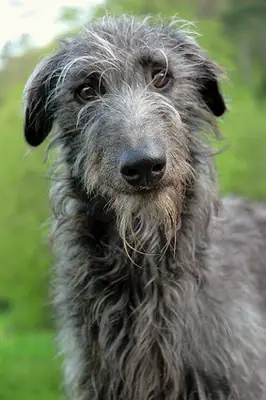
There's 1 Scottish Deerhound listing live right now, last updated 5 Dec 2025. Explore Scottish Deerh... There's 1 Scottish Deerhound listing live right now, last updated 5 Dec 2025. Explore Scottish Deerhound dog adoption listings in Copenhagen and compare puppies, adults, rescue dogs and rehoming profi... There's 1 Scottish Deerhound listing live right now, last updated 5 Dec 2025. Explore Scottish Deerhound dog adoption listings in Copenhagen and compare puppies, adults, rescue dogs and rehoming profiles by age, size, health records, microchip and Danish registration status, neutering, temperament, leash manners, prey drive, exercise needs, coat condition, child suitability, other-dog compatibility and ability to settle indoors. Whether you are looking in Copenhagen, Frederiksberg, Østerbro, Nørrebro, Vesterbro, Amager, Valby, Hellerup, Lyngby, Gentofte, Roskilde or nearby Zealand areas, adopting a Scottish Deerhound means looking beyond the calm expression and elegant giant build to understand daily movement, secure outdoor access, strong recall limitations, gentle handling, space requirements and the long-term responsibility of living with a large sighthound in a city home.
Haven't found the pet you're looking for? Let people who want to find a new home for their pet reach out to you.
Create your free pet adoption request listing now and be seen by thousands of pet owners.
Quick Information
Other listings in your area
Han og hun chokoladelabrador
French Bulldog Puppies
Små Yorkshire Terrier-hvalpe

Dachshsund puppies

Stunning Litter Of Gorgeous AKC Reg French Bulldog Puppies

Elegant Maltese Puppies – Ready for Their New Families
Popular Searches
Scottish Deerhound adoption in Copenhagen
Scottish Deerhound adoption in Copenhagen is not a casual small-dog search. This is a large, elegant sighthound with a gentle nature, strong running instinct and real space needs. The right adopter should care less about the impressive look and more about whether the dog can live safely, calmly and comfortably in a Danish city routine.
A strong listing should explain age, size, weight, health records, microchip and registration status, neutering, leash manners, prey drive, recall reliability, exercise routine, coat care, child experience, dog compatibility and reason for rehoming. “Gentle giant available” is too weak. A Deerhound listing must show whether the home can handle a tall, fast, sensitive dog every day.
Adopt a Scottish Deerhound in Copenhagen
Adopt a Scottish Deerhound in Copenhagen is a high-intent search from people who may already know they want a rare large sighthound. That is exactly why the listing needs to slow the decision down. Scottish Deerhounds can be affectionate and quiet indoors, but they still need safe exercise, leash control and a home that understands sighthound instincts.
Before applying, check whether the dog can settle in an apartment or house, whether it has lived with stairs or lifts, whether it reacts to bicycles, runners, cats or small dogs, and whether it can be safely exercised without relying on off-leash recall. In Copenhagen, city traffic, narrow pavements, cycling paths and shared green spaces make those details essential.
Scottish Deerhound rescue Denmark
Scottish Deerhound rescue Denmark is likely to be a low-volume but serious search. Deerhounds are not common rescue dogs, so any profile should be checked carefully instead of rushed because the breed is rare. Scarcity is not a reason to ignore fit.
A rescue profile should describe the dog’s background, confidence level, handling tolerance, health history, ability to be left alone, leash behaviour, reaction to small animals and ideal home setup. If the dog needs a secure garden, calm adult home, experienced sighthound owner or slow introductions, that must be visible before anyone applies.
Scottish Deerhound puppy adoption Copenhagen
Scottish Deerhound puppy adoption in Copenhagen can attract people who love the idea of raising a gentle giant from the start. The problem is that a Deerhound puppy grows into a very large, fast dog. Early socialisation, careful exercise, nutrition, leash training and calm handling are not optional.
A puppy listing should include exact age, expected adult size, microchip and registration details, vaccination plan, worming, diet, parent background if known, early socialisation, house-training progress and experience with city noise. “Deerhound puppy ready now” is not enough. The profile must prove the puppy is being placed into a home prepared for a giant sighthound, not a cute oversized puppy phase.
Adult Scottish Deerhound adoption Copenhagen
Adult Scottish Deerhound adoption can be the smarter option for people who want to understand the dog’s real size, temperament and exercise needs before committing. With an adult Deerhound, you can usually learn whether it is calm indoors, confident outside, reactive to small animals, safe around children or suitable for a quieter home.
The listing should explain why the dog needs a new home, whether it is neutered, whether it has joint, heart, digestive or mobility concerns, how it behaves on lead and how it copes with being alone. A well-described adult Deerhound can be a better match than a vague puppy listing with no long-term reality attached.
Free Scottish Deerhound adoption Copenhagen
Free Scottish Deerhound adoption in Copenhagen should be treated carefully. No adoption fee does not mean low cost. A dog of this size needs quality food, strong equipment, vet care, insurance, parasite control, transport planning, secure housing and enough space to move without constant restriction.
A trustworthy free listing should still explain health, microchip and registration status, vaccinations, neutering, temperament, exercise routine, leash behaviour and reason for rehoming. If the only hook is “free Deerhound”, the listing is weak. The real question is whether the adopter can afford and manage a large sighthound responsibly.
Scottish Deerhound for apartment Copenhagen
A Scottish Deerhound can be calm indoors, but that does not automatically make it an easy apartment dog. The dog is tall, long-legged and needs room to rest, turn, stretch and move without constant knocking into furniture. Stairs, lifts, narrow hallways and shared entrances matter more than people think.
The listing should say whether the Deerhound has lived in an apartment, whether it handles lifts, whether it barks at neighbours, whether it can settle after walks and whether it needs a garden. Apartment suitability must be proven through behaviour, not assumed because the dog is gentle.
Scottish Deerhound exercise needs
Scottish Deerhound exercise needs are not solved by short toilet walks. This breed may look relaxed at home, but it still needs meaningful daily movement, controlled running opportunities where safe, sniffing, steady walks and enough activity to keep the body healthy without overdoing young joints.
A listing should explain the dog’s current routine: walk length, pace, off-leash safety, fenced-area needs, reaction to cyclists, recall limits and recovery after exercise. A Deerhound that looks lazy indoors can still explode into speed when something moves. That reality must be clear before adoption.
Scottish Deerhound prey drive
Scottish Deerhound prey drive is one of the most important adoption checks. As a sighthound, the dog may react strongly to fast movement: cats, rabbits, small dogs, birds, runners, scooters or cyclists. This is not bad behaviour by itself; it is breed instinct that must be managed.
A serious listing should say whether the dog has lived with cats, whether it chases wildlife, whether it can walk past small dogs, whether recall is reliable and whether it must stay on lead in open areas. If a listing avoids prey drive completely, it is missing one of the biggest practical issues.
Scottish Deerhound with children
Scottish Deerhounds can be gentle with children, but size changes everything. A friendly giant can accidentally knock over a small child, sweep items with its tail or become uncomfortable if children climb on it, hug it roughly or disturb it while resting.
The listing should say whether the dog has lived with children, what ages, whether it jumps up, whether it guards food or beds, whether it tolerates noise and whether it is careful around smaller people. “Good with kids” is not enough. Large-dog safety needs real examples.
Scottish Deerhound with other dogs
Scottish Deerhound with other dogs can work well, especially with calm, well-matched dogs, but compatibility still depends on size, confidence, play style, sex, neutering and previous socialisation. A Deerhound’s large body and running style can overwhelm smaller dogs even without aggression.
The listing should explain whether the dog has lived with other dogs, whether it plays gently, whether it is reactive on lead, whether it guards resources and whether it prefers large or calm companions. Do not trust a vague “friendly with dogs” unless the profile gives real context.
Scottish Deerhound with cats
Scottish Deerhound with cats is a critical question. Some Deerhounds may live with cats they know, especially if raised with them, but many sighthounds can chase unfamiliar cats outdoors. Indoor tolerance does not always mean outdoor safety.
A listing should clearly state whether the dog has lived with cats, whether it chases cats on walks, whether it fixates on small animals and whether a cat-free home is safer. If the adopter already has cats, the introduction must be slow, controlled and physically secure.
Scottish Deerhound leash training Copenhagen
Scottish Deerhound leash training in Copenhagen matters because this is a large dog in a city full of bikes, runners, prams, traffic, narrow pavements and small dogs. A sudden lunge from a Deerhound is not the same as a sudden lunge from a small breed.
The listing should explain whether the dog pulls, whether it wears a harness or collar, whether it reacts to movement, whether it can walk through busy areas and whether the current owner can physically manage it. If leash manners are poor, the adopter must be strong, patient and ready to train safely.
Scottish Deerhound grooming and coat care
Scottish Deerhound grooming is not as decorative as some long-coated breeds, but the rough coat still needs regular brushing, checking for tangles, skin issues, ticks, dirt and comfort around handling. A large dog that dislikes grooming can be difficult to manage.
The listing should say whether the dog tolerates brushing, nail trimming, paw checks, ear cleaning and bathing. Coat care may look simple, but with a big sighthound, basic handling must already be calm and safe.
Scottish Deerhound health records
Scottish Deerhound health records should be checked carefully before adoption. Large sighthounds require attention to weight, joints, heart health, stomach comfort, mobility, dental condition and any previous injuries or surgery. A calm dog can still have hidden health needs.
A useful listing should mention vet history, vaccinations, parasite treatment, microchip, registration, neutering, medication, diet and any known health concerns. “Healthy large dog” is too vague. For a Deerhound, clear health information is part of responsible adoption.
Scottish Deerhound microchip Denmark registration
Scottish Deerhound microchip and Denmark registration details should be visible in any serious adoption listing. A dog living in Denmark should have an ID number and be registered correctly, and imported dogs must be handled through the proper registration process.
Before adoption, ask whether the dog is microchipped, whether the registration details are current, how ownership transfer will be handled and whether vaccination records are available. For a large rare breed, unclear paperwork is not a small problem; it is a warning sign.
Scottish Deerhounds near Copenhagen
Scottish Deerhounds near Copenhagen may appear in Frederiksberg, Østerbro, Nørrebro, Vesterbro, Amager, Valby, Hellerup, Lyngby, Gentofte, Roskilde, Køge, Helsingør, Malmö or wider Zealand and southern Sweden searches. Nearby listings make meetings, home checks and handover easier.
Location should not outrank fit. A nearby Deerhound listing with no size, prey drive, leash, health, microchip or exercise detail is weaker than a farther profile with honest information. For this breed, the best listing is the one that tells the truth about daily management.
Frequently Asked Questions
How do I adopt a Scottish Deerhound in Copenhagen safely?
Start by checking age, size, health records, microchip and registration status, vaccinations, neutering, leash manners, prey drive, exercise routine, child suitability, dog compatibility, coat care and reason for rehoming.
Do not adopt only because the dog looks calm and impressive. A Scottish Deerhound is a large sighthound, so space, safe exercise, handling, city behaviour and long-term costs must be understood before adoption.
Can a Scottish Deerhound live in a Copenhagen apartment?
It can work for the right dog and the right owner, but it should not be assumed. Scottish Deerhounds are very large and need space to rest, move and stretch, along with regular outdoor exercise.
Before adopting, ask whether the dog has lived in an apartment, handles stairs or lifts, barks at neighbours, settles after walks and copes with being alone. A calm indoor nature does not erase the need for space and routine.
How much exercise does a Scottish Deerhound need?
A Scottish Deerhound needs meaningful daily movement, not just short toilet walks. Adults may be calm indoors, but they still need regular walks, safe running opportunities where appropriate and mental stimulation.
Ask about the dog’s current routine, lead behaviour, recall reliability, fenced-area needs and reaction to cyclists, runners and small animals. Exercise must be safe because this breed can accelerate very quickly.
Are Scottish Deerhounds good with children?
Many Scottish Deerhounds are gentle, but their size means they can accidentally knock over small children or become uncomfortable with rough handling. Children must respect the dog’s space, bed, food and body.
Ask whether the dog has lived with children, what ages, whether it jumps up, whether it guards resources and whether it remains calm around noise. “Good with children” should be backed by real examples.
Can Scottish Deerhounds live with cats or small pets?
Some Scottish Deerhounds may live with cats they know, but the breed’s sighthound prey drive means small animals can trigger chasing. Indoor tolerance does not always mean outdoor safety.
Before adoption, ask whether the dog has lived with cats, whether it chases wildlife, whether it fixates on small dogs and whether the home should be cat-free. Introductions must be slow and physically secure.
Are Scottish Deerhounds difficult on lead?
They can be challenging if they pull or lunge because they are large and fast. In Copenhagen, bikes, runners, traffic, small dogs and narrow pavements make lead manners especially important.
Ask whether the dog pulls, reacts to movement, can pass other dogs calmly and what equipment it uses. A Deerhound with poor lead control needs an adopter who can manage training safely and physically.
What health checks matter before adopting a Scottish Deerhound?
Check vet records, vaccinations, parasite treatment, weight, mobility, joints, heart health, dental condition, stomach sensitivity, previous injuries, medication and neutering status.
Large sighthounds should not be assessed only by appearance. Clear health records and honest notes about previous problems are essential before adoption.
What makes a Scottish Deerhound adoption listing trustworthy?
A trustworthy listing gives real photos, age, size, health history, microchip and registration information, vaccinations, neutering, temperament, exercise routine, prey drive, leash behaviour, home history and reason for rehoming.
A weak listing only says the dog is gentle, rare or beautiful. For a Scottish Deerhound, the listing must explain daily management, space needs, safety and whether the adopter can realistically handle a giant sighthound.