Coventry Bernese Mountain Dog Adoption Listings
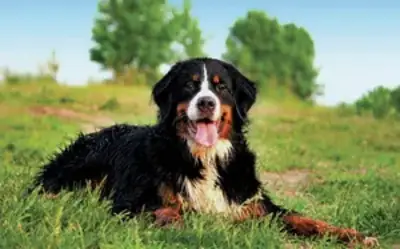
There's 1 Bernese Mountain Dog listing live right now, last updated 16 Dec 2025. Find Bernese Mounta... There's 1 Bernese Mountain Dog listing live right now, last updated 16 Dec 2025. Find Bernese Mountain Dogs for adoption in Coventry and review listings for puppies, adults, seniors, rescue dogs and f... There's 1 Bernese Mountain Dog listing live right now, last updated 16 Dec 2025. Find Bernese Mountain Dogs for adoption in Coventry and review listings for puppies, adults, seniors, rescue dogs and family-raised Berners looking for a suitable new home across areas such as Earlsdon, Allesley, Tile Hill, Binley, Coundon, Holbrooks, Stoke, Canley and nearby parts of the West Midlands. On Petopic, you can look beyond the breed’s gentle giant image and compare each dog’s age, temperament, size, health notes, microchip status, vaccinations, neutering, hip and elbow history, lead manners, grooming needs, heat sensitivity, ability to live with children, cats or other dogs, garden safety, settling-in needs and adoption conditions before choosing a Bernese Mountain Dog that genuinely fits your home, routine and long-term care capacity.
Haven't found the pet you're looking for? Let people who want to find a new home for their pet reach out to you.
Create your free pet adoption request listing now and be seen by thousands of pet owners.
Other listings in your area

Cute Pomeranian puppy ready for a forever family

Labrador retriever puppy for adoption and rehoming

timing just went wrong
not what I expected honestly

Gift male and female Dachshund puppies

Cocker Spaniel
Popular Searches
Bernese Mountain Dog adoption in Coventry
Adopting a Bernese Mountain Dog in Coventry should start with lifestyle fit, not the breed’s beautiful coat or calm-looking face. These are large, affectionate dogs that need space, steady handling, daily walks, grooming, companionship and owners who understand the cost of caring for a giant breed.
A useful listing should explain the dog’s age, size, health background, temperament, lead behaviour, experience with children, reaction to other dogs, ability to settle indoors and whether the dog has lived in a family home before. A vague “friendly gentle giant” description is not enough for a serious adoption decision.
Adopt a Bernese Mountain Dog in Coventry
People looking to adopt this breed usually want a loyal, soft-natured family companion, but the practical side matters just as much. A Bernese needs a home that can handle size, shedding, muddy walks, transport, vet bills and a dog that may lean heavily into human company.
Before enquiring, check whether the dog can be left alone, how it behaves around visitors, whether it pulls on the lead, if stairs are a problem, and what kind of exercise routine it already knows. The right match is built on detail, not emotion.
Bernese Mountain Dogs for adoption Coventry
Bernese Mountain Dogs for adoption may come from rescue, private rehoming, family changes, health-related owner circumstances or homes that underestimated the breed’s size and care needs. Each listing should explain the dog’s real background.
The best profiles describe daily behaviour: calm in the house, bouncy outside, nervous with traffic, friendly with strangers, heavy on the lead, good in the car or anxious when left. Those details help adopters decide if the dog will suit life in Coventry, not just whether the breed is attractive.
Bernese Mountain Dog rescue Coventry
A rescued Bernese may need patience, structure and a careful settling-in period. Some dogs arrive confident and social, while others may be confused by a new home, nervous around noises or unsure about being handled by unfamiliar people.
A strong rescue listing should explain what has been observed in foster or kennels: appetite, sleep, house training, lead manners, grooming tolerance, vet handling, reactions to other animals and the kind of home likely to help the dog feel safe.
Bernese Mountain Dog rehoming Coventry
Rehoming a Bernese should be honest from the first line. If the dog is being rehomed because of size, separation anxiety, owner illness, housing changes, cost, behaviour or another pet conflict, that reason matters.
Hiding difficult details may create more enquiries, but it increases the chance of the dog being moved again. A responsible listing clearly explains what has worked, what has not, and what type of home would be kinder for the dog next.
Bernese Mountain Dog puppy adoption Coventry
A Bernese puppy is not a small-dog commitment. It grows quickly, needs careful socialisation, calm handling, safe exercise, house training, lead foundations, grooming practice and early vet care.
A puppy listing should include age, vaccination status, microchip details, worming, diet, early socialisation, parent health information if available and whether the puppy is ready to leave. The cute stage is short; the giant dog stage is the reality.
Adult Bernese Mountain Dog adoption
An adult Bernese can be a better choice for adopters who want a clearer picture of personality, size, energy and routine. With an adult dog, it is usually easier to understand whether they are calm, clingy, playful, nervous, strong on the lead or settled in a home.
The listing should describe previous living conditions, daily walks, grooming tolerance, health checks, behaviour around children and whether the dog can manage stairs, car travel and time alone. Adult adoption is often more predictable when the profile is detailed.
Senior Bernese Mountain Dog for adoption
A senior Bernese may suit a quieter home that wants companionship without the intensity of a young giant breed. Older dogs can be deeply affectionate and easier to read, but they need realistic planning around joints, weight, mobility and veterinary care.
The advert should mention walking ability, stairs, pain management, medication, appetite, sleep, grooming needs and how the dog copes with handling. A senior dog should not be overlooked, but the adopter needs the full picture.
Bernese Mountain Dog family adoption
Bernese Mountain Dogs are often described as family-friendly, but every dog still needs individual assessment. Size alone means a friendly dog can accidentally knock over small children, crowd visitors or become difficult to manage if overexcited.
A good listing should say whether the dog has lived with children, how it responds to noise, toys, running, food, visitors and physical handling. “Good with kids” is too weak unless it is backed by real behaviour.
Bernese Mountain Dog good with other dogs
Some Bernese are sociable with other dogs, while others may be shy, overexcited, pushy or selective. Compatibility should be described through real situations rather than a simple label.
The listing should explain whether the dog has lived with another dog, how it greets dogs on walks, whether it shares toys or food, and whether introductions need to be slow. A large dog that plays roughly may still be too much for smaller or nervous pets.
Bernese Mountain Dog good with cats
If a home already has cats, the dog’s history matters. A Bernese that has lived calmly with cats is very different from one that has never met them or chases small animals on walks.
The advert should say whether the dog ignores cats, tries to play, stares, chases, becomes excited or can be redirected. Without real information, the safer assumption is that introductions must be slow, supervised and carefully managed.
Bernese Mountain Dog for house with garden
A garden can help with a large dog, but it does not replace walks, training or time with people. A Bernese left alone outdoors may become bored, vocal, muddy, frustrated or overly attached when finally brought inside.
The listing should explain garden behaviour: digging, barking, fence safety, recall, toileting, interaction with neighbours and whether the dog actually likes spending time outside. A garden is useful only when the dog is still part of family life.
Bernese Mountain Dog in a flat
A flat may work for the right dog and owner, but it is not the easy route. Stairs, lifts, narrow hallways, neighbours, heat, muddy coats, size and settling indoors all need serious thought.
A listing should say whether the dog has lived in a flat, can cope with lifts or communal areas, barks at hallway noises, settles after walks and can manage stairs safely. The question is not only space; it is daily practicality.
Bernese Mountain Dog exercise needs
Bernese Mountain Dogs usually need steady daily walks and mental stimulation rather than chaotic overexercise. They are large dogs, so exercise should support fitness without overloading joints, especially in young or older dogs.
The advert should describe the current walking routine, stamina, lead manners, recall, reaction to traffic and whether the dog enjoys gentle exploring, play or training games. A realistic activity profile prevents a poor match.
Bernese Mountain Dog grooming needs
The coat is a major part of living with this breed. Expect shedding, mud, regular brushing and careful checks around ears, tail, legs and feathering. A dog that dislikes grooming may need patient training.
A strong listing should say whether the dog tolerates brushing, bathing, paw handling and drying after walks. In a rainy UK city, grooming is not cosmetic; it affects comfort, cleanliness and skin health.
Bernese Mountain Dog health checks
Health information should be central in a Bernese listing. Large-breed joint issues, weight, mobility, previous injuries, appetite, digestion, skin, lumps, stamina and medication history all matter.
The advert should not simply say “healthy”. It should mention vet checks, vaccinations, microchip, neutering status, hip or elbow history where known, and any care the adopter must continue. Clear health notes build trust.
Bernese Mountain Dog hip and elbow concerns
Because this is a heavy breed, hip and elbow comfort should be discussed before adoption. Limping, stiffness after rest, trouble rising, reluctance on stairs or unusual tiredness should never be brushed aside.
If scans, vet notes or previous assessments exist, the listing should mention them. If no records are available, adopters should still ask about movement, exercise tolerance and any signs of discomfort.
Bernese Mountain Dog heat sensitivity
With a thick coat and large body, this breed can struggle in warm weather. Summer routines, shade, water, cool indoor space and avoiding hot pavements should be part of the adopter’s planning.
The listing can help by explaining whether the dog seeks cool areas, tires quickly in heat, dislikes long warm-weather walks or needs careful timing for exercise. Coventry may not be the hottest place, but heat still matters for this breed.
Microchipped Bernese Mountain Dog adoption
Microchip details should be clear before the dog changes home. The adopter needs to know whether the chip is registered, whether details must be updated and what paperwork will be provided.
For a large dog that may be strong on walks or unsettled during the first weeks, correct identification is especially important. A responsible listing makes the transfer process clear from the start.
Vaccinated Bernese Mountain Dog for adoption
Vaccination notes should be specific. The listing should mention whether boosters are current, whether flea and worm treatment is up to date, and whether any vet follow-up is due.
Adopters also need to know about neutering, weight, diet, allergies, mobility, digestive sensitivity and any recent illness. Strong health detail is more useful than a single broad claim that the dog is fine.
Post a Bernese Mountain Dog adoption listing in Coventry
When posting a Bernese Mountain Dog adoption listing in Coventry, write for the right home, not for the most messages. Include age, sex, weight, temperament, health, microchip, vaccinations, neutering, lead behaviour, grooming tolerance, exercise routine and reason for rehoming.
Do not hide difficult details such as pulling, anxiety, barking, poor mobility, dislike of grooming, problems with stairs, reactivity to dogs, uncertainty around children or high vet costs. Honest profiles reduce failed adoptions.
Frequently Asked Questions
How do I adopt a Bernese Mountain Dog in Coventry?
Start by reading the dog’s full profile, not just looking at photos. Check age, size, temperament, health notes, microchip status, vaccinations, neutering, lead manners, grooming needs and the type of home required.
Then contact the person or organisation responsible, ask practical questions and consider whether your home, routine, budget and experience can support a large breed for the long term.
Is a Bernese Mountain Dog suitable for a family home?
It can be, but the individual dog must be assessed. A Bernese may be gentle and affectionate, but its size means behaviour around children, visitors, food, toys and busy rooms should be clearly understood.
A listing should say whether the dog has lived with children, how it reacts to noise and whether adult supervision is needed around younger family members.
Can a Bernese Mountain Dog live in a flat?
Some can, but it depends on the dog and the owner’s routine. Stairs, lifts, neighbours, noise, heat, exercise and indoor settling all need careful thought.
The listing should explain whether the dog has lived in a flat before, whether it barks at hallway sounds, whether it can manage stairs and how calmly it rests indoors.
Does a Bernese Mountain Dog need a garden?
A secure garden is helpful, but it does not replace walks, companionship, training or mental stimulation. A Bernese still needs to be part of family life.
If the dog has garden experience, the listing should mention barking, digging, fence safety, toileting, recall and whether the dog settles outside or becomes frustrated.
How much exercise does a Bernese Mountain Dog need?
Most need steady daily walks, gentle activity and mental stimulation rather than extreme exercise. Puppies and older dogs especially need careful pacing to protect joints.
A good adoption profile should describe the current routine, stamina, lead behaviour, recall, reaction to traffic and whether the dog enjoys calm exploring or structured training games.
What health issues should I ask about before adoption?
Ask about hips, elbows, mobility, weight, previous injuries, lumps, digestion, medication, vet checks, vaccinations, microchip, neutering and any ongoing treatment.
Because this is a large breed, stiffness, limping, difficulty rising or problems with stairs should be discussed before adoption, not discovered after the dog arrives home.
Are Bernese Mountain Dogs good with other pets?
Some are good with dogs or cats, but it depends on history, temperament and introductions. The listing should say whether the dog has lived with other animals and how it behaves around them.
New introductions should be slow, supervised and controlled. A large friendly dog can still overwhelm smaller pets if excitement is not managed.
How much grooming does a Bernese Mountain Dog need?
Regular brushing is important because the coat sheds and can collect mud, moisture and tangles. Paw handling, drying and coat checks should become part of the routine.
The listing should mention whether the dog accepts brushing, bathing, drying and grooming around legs, tail and ears. Grooming tolerance matters in everyday life.
Is a Bernese Mountain Dog expensive to keep?
Large dogs usually cost more to feed, insure, transport, groom and treat at the vet. Medication, surgery, bedding, leads, crates and car space can also be more expensive because of size.
Before adopting, make sure the long-term budget is realistic. A free or low-cost adoption can still become expensive over the dog’s lifetime.
How should I write a Bernese Mountain Dog adoption listing?
Include age, sex, weight, temperament, health, microchip, vaccinations, neutering, mobility, lead manners, grooming tolerance, exercise routine, home history, compatibility with children and pets, and reason for rehoming.
Be honest about pulling, barking, anxiety, health costs, poor mobility, heat sensitivity, dislike of grooming or problems with stairs. Clear detail attracts better adopters and protects the dog from another failed move.