Coventry Domestic Shorthair Free Rehoming
There's 1 Domestic Shorthair listing live right now, last updated 6 Mar 2026. Find Domestic Shorthai... There's 1 Domestic Shorthair listing live right now, last updated 6 Mar 2026. Find Domestic Shorthair cats for free rehoming in Coventry by looking past the word “free” and checking the details that a... There's 1 Domestic Shorthair listing live right now, last updated 6 Mar 2026. Find Domestic Shorthair cats for free rehoming in Coventry by looking past the word “free” and checking the details that actually protect the cat: age, microchip status, neutering, vaccination history, flea and worm treatment, vet records, litter training, indoor or outdoor routine, temperament, reason for rehoming, behaviour with children, dogs and other cats, feeding habits, medical issues, stress triggers and whether the current owner is prepared to transfer the cat responsibly. A Domestic Shorthair is a cat, usually a much-loved short-coated mixed-breed companion rather than a pedigree label, so the right match depends on personality, home setup and honesty more than colour or cuteness. On Petopic, compare free cat rehoming listings across Coventry, Earlsdon, Allesley, Binley, Canley, Tile Hill, Foleshill, Stoke, Coundon, Wyken, Holbrooks, Bedworth, Nuneaton, Leamington Spa, Warwick and nearby areas before offering a safe, stable home.
Haven't found the pet you're looking for? Let people who want to find a new home for their pet reach out to you.
Create your free pet adoption request listing now and be seen by thousands of pet owners.
Other listings in your area
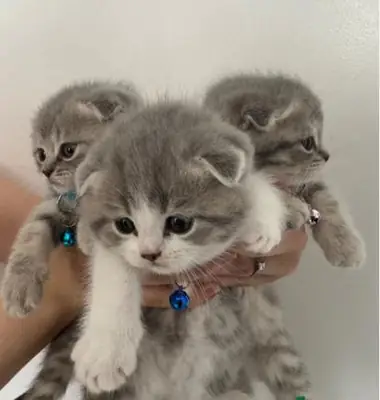
Adorable Scottish Fold KITTENS
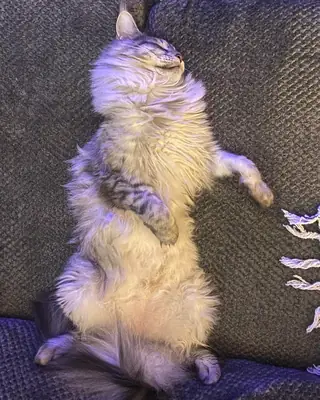
Large but very gentle Maine Coon looking for a calm home
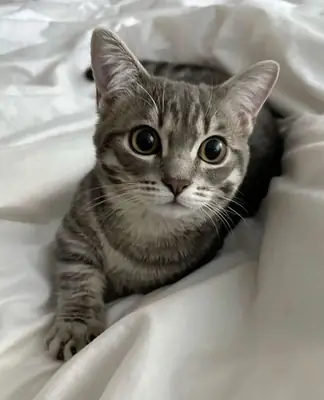
Free Adoption – Friendly Tabby Cat
Popular Searches
Domestic Shorthair cats for free rehoming in Coventry
Domestic Shorthair cats for free rehoming in Coventry should be checked with the same seriousness as any paid adoption. “Free” only means there may be no purchase fee; it does not remove the cost of food, litter, vet care, insurance, flea treatment, worming, toys, carriers and long-term responsibility.
On Petopic, look for listings that explain the cat’s age, microchip status, neutering, vaccinations, vet history, litter tray habits, indoor or outdoor routine, reason for rehoming and behaviour with people or pets. A short-coated cat may look low-maintenance, but the right home still depends on temperament and routine.
Adopt a cat in Coventry
Adopting a cat in Coventry is not just choosing the sweetest photo. A good match means understanding whether the cat is confident, shy, playful, nervous, independent, clingy, indoor-only, used to going outside, calm with children or stressed by busy homes.
Before offering a home, ask how long the cat has lived with the current owner, why it is being rehomed, whether it uses a litter tray reliably, how it reacts to visitors, what it eats and whether it has any known medical or behavioural issues. A genuine owner should be able to answer clearly.
Free cat Coventry
Free cat Coventry searches bring in people who want to help, but they also attract rushed decisions. A free cat still needs a proper handover, microchip details, vet information, food transition, litter setup and time to settle into a new home.
Be careful with listings that say “must go today” without explaining the cat’s background. Urgency may be real, but the adopter still needs enough information to avoid moving the cat into the wrong environment.
Domestic Shorthair cat Coventry
A Domestic Shorthair cat in Coventry is usually a short-coated mixed-breed cat, not a strict pedigree breed. That means personality matters more than a fixed breed promise: one may be lap-loving and calm, another may be independent, active or nervous around strangers.
When comparing Domestic Shorthair listings, focus on the individual cat. Ask about age, temperament, previous home, routine, outdoor access, health, grooming tolerance, feeding and how the cat behaves when stressed.
Short haired cat for adoption Coventry
Short haired cats are often seen as easier to care for, and that is partly true compared with long-coated cats. But a short coat does not tell you whether the cat is healthy, social, litter trained, neutered, microchipped or suitable for your home.
Ask whether the cat sheds heavily, tolerates brushing, has skin issues, gets hairballs, overgrooms or reacts badly to handling. Low coat maintenance does not mean no care at all.
Free kitten Coventry
Free kitten Coventry searches need extra caution. Kittens are appealing, but they need age-appropriate food, litter training, vaccinations, parasite treatment, microchipping, safe socialisation and a plan for neutering when old enough.
Do not take a kitten that is too young, weak, unwell, dirty, full of fleas or separated from its mother without explanation. A free kitten with no vet plan can become expensive quickly and may suffer from a poor start.
Adult Domestic Shorthair cat rehoming Coventry
An adult Domestic Shorthair cat can be a stronger choice than a kitten if you want a clearer idea of personality. With an adult cat, you can usually ask about real behaviour: lap time, hiding, scratching, night activity, children, dogs, other cats and outdoor habits.
Before adopting, ask why the cat is being rehomed, how long it has lived in its current home, whether it is neutered, microchipped, vaccinated and whether it has any long-term medical needs. Adult cats deserve honest descriptions, not vague “lovely cat” labels.
Senior cat free rehoming Coventry
A senior Domestic Shorthair can be a wonderful companion for a quieter home, but age must be handled honestly. Older cats may need dental checks, kidney monitoring, arthritis support, softer beds, easy litter tray access and calmer routines.
Ask about recent vet visits, medication, appetite, weight, mobility, drinking habits, litter tray use and whether the cat still enjoys being handled. Adopting a senior cat can be deeply rewarding, but pretending there are no costs is naive.
Black Domestic Shorthair cat Coventry
Black Domestic Shorthair cats can be overlooked because their photos do not always show expression clearly. That is a weak reason to ignore a good cat. Black cats can be affectionate, playful, quiet, bold or gentle like any other Domestic Shorthair.
Ask for daylight photos and a short video so you can see body condition, coat shine, eyes, movement and confidence. Choose based on behaviour and suitability, not whether the cat photographs easily.
Tabby cat for rehoming Coventry
Tabby Domestic Shorthair cats are common in Coventry rehoming searches, but tabby is a coat pattern, not a personality guarantee. A tabby cat may be bold and outdoor-loving, or quiet and sofa-focused.
Check the actual profile: age, neutering, microchip, litter habits, prey drive, outdoor routine, confidence with strangers and whether the cat has lived with children or other pets. Pattern does not replace history.
Ginger cat adoption Coventry
Ginger cats often get attention fast because they look warm, friendly and expressive. But a ginger Domestic Shorthair still needs the same checks as every other cat: health, microchip, neutering, behaviour, routine and reason for rehoming.
Ask whether the cat is confident, vocal, food-driven, outdoor-seeking, lap-loving or easily stressed. Colour attracts attention; daily temperament decides whether the adoption works.
Tuxedo cat rehoming Coventry
Tuxedo Domestic Shorthair cats stand out because of their black-and-white coat, but the coat does not tell you whether the cat suits a flat, a family, a multi-cat home or an outdoor lifestyle.
Look for a listing that explains the cat’s real behaviour: does it hide from visitors, scratch furniture, ask to go outside, tolerate brushing, use the litter tray and accept handling? A good rehoming profile beats a cute coat every time.
Female cat free rehoming Coventry
A female Domestic Shorthair for free rehoming in Coventry should be checked for neutering status, pregnancy risk, litter history if known, vaccination, microchip details and behaviour with other cats.
Do not assume a female cat will automatically be calmer or easier. Ask how she reacts to handling, visitors, children, dogs, other cats and changes in routine. Personality beats assumptions about sex.
Male cat free rehoming Coventry
A male Domestic Shorthair for free rehoming should be checked for neutering, spraying, roaming habits, fighting history, outdoor routine and microchip details. These points matter more than whether he looks relaxed in one photo.
Ask whether he marks indoors, comes home reliably, has lived with other cats, defends food or reacts strongly to neighbourhood cats. A male cat can be affectionate and easy, but missing details create problems fast.
Neutered cat for adoption Coventry
A neutered cat for adoption in Coventry usually makes rehoming more straightforward. Neutering can reduce unwanted litters, roaming, spraying and some conflict behaviours, although it does not replace proper care or settling time.
Ask for confirmation of neutering, not just a casual statement. If the cat is not neutered, discuss timing, cost and whether the adopter or current owner will handle it before or after rehoming.
Microchipped cat Coventry
A microchipped cat in Coventry should come with clear chip transfer details. The chip must be updated to the new keeper so the cat can be reunited if lost, especially during the stressful settling-in period after rehoming.
Before taking the cat home, ask for the microchip number, database transfer process and proof that the owner’s details can be changed properly. A chip that stays in the old owner’s name is a problem waiting to happen.
Vaccinated cat for adoption Coventry
A vaccinated cat for adoption should have a vet record or card showing what has been done and when boosters may be due. “Vaccinated” without dates or records is not enough to plan future care.
Ask whether the cat has had routine vaccines, flea treatment, worming and any recent vet visits. If records are missing, budget for a vet check soon after adoption instead of pretending the issue does not matter.
Litter trained cat Coventry
A litter trained cat in Coventry is easier to settle indoors, but ask for the details: what litter does the cat use, covered or open tray, how many trays, where was the tray kept and has the cat ever toileted outside the tray?
When rehoming, use the same litter at first and place the tray in a quiet, accessible spot. Changing everything on day one is how avoidable stress becomes a toilet problem.
Indoor cat for adoption Coventry
An indoor Domestic Shorthair cat can suit flats, busy roads or homes without safe outdoor space, but indoor life must be enriched. The cat needs scratching posts, window views, play, climbing spaces, hiding spots and human interaction.
Ask whether the cat has always lived indoors or is being changed from outdoor access. A cat used to roaming may become frustrated if moved suddenly into a flat without preparation.
Outdoor cat rehoming Coventry
An outdoor cat being rehomed in Coventry needs careful settling. The new home should keep the cat indoors at first, allow it to learn the scent and sound of the house, and only introduce outside access gradually when safe.
Ask about road sense, hunting, cat flap use, territory, fights, injuries, how far the cat roams and whether it comes when called. Outdoor history matters because moving territory is stressful for cats.
Cat for flat adoption Coventry
A Domestic Shorthair can live in a flat if the cat is suited to indoor life and has enrichment. The wrong flat match is a cat that cries at doors, scratches to escape, becomes restless or has always had outdoor freedom.
Ask whether the cat has lived in a flat before, uses a litter tray reliably, copes with neighbours’ noise and enjoys indoor play. A flat can work, but only with the right cat and setup.
Cat good with children Coventry
A cat that is good with children should have real history, not just a hopeful label. Some Domestic Shorthair cats enjoy gentle children, while others hide, scratch, bite or become stressed by noise and fast movement.
Ask whether the cat has lived with babies, toddlers, older children or visiting children. Also ask how it reacts to being picked up, stroked, chased, woken up or approached while eating.
Cat good with dogs Coventry
A Domestic Shorthair cat that is good with dogs may still need a slow introduction. “Good with dogs” should mean the cat has lived calmly with a dog, not just seen one through a window.
Ask what type of dog the cat knows, whether it hides, hisses, swipes, runs, freezes or approaches. A calm cat and a cat-safe dog can work; a rushed meeting can ruin the match.
Cat good with other cats Coventry
Some Domestic Shorthair cats enjoy feline company; others prefer being the only cat. A listing should make that clear instead of saying “friendly” without context.
Ask whether the cat has lived with cats, fought, shared litter trays, shared food areas, groomed another cat or avoided them. If you already have a cat, plan a slow scent-led introduction, not an immediate face-to-face meeting.
Shy cat for adoption Coventry
A shy Domestic Shorthair can become a loving companion in the right home, but it needs patience. Busy homes, grabby handling, loud children or constant visitors may make the cat retreat further.
Ask how the cat shows fear, where it hides, whether it accepts touch, whether it eats when stressed and how long it takes to settle. A shy cat is not broken; it is just a bad fit for an impatient adopter.
Friendly lap cat Coventry
A friendly lap cat in Coventry is a popular search, but “lap cat” should be based on real behaviour. Some cats sit on laps only with one trusted person, only in quiet rooms or only after weeks of settling.
Ask how affectionate the cat is, whether it follows people, sleeps on beds, likes being picked up, tolerates grooming and reacts to strangers. A genuine description helps avoid disappointment on both sides.
Urgent cat rehoming Coventry
Urgent cat rehoming in Coventry can be genuine, but urgency is not an excuse for a careless handover. The cat still needs a safe adopter, a proper carrier, familiar food, litter information, vet records and microchip transfer.
If you are rehoming urgently, write the truth: reason, deadline, temperament, health, paperwork, indoor or outdoor routine and what home the cat must avoid. A rushed vague advert increases the chance of another failed move.
Owner rehoming cat Coventry
Owner rehoming a cat in Coventry should be handled with care. A direct owner-to-adopter handover can work well when the current owner is honest and the adopter asks proper questions.
The listing should include the reason for rehoming, what the cat is like on a normal day, what it struggles with, what it eats, what litter it uses, what vet care it has had and what kind of home would be wrong for it. Hiding flaws is not kindness; it sets the cat up to fail.
Coventry Earlsdon Allesley Binley cat adoption
People searching in Coventry, Earlsdon, Allesley, Binley, Canley, Tile Hill, Foleshill, Stoke, Coundon, Wyken and Holbrooks often want a cat close enough to meet before adopting. That helps, but location should not beat suitability.
A nearby cat with missing records, unclear behaviour or a rushed owner is still a risk. A slightly further cat with honest information, proper vet history and a better home match is usually the stronger option.
Reliable free cat rehoming listing Coventry
A reliable free cat rehoming listing in Coventry gives the cat’s age, sex, colour, microchip status, neutering, vaccination history, flea and worm treatment, vet records, diet, litter habits, indoor or outdoor routine, temperament and reason for rehoming.
A weak listing says only “free cat, lovely, must go today” with no details. For a Domestic Shorthair cat, the danger is not the short coat or mixed background; the danger is missing information.
Frequently Asked Questions
What is a Domestic Shorthair cat?
A Domestic Shorthair is a short-coated cat that is usually mixed-breed rather than a pedigree breed. These cats can come in many colours, sizes and personalities.
The label tells you coat length more than temperament. The important details are the individual cat’s age, behaviour, health, history and home needs.
Is a free Domestic Shorthair cat really free to adopt?
No. A cat may be free to rehome, but the adopter still needs to pay for food, litter, flea and worm treatment, vet care, insurance if chosen, toys, scratching posts, carrier and long-term care.
The word free should never replace proper checks. A rushed free adoption with missing records can become expensive and stressful very quickly.
What should I check before adopting a cat in Coventry?
Check the cat’s age, microchip status, neutering, vaccination history, flea and worm treatment, vet records, litter tray habits, indoor or outdoor routine, temperament and reason for rehoming.
You should also ask how the cat behaves with children, dogs, other cats, visitors, handling, travel and being left alone. The best adoption is based on daily behaviour, not just a photo.
Should a rehomed cat be microchipped?
Yes, a cat should have a microchip and the details should be transferred properly to the new keeper after rehoming.
Ask for the microchip number and transfer process before taking the cat home. A cat that is microchipped but still registered to the old owner can create problems if it goes missing.
Is a Domestic Shorthair cat good for a flat?
Some Domestic Shorthair cats do well in flats, especially if they are already indoor cats and have enrichment such as scratching posts, climbing areas, window views, hiding places and regular play.
A cat used to outdoor freedom may struggle in a flat if the change is sudden. Always ask whether the cat has lived indoors, used a litter tray reliably and coped with household noise.
Can a Domestic Shorthair cat live with children?
Some Domestic Shorthair cats live very well with children, but it depends on the cat’s history and the children’s behaviour.
Ask whether the cat has lived with babies, toddlers or older children, and how it reacts to noise, being stroked, being picked up, toys, running and food. Children must respect the cat’s space, litter tray, food and sleeping area.
Can a Domestic Shorthair cat live with dogs?
It can work if the cat has lived with dogs before or is confident enough for a slow, careful introduction. A dog-safe cat and a cat-safe dog are both needed.
Ask what kind of dog the cat knows and how it reacts. Hiding, hissing, swiping, freezing or running are important signals to understand before adoption.
Can a Domestic Shorthair cat live with other cats?
Some Domestic Shorthair cats enjoy living with other cats, while others are happier as the only cat in the home.
Ask whether the cat has lived with other cats, shared food areas, used shared litter trays, fought, hidden or shown stress. Any introduction should be slow and scent-led.
Is it better to adopt a kitten or an adult Domestic Shorthair?
A kitten gives you the chance to shape early routines, but it needs more supervision, training, socialisation, vet care and patience. An adult cat often has a clearer personality and may settle better in the right home.
The better choice depends on your time, home, budget and experience. Do not adopt a kitten just because it is cute, and do not ignore adult cats just because they are less dramatic in photos.
What documents or records should come with a rehomed cat?
Ask for microchip details, vet records, vaccination dates, neutering confirmation, flea and worm treatment history, medication details and any adoption or transfer paperwork available.
If records are missing, arrange a vet check soon after adoption and budget for updates. Missing paperwork should not be ignored just because the cat is free.
How should I bring a rehomed cat home?
Use a secure carrier, bring familiar food if possible and set up one quiet room with litter tray, water, food, hiding spot, bed and scratching option before the cat arrives.
Do not give full access to the whole home immediately. Let the cat settle gradually, keep doors and windows secure, and avoid overwhelming it with visitors in the first few days.
How long should a rehomed cat stay indoors before going outside?
A newly rehomed cat should stay indoors at first so it can learn the new home, smells, sounds and people before exploring outside.
The exact timing depends on the cat’s confidence, previous outdoor routine, microchip transfer, neutering status and safety of the area. Letting a cat out too soon is one of the easiest ways to lose it.
How can I recognise a reliable free cat rehoming listing in Coventry?
A reliable listing gives the cat’s age, sex, colour, microchip status, neutering, vaccination history, flea and worm treatment, vet records, diet, litter habits, indoor or outdoor routine, temperament and reason for rehoming.
A weak listing says only “free cat”, “must go today” or “lovely cat” without details. For a Domestic Shorthair cat, missing information is the real warning sign.