Free Boxer Adoption in Derby
There's 1 Boxer listing live right now, last updated 24 Mar 2026. Free Boxer adoption in Derby is fo... There's 1 Boxer listing live right now, last updated 24 Mar 2026. Free Boxer adoption in Derby is for people who want a loyal, playful and powerful companion dog, but a good listing should prove far m... There's 1 Boxer listing live right now, last updated 24 Mar 2026. Free Boxer adoption in Derby is for people who want a loyal, playful and powerful companion dog, but a good listing should prove far more than a friendly face and a wagging tail. Check Boxer dogs and puppies around Derby, Mickleover, Alvaston, Allestree, Littleover, Chaddesden, Burton, Nottingham and nearby Derbyshire areas with care for microchip details, vaccination history, neutering status, age, breathing or BOAS notes, heart history, hip health, epilepsy, skin allergies, eye problems, lumps, exercise needs, recall, lead manners, children, cats, other dogs and whether the dog’s current routine can safely continue in your home.
Haven't found the pet you're looking for? Let people who want to find a new home for their pet reach out to you.
Create your free pet adoption request listing now and be seen by thousands of pet owners.
Other listings in your area

Bitchon Frise puppy for adoption
Anatolian shepherd puppies available
Akita rehome
Gift male and female Beagle puppies
Elegant Japanese Chin for Adoption
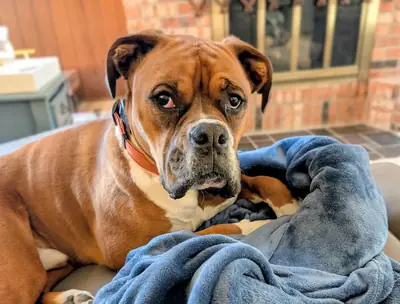
boxer dog needs new home
Popular Searches
Free Boxer adoption Derby
Free Boxer adoption in Derby should be checked for health, strength and daily suitability, not just the dog’s happy expression. A Boxer is a powerful, playful dog breed with real exercise, training, companionship and health-management needs.
A strong listing should explain the dog’s age, microchip status, vaccination record, neutering, breathing, heart history, hip movement, skin condition, eye health, recall, lead manners and reason for rehoming. Free adoption is only useful when the details are honest.
Boxers for adoption Derby
Boxers for adoption in Derby attract people who want a loyal, fun, people-focused dog. That friendly reputation is not enough by itself, because Boxers can be boisterous, strong on lead and slow to mature.
Ask whether the Boxer jumps up, mouths hands, pulls toward dogs, guards the home, settles indoors, copes alone and behaves around children. A good adoption listing should make the dog’s real household behaviour clear before contact.
Boxer rescue Derby
Boxer rescue in Derby often involves dogs rehomed because of owner illness, moving home, lack of time, separation anxiety, pulling, jumping, dog reactivity, vet costs or a home that underestimated the breed’s energy.
The reason matters. Ask what has been difficult, what the dog does well, whether training has been started and what kind of adopter is genuinely suitable. A rescue Boxer should be matched through truth, not rushed because it is affectionate.
Boxer rehoming Derby
Boxer rehoming in Derby needs direct questions because a cheerful dog can still bring pulling, jumping, mouthing, anxiety, guarding, health costs or poor recall into the next home.
Ask why the dog is being rehomed, how long the keeper has had it, whether it has bitten, guarded, chased cats, escaped, overheated, limped, had seizures or needed heart, skin or eye treatment. Vague wording is not enough for this breed.
Boxer adoption Derbyshire
Boxer adoption searches across Derbyshire often include Derby, Mickleover, Littleover, Allestree, Alvaston, Chaddesden, Belper, Ilkeston, Burton, Nottingham and Chesterfield. Wider local search helps only if it gives stronger proof, not just more adverts.
Compare listings by microchip transfer, vaccination record, vet notes, breathing, heart history, hip movement, skin condition, temperament and the exact reason for rehoming. A slightly further Boxer with clear records beats a nearby listing with vague answers.
Boxer puppy adoption Derby
Boxer puppy adoption in Derby needs strict checking because puppy photos can hide how strong, bouncy and demanding the dog will become. A Boxer puppy needs structure early, especially around jumping, mouthing, recall and settling.
Ask about age, microchip proof or plan, vaccination details, worming, flea treatment, diet, toilet routine, early socialisation, breathing, movement and parent health where known. A free Boxer puppy with vague history is not a bargain.
Adult Boxer adoption Derby
Adult Boxer adoption in Derby can be smarter than chasing puppies because the dog’s size, strength, manners, exercise tolerance, breathing, social confidence and home behaviour are already visible.
Ask whether the dog pulls, jumps up, mouths hands, steals food, settles indoors, travels calmly and copes when left. Adult adoption works when the dog’s normal day is described without dressing it up.
Senior Boxer adoption Derby
Senior Boxer adoption in Derby can be a brilliant match for a calmer home, but the adopter must be realistic about heart checks, lumps, joints, breathing, weight, stairs, medication and comfortable walks.
Ask about arthritis, hip pain, heart history, coughing, seizures, lumps, skin issues, appetite, toilet habits, sleep, stairs and current medication. An older Boxer can be deeply loyal when the care plan is honest.
Private Boxer rehoming Derby
Private Boxer rehoming in Derby can be genuine, but it needs proof. Some owners are honest; others minimise pulling, jumping, anxiety, vet costs, dog conflict or guarding behaviour.
Ask for microchip transfer details, vaccination record, vet notes, behaviour around children and dogs, lead manners, recall and the exact rehoming reason. A responsible owner should care about the next home, not just quick collection.
Boxer free to good home Derby
Boxer free to good home Derby searches should not stop at the word free. A no-fee Boxer can still need training, secure equipment, vet checks, insurance, skin treatment, heart monitoring and plenty of exercise.
Ask why the dog is free, whether there are health or behaviour issues, whether it is microchipped and whether the current keeper is choosing the right home rather than the fastest reply.
Boxer family dog adoption Derby
Boxer family dog adoption in Derby is a strong search because the breed is often affectionate and loyal with its household. That does not mean every Boxer is automatically suitable for every family.
Ask whether the dog has lived with children, what ages, whether it jumps up, mouths during play, guards toys or food and whether it can settle when visitors arrive. “Good family dog” needs real detail.
Boxer with children Derby
A Boxer with children can be a strong match when the dog is trained, stable and used to family life. The risk is not usually lack of affection; it is size, excitement, jumping and rough play.
Ask whether the Boxer has lived with children, whether it knocks people over, mouths hands, guards food, steals toys or gets overexcited when children run. A family match needs controlled energy, not just a sweet temperament.
Boxer with cats Derby
A Boxer with cats may work if the dog has proven cat experience and can disengage when asked. Some Boxers are gentle with cats; others chase through excitement, prey interest or lack of training.
Ask whether the dog has lived with cats, whether it chases, barks, stares, paws or settles calmly. Cats need escape routes, high spaces and slow introductions, not wishful thinking.
Boxer with other dogs Derby
A Boxer with other dogs can work well, but the match depends on social history, size, play style, lead behaviour and whether the dog guards toys, food or attention.
Ask whether the Boxer has lived with dogs, whether it plays roughly, pulls toward dogs, barks on lead or becomes jealous. Friendly does not mean every dog match is safe.
Boxer for flat living Derby
A Boxer can live in a Derby flat only when exercise, noise, stairs, heat, toileting and alone time are managed properly. The issue is not just floor space; it is whether the dog can settle after enough activity.
Ask whether the dog barks at hallway noise, copes with stairs or lifts, settles indoors, overheats easily and can be left without panic. A flat can suit the right Boxer, but not a restless or anxious one.
Boxer exercise needs Derby
Boxer exercise needs in Derby should be treated seriously because this breed is athletic, playful and often full of energy well past puppyhood. A bored Boxer may jump, chew, bark, mouth or become difficult to settle.
Ask about daily walking time, off-lead reliability, recall, sniffing, play, training and whether the dog becomes destructive without enough activity. Exercise should create calmness, not chaos.
Boxer Darley Park walks adoption
Boxer walks around Darley Park, Markeaton Park or similar Derby spaces sound ideal, but busy public places need recall, lead manners and calm behaviour around runners, cyclists, children and other dogs.
Ask whether the dog walks politely, ignores bikes, returns when called, shares paths calmly and can pass other dogs without pulling. Derby’s best walking spots only work when the Boxer is manageable.
Boxer Peak District walks adoption
Boxer adoption near the Peak District can look perfect for active owners, but hill walks, livestock, mud, heat and long routes need a dog with recall, stamina and sensible breathing.
Ask whether the Boxer can handle longer walks, whether it overheats, whether recall is reliable around livestock and whether its joints cope after activity. A Boxer that loves adventure still needs safe limits.
Boxer lead pulling adoption
Boxer lead pulling should be checked before adoption because a strong adult Boxer can be difficult to manage if it lunges toward dogs, people, traffic or exciting smells.
Ask whether the dog walks on a harness, whether it pulls constantly, whether it reacts to dogs and whether training has helped. A powerful dog with poor lead manners is not a small problem.
Boxer recall training adoption
Boxer recall training should be checked before adoption because this breed can be playful, social and easily distracted. A dog that loves people and dogs may still run toward the wrong situation.
Ask whether the Boxer comes back off lead, ignores dogs, leaves wildlife, drops toys and responds when excited. Poor recall should mean lead or long-line management until training is solid.
Boxer separation anxiety adoption
Boxer separation anxiety can be a major rehoming reason because many Boxers bond strongly with their people and dislike being left for long periods. Some bark, chew, scratch doors, toilet indoors or panic when alone.
Ask how long the dog can be left, what happens when the keeper leaves, whether crate training was tried and whether neighbours complained. Do not adopt a clingy Boxer into an empty house all day.
Boxer BOAS adoption
Boxer BOAS adoption searches come from people who understand that airway problems can affect everyday life. A shorter-faced Boxer may need careful exercise, weight control, harness use, heat planning and vet advice.
Ask whether the dog snores heavily, struggles in heat, gags, coughs, tires quickly, sleeps with its head raised or has had airway treatment. “Breathes like a normal Boxer” is not detailed enough.
Boxer breathing problems adoption
Boxer breathing problems should be discussed before adoption because heat, excitement, stress and intense play can expose issues. The next home needs to know what the dog can safely handle.
Ask whether the dog breathes noisily at rest, pants heavily, coughs, vomits foam, faints, avoids exercise or has needed emergency care. Breathing history is not a side question for this breed.
Boxer heat sensitivity adoption
Boxer heat sensitivity matters because a short-muzzled, muscular dog can struggle when exercise, excitement and warm weather combine. Summer walks and car travel need proper planning.
Ask what happens in warm weather, whether walks are shortened, whether the dog pants heavily indoors and whether it has ever collapsed or needed cooling. Heat planning should be part of the adoption decision.
Boxer heart problems adoption
Boxer heart problems should be asked about before adoption because heart history can affect exercise, anaesthetic risk, medication and long-term care. A dog can look lively while still needing proper checks.
Ask whether any murmur, cardiomyopathy, aortic stenosis, fainting, coughing, tiredness or scan history is known. A responsible listing should be honest about what has been checked and what remains unknown.
Boxer hip dysplasia adoption
Boxer hip dysplasia adoption should be handled openly. Hip issues do not automatically mean a dog cannot be adopted, but they change exercise, stairs, weight control, insurance and long-term vet planning.
Ask about limping, stiffness, x-rays, pain relief, supplements, hydrotherapy, walking distance and whether the dog struggles after exercise. Hiding mobility history is unacceptable with a large, active breed.
Boxer epilepsy adoption
Boxer epilepsy adoption should be handled with total clarity. A dog with seizure history may still be adoptable, but the adopter needs vet notes, medication details and realistic expectations.
Ask when seizures started, how often they happen, what triggers them, whether medication is used and when the dog last saw a vet. Hiding seizure history is not acceptable.
Boxer eye problems adoption
Boxer eye problems should be checked before adoption because eye discomfort can affect confidence, play and daily comfort. Prominent or irritated eyes should not be ignored.
Ask whether the dog squints, rubs its face, has discharge, cloudy eyes, ulcers, cherry eye, dry eye or eye drops. Eye pain can escalate quickly and should be disclosed clearly.
Boxer skin allergy adoption
Boxer skin allergy adoption should be taken seriously because itching, red skin, paw licking, ear irritation, hot spots and repeat infections can become long-term management issues.
Ask about food reactions, seasonal itching, flea control, shampoos, medication, ear problems and whether a vet has diagnosed allergies or skin fold irritation. A shiny short coat does not prove the skin is healthy.
Boxer lumps and cancer checks adoption
Boxer lumps and cancer checks should be discussed before adoption, especially with adult and senior dogs. Not every lump is serious, but ignoring changes is not a plan.
Ask whether the dog has any lumps, whether a vet has checked them, whether any were removed, and whether there are notes about weight loss, tiredness or appetite changes. Mature Boxers need honest health disclosure.
Boxer ear problems adoption
Boxer ear problems should be checked because allergies, infections and irritation can cause head shaking, smell, redness or discharge. Ear issues are easy to underplay in a short advert.
Ask whether the dog has had ear infections, whether ear drops were used, whether allergies were discussed and whether the dog allows ear cleaning. Repeat ear trouble can mean ongoing cost and care.
Boxer weight problem adoption
Boxer weight problem adoption matters because extra weight can make breathing, joints, heart strain and heat tolerance worse. A strong-looking Boxer is not automatically a fit Boxer.
Ask current weight, feeding routine, treats, mobility, exercise tolerance and whether a vet has advised weight loss. With this breed, weight control supports both movement and breathing.
Boxer mouthy behaviour adoption
Boxer mouthy behaviour should be clarified before adoption because young and excited Boxers may grab sleeves, mouth hands, steal objects or play too roughly. This can be normal training work, but it still matters.
Ask whether the dog mouths gently, jumps up, steals food, guards items or swaps toys reliably. Mouthy behaviour can be managed, but it should not be hidden behind “just playful”.
Brindle Boxer adoption Derby
Brindle Boxer adoption in Derby is colour-led, but coat pattern should come after health, temperament and proof. A striking brindle coat does not tell you how the dog breathes, walks or behaves at home.
Ask about microchip, vaccination, vet notes, heart history, skin issues, lead manners and the reason for rehoming. Colour helps identify the dog; it should not distract from the checks that matter.
White Boxer adoption Derby
White Boxer adoption in Derby should include questions about hearing, skin sensitivity, sun exposure and general health. A white coat can be beautiful, but it should not be used as a shortcut around proper checks.
Ask whether the dog responds normally to sound, whether skin burns or irritates easily, whether sunscreen or shaded walks are needed and whether vet records are clear. Appearance is not enough proof.
Red Boxer adoption Derby
Red Boxer adoption in Derby often means users are looking for the classic fawn or red-toned Boxer look. Colour should be secondary to movement, breathing, heart history, temperament and daily routine.
Ask for current photos, videos of movement, microchip information, vaccination record and the exact reason for rehoming. A strong red Boxer advert should still be strong without relying on colour.
Boxer cross adoption Derby
Boxer cross adoption in Derby can be a realistic option because many dogs have Boxer build, energy or expression without being purebred Boxers. That is fine when the listing is honest.
Ask what the dog is crossed with if known, adult size, exercise needs, temperament, health history and behaviour with children or pets. A Boxer cross may still be strong, bouncy, protective and high-energy.
Microchipped Boxer adoption Derby
A microchipped Boxer adoption listing should explain keeper transfer clearly. The chip should match the dog, and the new keeper details should be updated correctly after adoption.
Ask for the chip process, current keeper details and whether vet records match the dog. A large, desirable dog with unclear identity is not a strong adoption lead.
Vaccinated Boxer rehoming Derby
Vaccinated Boxer rehoming should state what has been given, what is due next and whether a vet record is available. “Healthy” is not the same as documented care.
Ask about boosters, flea and worm treatment, kennel cough where relevant, previous illness, skin, ears, weight, medication and recent vet checks. A lively Boxer can still arrive with hidden health questions.
Neutered Boxer adoption Derby
Neutered Boxer adoption in Derby can reduce accidental breeding risk and may help with some management issues, but it does not automatically fix pulling, jumping, guarding, anxiety or poor recall.
Ask whether the dog is neutered, when it was done, whether recovery was normal and whether any weight, coat or behaviour changes followed. If not neutered, ask whether a vet has advised timing.
Boxer adoption scam UK
Boxer adoption scams in the UK can use copied puppy photos, fake emergency rehoming stories, delivery-only offers, urgent deposits, vague Derby locations and missing microchip details.
Ask for current videos, proof the dog is local, microchip information, vet records, safe viewing or collection and a clear reason for rehoming. If proof disappears but payment pressure appears, walk away.
Frequently Asked Questions
Can I adopt a Boxer for free in Derby?
Yes, Boxers may be offered for free adoption in Derby, but every listing should be checked carefully before contact or collection.
Ask about microchip details, vaccination record, neutering status, age, breathing, heart history, hips, skin, eyes, temperament, training, children, pets and the reason for rehoming.
Is a Boxer a dog?
Yes, a Boxer is a dog breed. It is a medium-to-large, smooth-coated working dog known for loyalty, playfulness, strength and strong attachment to its family.
A Boxer needs exercise, training, routine, companionship and health-aware care. It is not a low-effort dog just because it is friendly.
Are Boxers good adoption dogs?
Boxers can be excellent adoption dogs for homes that can provide exercise, training, structure and daily companionship.
They are not ideal for every home. A bored, anxious, under-exercised or untrained Boxer can become hard to manage because of its strength and energy.
What should I check before adopting a Boxer?
Check microchip details, vaccination history, neutering status, vet notes, breathing, heart health, hip movement, seizures, skin, eyes, lumps, weight, lead manners, recall and behaviour when left alone.
Also ask why the dog is being rehomed and whether any biting, guarding, escaping, severe pulling, jumping, mouthing or dog reactivity history exists.
Should a Boxer be microchipped before adoption?
Yes, microchip details should be clear before adoption, and keeper information should be updated correctly after the dog changes home.
Ask for the chip process, current keeper details and whether vet records match the Boxer in the listing.
Should a Boxer be vaccinated and neutered?
Vaccination and neutering status should be clear before adoption. Ask what vaccinations have been given, what is due next and whether the Boxer is neutered.
If the dog is not neutered, ask why and whether a vet has advised timing.
Are Boxers good with children?
Many Boxers can be affectionate with children, but the match depends on training, temperament, size, excitement level and the children’s behaviour.
Ask whether the dog has lived with children, what ages, whether it jumps up, mouths during play, guards food or toys, and how it behaves around visitors.
Can Boxers live with cats?
Some Boxers can live with cats if they have proven cat experience and controlled introductions.
Ask whether the dog chases, barks, stares, paws or settles calmly around cats. Cats need escape routes and high safe spaces.
Can Boxers live with other dogs?
Boxers can live with other dogs in the right home, but introductions should be slow, neutral and supervised.
Ask whether the dog has lived with dogs before, reacts on lead, plays roughly, guards toys or food, or becomes jealous around attention.
Can a Boxer live in a flat in Derby?
A Boxer can live in a flat only if exercise, toileting, stairs, noise, heat, shedding and alone time are managed properly.
Ask whether the dog settles indoors, barks at hallway noise, copes with stairs or lifts and can walk calmly through shared spaces.
How much exercise does a Boxer need?
A healthy adult Boxer usually needs substantial daily exercise plus training, play, mental stimulation and calm settling time.
Before adoption, ask about the dog’s current walking routine, recall, lead manners, stamina, play style and whether it becomes restless without enough activity.
Do Boxers have breathing problems?
Some Boxers can have breathing problems, especially if they have a shorter muzzle or struggle with heat and excitement.
Ask whether the dog breathes noisily at rest, snores heavily, struggles in warm weather, coughs, gags, tires quickly, faints or has had airway treatment.
Do Boxers overheat easily?
Some Boxers can overheat more easily than expected, especially during warm weather, intense play or stressful travel.
Ask how the dog copes in heat, whether walks are shortened, whether it pants heavily indoors and whether it has ever collapsed or needed emergency cooling.
What health issues should I ask about in a Boxer?
Ask about BOAS, breathing noise, heart problems, hip dysplasia, epilepsy, eye problems, skin allergies, ear infections, lumps, cancer history, weight and previous vet checks.
A Boxer does not need perfect records to be adoptable, but the health history should be honest and clear.
Are Boxers prone to separation anxiety?
Some Boxers struggle when left alone because they are social dogs that often bond strongly with people.
Ask how long the dog can be left, whether it barks, chews, paces, toilets indoors, scratches doors or panics when the owner leaves.
Do Boxers shed much?
Boxers have short coats, but they can still shed and need regular brushing, skin checks and basic grooming.
Ask whether the dog has skin allergies, bald patches, itching, ear irritation or coat changes before adoption.
Why do Boxers get rehomed?
Boxers may be rehomed because of owner illness, moving home, lack of time, separation anxiety, pulling, jumping, mouthing, dog conflict, vet costs or exercise needs.
The reason for rehoming should be explained clearly because it affects whether the dog will suit your home.
How can I avoid Boxer adoption scams?
Be cautious with copied puppy photos, urgent deposits, delivery-only offers, vague Derby locations, missing microchip details and no vet records.
Ask for current videos, proof the dog is local, safe viewing or collection, microchip details, vet history and a clear reason for rehoming before trusting any advert.