Doha Pomeranian Sale listings
Doha Pomeranian Sale listings. Browse the latest pet ads — adoption, for sale, lost & found and breeding. Find the right listing for you from thousands of ads. petopic.com
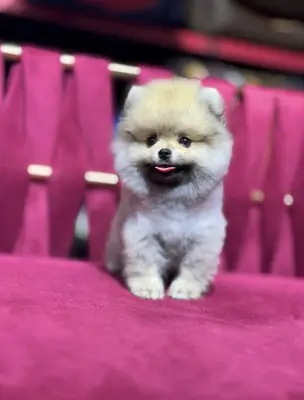
Quick Information
Looking for the best care for your little friend? Discover hundreds of veterinarians, groomers and pet services on Petopic
General Veterinary Health and Treatment Services
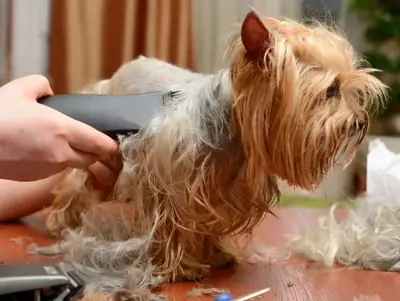
Professional Pet Grooming, Bathing & Styling – Patiş Grooming Pet Grooming & Pet Shop

Professional dog training in Moscow – Sokolniki Canine Center

New York City Pet Grooming

Glòries Veterinary Hospital – Comprehensive veterinary care in Barcelona

Pop of Joy
Popular Searches
Pomeranian for Sale
If you're looking for a Pomeranian for sale, you've landed in exactly the right place. Few dog breeds combine charm, personality and visual appeal quite like the Pomeranian — and once you've seen one in person, it's very hard to walk away without one. Whether you're drawn to the iconic rounded face of the Pomeranian Boo, the sharp and elegant features of the fox face Pomeranian, or the cloud-like appearance of a white Pomeranian, this breed has a version that fits almost every preference.
On Petopic, you'll find verified Pomeranian puppy for sale listings from responsible breeders and trusted sellers. Every listing includes detailed information about the puppy's age, health records, vaccination status, temperament and lineage — so you can make a confident, informed decision rather than a rushed one.
This guide will walk you through everything you need to know before buying a Pomeranian: the breed's core traits, the key differences between Boo and fox face types, what to look for in a puppy, and how to find the right listing for your lifestyle and budget.
Pomeranian Breed Overview
The Pomeranian — also widely known as the Pomeranian Spitz — is a small Nordic-origin breed that descended from large sled dogs. Despite its toy size today, the Pomeranian carries the confidence, alertness and energy of a much larger dog. This contrast between compact body and outsized personality is precisely what makes the breed so irresistible to millions of owners worldwide.
Physical characteristics:- Size: Typically 1.5–3.5 kg and 18–30 cm in height. Compact, lightweight and easy to carry — making them ideal for city apartments and urban lifestyles.
- Coat: The Pomeranian's signature double coat is dense, fluffy and stands away from the body, creating the famous "puffball" silhouette. The outer coat is long and straight; the undercoat is soft and thick.
- Colours: Pomeranians come in an extraordinary range of colours — orange, cream, white, black, sable, parti-colour, merle and more. The white Pomeranian is among the most sought-after.
- Lifespan: 12–16 years when well cared for — a long-term companion.
- Highly intelligent: Pomeranians learn quickly and respond very well to positive reinforcement training. They enjoy mental challenges and pick up commands faster than many larger breeds.
- Bold and confident: They tend not to be aware of their own small size — which makes them entertaining but also means early socialisation is important.
- Loyal and affectionate: Pomeranians bond deeply with their primary owners and can be protective of them.
- Alert and vocal: Their instinct to bark at unfamiliar sounds makes them surprisingly effective watchdogs for their size.
- Playful but manageable: High energy in short bursts, but their small size means exercise needs are easily met with indoor play and short daily walks.
The Pomeranian Spitz classification refers to the broader Spitz family, of which Pomeranians are the smallest member. If you see "Spitz" and "Pomeranian" used interchangeably in listings, they are referring to the same breed.
Pomeranian Boo: Characteristics and What Makes It Different
The Pomeranian Boo is not a separate breed — it's a specific look within the Pomeranian breed, popularised by the internet-famous dog "Boo" who became a global sensation in the early 2010s. The Boo look is characterised by an extremely rounded, teddy-bear-like face, a very short and evenly trimmed coat, and an overall appearance that resembles a stuffed toy more than a live dog.
Key features of the Pomeranian Boo look:- Face shape: Wide, round and flat-looking. The muzzle is short and the eyes are large, forward-facing and dark — giving the impression of a perpetually soft, gentle expression.
- Coat trim: The Boo appearance is largely achieved through a very specific short, rounded grooming style. The natural Pomeranian coat is trimmed uniformly to create the puffy, ball-like look. This is a grooming style, not a genetic trait.
- Size: Most Pomeranian Boo puppies that achieve the classic look tend to be on the smaller end of the Pomeranian size spectrum — closer to 1.5–2 kg.
- Expression: The wide eyes and short muzzle create a permanently "cute" and approachable expression that has made this variant the most photographed dog type on social media.
The temperament and health of a Boo-type Pomeranian is identical to any other Pomeranian. What differs is the facial structure (rounder, shorter muzzle) and the grooming style. When searching for a Pomeranian Boo for sale, look for puppies with naturally round facial proportions — the grooming can be replicated, but the face shape comes from genetics.
Pomeranian Boo price tends to sit at the higher end of the Pomeranian market due to the strong visual demand for this look. Browse current Pomeranian Boo for sale listings on Petopic to compare available puppies and find the right match.
Pomeranian Puppy Selection Guide
Buying a Pomeranian puppy is a long-term commitment — these dogs live 12 to 16 years. Choosing the right puppy requires looking beyond the first impression of cuteness and assessing several practical factors. Here's what experienced buyers and breeders consistently recommend:
Age matters more than most buyers realise:The minimum responsible age to bring a Pomeranian puppy home is 8 weeks, with 10–12 weeks being the ideal range. Puppies separated too early from their mother and siblings are significantly more likely to develop behavioural issues, anxiety and social problems later in life. If a seller is offering puppies under 8 weeks, treat this as a serious red flag.
Health checks to request before buying:- Vaccination records: Core vaccines (distemper, parvovirus, hepatitis) should be started by 8 weeks. Ask for the original booklet, not just a photo.
- Deworming history: Puppies should have been dewormed at 2, 4, 6 and 8 weeks. Ask for product names and dates.
- Vet examination certificate: A clean bill of health from a licensed vet is non-negotiable.
- Pedigree documentation: For purebred Pomeranians, ask about registration with a recognised kennel club.
- Heart and patella check: Pomeranians are susceptible to heart issues and luxating patella (knee displacement). Ask whether these have been assessed.
- Can I see the mother (and ideally the father)?
- How many puppies were in the litter?
- Has the puppy been socialised with people, children and other animals?
- What is the puppy currently eating and in what quantities?
- Has the puppy shown any signs of hypoglycaemia (low blood sugar)? This is common in very small Pomeranians.
- Seller refuses or avoids a video call or in-person viewing
- No health documentation available ("we'll get it sorted")
- Pressure to buy quickly or "someone else is interested"
- Puppies offered at suspiciously low prices with no health records
- Request for payment before any viewing has taken place
White Pomeranian Boo: The Most Sought-After Variant
Among all Pomeranian colour variants, the white Pomeranian Boo consistently generates the highest level of interest — and it's easy to understand why. A white Pomeranian with a rounded Boo face and a perfectly groomed coat resembles a living soft toy to a degree that almost no other dog achieves. The contrast between the pure white coat and the dark round eyes creates an appearance that photographs beautifully and captures attention instantly.
What to know about white Pomeranians:- True white vs cream: Genuine white Pomeranians have pure white coats with no cream, orange or yellow tinting. Cream Pomeranians are often marketed as white — look carefully at listing photos in natural light to assess the true coat colour.
- Coat maintenance: White coats require more frequent grooming and cleaning than darker coats. Tear staining around the eyes is more visible and needs regular attention.
- Rarity affects availability: True white Pomeranians are less common than orange or cream variants, which means fewer listings and higher demand when they do appear.
- Genetic health: White colouring in Pomeranians is not associated with any specific health disadvantages — unlike white colouring in some other breeds. A white Pomeranian from healthy parents is no more health-compromised than any other colour.
If a white Pomeranian Boo is what you're looking for, set up alerts on Petopic for this specific type — they tend to be claimed quickly when listed. Check the coat colour carefully in multiple photos before committing, and always request a live video showing the puppy in natural lighting.
Fox Face Pomeranian: The Classic Look
While the Boo style dominates social media, the fox face Pomeranian represents the breed's original and traditional appearance — and for many enthusiasts, it's the more authentic and characterful choice. The fox face look is exactly what the name suggests: a longer, more pointed muzzle, almond-shaped eyes set slightly wider apart, and a face that distinctly resembles a small fox or wolf rather than a teddy bear.
Fox face Pomeranian characteristics:- Muzzle: Longer and more tapered than the Boo type; this is the natural, breed-standard Pomeranian face shape.
- Eyes: Almond-shaped rather than round, giving a more alert and sharp expression.
- Ears: The pointed, upright ears are more visually prominent on a fox face Pomeranian, enhancing the fox-like appearance.
- Coat: The full, un-trimmed Pomeranian coat is most commonly seen on fox face types. The lion-like ruff around the neck and chest is a hallmark of this look.
- If visual impact and the "toy dog" aesthetic are priorities, the Boo type is likely your preference.
- If you prefer a more traditional, breed-standard appearance with strong character in the face, the fox face Pomeranian is the better match.
- Both types share identical temperament, health baseline and care requirements — the difference is purely visual.
- Fox face Pomeranians are often slightly easier to find, as the Boo appearance requires specific facial genetics that not all breeders focus on.
Browse fox face Pomeranian for sale listings on Petopic alongside Boo-type listings to compare both styles side by side. Seeing both in photos and videos helps most buyers make a definitive choice.
Pomeranian Price: What to Expect and What Affects It
Understanding Pomeranian price ranges before you start browsing listings puts you in a much stronger position as a buyer. Prices vary considerably based on several factors, and knowing what drives the variation helps you evaluate whether a listing represents genuine value or a potential red flag.
Key factors that affect Pomeranian puppy price:- Type and appearance: Pomeranian Boo price tends to be higher than standard fox face Pomeranian price due to visual demand. White Pomeranians also command a premium due to relative rarity.
- Pedigree and lineage: Registered, pedigree Pomeranians with documented parent health testing sit at the higher end of the price spectrum. The investment reflects genetic quality and reduced risk of hereditary conditions.
- Age: Younger puppies (8–12 weeks) are typically priced higher than older puppies or adult dogs. Adults being rehomed are often available at significantly lower cost.
- Health documentation: Puppies with complete vaccination records, vet certificates and health-tested parents justify higher asking prices. A very low Pomeranian dog price with no health documentation is a warning sign, not a bargain.
- Size within the breed: Exceptionally small Pomeranians — sometimes marketed as "teacup" — are priced higher due to demand, though buyers should be aware that very small individuals can carry additional health risks.
- Breeder reputation and location: Established breeders with track records of healthy litters and transparent practices typically price their puppies at a premium that reflects genuine quality.
Before committing to a Pomeranian puppy price, factor in the ongoing costs of ownership. Annual vaccinations, monthly parasite prevention, professional grooming every 6–8 weeks, quality nutrition and regular vet check-ups are consistent expenses throughout the dog's 12–16 year lifespan. Pet insurance is strongly recommended, particularly given the Pomeranian's susceptibility to dental issues, heart conditions and joint problems.
Browse current Pomeranian for sale listings on Petopic to get a real-time picture of market prices in your area. Comparing multiple listings across different types and age groups gives you the clearest benchmark.
What to Consider Before Buying a Pomeranian
The decision to buy a Pomeranian puppy should be made with a clear understanding of what the breed genuinely requires — not just what it looks like in photos. Pomeranians are wonderful companions, but they're not the right fit for every lifestyle. Being honest with yourself at this stage prevents problems for both you and the dog later.
The Pomeranian is right for you if:- You want a dog that is highly interactive, engaged and constantly present — Pomeranians are not content to sit quietly in a corner
- You live in an apartment or urban environment — their small size and moderate exercise needs make them excellent city dogs
- You can commit to regular professional grooming every 6–8 weeks and daily brushing at home
- You don't mind some vocality — Pomeranians are alert dogs who will bark at unfamiliar sounds
- You're prepared for a long commitment — this breed regularly lives past 14 years
- Dental health: Pomeranians are highly prone to dental disease. Daily tooth brushing from puppyhood and regular professional dental cleaning are not optional — they're health necessities for this breed.
- Grooming commitment: The beautiful coat that makes Pomeranians so visually striking requires significant maintenance. Without regular brushing and grooming, the coat mats and the dog becomes uncomfortable.
- Fragility: Their small size makes them physically vulnerable. Homes with very young children or large, boisterous dogs require careful management to prevent accidental injury.
- Hypoglycaemia in very small puppies: Teacup-sized Pomeranians in particular are vulnerable to low blood sugar episodes, especially during the first months. Frequent small meals and monitoring are essential.
- "Big dog" attitude: Pomeranians have no fear of larger dogs, which can create dangerous confrontations if off-lead encounters are not managed.
Where to Buy a Pomeranian Puppy
Knowing where to find a Pomeranian puppy for sale is just as important as knowing what to look for. The source of your puppy has a direct impact on its health, temperament and long-term wellbeing. Here are the most reliable channels and how to evaluate each one:
Verified marketplace listings (Petopic):Petopic provides verified Pomeranian for sale listings with detailed profiles that include health status, vaccination records, age, breeder information and direct seller contact. You can filter by type (Boo, fox face), colour (white, orange, cream), age and location to narrow your search efficiently. The ability to compare multiple listings in one place — including current Pomeranian puppy price ranges — gives you a significant advantage as a buyer.
Responsible private breeders:- Ask to visit the premises in person and see the mother with the puppies
- A responsible breeder will ask you questions too — this is a positive sign, not an obstacle
- Look for breeders who health-test their breeding dogs and limit the number of litters per year
- Expect a waiting list for quality breeders — this is normal and worth the wait
Pomeranian-specific rescues and general small breed rescues occasionally have Pomeranians available for rehoming. Adult Pomeranians available through rescue are often already trained, health-checked and assessed for temperament — and the rehoming process tends to be thorough and transparent.
Non-negotiable buying rules:- Never pay in full before viewing the puppy in person or via live video call
- Never accept "I'll courier the puppy to you" from a seller you haven't verified independently
- Always collect health documents at the time of purchase — never accept promises of paperwork to follow
- If anything feels rushed or pressured, walk away
Start browsing current Pomeranian Boo for sale, fox face Pomeranian and white Pomeranian listings on Petopic now. Filter by your preferred type and location, compare listings side by side, and contact sellers directly through the platform's secure messaging system. Your perfect Pomeranian puppy is out there — finding it the right way makes all the difference.
Frequently Asked Questions
How much does a Pomeranian cost?
Pomeranian prices vary depending on several factors, and understanding what drives the cost helps you make a confident, informed decision. Generally speaking, the price reflects the quality of care, breeding standards, and the puppy's overall health.
Key factors that influence Pomeranian pricing include:
- Lineage and pedigree: Puppies from health-tested, well-documented parent lines are priced higher for good reason — you're investing in long-term health and temperament.
- Coat color and type: Certain colors like merle, lavender, or cream are rarer and may be priced accordingly.
- Age: Younger puppies that are freshly weaned and fully vaccinated typically reflect more preparation time from the breeder.
- Health guarantees and vet records: Reputable breeders include vaccination history, deworming records, and often a health guarantee — all of which are factored into the price.
A Pomeranian that comes with complete health documentation, socialization, and breeder support is well worth the investment. Cutting corners on price often means cutting corners on care.
How long do Pomeranians live?
Pomeranians are one of the longer-lived small dog breeds, with an average lifespan of 12 to 16 years. Many healthy, well-cared-for Pomeranians live well into their mid-teens, making them a true long-term companion.
Several factors contribute to a Pomeranian's longevity:
- Regular veterinary check-ups: Annual wellness exams and dental cleanings catch issues early and significantly extend quality of life.
- Balanced nutrition: A high-quality diet appropriate for their size and life stage makes a measurable difference over time.
- Weight management: Pomeranians are prone to obesity if overfed. Keeping them at a healthy weight reduces strain on joints and internal organs.
- Genetics: Puppies from health-screened parents start life with a stronger foundation.
- Safe environment: Despite their confidence, Pomeranians are small dogs. Protecting them from falls and larger animals is essential.
When you bring home a well-bred Pomeranian and commit to their care, you're looking at well over a decade of loyal, lively companionship.
Do Pomeranians shed?
Yes, Pomeranians do shed — and it's worth knowing what to expect before bringing one home. They have a thick double coat that sheds moderately year-round, with two heavier shedding seasons in spring and fall.
The good news is that shedding is very manageable with the right routine:
- Brush 3–4 times per week: Regular brushing prevents matting and keeps loose fur from accumulating around your home.
- Professional grooming every 6–8 weeks: A professional trim keeps their coat healthy, tidy, and easier to maintain at home.
- Bathing every 3–4 weeks: Routine baths with a gentle dog shampoo help loosen dead undercoat and reduce overall shedding.
- Diet matters: A diet rich in omega-3 and omega-6 fatty acids supports coat health and can noticeably reduce excessive shedding.
Pomeranians are not hypoallergenic, so if allergies are a concern, spending time around the breed before committing is always a smart step. For most owners, a consistent grooming routine makes shedding a minor inconvenience rather than a real problem.
How much is a Pomeranian?
The cost of a Pomeranian depends on where you're purchasing from and what's included in that price. Puppies from responsible breeders who prioritize health testing, proper socialization, and early veterinary care will naturally reflect that level of investment.
Beyond the initial purchase, it's wise to budget for ongoing ownership costs:
- Routine veterinary care: Annual check-ups, vaccines, and dental cleanings.
- High-quality food: Small-breed formulas designed for their nutritional needs.
- Grooming: Whether done at home or professionally, regular grooming is non-negotiable for this breed.
- Pet insurance: An increasingly popular option that helps cover unexpected health expenses.
- Accessories and supplies: Crate, harness, bedding, toys, and grooming tools.
Thinking about the full picture of ownership costs — not just the purchase price — helps ensure you're fully prepared to give your Pomeranian the life they deserve.
How long does a Pomeranian Boo live?
The "Pomeranian Boo" refers to the teddy bear grooming style made famous by the internet-famous dog Boo — not a separate breed or size category. A Pomeranian styled as a Boo has the exact same lifespan as any other Pomeranian: typically 12 to 16 years, with many living even longer under attentive care.
What affects lifespan is not the haircut, but the quality of care throughout their life:
- Preventive healthcare: Staying current on vaccinations, parasite prevention, and dental care significantly reduces health risks.
- Healthy weight: Overfeeding is one of the most common issues in small breeds. A lean, well-fed Pomeranian lives longer and more comfortably.
- Mental stimulation: Pomeranians are intelligent and curious. Keeping them mentally engaged contributes to both emotional wellbeing and overall health.
- Safe living environment: Protecting your Pomeranian from falls and rough handling — especially important given their small size — prevents many common injuries.
A well-loved, properly cared-for Pomeranian Boo is every bit the long-term companion you're hoping for.
Do Pomeranian Boo dogs shed?
Yes — a Pomeranian styled in the Boo cut still sheds because the coat type hasn't changed, only the length. The iconic rounded, teddy-bear look is achieved by trimming the coat shorter, which can actually make day-to-day shedding slightly less noticeable around the house, but it doesn't eliminate it.
Managing shedding in a Boo-styled Pomeranian:
- Regular brushing remains essential: Even with shorter fur, the dense undercoat still needs brushing 2–3 times per week to prevent buildup.
- Professional grooming every 6–8 weeks: Maintaining the Boo shape requires consistent trimming. This also gives the groomer a chance to check coat and skin health.
- Seasonal blowouts: Twice a year, during spring and fall, shedding increases significantly. A professional deshedding treatment during these periods makes a noticeable difference.
With a consistent grooming routine, shedding is one of the easier aspects of Pomeranian ownership to manage — and the Boo style makes it a little easier still.
What do Pomeranians eat?
Pomeranians thrive on a balanced, high-quality diet formulated for small breeds. Their small mouths and fast metabolisms mean they have slightly different nutritional needs than larger dogs, and getting nutrition right from puppyhood sets the foundation for a long, healthy life.
Here's what a well-rounded Pomeranian diet looks like:
- High-quality dry kibble: Look for small-breed formulas with a named protein source (chicken, turkey, salmon) as the first ingredient. Avoid fillers like corn syrup and artificial preservatives.
- Wet food as a complement: Adding a small amount of wet food to kibble improves palatability and hydration, especially for picky eaters.
- Portion control is critical: Pomeranians are prone to weight gain. Follow the feeding guidelines on the packaging and adjust based on your vet's advice.
- Safe, healthy treats: Small pieces of cooked chicken, blueberries, carrots, or specially formulated small-breed treats work well for training and bonding.
- Fresh water at all times: Hydration is often overlooked but plays a significant role in digestion and coat health.
When you bring your Pomeranian home, ask the breeder what food they've been eating and gradually transition to your preferred brand over 7–10 days to avoid digestive upset.
How many puppies can a Pomeranian have?
Pomeranians typically have small litters, averaging 1 to 4 puppies per pregnancy, with 2 to 3 being the most common. Litters of 5 or more are possible but relatively rare for this breed due to their compact size.
A few things worth knowing about Pomeranian litters:
- Small litters mean more demand: Because Pomeranians produce fewer puppies per litter compared to larger breeds, availability can be limited — especially for specific colors or coat types.
- Responsible breeding matters: Ethical breeders limit how frequently a female is bred and prioritize her health above litter frequency. This is reflected in the quality of the puppies they produce.
- Cesarean sections are sometimes required: Due to their small pelvic structure, some Pomeranian females require a C-section. Reputable breeders account for this in their practices and are prepared to handle it safely.
- Early socialization in small litters: With fewer siblings, responsible breeders put extra effort into human socialization during the critical 3–8 week window, resulting in well-adjusted, confident puppies.
Understanding litter sizes helps set realistic expectations — and reinforces why well-bred Pomeranian puppies from responsible breeders are worth the wait.