Free Norwegian Forest Cat Adoption in Durham
There's 1 Norwegian Forest Cat listing live right now, last updated 31 Mar 2026. Free Norwegian Fore... There's 1 Norwegian Forest Cat listing live right now, last updated 31 Mar 2026. Free Norwegian Forest Cat adoption in Durham is for people who want a large, calm, long-haired cat with a confident out... There's 1 Norwegian Forest Cat listing live right now, last updated 31 Mar 2026. Free Norwegian Forest Cat adoption in Durham is for people who want a large, calm, long-haired cat with a confident outdoor spirit, but a good listing should prove far more than size, fur and a wild-looking face. Check Norwegian Forest Cats and kittens around Durham, Gilesgate, Framwellgate Moor, Neville’s Cross, Belmont, Chester-le-Street, Spennymoor, Bishop Auckland and nearby County Durham areas with care for microchip details, vaccination history, neutering status, age, coat condition, matting, grooming tolerance, weight, hip movement, dental care, HCM or GSD IV notes where known, indoor or outdoor routine, climbing needs, litter habits, children, cats, dogs and whether the cat’s current life can safely continue in your home.
Haven't found the pet you're looking for? Let people who want to find a new home for their pet reach out to you.
Create your free pet adoption request listing now and be seen by thousands of pet owners.
Other listings in your area
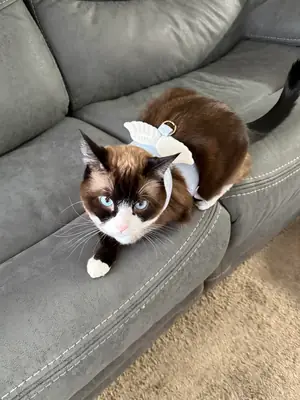
affectionate cat, left alone too often
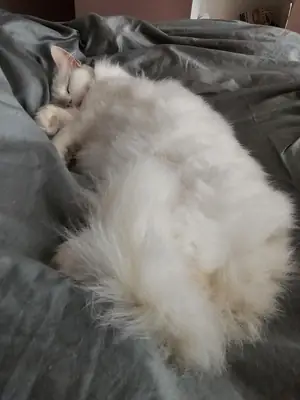
quiet cat, looking for a calmer home
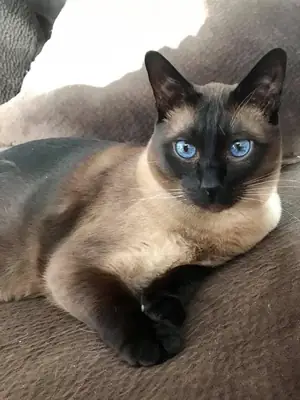
social cat, needs more attention
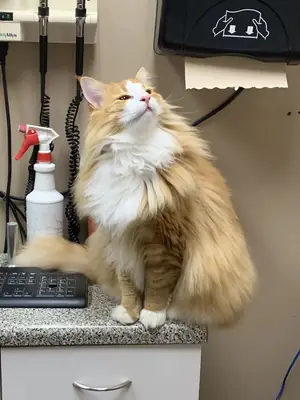
indoor cat, change in circumstances
Popular Searches
Free Norwegian Forest Cat adoption Durham
Free Norwegian Forest Cat adoption in Durham should be checked with more care than a beautiful long-haired photo suggests. This is a large, strong cat breed with a thick coat, climbing instinct, independent nature and real grooming needs.
A strong listing should explain the cat’s age, microchip status, vaccination record, neutering, coat condition, matting history, grooming tolerance, weight, hip movement, indoor or outdoor routine, litter habits and reason for rehoming. Free adoption only works when the cat’s needs are clear.
Norwegian Forest Cats for adoption Durham
Norwegian Forest Cats for adoption in Durham attract people who want a calm, impressive, semi-long-haired cat that feels more natural and rugged than delicate. That appeal is real, but the size and coat bring responsibilities.
Ask whether the cat enjoys being handled, accepts brushing, climbs furniture, uses a scratching post, copes with visitors and prefers indoor comfort or safe outdoor access. A good adoption listing should make the cat’s daily routine easy to picture.
Norwegian Forest Cat rescue Durham
Norwegian Forest Cat rescue in Durham often involves cats rehomed because of moving home, owner illness, allergies, cost, coat maintenance, outdoor safety concerns, conflict with pets or a household that underestimated the breed’s size.
The reason matters. Ask what has been difficult, what the cat does well, whether grooming has been maintained and what kind of home keeps the cat settled. A rescue Norwegian Forest Cat should be matched through honest detail, not just admiration for the breed.
Norwegian Forest Cat rehoming Durham
Norwegian Forest Cat rehoming in Durham needs direct questions because a calm-looking cat can still arrive with matted fur, poor litter habits, outdoor roaming habits, weight issues, dental pain or stress around other pets.
Ask why the cat is being rehomed, how long the keeper has had it, whether it has moved before, whether it has vet notes and whether it is genuinely Norwegian Forest Cat, Norwegian Forest cross or simply a large long-haired cat.
Norwegian Forest Cat adoption County Durham
Norwegian Forest Cat adoption searches across County Durham often include Durham, Chester-le-Street, Spennymoor, Bishop Auckland, Seaham, Peterlee, Consett, Stanley and nearby North East areas. Wider local search helps only when it gives stronger listings.
Compare adverts by microchip transfer, vaccination record, vet notes, grooming history, coat condition, weight, temperament and the exact reason for rehoming. A slightly further cat with clear proof beats a nearby listing with vague answers.
Norwegian Forest kitten adoption Durham
Norwegian Forest kitten adoption in Durham needs strict checking because fluffy kittens can hide weak evidence. A kitten should have clear age, microchip proof or plan, vaccination details, flea and worm treatment, diet, litter training and a safe handover plan.
Ask about parent background where known, GSD IV information where available, coat care, socialisation and whether the kitten is already used to brushing. A giant-looking kitten photo is not enough proof for a safe adoption.
Adult Norwegian Forest Cat adoption Durham
Adult Norwegian Forest Cat adoption in Durham can be smarter than chasing kittens because the cat’s full size, coat density, grooming tolerance, outdoor interest and personality are already visible.
Ask whether the cat accepts brushing, jumps comfortably, uses the litter tray reliably, enjoys company without being clingy and has any hip, heart, dental or weight history. Adult adoption works when the cat’s normal day is described honestly.
Senior Norwegian Forest Cat adoption Durham
Senior Norwegian Forest Cat adoption in Durham can be a brilliant match for a quieter home, but the adopter must be realistic about grooming, joints, teeth, weight, stairs, jumping and regular vet checks.
Ask about arthritis signs, hip stiffness, dental work, appetite, litter habits, coat matting, medication and whether the cat still climbs comfortably. Older long-haired cats often need more hands-on care than the listing admits.
Private Norwegian Forest Cat rehoming Durham
Private Norwegian Forest Cat rehoming in Durham can be genuine, but rare-breed style listings need proof. A private keeper should explain the cat’s history, routine, grooming, vet care and exact reason for rehoming.
Ask for microchip transfer details, vaccination record, neutering status, vet notes, diet, litter habits, indoor or outdoor history, coat maintenance and whether the cat has lived with children, cats or dogs. A responsible keeper should care about the match.
Norwegian Forest Cat free to good home Durham
Norwegian Forest Cat free to good home Durham searches should not stop at the word free. A no-fee cat can still need microchip updates, vaccinations, dental care, grooming, mat removal, neutering or vet checks.
Ask why the cat is free, whether there are health or behaviour issues and whether the current keeper is choosing a suitable home rather than the fastest reply. Free can become expensive when the background is vague.
Wegie cat adoption Durham
Wegie cat adoption in Durham is a shorthand search for Norwegian Forest Cat adoption. The nickname may appear in listings, but it should not replace proper identity and health checks.
Ask whether the cat is a Norwegian Forest Cat, Norwegian Forest cross, Maine Coon mix or simply a large long-haired cat. The label matters less than the evidence: vet history, grooming, temperament, size, litter habits and home suitability.
Large long-haired cat adoption Durham
Large long-haired cat adoption in Durham often overlaps with Norwegian Forest Cat searches because users want a big, calm, impressive cat with a full coat. That search can return genuine breed cats, crosses and mixed long-haired cats.
Focus on the cat in front of you. Ask about weight, grooming tolerance, matting, shedding, hip movement, litter habits, diet, indoor or outdoor routine and whether the cat is comfortable being handled for coat care.
Norwegian Forest Cat rescue North East
Norwegian Forest Cat rescue North East searches may include Durham, Newcastle, Sunderland, Gateshead, Hartlepool, Darlington and nearby areas. Rare-breed adoption may require looking wider, but distance should not weaken your checks.
Ask for current videos, proof the cat is local, safe collection details, microchip information, vet records and a clear rehoming reason. A rare-looking cat with vague answers is not a strong adoption lead.
Norwegian Forest Cat with garden Durham
Norwegian Forest Cat with garden Durham is a realistic search because this breed often enjoys climbing, exploring and watching outdoor movement. Outdoor access should still be safe, not careless.
Ask whether the cat is used to a garden, secure catio, supervised outdoor time or free roaming. Roads, wildlife, theft risk, cold weather, neighbours and microchip details all matter before changing the cat’s outdoor routine.
Indoor Norwegian Forest Cat adoption Durham
Indoor Norwegian Forest Cat adoption in Durham can work only when the home gives space, climbing routes, scratching posts, window views, play, grooming and enough movement. A large cat cannot be expected to thrive in a bare room.
Ask whether the cat has always lived indoors, whether it tries to escape, whether it becomes bored and whether it needs tall furniture or climbing shelves. Indoor life should be safe and enriched, not cramped and dull.
Norwegian Forest Cat for flat living Durham
A Norwegian Forest Cat can live in a Durham flat only if space, climbing, scratching, litter tray access, window safety and coat care are handled properly. The issue is not only size; it is stimulation and routine.
Ask whether the cat reacts to hallway noise, whether it scratches furniture, whether it needs outdoor access and whether it has enough high resting places. A flat can suit the right cat, but not one that is restless and under-stimulated.
Norwegian Forest Cat student home Durham
Norwegian Forest Cat adoption for a student home in Durham needs brutal honesty about tenancy rules, future moves, grooming time, vet costs and whether the cat will still have a stable home after the course ends.
This breed can live for many years and may need regular brushing, space and predictable care. A large long-haired cat should not be treated like a temporary university companion.
Norwegian Forest Cat grooming Durham
Norwegian Forest Cat grooming in Durham matters because the thick semi-long coat can shed heavily, mat behind the ears, knot under the legs and become harder to manage during seasonal coat changes.
Ask whether the cat accepts brushing, which areas mat first, whether it has ever needed shaving, whether the skin is healthy and whether grooming has been consistent. A beautiful coat is only beautiful when it is maintained.
Norwegian Forest Cat matted fur adoption
Norwegian Forest Cat matted fur adoption should be handled seriously because matting can pull the skin, hide irritation and make handling painful. A cat with severe mats may need professional help before normal grooming can restart.
Ask where the mats are, how long they have been present, whether the cat tolerates brushing and whether a vet or groomer has checked the coat. Matting is not just a cosmetic issue.
Norwegian Forest Cat shedding adoption
Norwegian Forest Cat shedding should be expected, especially during seasonal coat changes. A home that wants a spotless sofa and no brushing routine may struggle with this breed.
Ask how much the cat sheds, whether it accepts grooming, whether hairballs are a problem and whether the coat changes heavily in spring or autumn. Shedding is manageable when the adopter expects it.
Norwegian Forest Cat hypoallergenic adoption
Norwegian Forest Cat hypoallergenic adoption is a risky search because this breed should not be treated as a guaranteed allergy-safe cat. Long hair does not decide allergy response by itself.
Anyone with allergies should spend time around the cat before adoption where possible and ask about shedding, grooming, dander, bedding and cleaning routine. Do not adopt first and test your allergies later.
Norwegian Forest Cat temperament adoption
Norwegian Forest Cat temperament is often calm, independent, intelligent and people-aware without being constantly demanding. Many enjoy being near people while still wanting their own space.
Ask whether the cat likes being picked up, sits near people, hides from strangers, follows the household, enjoys play or prefers watching from high places. The breed reputation helps, but the individual cat matters more.
Norwegian Forest Cat with children Durham
A Norwegian Forest Cat with children can be a good match when the cat is confident and the children respect space. This large cat may be tolerant, but it should not be pulled, chased or treated like a soft toy.
Ask whether the cat has lived with children, what ages, whether it scratches when overstimulated, whether it tolerates brushing and where it goes when it wants quiet. A family match should protect the cat’s comfort.
Norwegian Forest Cat with other cats Durham
Norwegian Forest Cats can live with other cats in the right home, but introductions should still be slow. A confident large cat may overwhelm a nervous resident cat if space and territory are not managed.
Ask whether the cat has lived with cats before, whether it guards food, chases, hides, shares litter areas or prefers being the only cat. Calm-looking does not always mean socially easy.
Norwegian Forest Cat with dogs Durham
A Norwegian Forest Cat with dogs may work if the cat is confident and the dog is calm around cats. The important detail is previous experience, not hope.
Ask whether the cat has lived with dogs, whether it runs, freezes, swats, hides or settles nearby. Safe rooms, high resting places and slow introductions should be ready before adoption.
Norwegian Forest Cat weight problem adoption
Norwegian Forest Cat weight problem adoption should be checked carefully because this is already a large breed. Big does not automatically mean healthy, and extra weight can make hip or mobility problems worse.
Ask current weight, body condition, feeding routine, treat habits, jumping ability and whether a vet has advised weight loss. A heavy long-haired cat can look impressive while still being overweight.
Norwegian Forest Cat hip dysplasia adoption
Norwegian Forest Cat hip dysplasia adoption should be handled openly because a large cat with hip discomfort may avoid jumping, move stiffly or struggle with stairs and high furniture.
Ask whether the cat limps, hesitates before jumping, avoids climbing, has x-rays, uses pain relief or has vet notes about hips. Mobility history matters more in a large breed than a short advert suggests.
Norwegian Forest Cat HCM adoption
Norwegian Forest Cat HCM adoption searches come from people who understand that heart history can matter in large cat breeds. A cat may look calm and strong while still needing proper vet checks.
Ask whether any heart murmur, scan, vet note, breathing change, fainting episode or family health background is known. The listing should be honest about what has been checked and what remains unknown.
Norwegian Forest Cat GSD IV adoption
Norwegian Forest Cat GSD IV adoption searches focus on a serious inherited condition linked to this breed. Not every adopted cat will have full genetic records, but the question is still valid, especially for kittens or cats with known breeding history.
Ask whether any GSD IV test history, breeder background, weakness, tremors, poor growth or unexplained kitten illness is known. A responsible listing should not dismiss breed-specific health questions.
Norwegian Forest Cat dental care adoption
Norwegian Forest Cat dental care should be checked before adoption because dental pain can be easy to miss in a calm cat. Bad breath, drooling, slow eating or avoiding hard food can matter.
Ask when the cat last had a dental check, whether teeth have been removed, whether it eats comfortably and whether brushing or dental diets have been used. A thick coat and strong body do not prove the mouth is healthy.
Norwegian Forest Cat litter problems adoption
Norwegian Forest Cat litter problems should be clarified before adoption because stress, arthritis, tray size, litter type, urinary issues or previous outdoor habits can affect toileting.
Ask whether the cat uses the tray reliably, sprays, avoids covered trays, needs a larger tray or has had urinary problems. A large cat may need a larger, easier-to-access setup than a standard small tray.
Microchipped Norwegian Forest Cat adoption Durham
A microchipped Norwegian Forest Cat adoption listing in Durham should explain keeper transfer clearly. In England, microchip details are part of responsible cat ownership and help prove the cat matches the advert.
Ask for the chip process, current keeper details, database update steps and whether the vet record matches the cat. A rare-looking cat with unclear identity needs extra caution.
Vaccinated Norwegian Forest Cat rehoming
Vaccinated Norwegian Forest Cat rehoming should state what has been given, what is due next and whether a vet record is available. “Healthy” is not the same as documented care.
Ask about vaccinations, flea and worm treatment, dental checks, weight, appetite, litter habits, recent illness and current medication. A calm large cat can still arrive with hidden vet questions.
Neutered Norwegian Forest Cat adoption Durham
Neutered Norwegian Forest Cat adoption in Durham can make home life easier, especially for indoor homes, multi-cat households and cats with outdoor access. It can reduce accidental breeding risk, roaming, spraying and some conflict.
Ask whether the cat is neutered, when it was done, whether recovery was normal and whether any marking, calling or weight changes followed. If not neutered, the next step should be clear.
Norwegian Forest Cat adoption scam UK
Norwegian Forest Cat adoption scams in the UK can use copied kitten photos, rare-breed claims, fake free adoption stories, delivery promises, urgent deposits and vague local locations.
Ask for current videos, proof the cat is in or near Durham, microchip information, vet records, safe viewing or collection and a clear reason for rehoming. If proof disappears but payment pressure appears, walk away.
Frequently Asked Questions
Can I adopt a Norwegian Forest Cat for free in Durham?
Yes, Norwegian Forest Cats may be offered for free adoption in Durham, but every listing should be checked carefully before contact or collection.
Ask about microchip details, vaccination record, neutering status, age, coat condition, grooming tolerance, weight, hips, heart history, litter habits, temperament and the reason for rehoming.
Is a Norwegian Forest Cat a cat or a dog?
A Norwegian Forest Cat is a cat breed, not a dog. It is a large, strong, semi-long-haired cat known for its thick coat, climbing ability and independent but friendly nature.
Some people compare it with dog-like pets because it can be loyal and confident, but its care needs are still fully feline.
Are Norwegian Forest Cats good adoption cats?
Norwegian Forest Cats can be excellent adoption cats for homes that can manage a large cat, regular grooming, climbing needs and a steady routine.
They are not ideal for every home. A cat that needs outdoor access, high spaces or frequent coat care may struggle in a cramped or unprepared environment.
What should I check before adopting a Norwegian Forest Cat?
Check microchip details, vaccination history, neutering status, vet notes, coat condition, matting, grooming tolerance, weight, hip movement, dental health, HCM or GSD IV background where known, litter habits and indoor or outdoor routine.
Also ask why the cat is being rehomed and whether any hiding, spraying, aggression, toileting, overgrooming, outdoor roaming or health history exists.
Should a Norwegian Forest Cat be microchipped before adoption in Durham?
Yes, in England, owned cats should have clear microchip details, and keeper information should be updated correctly after adoption.
Ask for the chip process, current keeper details, database update steps and whether the vet record matches the Norwegian Forest Cat in the listing.
Should a Norwegian Forest Cat be vaccinated and neutered?
Vaccination and neutering status should be clear before adoption. Ask what vaccinations have been given, what is due next and whether the cat is neutered.
If the cat is not neutered, ask why and whether the adopter is expected to arrange it with a vet.
Do Norwegian Forest Cats need a lot of grooming?
Yes, Norwegian Forest Cats have a thick semi-long coat that needs regular brushing, especially during seasonal shedding.
Ask whether the cat accepts grooming, where the coat mats, whether it has ever needed shaving and whether the skin under the coat is healthy.
Can a Norwegian Forest Cat live indoors?
A Norwegian Forest Cat can live indoors if the home provides enough space, climbing routes, scratching posts, play, window views and regular interaction.
Indoor life should be enriched and safe. A large active cat may struggle in a small, empty space with no climbing or stimulation.
Can a Norwegian Forest Cat live in a flat in Durham?
A Norwegian Forest Cat can live in a flat if space, litter access, scratching, climbing, window safety and enrichment are managed properly.
Ask whether the cat has lived indoors before, whether it tries to escape, whether it scratches furniture and whether it needs safe outdoor access.
Do Norwegian Forest Cats need outdoor access?
Some Norwegian Forest Cats enjoy outdoor access, climbing and exploring, but outdoor freedom should be judged by the cat’s history and the safety of the area.
Ask whether the cat is used to free roaming, a secure garden, a catio or indoor-only life before changing its routine.
Are Norwegian Forest Cats good with children?
Some Norwegian Forest Cats are good with children, especially when the cat is confident and the children are gentle.
Ask whether the cat has lived with children, whether it tolerates brushing and handling, and where it goes when it wants quiet space.
Can Norwegian Forest Cats live with other cats or dogs?
Norwegian Forest Cats can live with other pets in the right home, but introductions should be slow and supervised.
Ask whether the cat has lived with cats or dogs before, whether it hides, swats, chases, guards food or becomes stressed around other animals.
Are Norwegian Forest Cats the same as Maine Coons?
No, Norwegian Forest Cats and Maine Coons are different cat breeds, although both are large, long-haired and impressive-looking.
Ask whether the listing is for a confirmed Norwegian Forest Cat, a Norwegian Forest cross, a Maine Coon mix or simply a large long-haired cat.
What health issues should I ask about in a Norwegian Forest Cat?
Ask about HCM, GSD IV background where known, hip dysplasia, dental disease, weight, arthritis in older cats, appetite, vomiting, breathing changes and previous vet checks.
A Norwegian Forest Cat does not need perfect records to be adoptable, but the health history should be honest and clear.
What is GSD IV in Norwegian Forest Cats?
GSD IV is a serious inherited condition associated with Norwegian Forest Cats. It affects how the body stores and uses energy.
Ask whether any GSD IV test history, breeder background, weakness, tremors, poor growth or unexplained kitten illness is known before adopting a kitten or pedigree-background cat.
Do Norwegian Forest Cats get hip problems?
Some Norwegian Forest Cats can have hip or mobility problems, especially because they are a large breed.
Ask whether the cat limps, avoids jumping, moves stiffly, struggles with stairs or has vet notes about hip dysplasia or arthritis.
Are Norwegian Forest Cats noisy?
Many Norwegian Forest Cats are not extremely noisy, but individual cats vary.
Ask whether the cat calls at night, meows for food, cries when shut indoors or becomes vocal when stressed. The listing should describe the actual cat, not just the breed reputation.
Why do Norwegian Forest Cats get rehomed?
Norwegian Forest Cats may be rehomed because of owner illness, moving home, allergies, grooming demands, cost, outdoor safety concerns, toileting issues or conflict with other pets.
The reason for rehoming should be explained clearly because it affects whether the cat will suit your home.
How can I avoid Norwegian Forest Cat adoption scams?
Be cautious with copied kitten photos, urgent deposits, delivery-only offers, vague Durham locations, rare-breed claims, missing microchip details and no vet records.
Ask for current videos, proof the cat is local, safe viewing or collection, identity details and a clear reason for rehoming before trusting any advert.