Free Rhodesian Ridgeback Adoption in Durham
There's 1 Rhodesian Ridgeback listing live right now, last updated 31 Mar 2026. Find Rhodesian Ridge... There's 1 Rhodesian Ridgeback listing live right now, last updated 31 Mar 2026. Find Rhodesian Ridgeback dogs for free adoption in Durham with the checks this large, athletic and independent hound gen... There's 1 Rhodesian Ridgeback listing live right now, last updated 31 Mar 2026. Find Rhodesian Ridgeback dogs for free adoption in Durham with the checks this large, athletic and independent hound genuinely needs before you bring one home: compare adult Ridgebacks, senior dogs, puppies and Rhodesian Ridgeback crosses on Petopic by age, microchip transfer, neutering, vaccination history, hip and elbow notes, dermoid sinus history, bloat awareness, JME or DM background, prey drive, recall, lead strength, children, cats, other dogs, secure garden needs and safe handover options across Durham, Chester-le-Street, Sunderland, Newcastle, Gateshead, Darlington, Bishop Auckland and wider County Durham.
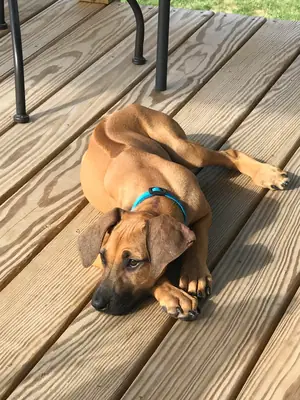
Haven't found the pet you're looking for? Let people who want to find a new home for their pet reach out to you.
Create your free pet adoption request listing now and be seen by thousands of pet owners.
Other listings in your area
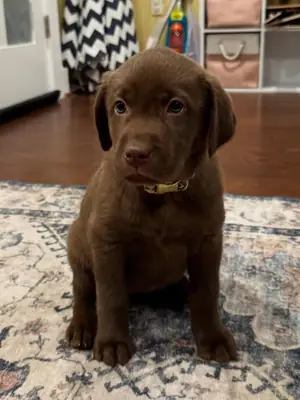
Cut Labrador retriever dog waiting for a forever home
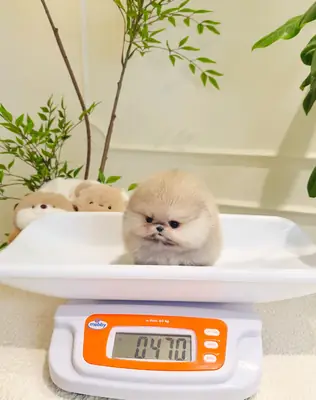
Pomeranian puppy waiting for a forever home
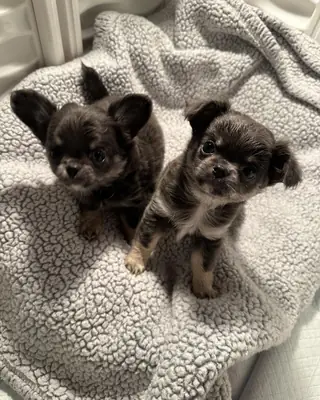
Chihuahua puppies for adoption
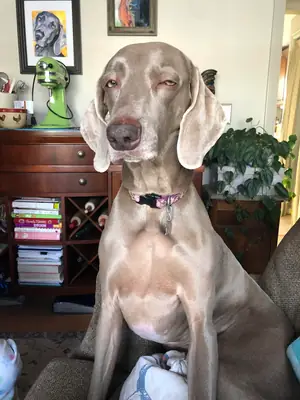
not the right environment for a weimaraner
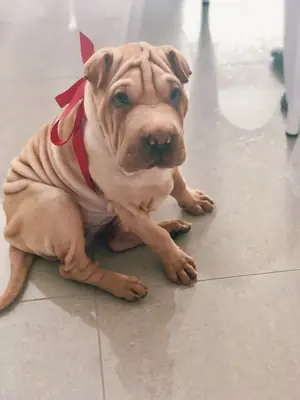
experienced owner preferred
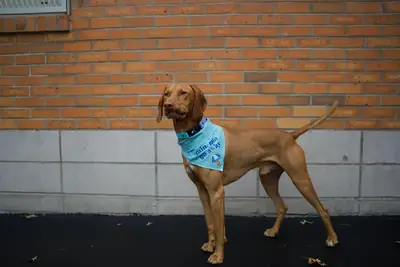
vizsla, needs a more active home
Popular Searches
Free Rhodesian Ridgeback adoption Durham
Free Rhodesian Ridgeback adoption in Durham should be judged by strength, temperament, prey drive and health history before emotion. A Ridgeback is a large, athletic dog with independent judgement, so the wrong home can quickly become overwhelmed by pulling, chasing, guarding or under-exercised behaviour.
On Petopic, strong adoption listings should explain age, microchip transfer, neutering, vaccination status, hip and elbow history, dermoid sinus notes, bloat awareness, recall, lead manners, prey drive, children, cats, other dogs and the real reason for rehoming. A calm sofa photo is not enough for this breed.
Rhodesian Ridgeback dogs for free adoption in Durham
Rhodesian Ridgeback dogs for free adoption in Durham can include adult companions, older puppies, senior dogs, rescue cases, retired breeding dogs and Ridgeback crosses needing a new home. The right match depends on control, routine and honesty, not just the breed’s impressive look.
The useful listing is the one that tells you how the dog lives: whether it pulls hard, chases cats, guards the home, settles indoors, accepts visitors, recalls safely, travels well and copes around other dogs.
Rhodesian Ridgeback rehoming Durham
Rhodesian Ridgeback rehoming in Durham often happens because of owner illness, housing changes, strength on lead, dog conflict, prey drive, separation stress, garden security, children, landlord rules or a dog needing more exercise than expected.
Ask why the Ridgeback is being rehomed, how long the current keeper has owned it, whether it has moved homes before and what has been difficult. “Needs more space” can mean anything from simple garden needs to serious behavioural pressure.
Rhodesian Ridgeback rescue Durham
Rhodesian Ridgeback rescue in Durham should be approached with patience and physical realism. A rescued Ridgeback may be calm and affectionate, but it may also be wary, powerful, dog-selective, difficult on lead or unsafe around small animals without careful management.
Ask about vet records, hip and elbow comfort, dermoid sinus history, neutering, weight, lead handling, recall, previous homes, visitors, children, cats and whether the dog has been assessed around livestock or fast-moving animals.
Rhodesian Ridgeback free to good home Durham
Rhodesian Ridgeback free to good home listings in Durham can be genuine, but free does not mean easy. This is a strong, athletic dog that needs training, secure space, proper exercise, good insurance planning and a handler who can manage size and independence.
A responsible listing should include microchip transfer, vaccination proof, neutering status, vet notes, behaviour detail, lead strength, recall, prey drive and a calm handover plan. If the dog must leave immediately with no proper questions, slow down.
Rhodesian Ridgeback adoption County Durham
Rhodesian Ridgeback adoption across County Durham may include Durham, Chester-le-Street, Bishop Auckland, Consett, Peterlee, Seaham, Darlington, Sunderland, Gateshead and Newcastle. A wider local search helps because genuine free Ridgeback rehoming is not common in every city.
Use local distance properly: meet the dog, check documents, watch the dog walk, test calm handling and discuss secure transport. Nearby is useful only when the dog’s history is honest.
Adult Rhodesian Ridgeback adoption Durham
Adult Rhodesian Ridgeback adoption in Durham can be smarter than chasing a puppy because size, prey drive, lead manners, recall, visitor behaviour and dog selectiveness are already visible.
Ask whether the adult Ridgeback is house trained, calm indoors, crate trained, safe with visitors, manageable on lead and able to settle after exercise. Adult behaviour gives you evidence that puppy photos cannot.
Senior Rhodesian Ridgeback adoption Durham
Senior Rhodesian Ridgeback adoption can suit a calm home that wants a dignified large dog with known habits. Older Ridgebacks may still be strong and alert, but age can make joint comfort, stairs, weight and medication more important.
Ask about hips, elbows, stiffness, appetite, teeth, lumps, medication, bloat history, exercise tolerance, stairs and whether the dog needs shorter walks or softer bedding. A senior Ridgeback needs comfort and honesty, not pity adoption.
Rhodesian Ridgeback puppy free adoption Durham
Rhodesian Ridgeback puppy free adoption in Durham should raise hard questions because Ridgeback puppies are high-interest, fast-growing dogs. A free puppy can be genuine, but it can also hide missing records, weak socialisation, fake photos or rushed rehoming.
Ask exact age, microchip status, vaccination plan, worming, flea treatment, parent background, dermoid sinus check, early handling, toilet routine and why such a large-breed puppy is being rehomed free.
Private Rhodesian Ridgeback rehoming Durham
Private Rhodesian Ridgeback rehoming in Durham can be genuine, but the adopter has to uncover the facts. Some owners minimise pulling, chasing, guarding, dog reactivity, garden escape attempts, anxiety or medical costs.
Ask for microchip transfer, vaccination records, vet history, normal walking videos, recall notes, visitor behaviour and the exact rehoming reason. A good keeper should care about the match, not just how quickly the dog leaves.
Retired breeding Rhodesian Ridgeback adoption Durham
Retired breeding Rhodesian Ridgeback adoption in Durham needs careful checking because the dog may be gentle but under-socialised, nervous indoors, untested around busy streets or behind on ordinary family routines.
Ask how many litters the dog had, whether it is neutered, whether it has lived as a family pet, whether it is house trained, whether vet records are available and whether hip, elbow or dermoid sinus history is clear.
Microchipped Rhodesian Ridgeback adoption Durham
A microchipped Rhodesian Ridgeback adoption listing should explain how keeper details will be transferred. The chip should match the dog, and the database transfer should be clear before handover.
Ask for the microchip number, database process and proof that the current keeper is allowed to rehome the dog. Identity details should be handled during adoption, not weeks later.
Vaccinated Rhodesian Ridgeback rehoming Durham
Vaccinated Rhodesian Ridgeback rehoming should state what has been given, what is due next and whether a vet record is available. “Healthy” is not the same as documented care.
Ask about boosters, flea treatment, worming, hip or elbow notes, bloat history, allergies, medication, previous surgery and any ongoing condition. Good adoption detail protects both the dog and adopter.
Neutered Rhodesian Ridgeback adoption Durham
Neutered Rhodesian Ridgeback adoption in Durham can reduce unwanted breeding and may help some management issues, but it does not automatically fix prey drive, pulling, guarding, dog selectiveness or poor recall.
Ask whether the dog is neutered, when it was done, whether recovery was normal and whether weight or behaviour changed afterwards. Adoption still needs training, structure and secure handling.
Rhodesian Ridgeback dermoid sinus adoption
Rhodesian Ridgeback dermoid sinus history should be asked about directly because it is a breed-specific condition linked to the skin and spine area. A dog may have been checked as a puppy, treated surgically or have no clear record at all.
Ask whether the dog was checked for dermoid sinus, whether surgery ever happened, whether there are scars along the ridge or neck and whether vet records confirm the outcome. Do not accept “never heard of it” as enough detail for this breed.
Rhodesian Ridgeback ridge check adoption
Rhodesian Ridgeback ridge checks matter because the ridge is the breed’s signature feature, but the adopter should care more about health than appearance. The ridge area should not hide lumps, scars, pain or unclear medical history.
Ask whether the dog has a full ridge, no ridge, scars, previous skin surgery or any tenderness along the back. A beautiful ridge is irrelevant if the dog’s health story is weak.
Rhodesian Ridgeback hip dysplasia adoption Durham
Rhodesian Ridgeback hip dysplasia history should be checked before adoption because this is a large, athletic dog that needs comfortable movement. Hip pain can affect walking, stairs, running, jumping into cars and daily confidence.
Ask whether the dog limps, bunny-hops, struggles to rise, avoids stairs, has x-rays, takes supplements or has exercise limits. A powerful stride in one video does not replace proper history.
Rhodesian Ridgeback elbow dysplasia adoption
Rhodesian Ridgeback elbow history matters because elbow discomfort can make a large dog stiff, lame or reluctant to exercise. This becomes expensive and limiting if ignored.
Ask whether the dog has elbow scores, x-rays, limping, stiffness after walks, pain medication or exercise restrictions. Adoption should be based on real movement, not only muscle and size.
Rhodesian Ridgeback JME adoption
Rhodesian Ridgeback JME adoption searches come from people checking breed-specific inherited risk. If the dog’s breeding background is known, ask whether any JME testing or parent information exists.
Ask whether the dog has ever had tremors, seizures, unusual jerking episodes or medication. A Ridgeback can still be adoptable with a medical history, but the adopter needs the truth before handover.
Rhodesian Ridgeback DM adoption Durham
Rhodesian Ridgeback DM background may matter when parent testing or health records are available. Movement issues in a large dog should never be dismissed as simple tiredness without context.
Ask whether testing exists, whether the dog drags feet, scuffs nails, shows weakness, loses coordination or has had neurological comments from a vet. Clear records protect the adopter and the dog.
Rhodesian Ridgeback bloat risk adoption
Rhodesian Ridgeback bloat awareness should be part of adoption planning because deep-chested large dogs can be at risk of gastric emergencies. This is not a casual topic to discover after collection.
Ask about feeding routine, exercise around meals, previous bloat signs, emergency vet access and whether the dog gulps food. A calm routine around meals matters for a Ridgeback home.
Rhodesian Ridgeback prey drive adoption Durham
Rhodesian Ridgeback prey drive should be asked about before adoption because these dogs may chase cats, rabbits, birds, livestock, deer, joggers or fast-moving animals if not managed carefully.
Ask what the dog chases, whether it can be recalled once focused, whether it has lived with cats and whether it has ever slipped a lead or escaped after wildlife. Prey drive is not solved by wishful thinking.
Rhodesian Ridgeback recall adoption Durham
Rhodesian Ridgeback recall is one of the biggest adoption checks. A Ridgeback with poor recall and high prey drive should not be trusted off lead in open spaces just because it is affectionate at home.
Ask whether the dog returns around dogs, people, wildlife, bikes and open fields. Durham countryside walks sound ideal only when the dog’s recall and management are realistic.
Rhodesian Ridgeback lead pulling adoption
Rhodesian Ridgeback lead pulling can make adoption unsafe if the adopter cannot physically manage a large dog. Strength on lead is not a small inconvenience; it affects walks, vet visits, traffic and dog encounters.
Ask for a normal walking video, not just a garden clip. Check how the dog behaves around traffic, other dogs, prams, runners and sudden movement before assuming daily walks will be simple.
Rhodesian Ridgeback exercise needs Durham
Rhodesian Ridgeback exercise needs are serious. Many Ridgebacks need proper physical activity, controlled freedom, training and mental engagement, not just a quick lead walk around the block.
Ask what exercise the dog currently gets, whether it becomes destructive when underworked, whether it can settle after activity and whether injury, age or heat affects its routine. Fitness and control must work together.
Rhodesian Ridgeback secure garden adoption
Rhodesian Ridgeback secure garden checks matter because a strong, alert dog with prey drive may chase movement, jump, push gates or test weak fencing. A garden is useful only if it is safe.
Ask whether the dog has escaped, dug, jumped, opened gates, chased cats through fences or barked at neighbours. A Ridgeback does not need a huge estate; it needs secure management and real exercise.
Rhodesian Ridgeback with children Durham
A Rhodesian Ridgeback with children can work when the dog is steady, socialised and the children understand boundaries. The risk is size, strength, excitement and knocking over small children by accident.
Ask whether the dog has lived with children, what ages, whether it guards food or sofas, whether it jumps up and whether it becomes restless in busy rooms. Family-friendly needs evidence, not hope.
Rhodesian Ridgeback with cats Durham
A Rhodesian Ridgeback with cats can work only if the dog has proven calm history and the cat has safe escape space. Prey drive makes “he seems friendly” a weak answer.
Ask whether the dog has lived with cats, whether it chases, stares, stalks, barks, mouths or can be redirected. A cat-safe claim needs real experience, not wishful thinking.
Rhodesian Ridgeback with other dogs Durham
A Rhodesian Ridgeback with other dogs can be social, selective or dominant depending on history, age and sex. Some live well with calm dogs; others need careful introductions or an only-dog home.
Ask whether the dog has lived with dogs, whether fights happened, whether same-sex dogs are an issue, whether it guards food and whether it reacts on lead. “Good with dogs” is too vague for a powerful breed.
Rhodesian Ridgeback guarding behaviour adoption
Rhodesian Ridgeback guarding behaviour should be asked about directly because some dogs are naturally alert, reserved with strangers or protective of home and family.
Ask whether the dog growls, blocks access, barks at visitors, guards food, protects one person or reacts to delivery drivers. Guarding is not “loyalty” if it makes ordinary life unsafe.
Rhodesian Ridgeback for first time owners Durham
Rhodesian Ridgeback adoption for first time owners is usually a hard match unless the dog is unusually steady and the adopter has strong support. Size, prey drive, independence and recall issues are not beginner-friendly mistakes.
A first-time adopter should avoid a Ridgeback with serious pulling, poor recall, guarding, dog aggression or high prey drive unless experienced help is already in place. This is not a breed to learn control after the problem appears.
Rhodesian Ridgeback for older people Durham
A Rhodesian Ridgeback for older people in Durham can work when the dog is calm, trained, medically stable and not too strong on lead. The wrong match is a young, powerful dog with weak recall and high chase drive.
Ask whether the dog pulls, jumps, reacts to dogs, needs long vigorous exercise or struggles with joints. A settled adult or senior Ridgeback may fit better than a young, undertrained one.
Rhodesian Ridgeback adoption for flats Durham
Rhodesian Ridgeback adoption for flats in Durham is possible only for the right individual dog and a very committed routine. Size, stairs, boredom, separation stress, hallway noise and exercise access all matter.
Ask whether the dog settles indoors, barks at corridor noise, manages stairs, can be left alone and gets enough structured outdoor activity. Flat-friendly means proven calm behaviour, not just a quiet advert.
Rhodesian Ridgeback adoption for runners Durham
Rhodesian Ridgeback adoption for runners in Durham can be attractive because the breed is athletic, but running should come after age, joint comfort, fitness and lead control are clear.
Ask whether the dog has been conditioned for running, whether hips or elbows are comfortable, whether it pulls, reacts to dogs or chases wildlife. A Ridgeback should not become a running partner before the body and behaviour are ready.
Rhodesian Ridgeback cross free adoption Durham
Rhodesian Ridgeback cross free adoption in Durham needs the same serious questions because Ridgeback traits can still come through strongly: prey drive, size, athleticism, independence and guarding.
Ask what the dog is crossed with, adult size, coat type, temperament, health history, recall, prey drive and whether Ridgeback-related concerns such as dermoid sinus or hip history have ever been mentioned.
Rhodesian Ridgeback adoption near Sunderland Newcastle Darlington
Rhodesian Ridgeback adoption near Sunderland, Newcastle, Gateshead, Darlington, Bishop Auckland, Consett, Peterlee and Chester-le-Street gives Durham adopters more realistic local options without rushing into the first free listing.
Short distance helps you meet properly, check paperwork, watch lead behaviour, discuss health history and plan a calm journey home. Nearby is useful only when the dog’s history is clear.
Rhodesian Ridgeback adoption scam Durham
Rhodesian Ridgeback adoption scams in Durham can use stolen photos, fake urgent rehoming stories, delivery-only offers, missing microchip details, no vet records and pressure for deposits or transport fees.
Ask for current videos, proof of ownership, microchip information, vet history, walking footage, recall notes and a safe viewing or collection plan. If the person avoids proof but pushes urgency, walk away.
Frequently Asked Questions
What should I check before adopting a Rhodesian Ridgeback in Durham?
Check the dog’s age, microchip transfer, neutering, vaccination history, vet records, hip and elbow notes, dermoid sinus history, JME or DM background, bloat awareness, prey drive, recall, lead strength, guarding, children, cats, other dogs and the reason for rehoming.
A Rhodesian Ridgeback is a large athletic hound, so adoption should be based on control, health and lifestyle fit, not just loyalty or appearance.
Can I adopt a Rhodesian Ridgeback for free in Durham?
You may find free Rhodesian Ridgeback rehoming listings in Durham, but free adoption still needs serious checks.
Ask for microchip details, vet records, vaccination history, neutering status, hip and elbow notes, behaviour history and a clear handover plan. Free does not mean low-cost or low-effort care.
Is a Rhodesian Ridgeback a good adoption dog?
A Rhodesian Ridgeback can be a brilliant adoption dog for an active, structured and confident home.
The adopter must be ready for strength, prey drive, independent thinking, secure outdoor space, proper exercise and careful introductions with people and pets.
Are Rhodesian Ridgebacks suitable for first-time dog owners?
A Rhodesian Ridgeback is usually a difficult choice for a first-time owner unless the dog is unusually steady and the adopter has strong support.
First-time adopters should be especially careful with pulling, poor recall, guarding, dog selectiveness and high prey drive.
Are Rhodesian Ridgebacks good with children?
Some Rhodesian Ridgebacks are good with children, especially when socialised and given clear boundaries.
Ask whether the dog has lived with children, what ages, whether it jumps up, guards food or toys, knocks children over or becomes stressed in busy rooms.
Can Rhodesian Ridgebacks live with cats?
Some Rhodesian Ridgebacks can live with cats, but only when they have proven calm history and the cat has safe escape spaces.
Ask whether the dog has lived with cats, whether it chases, stalks, stares, barks, mouths or can be redirected. Prey drive must be taken seriously.
Can Rhodesian Ridgebacks live with other dogs?
Some Rhodesian Ridgebacks live well with other dogs, while others are selective, dominant or better as the only dog.
Ask whether the dog has lived with dogs, whether fights happened, whether same-sex dogs are an issue, whether it guards food and whether it reacts on lead.
Do Rhodesian Ridgebacks have a strong prey drive?
Many Rhodesian Ridgebacks have a strong prey drive and may chase cats, rabbits, birds, livestock, deer or fast-moving animals.
Ask what the dog chases, whether recall works around wildlife and whether the dog has ever slipped a lead or escaped after prey.
Can a Rhodesian Ridgeback be trusted off lead?
Only some Rhodesian Ridgebacks can be trusted off lead, and only after strong recall has been proven around real distractions.
Ask whether the dog returns around wildlife, dogs, people, cyclists and open fields. Poor recall and high prey drive are a dangerous combination.
Do Rhodesian Ridgebacks pull on the lead?
Some Rhodesian Ridgebacks pull hard because they are large, strong and alert to movement.
Ask for a normal walking video and check how the dog behaves around traffic, dogs, runners, prams and sudden distractions.
How much exercise does a Rhodesian Ridgeback need?
A Rhodesian Ridgeback usually needs proper daily exercise, training and mental engagement.
The exact routine depends on age, health, joints, fitness and behaviour. A quick walk around the block is often not enough for a young or active Ridgeback.
Does a Rhodesian Ridgeback need a secure garden?
A secure garden is strongly useful for many Rhodesian Ridgebacks, but it does not replace walks, training or recall work.
Ask whether the dog has jumped, dug, pushed gates, chased animals through fences or barked at neighbours.
Can a Rhodesian Ridgeback live in a flat?
A Rhodesian Ridgeback may live in a flat only if the individual dog is calm indoors and the owner can provide serious outdoor exercise, training and routine.
Ask about barking, stairs, separation stress, hallway noise, lead control and whether the dog settles after activity.
Can Rhodesian Ridgebacks be left alone?
Some Rhodesian Ridgebacks can be left for short periods if trained gradually and given a stable routine.
Others bark, pace, chew, scratch doors, become destructive or become stressed. Ask how long the dog can be left and what happens during that time.
Do Rhodesian Ridgebacks guard their home?
Some Rhodesian Ridgebacks are naturally alert and may guard their home, family, food, resting spaces or garden.
Ask whether the dog barks at visitors, growls, blocks access, guards one person or reacts to delivery drivers. Guarding must be managed responsibly.
What is dermoid sinus in Rhodesian Ridgebacks?
Dermoid sinus is a breed-associated skin and tissue condition that should be checked in Rhodesian Ridgebacks.
Ask whether the dog was checked as a puppy, whether surgery ever happened, whether scars are present and whether vet records confirm the outcome.
Should I ask about hip dysplasia before adopting a Rhodesian Ridgeback?
Yes, hip comfort is important in a large, athletic breed.
Ask whether the dog limps, bunny-hops, struggles to rise, avoids stairs, has x-rays, takes supplements or has exercise limits.
Should I ask about elbow dysplasia before adoption?
Yes, elbow comfort matters because a large dog with elbow pain may become stiff, lame or reluctant to exercise.
Ask about elbow scores, x-rays, limping, stiffness after walks, pain medication and any exercise restrictions.
What is JME in Rhodesian Ridgebacks?
JME refers to juvenile myoclonic epilepsy, a condition that may be relevant in Rhodesian Ridgeback health discussions.
Ask whether parent testing or vet notes exist and whether the dog has ever had tremors, seizures, jerking episodes or medication.
Should I ask about DM in Rhodesian Ridgebacks?
Yes, if parent testing, breed background or movement concerns are available, DM should be part of the health conversation.
Ask whether the dog drags feet, scuffs nails, shows weakness, loses coordination or has had neurological comments from a vet.
Are Rhodesian Ridgebacks at risk of bloat?
Deep-chested large dogs can be at risk of bloat, so feeding routine and emergency awareness matter.
Ask about previous bloat signs, meal routine, exercise around food, fast eating and emergency vet access.
Are Rhodesian Ridgebacks good for runners?
A healthy adult Rhodesian Ridgeback may suit an active runner, but running should depend on age, fitness, joint comfort and lead control.
Do not run a young, unconditioned, injured or poorly controlled Ridgeback without proper build-up and vet guidance where needed.
Should an adopted Rhodesian Ridgeback be microchipped?
Yes, the dog should be microchipped and keeper details should be transferred correctly after adoption.
Ask for the chip number, database process and proof that the dog matches the listing before completing the handover.
Should vaccination status be clear before Rhodesian Ridgeback adoption?
Yes, vaccination status should be clear before adopting a Rhodesian Ridgeback.
Ask what has been given, what is due next, whether a vet record is available and whether flea and worm treatment are up to date.
Should a Rhodesian Ridgeback be neutered before rehoming?
Some adult Rhodesian Ridgebacks are neutered before rehoming, but not all.
Ask whether the dog is neutered, when it was done, whether recovery was normal and whether a vet has advised neutering if the dog is still entire.
Is a Rhodesian Ridgeback cross easier than a pure Ridgeback?
Not automatically. A Rhodesian Ridgeback cross may still have size, prey drive, athleticism, independence, guarding or recall challenges.
Ask what the dog is crossed with, adult size, temperament, health history, recall and prey drive before assuming it will be easier.
How do I avoid Rhodesian Ridgeback adoption scams?
Watch for stolen photos, urgent rehoming stories, delivery-only offers, missing microchip details, no vet records and pressure for deposits or transport fees.
Ask for current videos, proof of ownership, microchip information, vet history, walking footage, recall notes and a safe viewing or collection plan.
What should I prepare before bringing a Rhodesian Ridgeback home?
Prepare a strong collar or harness, secure lead, ID tag, suitable bed, bowls, familiar food, safe travel setup, secure garden plan, vet registration, insurance if possible and a calm sleeping area.
Keep the first week structured. Use controlled walks, slow introductions, secure doors and gates, careful recall management and early vet review if there are hip, elbow, dermoid sinus, bloat or pain concerns.