Free Adoption of Tonkinese Cats in Durham
There's 1 Tonkinese listing live right now, last updated 15 Apr 2026. Find Tonkinese cats for free a... There's 1 Tonkinese listing live right now, last updated 15 Apr 2026. Find Tonkinese cats for free adoption in Durham with the details careful adopters need before making contact: age, microchip statu... There's 1 Tonkinese listing live right now, last updated 15 Apr 2026. Find Tonkinese cats for free adoption in Durham with the details careful adopters need before making contact: age, microchip status, neutering, vaccinations, indoor or outdoor history, coat colour, eye colour, breed confirmation, litter habits, temperament, vocal behaviour, play level, time-alone tolerance and whether the cat can live with children, dogs or other cats. Tonkinese cats are affectionate, social, intelligent companion cats with lively personalities and strong people focus, so a good adoption match should focus on honest rehoming reasons, safe settling, enrichment, vet records, microchip transfer and realistic home routine across Durham and the North East rather than choosing only because the cat is free, rare-looking or described as low maintenance.
Haven't found the pet you're looking for? Let people who want to find a new home for their pet reach out to you.
Create your free pet adoption request listing now and be seen by thousands of pet owners.
Other listings in your area
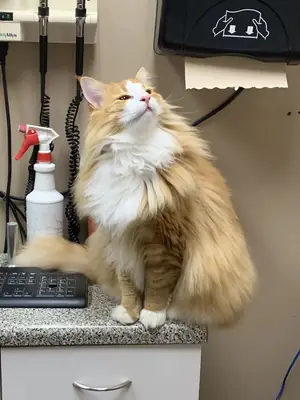
indoor cat, change in circumstances
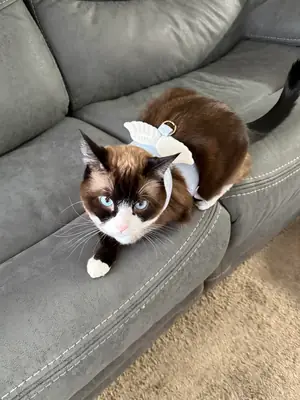
affectionate cat, left alone too often
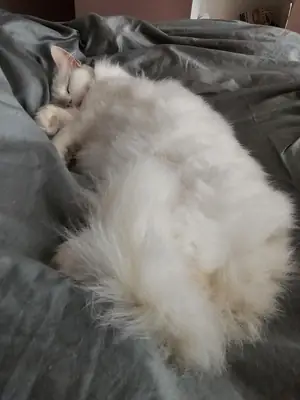
quiet cat, looking for a calmer home
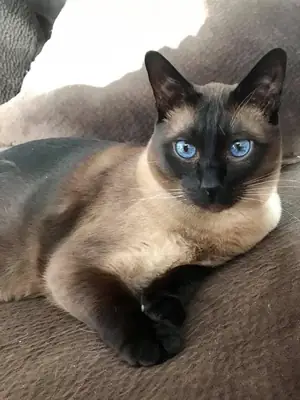
social cat, needs more attention
Popular Searches
Free Tonkinese adoption Durham
Free Tonkinese adoption in Durham should be treated as a careful cat-matching decision, not a quick way to get a rare, sociable cat without paying. A no-fee listing still needs clear detail about age, microchip, neutering, vaccinations, indoor or outdoor history, litter habits, temperament, vocal behaviour, health records and the real reason for rehoming.
Tonkinese cats are usually affectionate, alert and people-focused. The right home should be ready for interaction, play, climbing space, companionship and a safe settling routine rather than expecting a quiet cat that entertains itself all day.
Tonkinese cats for adoption Durham
Tonkinese cats for adoption in Durham can suit homes that want an affectionate, playful cat with plenty of personality. A good listing should explain the cat’s daily behaviour, not just show attractive coat colour or bright eyes.
Ask whether the cat follows people around, talks for attention, enjoys lap time, plays with toys, climbs, greets visitors, dislikes being alone or needs another pet for company.
Tonkinese rescue Durham
Tonkinese rescue in Durham often attracts adopters who already know the breed is social and interactive. That interest is good, but the rescue story still matters more than the breed label.
Ask whether the cat is being rehomed because of owner illness, moving home, pet conflict, stress, noise sensitivity, toileting problems, allergy issues or because the cat needs more attention than the household can give.
Tonkinese rehoming Durham
Tonkinese rehoming in Durham needs direct questions because the reason for rehoming changes the whole adoption decision. A cat rehomed because of a landlord issue is different from one being moved because it cries when alone, bullies another cat or cannot cope with a busy home.
Ask how long the current owner has had the cat, whether breed paperwork exists, whether the microchip can be transferred, how the cat behaves at night and what kind of routine keeps it settled.
Tonkinese free to good home Durham
Tonkinese free to good home Durham searches need a serious filter. “Good home” should mean microchip transfer, vet budget, daily attention, safe windows, enrichment, litter hygiene, scratching areas, climbing space and a home that understands a social cat.
Before adopting, ask whether the cat is neutered, vaccinated, indoor-only, used to children, comfortable with other pets and genuinely able to cope with your working hours.
Free Tonkinese kittens Durham
Free Tonkinese kittens in Durham will attract quick attention because the breed is not common and kittens are highly desirable. That makes careful checking even more important.
A kitten listing should include exact age, microchip status, vaccination plan, worming, flea treatment, litter progress, diet, handling, socialisation and why the kitten is being offered for adoption. A cute kitten photo is not enough proof.
Adult Tonkinese adoption Durham
Adult Tonkinese adoption in Durham can be smarter than chasing kittens because the cat’s real personality, vocal level, confidence, pet tolerance, litter habits and attention needs are already easier to judge.
Ask whether the cat is cuddly, demanding, independent, playful, nervous with visitors, noisy at night, good with other cats and whether it can settle while the owner is out.
Senior Tonkinese adoption Durham
Senior Tonkinese adoption in Durham can be a lovely match for a calm home, but older cats need honest planning around teeth, kidneys, weight, joints, appetite, hearing, eyesight, medication and litter tray access.
Ask about recent vet notes, drinking habits, mobility, dental work, night-time behaviour, appetite changes and whether the cat still enjoys play or prefers quieter companionship.
Tonkinese adoption near me Durham
Tonkinese adoption near me in Durham often includes Chester-le-Street, Bishop Auckland, Consett, Darlington, Sunderland, Newcastle, Gateshead, Hartlepool, Stockton and wider North East searches.
Local distance helps with calmer handover and follow-up questions, but nearby is not enough. A local Tonkinese with no microchip detail, vague health notes or unclear rehoming reason is still a weak adoption option.
Tonkinese rescue North East
Tonkinese rescue North East searches usually come from adopters who are willing to travel for a rarer breed. Use that reach carefully rather than rushing because the cat looks hard to find.
Compare listings by microchip transfer, vet records, behaviour history, indoor safety, social needs, pet compatibility and whether the current home can explain the cat’s daily routine clearly.
Rare Tonkinese cat adoption Durham
Rare Tonkinese cat adoption in Durham can create urgency, and urgency is where adopters make poor decisions. A rare-looking cat still needs microchip transfer, vet records, temperament notes and a safe handover.
Do not let rarity hide weak information. Ask for current photos, videos, paperwork if available, health notes and a clear explanation of why the cat is being rehomed.
Tonkinese breed verification adoption
Tonkinese breed verification matters because some pointed, mink or Burmese-type cats may be described as Tonkinese without proof. That does not make them bad cats, but it changes expectations.
Ask whether registration papers, breeder history, rescue notes or vet records support the breed claim. Adopt the actual cat in front of you, not a fantasy built around a label.
Mink Tonkinese adoption Durham
Mink Tonkinese adoption in Durham attracts people who like the soft coat shading and distinctive eye colour. Coat pattern should come after health, temperament and home suitability.
Ask about microchip status, neutering, vaccination history, litter habits, social behaviour, time-alone tolerance and whether the cat is confident, noisy, clingy or relaxed in everyday life.
Aqua eyed Tonkinese adoption Durham
Aqua eyed Tonkinese adoption in Durham can pull in appearance-led searches because the eye colour is part of the breed’s appeal. That look is not a full adoption history.
Ask whether the cat has clear, comfortable eyes, whether any discharge or squinting has been noticed and whether current photos show the cat as it looks now, not only an old perfect picture.
Pointed Tonkinese adoption Durham
Pointed Tonkinese adoption in Durham can interest people who like Siamese-style shading with a softer look. The colour pattern should not distract from practical checks.
Ask about temperament, vocal level, indoor history, litter habits, microchip transfer, vet records and whether the cat needs a lively home, a quiet home or another friendly pet for company.
Solid Tonkinese adoption Durham
Solid Tonkinese adoption in Durham may be less obvious to people expecting only mink or pointed colouring. Do not reject or choose a cat based only on colour depth.
Ask whether breed history is clear, whether the cat is healthy, whether the coat is clean and glossy and whether the cat’s personality fits your actual home routine.
Chocolate Tonkinese adoption Durham
Chocolate Tonkinese adoption in Durham can attract colour-focused adopters, but coat shade should never outrank behaviour and health. A beautiful colour does not prove the cat is confident, well-socialised or easy to live with.
Ask about litter use, appetite, grooming, vet notes, indoor safety, temperament, vocal habits and whether the cat has lived with children, cats or dogs before.
Blue Tonkinese cat adoption Durham
Blue Tonkinese cat adoption in Durham may appeal to people looking for a cooler grey-toned coat. Colour can help compare listings, but it should not create blind urgency.
Ask for current photos, microchip transfer, vaccination status, neutering, vet notes and a clear behaviour description. A rare-looking shade is not a reason to skip the basics.
Lilac Tonkinese adoption Durham
Lilac Tonkinese adoption in Durham is likely to be a narrow, high-interest search. That makes careful checking more important, not less.
Ask whether the colour and breed are confirmed, whether paperwork exists, whether the cat is healthy and whether the adopter is choosing the cat for temperament and fit rather than only because the shade feels unusual.
Short haired Tonkinese adoption Durham
Short haired Tonkinese adoption in Durham may sound low-maintenance, and the coat is usually easier than longhaired breeds. That does not mean the cat is low-effort emotionally.
Ask about play needs, attention seeking, vocal behaviour, boredom, scratching, climbing and whether the cat needs another pet or more human company than your schedule can offer.
Indoor Tonkinese adoption Durham
Indoor Tonkinese adoption in Durham can work well when the home provides attention, climbing, play, scratching areas, window views and safe hiding spots. Indoor life fails when the cat is simply bored.
Ask whether the cat has always lived indoors, whether it door-dashes, whether it cries at windows and whether the adopter can provide enough activity without outdoor risk.
Tonkinese for flat living Durham
A Tonkinese can live in a Durham flat if the space is enriched and the cat is not left bored. The issue is not only floor space; it is company, sound, climbing, play and routine.
Ask whether the cat vocalises when alone, scratches furniture, climbs shelves, opens doors, cries at night or needs a second pet for companionship. Flat suitability is about stimulation, not just size.
Talkative Tonkinese adoption Durham
Talkative Tonkinese adoption in Durham should be discussed honestly. Some Tonkinese cats are chatty and expressive, especially when they want food, attention, play or access to a closed room.
Ask whether the cat calls at night, talks to visitors, cries when alone, follows people while vocalising or becomes louder when bored. “Talkative” is charming only if the household can live with it.
Social Tonkinese cat adoption
Social Tonkinese cat adoption should focus on how the cat actually interacts day to day. Some want laps, some follow from room to room, some greet visitors, and some become stressed when ignored.
Ask whether the cat likes being picked up, sleeps near people, plays with guests, demands attention, becomes jealous of other pets or needs a home where someone is around often.
Playful Tonkinese adoption Durham
Playful Tonkinese adoption in Durham should make enrichment part of the decision. This is not the right match for a home that wants a decorative cat with no daily interaction.
Ask what the cat plays with, whether it likes wand toys, fetch, tunnels, puzzle feeders, climbing shelves, chasing games or water play. Boredom can become mischief fast.
Intelligent Tonkinese cat adoption
Intelligent Tonkinese cat adoption should not be treated as a cute bonus. A clever cat may open cupboards, learn routines, demand games, work out doors and become frustrated if the home is too dull.
Ask whether the cat needs puzzle toys, whether it steals food, whether it gets into cupboards, whether it learns tricks and whether the adopter can provide enough mental stimulation.
Tonkinese with children Durham
A Tonkinese with children in Durham can work well when the cat is confident and the children understand respectful handling. This breed can enjoy interaction, but that does not mean it should be grabbed or chased.
Ask whether the cat has lived with children, what ages it knows, whether it scratches when overstimulated, whether it hides from noise and whether it prefers older, calmer children.
Tonkinese with dogs Durham
A Tonkinese with dogs in Durham can work if the cat has suitable dog experience and the dog is calm, cat-friendly and well managed. A bold cat may cope with dogs, but chasing can destroy trust quickly.
Ask whether the cat has lived with dogs, whether it hides, swipes, freezes or relaxes around them and whether the home can provide safe rooms and slow introductions.
Tonkinese with other cats Durham
A Tonkinese with other cats may be friendly, playful, bossy or selective depending on the individual cat. Many social cats enjoy company, but territory and personality still matter.
Ask whether the cat has lived with cats, whether it shares food, litter trays, beds and owner attention, and whether slow scent introductions are needed after adoption.
Tonkinese companion cat Durham
Tonkinese companion cat adoption in Durham should focus on whether the cat wants constant people time, another cat, or a home where someone is around for much of the day.
Ask whether the cat becomes lonely, whether it follows people around, whether it settles with another pet and whether it has ever shown stress when left alone for long working hours.
Tonkinese cat left alone
Tonkinese cat left alone searches matter because this breed is often people-focused and can become frustrated or noisy without enough company. Some cats cope with routine; others do badly in empty homes.
Ask how long the cat is normally left, whether it cries, scratches, overgrooms, stops eating, becomes clingy or needs another pet. Do not adopt a highly social cat into a lonely routine.
Tonkinese litter tray habits adoption
Tonkinese litter tray habits should be checked before adoption because stress, dirty trays, territory conflict, pain and sudden routine changes can all affect toileting.
Ask whether the cat uses an open or covered tray, whether accidents happen, whether litter type matters, whether spraying has occurred and whether a vet checked for urinary issues if accidents are recent.
Tonkinese scratching furniture adoption
Tonkinese scratching furniture should be discussed before adoption because an active, social cat needs proper scratching outlets and vertical territory. Scratching is normal; unmanaged scratching becomes conflict.
Ask what scratching posts the cat uses, whether it scratches sofas, carpets or doors, whether boredom triggers it and whether the adopter can provide tall posts, mats and play before blaming the cat.
Tonkinese climbing cat adoption
Tonkinese climbing cat adoption should prepare the home for height. Many active cats enjoy shelves, tall cat trees, window perches and safe places to watch the room from above.
Ask whether the cat jumps onto counters, climbs curtains, knocks things down, uses cat trees or needs a home that can provide vertical space instead of punishing normal behaviour.
Tonkinese dental care adoption
Tonkinese dental care should be checked before adoption because dental pain can hide behind normal eating and affectionate behaviour. Bad breath, drooling, pawing at the mouth or avoiding hard food are warning signs.
Ask when the cat last had a dental check, whether teeth have been removed, whether it eats comfortably and whether vet notes are available.
Tonkinese eye problems adoption
Tonkinese eye problems should be asked about if there is squinting, discharge, cloudiness, redness, rubbing or poor navigation in dim light. Eye colour is attractive, but comfort matters more.
Ask whether a vet has checked the eyes, whether medication is used and whether the cat sees confidently in unfamiliar rooms, stairs or low-light areas.
Tonkinese heart murmur adoption
Tonkinese heart murmur adoption questions matter because heart notes should be clear for any pedigree or suspected pedigree cat. The cat may be healthy, but vague answers are not enough if a vet has ever mentioned a murmur.
Ask whether a murmur, scan, medication, fast breathing, fainting or exercise intolerance has ever been discussed. Honest health unknowns are better than confident guesses.
Tonkinese kidney health adoption
Tonkinese kidney health should be discussed for adult and senior cats, especially if the cat drinks more, urinates more, loses weight, eats less or has recent blood test notes.
Ask about appetite, drinking, litter tray volume, weight changes, medication, diet and whether recent vet records include blood or urine results.
Tonkinese urinary problems adoption
Tonkinese urinary problems should be asked about if the cat has accidents, strains, cries in the tray, passes blood, urinates often or avoids the litter tray. Stress and health can both be involved.
Ask whether a vet checked urine, whether diet changes were needed, whether stress triggers accidents and whether the cat needs a very stable litter setup after adoption.
Tonkinese weight adoption Durham
Tonkinese weight adoption checks matter because a sleek coat can hide whether a cat is lean, underweight or carrying too much weight. Body condition affects jumping, play, grooming and long-term health.
Ask current weight, appetite, food type, activity level, recent weight change and whether a vet has advised weight gain or weight loss.
Microchipped Tonkinese adoption Durham
Microchipped Tonkinese adoption in Durham should include a clear keeper transfer process. The chip should match the cat, and the adopter should know how the details will be updated after handover.
This matters even for indoor cats. A newly adopted Tonkinese can hide, slip outside, panic in a new area or fail to come when called if frightened.
Vaccinated Tonkinese rehoming Durham
Vaccinated Tonkinese rehoming in Durham should state what has been given, what is due next and whether a vet record is available. “Healthy” without detail is too thin for a serious adoption decision.
Ask about boosters, flea treatment, worming, dental checks, appetite, weight, skin, coat condition and any medication or recent illness.
Neutered Tonkinese adoption Durham
Neutered Tonkinese adoption in Durham can make adult rehoming simpler, but it does not replace checks on behaviour, litter habits, microchip transfer, health or pet compatibility.
Ask whether the cat is neutered, whether proof exists, whether recovery was normal and whether any spraying, roaming, weight or urinary changes were noticed afterwards.
Private Tonkinese rehoming Durham
Private Tonkinese rehoming in Durham can be genuine, but it needs careful checking. Some owners are honest; others may minimise stress, toileting problems, conflict with other pets, no paperwork, hidden vet costs or how demanding the cat is for attention.
Ask for microchip details, vet records, vaccination status, neutering proof, behaviour history, recent videos and the exact reason for rehoming. A responsible owner should care where the cat goes, not just how quickly it leaves.
Tonkinese adoption scam Durham
Tonkinese adoption scams in Durham can use stolen photos, rare-breed claims, kitten pictures, urgent transport fees, delivery-only offers and vague answers about ownership or vet history.
Ask for current videos, proof of ownership, microchip details, vet notes, a clear rehoming reason and a safe meeting plan. If the cat is supposedly free but the pressure is high, stop.
Durham North East Tonkinese adoption
Durham, Chester-le-Street, Bishop Auckland, Consett, Darlington, Sunderland, Newcastle, Gateshead, Hartlepool, Stockton and wider North East areas are realistic local search zones for Tonkinese adoption.
Use that reach properly: compare microchip transfer, vet records, litter habits, indoor safety, vocal behaviour, pet compatibility, social needs and rehoming reason before arranging collection. The closest Tonkinese is not automatically the right Tonkinese.
Frequently Asked Questions
What should I check before adopting a free Tonkinese cat in Durham?
Check the cat’s age, microchip, vaccination status, neutering, vet records, indoor or outdoor history, litter habits, temperament, vocal behaviour, time-alone tolerance and reason for rehoming.
For Tonkinese cats, also ask whether breed history is confirmed, whether the cat needs lots of company, whether it has lived with children or pets and whether the home can provide enough play and enrichment.
Is a Tonkinese a good adoption cat?
Yes, a Tonkinese can be a wonderful adoption cat for the right home. Many are affectionate, playful, social and people-focused.
The adopter should still be ready for attention, play, climbing space, safe settling, microchip transfer and a routine that does not leave the cat bored or lonely.
Can I adopt a Tonkinese cat for free in Durham?
Free Tonkinese adoption listings may appear in Durham, but availability can be limited because the breed is not common.
Do not choose only because there is no fee. Check microchip transfer, health records, breed honesty, behaviour, litter habits and the real reason for rehoming before committing.
How do I know if a cat is really Tonkinese?
Breed paperwork, breeder history or clear rescue notes give stronger confidence than appearance alone.
Some cats with pointed, mink or Burmese-type looks may be described as Tonkinese without proof, so ask whether the breed is confirmed or only suspected.
Are Tonkinese cats rare in the UK?
Tonkinese cats are less commonly seen than many household cat types, so adoption listings may be limited and may attract quick interest.
Rarity should not rush the decision. Health, temperament, microchip transfer and home suitability still matter more than the label.
Are Tonkinese cats affectionate?
Many Tonkinese cats are affectionate and enjoy being close to people.
Ask whether the individual cat likes laps, being picked up, sleeping near people, greeting visitors or following the owner around the home.
Are Tonkinese cats talkative?
Many Tonkinese cats can be vocal and expressive, especially when they want attention, food, play or access to a room.
Ask whether the cat cries at night, calls when left alone, talks to visitors or becomes louder when bored.
Can Tonkinese cats be left alone?
Some Tonkinese cats cope with a predictable routine, but many are social cats that need attention and stimulation.
Ask how long the cat is usually left, whether it cries, scratches, overgrooms, stops eating, becomes clingy or needs another pet for companionship.
Are Tonkinese cats good indoor cats?
Yes, a Tonkinese can live well indoors when the home provides play, climbing space, scratching areas, window views, hiding spots and daily interaction.
Indoor life should not mean boredom. A social, clever cat needs things to do and people who spend time with it.
Can a Tonkinese live in a flat in Durham?
Yes, a Tonkinese can live in a flat if the home is enriched, secure and not too lonely.
Provide climbing space, safe windows, toys, scratching areas, clean litter trays and enough daily play to prevent boredom and vocal frustration.
Should an adopted Tonkinese be microchipped?
Yes, the cat should be microchipped and the keeper details should be transferred correctly after adoption.
Ask how the microchip transfer will be handled before collection, even if the cat is indoor-only.
Should a Tonkinese be vaccinated before adoption?
Vaccination status should be clear before adoption. Ask what has been given, what is due next and whether a vet record is available.
Also ask about flea treatment, worming, recent illness, appetite, weight, dental checks and any current medication.
Should a Tonkinese be neutered before rehoming?
Many adult rehomed cats are neutered, but not all. Ask whether the Tonkinese is neutered and whether proof or vet notes are available.
If the cat is not neutered, ask whether a vet has advised timing and whether the adopter is expected to arrange it.
Do Tonkinese cats need much grooming?
Tonkinese cats usually have short coats, so grooming is often simpler than with longhaired breeds.
They still need coat checks, gentle brushing, nail care and monitoring for skin, weight or coat changes.
Do Tonkinese cats shed?
Tonkinese cats can shed like other shorthaired cats, though coat care is usually manageable.
Ask whether the cat sheds heavily, has dandruff, overgrooms, loses hair or has any skin irritation.
Are Tonkinese cats playful?
Many Tonkinese cats are playful, intelligent and curious.
Ask what the cat enjoys: wand toys, fetch, tunnels, puzzle feeders, climbing, chasing games or interactive play with people.
Do Tonkinese cats need another cat?
Some Tonkinese cats enjoy feline company, while others are selective or prefer being the only cat.
Ask whether the cat has lived with other cats, whether it shares space calmly and whether loneliness or boredom appears when it is alone.
Are Tonkinese cats good with children?
Some Tonkinese cats can live well with respectful children, especially if they are confident and used to family life.
Ask whether the cat has lived with children, what ages it knows and whether it dislikes being grabbed, chased or forced into cuddles.
Can Tonkinese cats live with dogs?
A Tonkinese may live with calm, cat-friendly dogs if it has suitable history and slow introductions are managed properly.
Ask whether the cat has lived with dogs, whether it hides, swipes, freezes or relaxes around them.
Can Tonkinese cats live with other cats?
Some Tonkinese cats can live with other cats, while others are selective or prefer being the only cat.
Ask whether the cat has shared food, litter trays, resting spots and owner attention before, and use slow scent introductions after adoption.
Are Tonkinese cats good for first-time cat owners?
A Tonkinese can suit a first-time cat owner who wants an interactive, social cat and is ready to provide attention and enrichment.
It may be a poor match for someone who wants a very quiet, independent cat that can be ignored for long hours.
What health issues should I ask about in a Tonkinese?
Ask about dental health, heart murmurs, kidney health, urinary problems, weight, appetite, eyesight, skin, coat condition, previous illness and medication.
The cat does not need a perfect health history to be adoptable, but the history should be clear and honest.
Should I ask about dental care in a Tonkinese?
Yes. Dental pain can hide behind normal eating and affectionate behaviour.
Ask when the cat last had a dental check, whether teeth have been removed, whether it eats comfortably and whether bad breath or gum problems have been noticed.
Should I ask about heart murmurs in a Tonkinese?
Yes, it is sensible to ask whether a vet has ever mentioned a heart murmur, scan, fast breathing, fainting or medication.
The cat may be healthy, but clear vet history is better than vague reassurance.
Should I ask about urinary problems in a Tonkinese?
Yes, especially if the cat has accidents, strains, cries in the tray, passes blood, urinates often or avoids the litter tray.
Ask whether a vet checked urine, whether diet changes were needed and whether stress has triggered problems before.
Is a senior Tonkinese a good adoption choice?
A senior Tonkinese can be a lovely adoption choice for a calm home that can manage vet care, teeth, weight, litter access and gentle play.
Ask about appetite, drinking, mobility, medication, eyesight, hearing, recent vet notes and whether the cat still enjoys interaction.
How do I avoid Tonkinese adoption scams in Durham?
Watch for stolen photos, rare-breed claims, delivery-only offers, urgent transport fees, missing microchip details, vague vet records and pressure to decide quickly.
Ask for current videos, proof of ownership, microchip information, vet notes, a clear rehoming reason and a safe meeting plan.
What should I prepare before bringing a Tonkinese home?
Prepare a quiet starter room, litter tray, familiar food, water bowls, scratching areas, cat tree, toys, carrier, vet registration and secure windows.
Keep the first week calm. Do not rush visitors, full-house access, other pets or outdoor time before the cat has settled and the microchip transfer is complete.