Free Turkish Angora Cat Adoption in Durham
There's 1 Turkish Angora listing live right now, last updated 6 Apr 2026. Find free Turkish Angora c... There's 1 Turkish Angora listing live right now, last updated 6 Apr 2026. Find free Turkish Angora cat adoption listings in Durham for people who want an elegant, intelligent and affectionate long-hai... There's 1 Turkish Angora listing live right now, last updated 6 Apr 2026. Find free Turkish Angora cat adoption listings in Durham for people who want an elegant, intelligent and affectionate long-haired cat but understand that this breed is lively, people-focused and not just a pretty white coat. Turkish Angoras can be playful, vocal, curious and strongly attached to their homes, so adopters should check microchip transfer, vaccinations, neutering, litter training, coat condition, brushing tolerance, shedding, indoor or secure outdoor routine, deafness risk in white or blue-eyed cats, hearing response, eye colour, heart history, dental care, weight, behaviour with children, dogs and other cats, confidence with visitors, vet records and the real reason for rehoming across Durham, Chester-le-Street, Bishop Auckland, Darlington, Sunderland, Newcastle, Gateshead, Hartlepool, Middlesbrough and County Durham.
Haven't found the pet you're looking for? Let people who want to find a new home for their pet reach out to you.
Create your free pet adoption request listing now and be seen by thousands of pet owners.
Quick Information
Other listings in your area
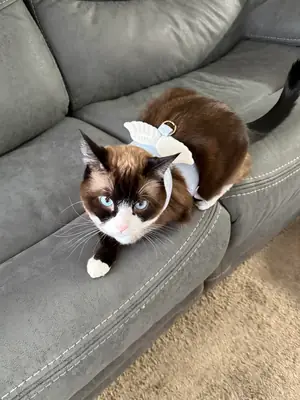
affectionate cat, left alone too often
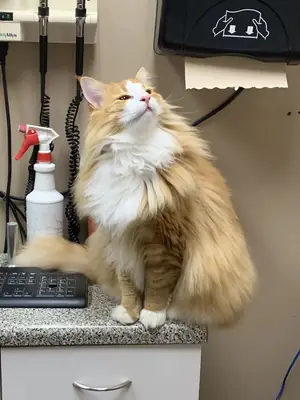
indoor cat, change in circumstances
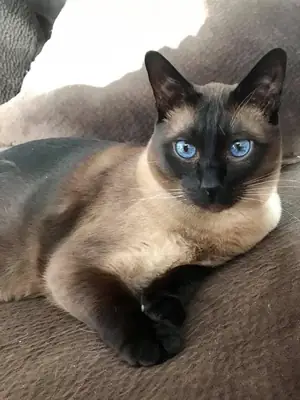
social cat, needs more attention
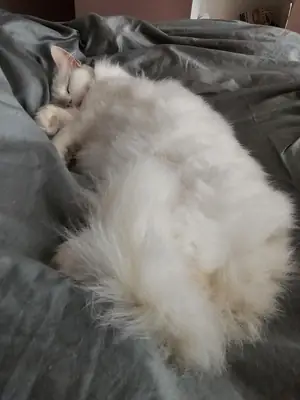
quiet cat, looking for a calmer home
Popular Searches
Free Turkish Angora adoption Durham
Free Turkish Angora adoption in Durham should be judged by the cat’s real health, behaviour and history, not only by a white coat, bright eyes or elegant photos. A Turkish Angora can be affectionate and graceful, but it is also active, curious and often strongly bonded to people.
A useful listing on Petopic should explain age, microchip transfer, vaccination status, neutering, litter habits, coat condition, grooming routine, hearing response, eye colour, indoor or outdoor history, vet records, behaviour with children and pets, and why the cat needs a new home.
Turkish Angora cat adoption Durham
Turkish Angora cat adoption in Durham usually attracts people who want a beautiful, social and intelligent cat with a refined look. That is fine, but this breed should not be treated as a quiet decoration for the sofa.
Ask whether the cat plays actively, follows people, dislikes being ignored, climbs furniture, accepts brushing, uses the litter tray reliably and copes with visitors. The right Turkish Angora should match the home’s energy, not just its taste in cats.
Turkish Angora rescue Durham
Turkish Angora rescue in Durham is a strong search for adopters who want a rare-looking cat with clearer behaviour notes. A rescued Turkish Angora may be friendly and confident, but it may also need patience with settling, grooming, noise sensitivity or hearing-related routines.
Look for details on temperament, handling, litter habits, food, coat care, hearing response, indoor safety, children, dogs, other cats, vet history and whether the cat needs a calm home or a busier interactive household.
Turkish Angora rehoming Durham
Turkish Angora rehoming in Durham needs a clear reason. Owner illness, moving home or allergy is very different from rehoming caused by stress, toileting problems, pet conflict, grooming neglect, loud vocal behaviour or a cat that needs more attention than expected.
Before collection, understand the cat’s normal day: where it sleeps, how it plays, whether it follows people, how it reacts to being brushed, whether it hears normally and whether it has lived indoors or had outdoor access.
Free to good home Turkish Angora Durham
Free to good home Turkish Angora listings in Durham can be genuine, but the handover still needs proper evidence. A rare-looking cat being free should make you ask more questions, not fewer.
Ask for proof of ownership, microchip transfer, vaccination history, neutering status, litter routine, grooming notes, hearing response, vet records and the exact reason for rehoming. Free without detail is not a bargain; it is a risk.
Turkish Angora cats for adoption County Durham
Turkish Angora cats for adoption across County Durham may appear around Durham, Chester-le-Street, Bishop Auckland, Darlington, Seaham, Peterlee, Consett, Stanley and nearby North East areas. A wider local search helps because this is not one of the most common cat breeds.
Use local access properly: meet the cat calmly, check coat and body condition, confirm microchip details, ask for vet notes and watch how the cat reacts to sound, movement, handling and strangers.
White Turkish Angora adoption Durham
White Turkish Angora adoption in Durham is one of the highest-intent searches because the classic white coat is what many people imagine first. That look is striking, but health and hearing checks matter more than colour.
Ask whether the cat hears normally, whether one or both ears are affected, whether eye colour is blue, amber, green or odd-eyed, and whether the cat has been kept safely indoors or allowed outside without hearing-related risk planning.
Blue eyed Turkish Angora adoption Durham
Blue eyed Turkish Angora adoption is a beautiful search but a dangerous one if the adopter only sees the eyes. White cats with blue eyes can have a higher chance of hearing problems, so the listing should be direct about hearing.
Ask whether the cat responds to sound, whether a vet has discussed deafness, whether the cat startles easily, whether it is indoor-only and whether the home can keep it safe without relying on sound cues.
Odd eyed Turkish Angora adoption Durham
Odd eyed Turkish Angora adoption in Durham attracts people who want a rare, memorable look. One blue eye and one different-coloured eye can be striking, but it should still trigger hearing and safety questions.
Ask whether the cat hears in both ears, whether one side seems weaker, whether it reacts to calls from different directions and whether the owner has adjusted routine for any hearing difference. Eye colour should never replace health detail.
Deaf Turkish Angora adoption Durham
Deaf Turkish Angora adoption in Durham can be a good match for the right home, but the adopter needs to plan properly. A deaf cat may live happily indoors, but it needs visual routines, safe handling and protection from traffic and outdoor danger.
Ask whether the cat is fully deaf or partly deaf, how it wakes, whether it startles, whether it is indoor-only, whether it uses visual signals and whether children or visitors understand not to surprise it from behind.
Long haired white cat adoption Durham
Long haired white cat adoption in Durham often catches users who do not know the Turkish Angora name yet. This is exactly why the page should answer coat, grooming, shedding, eye colour and hearing intent clearly.
Ask whether the coat mats, whether the cat tolerates brushing, whether tear staining is present, whether the cat sheds heavily and whether the white coat hides skin or ear issues. A pretty long-haired cat still needs practical care.
Elegant long haired cat adoption Durham
Elegant long haired cat adoption is a softer search that can lead to Turkish Angoras because of their fine-boned shape, silky coat and alert expression. But elegance does not mean low energy.
Ask whether the cat climbs, plays, opens cupboards, follows people, becomes bored alone or demands attention. A Turkish Angora can be graceful and mischievous at the same time.
Ankara cat adoption Durham
Ankara cat adoption in Durham may be searched by people who know the Turkish Angora’s origin name. It is a useful related term, but the same adoption checks still matter.
Ask whether the cat is genuinely described as Turkish Angora, Turkish Angora mix or simply a white long-haired domestic cat. The label helps search, but the individual cat’s health and behaviour decide the match.
Turkish Angora mix adoption Durham
Turkish Angora mix adoption in Durham can be a strong option when the cat has the silky coat, slim body or social personality without full pedigree proof. A good mix with honest information can beat a vague purebred claim.
Focus on the cat in front of you: microchip transfer, health, hearing, litter habits, grooming needs, confidence, behaviour with pets and home suitability. Breed label is useful only when the care details are clear.
Pedigree Turkish Angora adoption Durham
Pedigree Turkish Angora adoption in Durham should include clear background, but documents alone do not make the cat the right match. A pedigree cat can still have stress, hearing issues, litter problems or behaviour needs.
Ask for documents if pedigree status is claimed, then still check vet records, microchip transfer, hearing response, grooming routine, litter habits, temperament and the real reason for rehoming.
Turkish Angora kitten adoption Durham
Turkish Angora kitten adoption in Durham gets attention because kittens look delicate, bright and unusual. That appeal should make the checks stricter, not weaker.
Ask about age, microchip, vaccinations, flea and worming treatment, litter training, early brushing, hearing response, eye colour, socialisation, parent background where known and whether the kitten is ready to leave safely.
Adult Turkish Angora adoption Durham
Adult Turkish Angora adoption in Durham can be smarter than chasing a kitten because the cat’s real personality, hearing, coat needs and home habits are already visible.
Ask whether the adult cat is neutered, litter trained, friendly with visitors, demanding for attention, vocal, good with pets, comfortable indoors and easy to groom. Adult truth is often more useful than kitten guessing.
Senior Turkish Angora adoption Durham
Senior Turkish Angora adoption in Durham can suit a calmer home that wants a settled, affectionate cat. Older Turkish Angoras may still be playful and people-focused, but they need realistic care around teeth, heart, hearing, weight and mobility.
Ask about appetite, drinking, dental care, heart checks, eyesight, hearing, arthritis, grooming tolerance, medication, litter habits and recent vet notes. A senior cat deserves comfort and full information, not vague sympathy.
Indoor Turkish Angora adoption Durham
Indoor Turkish Angora adoption in Durham can work well when the home provides height, play, scratching, window views and enough human interaction. This breed can be active and curious, so indoor life should not mean boredom.
Ask whether the cat has lived indoors before, whether it tries to escape, whether it climbs, whether it needs a cat tree and whether the home can give safe enrichment without relying on outdoor wandering.
Turkish Angora for flat living Durham
A Turkish Angora can live in a flat in Durham when the flat has vertical space, scratching areas, play routine, clean litter setup and enough attention. The problem is not floor size alone; it is boredom and escape risk.
Ask whether the cat reacts to hallway noise, becomes restless indoors, scratches furniture, vocalises for attention or has safe window access. A flat can work for the right Turkish Angora, not a neglected one.
Turkish Angora secure garden Durham
Turkish Angora secure garden searches matter because some adopters want outdoor enrichment without road danger, theft risk or hearing-related danger. A white or unusual-looking cat may also attract attention outdoors.
Ask whether the cat has outdoor experience, whether it returns reliably, whether hearing is normal, whether it has used a catio, harness or enclosed garden, and whether indoor enrichment is safer.
Turkish Angora family cat adoption Durham
Turkish Angora family cat adoption in Durham can be a good match when the family wants an interactive cat, not a silent background pet. Many Turkish Angoras enjoy attention, play and household involvement.
Ask whether the cat has lived with children, whether it likes being handled, whether it becomes overstimulated, whether it has safe high places and whether the household can respect the cat’s energy and boundaries.
Turkish Angora with children Durham
A Turkish Angora with children can work when the cat is confident and the children understand gentle handling. This breed may be playful and social, but it should not be chased, grabbed or forced into cuddles.
Ask what ages the cat has lived with, whether it scratches when overstimulated, whether it dislikes being picked up and whether it can retreat somewhere quiet. A child-friendly cat still needs control around children.
Turkish Angora with dogs Durham
A Turkish Angora with dogs may work if the cat is confident and the dog is calm around cats. A playful Angora may stand its ground, but that does not mean it should be forced into a stressful dog household.
Ask whether the cat has lived with dogs, whether it hides, hisses, swats, relaxes or plays. Introductions should be slow, supervised and supported with high escape routes for the cat.
Turkish Angora with other cats Durham
A Turkish Angora with other cats can be friendly, bossy, jealous or playful depending on history. Some enjoy company; others want to be the centre of attention.
Ask whether the cat has lived with cats, whether it guards food, chases, fights, hides, sprays or becomes stressed by sharing space. Slow introductions matter more than breed assumptions.
Turkish Angora only cat adoption Durham
Turkish Angora only cat adoption in Durham is worth considering when the cat is possessive of people, easily stressed by other cats or used to being the main focus at home.
Ask whether the cat has shared space before, whether it guards food or sleeping places, whether it follows one person constantly and whether it becomes upset when attention is split. An only-cat home can be the right match when the behaviour supports it.
Playful Turkish Angora adoption Durham
Playful Turkish Angora adoption in Durham is a realistic search because this breed can stay active, clever and curious well beyond kittenhood. The right home should enjoy interactive play rather than expect constant calm.
Ask what games the cat likes, whether it climbs, whether it gets bored, whether it opens doors or cupboards and whether it needs daily play to settle. Playfulness is a feature, but it has to be managed.
Vocal Turkish Angora adoption Durham
Vocal Turkish Angora adoption should be discussed honestly because some cats from this breed can be chatty, expressive and demanding when they want attention, food or play.
Ask when the cat vocalises, whether it calls at night, whether it meows when left alone and whether noise changes with stress. A vocal cat can be charming in the right home and irritating in the wrong one.
Turkish Angora grooming Durham
Turkish Angora grooming in Durham should be discussed before adoption because the silky coat may look lighter than other long-haired breeds, but it still needs regular brushing and skin checks.
Ask how often the cat is brushed, whether the coat mats behind the ears or back legs, whether the cat tolerates combing, whether hairballs are common and whether professional help has ever been needed.
Turkish Angora shedding adoption Durham
Turkish Angora shedding adoption searches are practical because even a fine silky coat can leave hair around the home. Seasonal shedding and white hair on dark clothing can surprise people who only looked at photos.
Ask about shedding level, brushing routine, hairballs, matting, skin condition and whether the household is ready for long-haired cat maintenance. A beautiful coat is still a responsibility.
Matted Turkish Angora adoption Durham
Matted Turkish Angora adoption needs honesty because mats can pull skin, hide sores and make grooming painful. A cat with a neglected coat may need careful brushing, clipping or vet support before it feels comfortable again.
Ask where the mats are, how long they have been there, whether the skin is sore, whether the cat bites during grooming and whether the coat has already been assessed. Matting is not just cosmetic.
Litter trained Turkish Angora adoption Durham
Litter trained Turkish Angora adoption should include more than “uses tray”. Stress, territory, other pets, tray type and hearing issues can all affect routine after moving home.
Ask what litter the cat uses, whether it has accidents, whether it sprays, whether it dislikes covered trays and whether toileting changed during stress. Clear litter history avoids nasty surprises.
Microchipped Turkish Angora adoption Durham
Microchipped Turkish Angora adoption in Durham should include proper keeper detail transfer. This matters even for indoor cats because escape can happen during moving, visitors, open windows or carrier mistakes.
Ask for the microchip number, database process and proof that the chip matches the cat. Microchip transfer is part of a safe handover, not something to leave until later.
Vaccinated Turkish Angora rehoming Durham
Vaccinated Turkish Angora rehoming in Durham should state what has been given, what is due next and whether a vet record is available. “Healthy” is too vague for an adoption decision.
Ask about boosters, flea treatment, worming, dental checks, appetite, drinking, coat condition, weight, heart history, hearing notes and any current medication.
Neutered Turkish Angora adoption Durham
Neutered Turkish Angora adoption is especially relevant for adults and rehomes. Neutering can reduce unwanted breeding, roaming pressure and some household issues, but it does not replace proper enrichment or routine.
Ask whether the cat is neutered, when it was done, whether recovery was normal and whether behaviour or weight changed afterwards. If not neutered, understand the plan before adoption.
Turkish Angora health problems adoption
Turkish Angora health problems adoption checks should include hearing, heart history, dental care, eye concerns, coat condition, appetite, weight, drinking, mobility, litter changes and medication.
A graceful cat can still hide discomfort. Do not let white coat, rare looks or gentle behaviour stop you asking direct health questions before adoption.
Turkish Angora deafness adoption Durham
Turkish Angora deafness adoption checks matter most with white, blue-eyed or odd-eyed cats. A deaf cat can live well, but the home must understand indoor safety, visual communication and careful handling.
Ask whether deafness is confirmed, whether one or both ears are affected, whether the cat startles easily, whether it has outdoor access and whether the current owner uses visual cues. Deafness should be managed, not hidden.
Turkish Angora HCM adoption Durham
Turkish Angora HCM adoption checks should be direct because heart history can affect monitoring, insurance and long-term care. A cat with a heart concern may still be adoptable, but the adopter needs honest information.
Ask whether a murmur has been heard, whether scans were done, whether medication is used, whether the cat has breathing difficulty or weakness and whether any family heart history is known.
Turkish Angora ataxia adoption
Turkish Angora ataxia adoption searches are niche, but balance, coordination or kitten development concerns should never be ignored. Any unusual gait or weakness needs proper explanation.
Ask whether the cat has coordination problems, tremors, weakness, falls, poor jumping or vet notes about neurological signs. A rare health word is less important than clear movement history.
Turkish Angora eye problems adoption
Turkish Angora eye problem checks should include redness, cloudiness, tear staining, squinting, discharge, injury history and whether vision seems normal. Pale cats can make staining more visible, but the cause still matters.
Ask whether eye drops are used, whether the cat has had ulcers or infection and whether a vet has checked the eyes recently. Eye colour is beautiful; eye health is essential.
Turkish Angora dental care adoption
Turkish Angora dental care adoption should not be skipped. Bad breath, red gums, drooling, slow eating or avoiding hard food can point to painful dental problems.
Ask when the cat last had a dental check, whether teeth have been removed, whether brushing is tolerated and whether the cat eats comfortably. Dental pain should not be discovered after collection.
Underweight Turkish Angora adoption Durham
Underweight Turkish Angora adoption should raise questions about appetite, teeth, stress, parasites, illness, diet quality and whether the cat has always been slim or recently lost weight.
Ask current weight, feeding routine, vet notes, vomiting, diarrhoea, dental pain and whether the cat eats normally. Elegant and underweight are not the same thing.
Overweight Turkish Angora adoption Durham
Overweight Turkish Angora adoption needs honest discussion because extra weight can hide under a longer coat and affect movement, grooming and long-term comfort.
Ask current weight, body condition, food amount, treats, activity level and vet advice. A cat that looks fluffy may actually need a careful weight plan.
Turkish Angora adoption fee Durham
Turkish Angora adoption fee Durham searches usually compare free rehoming, private adoption and rare breed claims. Price matters less than evidence.
A free Turkish Angora with clear records, proper chip transfer and honest hearing notes can be safer than a costly listing with vague answers. Judge health, temperament, documents and handover quality, not only the fee.
Private Turkish Angora rehoming Durham
Private Turkish Angora rehoming in Durham can be genuine, but private handovers need caution. Some owners are honest; others may minimise deafness, matting, litter accidents, stress, pet conflict, missing records or unclear breed claims.
Ask for proof of ownership, microchip transfer, vet history, current photos or video, hearing notes, grooming history, behaviour details and the exact rehoming reason. A responsible owner should care about the match, not collection speed.
Turkish Angora adoption scams Durham
Turkish Angora adoption scams in Durham can use copied photos, fake pedigree claims, urgent deposits, delivery-only offers, rare white-cat pressure and vague ownership stories.
Ask for current photos or video, proof of ownership, microchip information, vet history, safe viewing or collection and a clear reason for rehoming. If payment pressure comes before proof, walk away.
Durham Newcastle Sunderland Turkish Angora adoption
Turkish Angora adoption around Durham, Newcastle, Sunderland, Gateshead, Darlington, Hartlepool, Middlesbrough, Chester-le-Street, Bishop Auckland and County Durham gives adopters more realistic chances to meet the cat safely before deciding.
Regional convenience only helps when the match is strong. Meet calmly, check hearing response, coat condition, litter habits and records, then prepare a safe home before collection.
Frequently Asked Questions
What should I check before adopting a Turkish Angora cat in Durham?
Check the cat’s age, microchip, vaccination status, neutering, litter training, vet records, coat condition, grooming routine, hearing response, eye colour, heart history, dental care, temperament and reason for rehoming.
A Turkish Angora is a long-haired cat, but adoption should be based on health, behaviour and home fit, not only white coat or rare appearance.
Can I adopt a Turkish Angora for free in Durham?
Free Turkish Angora adoption can happen through genuine rehoming, but the cat should still come with clear information.
Ask for proof of ownership, microchip transfer, vaccination history, neutering status, vet notes, hearing information, grooming details and the real reason for rehoming.
Is a Turkish Angora a good adoption cat?
A Turkish Angora can be a good adoption cat for a home that wants an affectionate, intelligent and playful companion.
It may not suit someone who wants a completely inactive, silent or low-interaction cat.
Are Turkish Angora cats rare in the UK?
Turkish Angora cats are not among the most common everyday adoption cats in the UK, so listings may be limited and should be checked carefully.
Be cautious with vague breed claims, copied photos or sellers who cannot explain the cat’s background.
Is a Turkish Angora the same as an Ankara cat?
Ankara cat is a related name people may use when talking about Turkish Angoras.
Still, the individual cat’s health, hearing, behaviour, records and home suitability matter more than the name used in the advert.
Are white Turkish Angoras deaf?
Not every white Turkish Angora is deaf, but white cats with blue eyes or odd eyes can have higher hearing-risk concerns.
Ask whether the cat responds to sound, whether deafness has been confirmed and whether one or both ears are affected.
Can a deaf Turkish Angora be adopted?
Yes, a deaf Turkish Angora can be adopted by the right home, especially when the home is safe, patient and prepared for visual communication.
Ask whether the cat is indoor-only, startles easily, uses visual cues and has any hearing-related safety needs.
Are blue-eyed Turkish Angoras more likely to be deaf?
Blue eyes in a white Turkish Angora should make adopters ask hearing questions before committing.
Ask whether the cat responds to sound from both sides and whether a vet has discussed partial or full deafness.
What does odd-eyed Turkish Angora mean?
Odd-eyed means the cat has two different eye colours, often with one blue eye and one eye of another colour.
For white cats, ask whether hearing is normal in both ears and whether the cat has any special safety needs.
Are Turkish Angoras good indoor cats?
Turkish Angoras can live indoors when the home provides play, climbing, scratching, window views and enough human interaction.
Indoor life should be enriched because the breed can be active, curious and people-focused.
Can a Turkish Angora live in a flat?
A Turkish Angora can live in a flat if the space has vertical enrichment, scratching areas, play routine and a suitable litter setup.
Ask whether the cat reacts to hallway noise, becomes restless indoors, vocalises for attention or tries to escape.
Do Turkish Angoras need outdoor access?
Turkish Angoras do not always need free outdoor access, but they need stimulation, play and safe enrichment.
If the cat is deaf, partly deaf or very rare-looking, indoor or secure outdoor options may be safer than free roaming.
Are Turkish Angoras good with children?
Turkish Angoras can be good with calm, respectful children when the cat is confident and has safe places to retreat.
Ask whether the cat has lived with children before, whether it dislikes being picked up and whether it scratches when overstimulated.
Can Turkish Angoras live with dogs?
A Turkish Angora may live with dogs if the cat is confident and the dog is calm around cats.
Ask whether the cat has lived with dogs before and whether slow, supervised introductions are possible.
Can Turkish Angoras live with other cats?
Some Turkish Angoras live well with other cats, while others prefer to be the main focus at home.
Ask whether the cat has shared space before, whether it guards food, fights, hides, sprays or becomes stressed around cats.
Are Turkish Angoras playful cats?
Many Turkish Angoras are playful, curious and active cats that enjoy attention and interaction.
Ask what games the cat likes, whether it climbs, whether it gets bored and how much daily play it needs to settle.
Are Turkish Angoras vocal?
Some Turkish Angoras can be vocal and expressive, especially when they want attention, food or play.
Ask whether the cat calls at night, meows when left alone or becomes louder under stress.
Do Turkish Angoras need much grooming?
Turkish Angoras need regular brushing and coat checks, especially around areas that can tangle.
Ask whether the cat tolerates brushing, whether mats have formed and whether hairballs are common.
Do Turkish Angoras shed?
Turkish Angoras can shed, especially during seasonal coat changes.
Ask about shedding level, brushing routine, hairballs and whether the household is ready for long-haired cat care.
Do Turkish Angoras get matted?
Turkish Angoras can get mats if the coat is neglected, especially behind the ears, under the legs or around the tail.
Ask whether the cat tolerates combing and whether any mats have needed clipping or vet support.
Are Turkish Angoras litter trained?
Most adoptable adult cats should have clear litter habits, but you should still ask direct questions.
Ask what litter the cat uses, whether accidents happen, whether stress affects toileting and whether the cat has ever sprayed indoors.
Should an adopted Turkish Angora be microchipped?
Yes, the cat should be microchipped and the keeper details should be transferred correctly after adoption.
Ask for the microchip number, database process and proof that the chip matches the cat.
Should a Turkish Angora be vaccinated before adoption?
Vaccination status should be clear before adoption. Ask what has been given, what is due next and whether a vet record is available.
Also ask about flea treatment, worming, recent illness, appetite, weight and any medication.
Should a Turkish Angora be neutered before rehoming?
Many adult cats are neutered before rehoming, but not all.
Ask whether the Turkish Angora is neutered, when it was done and whether a vet has advised neutering if it has not been done yet.
What health problems should I ask about in a Turkish Angora?
Ask about hearing, heart history, dental care, eye problems, coat condition, appetite, weight, drinking, mobility, litter changes and medication.
The cat does not need perfect health to be adoptable, but the adopter needs honest information.
Can Turkish Angoras have heart problems?
Heart history should be asked about, especially if a murmur, scan or medication has ever been mentioned.
Ask whether a vet has heard a murmur, whether scans were done and whether the cat has breathing difficulty, weakness or medication.
What is ataxia in Turkish Angoras?
Ataxia refers to problems with coordination or movement.
Ask whether the cat has tremors, weakness, poor jumping, falls, abnormal walking or vet notes about neurological signs.
Do Turkish Angoras have eye problems?
Turkish Angoras can have ordinary cat eye issues such as irritation, discharge, ulcers or vision concerns.
Ask whether eye drops are used, whether a vet has checked the eyes recently and whether vision seems normal.
Do Turkish Angoras need dental care?
Yes, dental care should be checked before adoption because dental pain can affect eating and behaviour.
Ask when the cat last had a dental check, whether teeth have been removed and whether it eats comfortably.
Is a Turkish Angora mix worth adopting?
Yes, a Turkish Angora mix can be a good adoption choice if the cat’s temperament, health and routine fit your home.
Honest records and a suitable match matter more than a perfect breed label.
How do I avoid Turkish Angora adoption scams?
Watch for copied photos, urgent deposits, delivery-only offers, fake pedigree claims, vague ownership stories, missing microchip details and no vet records.
Ask for current photos or video, proof of ownership, microchip information, safe viewing or collection and a clear reason for rehoming.