Edinburgh Russian Blue Paid Cat
There's 1 Russian Blue listing live right now, last updated 21 Feb 2026. Explore Russian Blue cats f... There's 1 Russian Blue listing live right now, last updated 21 Feb 2026. Explore Russian Blue cats for sale in Edinburgh and compare paid kitten, adult cat and breeder listings by age, health history,... There's 1 Russian Blue listing live right now, last updated 21 Feb 2026. Explore Russian Blue cats for sale in Edinburgh and compare paid kitten, adult cat and breeder listings by age, health history, microchip status, vaccination records, pedigree details, temperament, coat condition, indoor routine and compatibility with children or other pets. Whether you are looking in Edinburgh, Leith, Morningside, Portobello, Stockbridge, Musselburgh, Dalkeith or nearby areas, buying a Russian Blue cat should mean looking beyond the silver-blue coat and green eyes to check breeder transparency, calm household fit, vet records, contract terms and long-term welfare before making a commitment.
Haven't found the pet you're looking for? Let people who want to find a new home for their pet reach out to you.
Create your free pet adoption request listing now and be seen by thousands of pet owners.
Other listings in your area
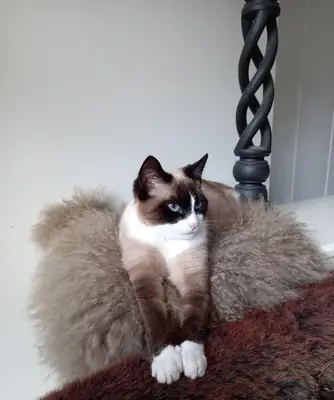
Thai Cat for Sale | Traditional Siamese Type
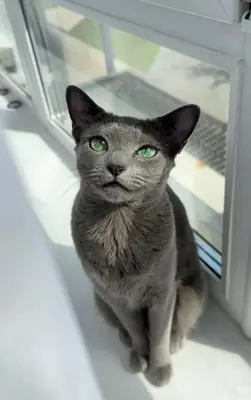
Korat for Sale | Quiet, Deeply Bonded | Sensitive and Loyal Cat
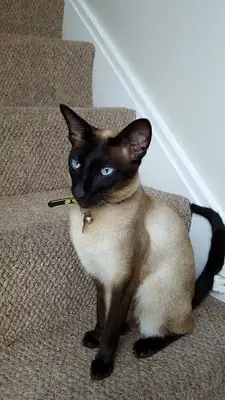
Siamese Cat for Sale | Vocal and Affectionate
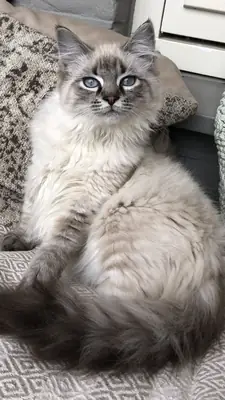
Siberian Cat for Sale | Strong and Hypoallergenic
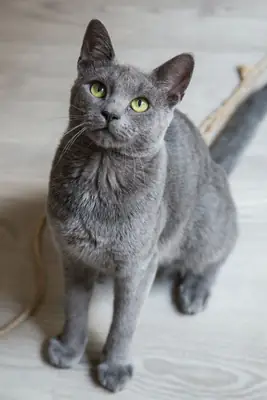
Russian Blue Cat for Sale | Elegant and Calm Breed
Popular Searches
Russian Blue cats for sale in Edinburgh
Russian Blue cats for sale in Edinburgh are usually searched by people who want a calm, elegant cat with a soft blue coat, green eyes and a quiet home presence. That search makes sense, but the decision should not be based only on colour, rarity or a polished photo. A paid listing must make the cat’s health, history, temperament and source clear.
Before contacting a seller, check age, microchip status, vaccination records, neutering status if relevant, vet history, pedigree information, breeder details, diet, litter habits and indoor routine. A strong listing explains how the Russian Blue actually lives, not just that the cat looks beautiful or comes from a desirable breed.
Buy a Russian Blue cat in Edinburgh
Buying a Russian Blue cat in Edinburgh should start with trust checks, not price comparison. The seller should be able to explain where the cat was bred, whether the kitten was raised with its mother, what veterinary care has been given, what documents are available and what kind of home the cat needs.
Be careful with listings that push fast deposits, vague delivery promises, unusually low prices or no clear health information. A Russian Blue can be reserved with strangers and sensitive to change, so the right seller should care about matching the cat to a stable, calm home rather than simply closing a sale.
Russian Blue kittens for sale Edinburgh
Russian Blue kittens for sale in Edinburgh attract strong interest because buyers often want to raise the cat from a young age. That does not make the choice simple. A kitten needs careful socialisation, a safe indoor setup, litter training, predictable feeding, vet care and a gentle settling-in period.
A useful kitten listing should include exact age, vaccination and parasite treatment details, microchip information where available, diet, litter habits, parent-cat background, social confidence and whether the kitten has grown up around normal household sounds. “Beautiful blue kitten” is not enough; the listing must show the kitten is healthy, ready and responsibly placed.
Russian Blue breeders Edinburgh
Searching for Russian Blue breeders in Edinburgh means the buyer should expect more than attractive kitten photos. A responsible breeder should be open about breeding conditions, parent cats, health checks, registration or pedigree information, kitten age, socialisation and aftercare advice.
Ask whether the breeder can show clear records, explain the kitten’s routine and describe the personality of both kitten and parents. A good breeder will ask you questions too. If the seller does not care where the cat goes, that is a weak sign for a breed that often thrives on routine, calm handling and a stable household.
Pedigree Russian Blue cats Edinburgh
Pedigree Russian Blue cats in Edinburgh should be assessed through documentation, health and temperament, not just the word “pedigree”. The breed is known for a distinctive blue coat, silver sheen and green eyes, but those features do not replace proper records or responsible placement.
A strong pedigree listing should explain registration details where relevant, parent background, health records, contract terms, age, vaccination status and whether any breeding restrictions apply. If the seller uses pedigree language but avoids paperwork, the listing is not strong enough.
Russian Blue cat price Edinburgh
Russian Blue cat price in Edinburgh should not be judged in isolation. A higher price does not automatically mean a better cat, and a low price can hide missing records, poor socialisation or rushed selling. The real value is in transparency, health information, proper rearing and a seller who can answer detailed questions.
When comparing paid listings, look at what is included: vet checks, vaccinations, microchip, pedigree documents where relevant, contract, food transition guidance, insurance advice and aftercare support. A cheap listing with vague details can become expensive very quickly if health or behaviour problems appear later.
Adult Russian Blue cat for sale Edinburgh
An adult Russian Blue cat for sale in Edinburgh may be a better match for people who want to understand personality before committing. With an adult cat, you can usually learn whether it is shy, affectionate, quiet, playful, independent, nervous with visitors or best suited to an adult-only home.
The listing should explain why the cat is being sold or rehomed, whether it is neutered, how it behaves indoors, whether it has lived with children or other pets and how it copes with change. Adult Russian Blues should not be dismissed; a clear adult profile can be safer than a vague kitten listing.
Russian Blue indoor cat Edinburgh
Many Russian Blue cats can suit indoor life when the home is calm, safe and enriched. Indoor living should include scratching areas, climbing space, window watching, interactive play, hiding places and a predictable routine. A quiet cat still needs stimulation and choice.
In an Edinburgh flat or house, the listing should say whether the cat has lived indoors before, whether it tries to escape, how it reacts to visitors, how long it can be left alone and whether it becomes stressed by noise. Indoor suitability depends on the individual cat, not just the breed name.
Russian Blue temperament and home fit
Russian Blue temperament is often described as gentle, intelligent and loyal to familiar people, but many individuals can be reserved with strangers. This makes home fit especially important. A noisy, chaotic or constantly changing household may not suit every Russian Blue.
A good listing should describe real behaviour: does the cat hide when visitors arrive, follow one person around, dislike being picked up, enjoy play sessions, tolerate children or need a quiet room to settle? Breed reputation gives a starting point; the actual cat’s habits make the decision.
Russian Blue coat and grooming care
Russian Blue coat care is usually manageable, but the dense double coat still needs regular attention. The coat should look clean, soft and healthy, with no greasy feel, bald patches, heavy dandruff or unexplained skin irritation. Grooming is not only about appearance; it also reveals health issues early.
Before buying, ask whether the cat accepts brushing, nail trims and gentle handling. The listing should mention coat condition honestly. If the cat looks dull, greasy or poorly groomed, ask about diet, stress, health checks and living conditions before making any decision.
Russian Blue cats near Edinburgh
Russian Blue cats near Edinburgh may appear in Leith, Morningside, Stockbridge, Portobello, Corstorphine, Musselburgh, Dalkeith, Livingston, Dunfermline or wider Central Scotland. Searching nearby can help, especially if breed-specific listings are limited.
Distance should not outrank trust. A nearby paid listing with no records, no breeder details and no health information is weaker than a slightly farther listing that clearly explains the cat’s background, documents, temperament and care routine. For a paid Russian Blue listing, transparency matters more than postcode convenience.
Frequently Asked Questions
What should I check before buying a Siberian cat in Edinburgh?
Before buying a Siberian cat in Edinburgh, check the cat’s age, price, vet history, vaccination record, neutering status, microchip information if available, litter habits, coat condition, grooming tolerance, temperament, documents and reason for sale.
You should also ask whether the cat has lived in a flat, family home, multi-pet household or quiet adult home. A good listing should give enough detail to judge whether your home can handle the cat’s coat care, energy and social needs before you arrange a meeting.
Are Siberian cats hypoallergenic?
No cat should be treated as guaranteed hypoallergenic for every person. Some people search for Siberian cats because they may tolerate them better than other cats, but allergic reactions can still happen.
If allergies matter in your household, spend time around the cat where possible and avoid sellers who make absolute promises. A responsible listing should be honest rather than using allergy claims to push a fast sale.
Is a Siberian cat suitable for flat living?
A Siberian cat can suit flat living if the home is safe, enriched and stable. It should have scratching areas, climbing space, play sessions, clean litter access, resting places and secure windows or balconies.
Before purchase, ask whether the cat has lived in a flat before, whether it tries to escape, whether it copes with hallway noise and how long it can be left alone. Flat suitability must be based on real behaviour, not just the cat’s size.
Do Siberian cats need a lot of grooming?
Yes, Siberian cats need regular grooming because their coat is dense and seasonal. Brushing helps prevent knots, reduce loose hair and keep the skin comfortable, especially during heavier shedding periods.
Before buying, ask whether the cat accepts brushing, whether it has had mats, how much it sheds and whether it allows handling around the belly, tail and legs. Coat care is part of owning this breed, not an optional extra.
Is it better to buy a Siberian kitten or an adult cat?
A Siberian kitten may adapt early to your home, but it needs socialisation, litter training support, play, vet care, grooming practice and time. A kitten is not just a smaller version of a settled adult cat.
An adult Siberian cat can be easier to assess because personality, litter habits, grooming tolerance, confidence and compatibility with other pets are already clearer. The better choice depends on your schedule, budget and experience.
Are Siberian cats good with children?
Siberian cats can be good with children if the individual cat is confident and the children know how to be gentle. Even a sociable cat needs quiet resting space and should not be chased, grabbed or disturbed while eating or using the litter tray.
Before buying, ask whether the cat has lived with children, how it reacts to noise, toys, visitors and handling. “Good with children” should be supported by real behaviour notes in the listing.
Can a Siberian cat live with other cats or dogs?
A Siberian cat may live with other cats or a calm dog, but it depends on the individual cat’s history and temperament. Some are social and playful, while others prefer to be the only pet or need very slow introductions.
The listing should explain whether the cat has lived with other animals, whether it is confident, nervous, territorial or relaxed, and how it reacts to sharing space. If you already have pets, plan gradual introductions rather than immediate contact.
What health and document checks matter when buying a Siberian cat?
Important checks include vet history, vaccination record, parasite treatment, neutering status, microchip information if available, diet, weight, coat and skin condition, litter habits, medication needs, pedigree or registration information if relevant and any past illness or behaviour issue.
If the seller cannot explain basic health, ownership and behaviour history, slow down. A responsible paid listing should make the cat’s background clearer before handover.