Free Scottish Terrier Adoption in Ely
There's 1 Scottish Terrier listing live right now, last updated 4 Apr 2026. Find free Scottish Terri... There's 1 Scottish Terrier listing live right now, last updated 4 Apr 2026. Find free Scottish Terrier adoption listings in Ely for people who want a bold, loyal and characterful small dog but underst... There's 1 Scottish Terrier listing live right now, last updated 4 Apr 2026. Find free Scottish Terrier adoption listings in Ely for people who want a bold, loyal and characterful small dog but understand that a Scottie is a true terrier with strong opinions, a wiry coat and a need for patient handling. Scottish Terriers can be affectionate and devoted companions in the right home, yet adopters should check microchip transfer, vaccinations, neutering, lead manners, recall, barking, digging, prey drive, behaviour with children, cats and other dogs, grooming tolerance, hand-stripping or clipping routine, coat condition, weight, dental care, Scottie cramp history, von Willebrand information, patella concerns, skin allergies, eye checks, heart history, vet records and the real reason for rehoming across Ely, Cambridge, Newmarket, Soham, Littleport, March, Huntingdon, Peterborough, Bury St Edmunds and Cambridgeshire.
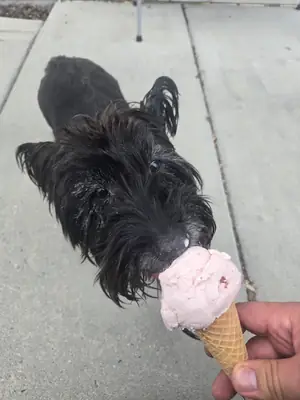
Haven't found the pet you're looking for? Let people who want to find a new home for their pet reach out to you.
Create your free pet adoption request listing now and be seen by thousands of pet owners.
Other listings in your area
Stunning Beagle Puppies
Cavalier King Charles Spaniel puppies now available
Pomeranian puppy waiting for a loving family
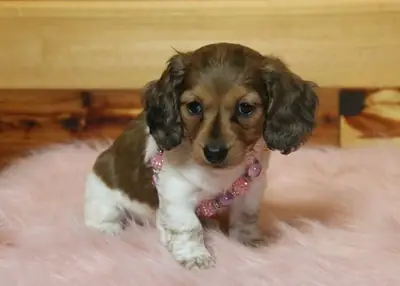
Kc Reg Miniature Wire Haired Dachshund Puppy
shiba inu, independent and not a good match for me
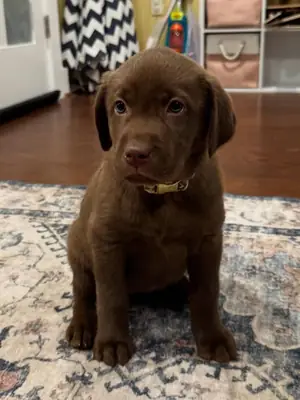
Adorable Labrador retriever waiting for a loving family
Popular Searches
Free Scottish Terrier adoption Ely
Free Scottish Terrier adoption in Ely should be judged by the dog’s real temperament, health and routine, not by the classic black coat or the compact size. A Scottish Terrier can be loyal, funny and deeply attached to its home, but it is still a determined terrier with a stubborn streak.
A useful listing on Petopic should explain age, microchip transfer, vaccination status, neutering, lead manners, barking, digging, prey drive, grooming routine, behaviour with children and pets, vet records and the exact reason the Scottie needs a new home.
Scottish Terrier adoption Ely
Scottish Terrier adoption in Ely usually attracts people who want a small dog with a big personality. That is the right expectation, but the adopter must also be ready for independent thinking, terrier instincts and coat maintenance.
Ask whether the dog accepts grooming, walks calmly on lead, barks at visitors, chases small animals, guards toys or food, and whether it can settle indoors without turning every noise into a battle.
Scottie dog adoption Ely
Scottie dog adoption in Ely is how many UK users search for Scottish Terriers. The nickname sounds soft, but the dog behind it is often bold, watchful and not easily pushed around.
Ask how the Scottie behaves with strangers, other dogs, cats, children, grooming tools and being moved from a favourite spot. A good Scottie match is based on boundaries and honesty, not just affection.
Scottish Terrier rescue Ely
Scottish Terrier rescue in Ely can be a strong route for adopters who want clearer behaviour notes before committing. A rescued Scottie may be steady and affectionate, but it may also come with barking, prey drive, grooming sensitivity or dog selectivity.
Look for detail on lead walking, recall, visitor behaviour, handling, grooming, bite history if any, children, cats, other dogs, vet records and whether the dog needs a terrier-experienced home.
Scottish Terrier rehoming Ely
Scottish Terrier rehoming in Ely needs a direct reason. Owner illness, moving home or a change in work pattern is very different from rehoming caused by snapping, guarding, dog fights, chasing cats, constant barking, digging or grooming refusal.
Before collection, understand the dog’s normal day: where it sleeps, how it walks, what it chases, how it reacts to visitors, whether it accepts brushing and whether the current owner can safely handle it at the vet or groomer.
Free to good home Scottish Terrier Ely
Free to good home Scottish Terrier listings in Ely can be genuine, but a free Scottie still needs proper records and a careful handover. This breed should not be passed along because someone underestimated terrier behaviour or grooming needs.
Ask for proof of ownership, microchip transfer, vaccination record, neutering status, vet notes, grooming history, behaviour details, diet, walking routine and the real reason for rehoming. Free without detail is not a bargain; it is a risk.
Scottish Terriers for adoption Cambridgeshire
Scottish Terriers for adoption across Cambridgeshire may appear around Ely, Cambridge, Soham, Littleport, Newmarket, Huntingdon, March, St Ives and Peterborough. A wider local search helps because Scotties are not always available in every town.
Use local access properly: meet the dog, check how it reacts to handling, watch its lead behaviour, ask about grooming and prey drive, confirm microchip details and decide whether your home can manage a real terrier.
Scottish Terrier adoption East Anglia
Scottish Terrier adoption across East Anglia can include Ely, Cambridge, Newmarket, Bury St Edmunds, Thetford, King’s Lynn, Peterborough and nearby rural areas. This matters because a Scottie’s terrier drive may show differently around gardens, fields, livestock and small animals.
Ask whether the dog chases rabbits, digs at fences, reacts to livestock, walks calmly in village streets and can settle indoors after exercise. Location helps only when the behaviour match is strong.
Aberdeen Terrier adoption Ely
Aberdeen Terrier adoption in Ely may be searched by people who know the older name linked with Scottish Terriers. It is useful search wording, but it should not distract from the actual dog’s temperament and care needs.
Ask whether the dog is genuinely a Scottish Terrier, a Scottie mix or a small black terrier being described loosely. Breed wording matters less than microchip details, vet records, grooming tolerance and behaviour history.
Scottish Terrier puppy adoption Ely
Scottish Terrier puppy adoption in Ely attracts people who want to shape a young Scottie from the start. That can work, but only if the adopter begins early with grooming practice, socialisation, bite inhibition, lead manners and calm boundaries.
Ask about age, microchip, vaccinations, worming, flea treatment, parent temperament where known, early handling, toilet training, grooming exposure and why the puppy is being rehomed. A Scottie puppy grows into a determined adult fast.
Adult Scottish Terrier adoption Ely
Adult Scottish Terrier adoption in Ely can be smarter than chasing a puppy because the dog’s real bark level, grooming tolerance, dog behaviour and terrier instincts are already visible.
Ask whether the adult Scottie is house trained, neutered, good with visitors, calm around dogs, safe with children, easy to groom and whether any health or behaviour issue explains the rehoming.
Senior Scottish Terrier adoption Ely
Senior Scottish Terrier adoption in Ely can suit a calmer home that wants a settled small companion with strong character. Older Scotties may still be opinionated, so the checks do not disappear.
Ask about arthritis, patella history, eyesight, hearing, teeth, heart checks, skin allergies, medication, grooming tolerance, stairs, toilet routine and recent vet notes. A senior Scottie needs comfort and respect, not vague sympathy.
Black Scottish Terrier adoption Ely
Black Scottish Terrier adoption in Ely is the classic search because many people picture the Scottie as a black, compact dog with a strong outline. Colour is familiar, but it proves nothing by itself.
Ask about health, grooming, temperament, microchip transfer, vaccination history, behaviour with dogs and whether the coat has been maintained properly. A black coat should not hide weak records or poor handling.
Brindle Scottish Terrier adoption Ely
Brindle Scottish Terrier adoption in Ely attracts adopters who want a less common-looking Scottie. Brindle coats can be beautiful, but coat colour should come after behaviour, grooming tolerance and vet history.
Ask whether the dog is brushed and trimmed regularly, whether the skin is healthy, whether the dog tolerates being handled and whether the seller can explain the dog’s background clearly.
Wheaten Scottish Terrier adoption Ely
Wheaten Scottish Terrier adoption in Ely is a strong colour-led search because lighter Scotties stand out. That should make you more careful, not less.
Ask about coat maintenance, staining, skin condition, grooming routine, parent background where known, microchip transfer and vet notes. A rare-looking colour does not replace a solid adoption history.
Small terrier adoption Ely
Small terrier adoption in Ely often leads to Scottish Terriers because they are compact, sturdy and full of character. The mistake is assuming small means easy.
Ask about barking, digging, prey drive, recall, lead manners, grooming, house training and whether the dog can be safely handled by everyone in the home. A small terrier can still run the house if nobody sets rules.
Wiry coat terrier adoption Ely
Wiry coat terrier adoption in Ely should include grooming detail from the start. Scottish Terriers have a dense coat that can look tidy in photos but still need regular combing, trimming and coat checks.
Ask whether the dog is hand stripped or clipped, how often grooming happens, whether the dog tolerates feet, beard and belly handling, and whether mats or skin irritation have been a problem.
Scottish Terrier grooming Ely
Scottish Terrier grooming in Ely should be treated as part of the adoption decision, not an afterthought. The beard, legs, belly and wiry jacket can need consistent care, and a dog that hates handling can make grooming difficult.
Ask whether the Scottie is brushed regularly, whether it has been professionally groomed, whether it tolerates clippers or stripping, whether nails can be trimmed and whether the skin under the coat is healthy.
Hand stripped Scottish Terrier adoption
Hand stripped Scottish Terrier adoption is searched by people who understand the proper coat-care style for many wiry terriers. Not every pet Scottie is maintained that way, but the current coat routine should be clear.
Ask whether the dog has been hand stripped, clipped or left natural, how it reacts at the groomer, whether the coat texture has changed and whether future grooming cost fits your budget.
Matted Scottish Terrier adoption Ely
Matted Scottish Terrier adoption needs honest detail because mats can pull skin, hide soreness and make grooming painful. A Scottie with a neglected beard, belly or leg coat may need careful grooming before it feels comfortable again.
Ask where the mats are, how long they have been there, whether the skin is sore, whether the dog bites during grooming and whether a groomer or vet has already assessed the coat.
Scottish Terrier barking adoption Ely
Scottish Terrier barking adoption checks matter because Scotties can be alert, territorial and quick to announce visitors or outside movement. That may be manageable in one home and a problem in another.
Ask what triggers barking: doorbell, post, neighbours, dogs, wildlife, being left alone or garden noises. “Just a terrier” is not enough detail when you live in a terrace, flat or close-neighbour village street.
Scottish Terrier digging adoption Ely
Scottish Terrier digging adoption checks are practical because terriers were shaped for underground work. A Scottie may dig at soft borders, fence lines, molehills or gaps if bored or highly driven.
Ask whether the dog digs, escapes under fences, damages gardens, chases wildlife or needs supervised outdoor time. A garden with weak boundaries is not a safe plan for a determined terrier.
Scottish Terrier prey drive adoption Ely
Scottish Terrier prey drive adoption checks should be direct. A Scottie may chase rabbits, squirrels, cats, birds or small pets if its terrier instincts are strong.
Ask what the dog chases, whether it can be redirected, whether it has lived with cats, whether it can walk near livestock and whether the current owner trusts it off lead. Guessing is weak; examples matter.
Scottish Terrier recall adoption Ely
Scottish Terrier recall adoption checks should be realistic. Scotties are intelligent, but independence and prey drive can make recall unreliable around wildlife, dogs or exciting smells.
Ask whether the dog comes back in open spaces, ignores rabbits and squirrels, responds around other dogs and has ever been walked safely off lead. For many Scotties, secure areas and long-line control are smarter than blind trust.
Scottish Terrier lead walking Ely
Scottish Terrier lead walking in Ely should not be ignored because a sturdy small terrier can still pull, plant its feet, bark at dogs or lock onto scent. Small does not mean effortless on walks.
Ask whether the dog walks on collar or harness, reacts to dogs, pulls toward wildlife, refuses rain, freezes near traffic or needs quiet routes. Lead manners decide daily life more than size does.
Scottish Terrier for experienced owner Ely
Scottish Terrier for experienced owner is not empty wording. It often means the dog needs someone who understands terrier independence, grooming handling, barking control, prey drive and stubborn decision-making.
If the listing says experienced home only, ask why. Guarding, snapping, grooming refusal, dog selectivity, digging, poor recall or nervousness should be named clearly before adoption.
Scottish Terrier for first time owner Ely
Scottish Terrier for first time owner searches need honesty. A first-time adopter can succeed with a Scottie, but only if they are ready for patient training, grooming bills, controlled introductions and a dog that may not obey just to please.
Ask about barking, handling, lead manners, prey drive, grooming tolerance, house training and whether the dog has any bite or guarding history. Small and stubborn is still a serious combination.
Scottish Terrier family dog adoption Ely
Scottish Terrier family dog adoption in Ely can work when the dog is confident, the children are respectful and the household accepts that Scotties have boundaries. This is not a dog that should be grabbed, teased or treated like a toy.
Ask whether the Scottie has lived with children, whether it guards food or toys, whether it dislikes being picked up, whether it snaps when moved and whether it has a quiet place to rest.
Scottish Terrier with children Ely
A Scottish Terrier with children needs proper matching because Scotties can be loyal but not always tolerant of rough handling. The question is not whether the breed is cute; it is whether this dog has a safe history with children.
Ask what ages the dog has lived with, whether it has ever growled, snapped, guarded toys, hated grooming around children or become stressed by noise. A child-friendly Scottie needs evidence.
Scottish Terrier with cats Ely
A Scottish Terrier with cats can work when the dog has lived calmly with cats before, but prey drive makes this a serious check. A Scottie that chases wildlife may also chase a running cat.
Ask whether the dog has lived with cats, whether it chases outdoor cats, whether it can be redirected and whether slow introductions with safe spaces are realistic. “Might be fine” is not good enough.
Scottish Terrier with other dogs Ely
A Scottish Terrier with other dogs can be sociable, selective, bossy or reactive depending on history. Terrier confidence can be funny at home and difficult on lead if poorly managed.
Ask whether the dog has lived with dogs, whether it guards resources, whether it reacts to dogs outside, whether it prefers calm dogs and whether a controlled meet is possible before adoption.
Scottish Terrier only dog adoption Ely
Scottish Terrier only dog adoption in Ely is common when a Scottie is possessive, dog selective, nervous or simply happier without sharing space. That does not make the dog bad; it means the home must match the dog.
Ask whether the Scottie has fought, guarded food, reacted on lead, bullied smaller dogs or been bullied by larger dogs. An only-dog home can be the kindest setup when the history supports it.
Scottish Terrier flat living Ely
A Scottish Terrier can live in a flat in Ely if barking, exercise, toilet routine, grooming and alone time are managed properly. The issue is not size; it is whether the dog reacts to every hallway noise or visitor.
Ask whether the dog barks when left, reacts to neighbours, settles indoors, manages stairs and walks calmly through shared spaces. Flat-friendly means calm behaviour, not just compact body size.
Scottish Terrier secure garden Ely
Scottish Terrier secure garden checks matter because digging, prey drive and terrier persistence can turn a weak fence into an escape route. A Scottie may not be tall, but it can be determined.
Ask whether the dog digs at fence lines, chases wildlife, squeezes through gaps, barks at neighbours or needs supervised garden time. A secure garden is practical care, not a luxury detail.
House trained Scottish Terrier adoption Ely
House trained Scottish Terrier adoption should be explained clearly because “mostly trained” can mean different things after a move. Stress, new routines and marking can change behaviour in the first weeks.
Ask where the dog toilets, how long it can wait, whether it marks indoors, whether accidents happen when left and whether rain or cold affects its routine. House training history should be plain, not vague.
Scottish Terrier separation anxiety Ely
Scottish Terrier separation anxiety checks matter because a devoted Scottie can become distressed when left if it has not learned a calm routine. Independence outside does not always mean comfort alone at home.
Ask how long the dog can be left, whether it barks, scratches, chews, toilets indoors, howls or refuses food. A Scottie that cannot cope alone needs time and training, not a full-time empty house.
Microchipped Scottish Terrier adoption Ely
Microchipped Scottish Terrier adoption in Ely should include proper keeper transfer. This matters from the first day because a newly adopted terrier may bolt, chase or slip through a gate before it knows the area.
Ask for the microchip number, database process and proof that the chip matches the dog. Microchip details are not something to leave until later.
Vaccinated Scottish Terrier rehoming Ely
Vaccinated Scottish Terrier rehoming in Ely should state what has been given, what is due next and whether a vet record is available. “Healthy” is too vague for a breed with clear care and grooming needs.
Ask about boosters, flea treatment, worming, kennel cough where relevant, recent illness, medication, skin issues, eye checks, dental care and any movement problems.
Neutered Scottish Terrier adoption Ely
Neutered Scottish Terrier adoption in Ely is especially relevant for adults and rehomes. Neutering can affect marking, seasons, breeding risk and some management issues, but it does not automatically fix barking, prey drive or guarding.
Ask whether the dog is neutered, when it was done, whether recovery was normal and whether behaviour or weight changed afterwards. If not neutered, understand the plan before adoption.
Scottish Terrier health problems adoption
Scottish Terrier health problems adoption checks should include bleeding history, Scottie cramp, knee movement, skin allergies, deafness, eye problems, heart history, Cushing’s signs, dental care, weight, medication and vet records.
A Scottie does not need perfect health to deserve a home, but the adopter needs the truth before taking on a stubborn, groom-heavy terrier with long-term care needs.
Scottie cramp adoption Ely
Scottie cramp adoption checks should be direct because episodes can appear during excitement or stress and may look alarming to someone who has never seen them. A dog with a history may still be adoptable, but the adopter needs to understand it.
Ask whether episodes have happened, what triggers them, how often they occur, whether a vet has confirmed the condition and whether the dog needs any management. Do not discover this after collection.
Scottish Terrier von Willebrand adoption
Scottish Terrier von Willebrand adoption checks matter because bleeding history can affect surgery, dental work, injury care and neutering decisions. A vague “bleeds a bit” note is not enough.
Ask whether the dog has had unusual bleeding, nosebleeds, bruising, surgical bleeding, testing, diagnosis or vet advice. Bleeding history should be clear before adoption.
Scottish Terrier luxating patella adoption
Scottish Terrier luxating patella checks matter because slipping kneecaps can cause skipping steps, limping, discomfort, stair issues and future vet costs.
Ask whether the dog skips on one back leg, avoids stairs, has vet notes, uses pain relief or has had surgery. Do not dismiss small-dog limping as a cute walk.
Scottish Terrier skin allergies adoption
Scottish Terrier skin allergy checks should include itching, paw licking, ear infections, rashes, hair loss, food sensitivity and seasonal flare-ups. A dense coat can hide irritated skin until grooming reveals it.
Ask whether the dog uses medication, special food, medicated shampoo, ear cleaner or regular vet treatment. Skin problems can become a real cost if hidden at handover.
Scottish Terrier eye problems adoption
Scottish Terrier eye problem checks should include cataracts, lens problems, cloudiness, redness, discharge, squinting, poor night vision and previous eye treatment.
Ask whether eye drops are used, whether vision is normal, whether the dog bumps into things and whether a vet has checked the eyes recently. Eye health should not be guessed from photos.
Scottish Terrier heart problem adoption
Scottish Terrier heart problem adoption checks matter if a murmur, cough, weakness, fainting, exercise intolerance or medication has ever been mentioned. A calm dog can still have a medical issue.
Ask whether a vet has heard a murmur, whether scans were done, whether medication is used and whether the dog tires quickly. Heart history belongs in the listing, not as a surprise later.
Scottish Terrier Cushing’s adoption
Scottish Terrier Cushing’s adoption checks should be asked when the dog drinks heavily, urinates more, has a pot belly, thin skin, coat changes or unusual hunger. Hormone issues can affect daily care and cost.
Ask whether blood tests were done, whether medication is used, whether symptoms are controlled and whether recent vet notes are available. Do not accept vague “age-related” explanations without detail.
Scottish Terrier deafness adoption Ely
Scottish Terrier deafness adoption checks matter when the dog ignores calls, startles easily, sleeps through noise or becomes reactive when touched unexpectedly. Deafness does not prevent adoption, but it changes handling and safety.
Ask whether hearing loss is confirmed, whether one or both ears are affected, whether the dog understands visual cues and whether the home can manage road safety, visitors and grooming without startling it.
Overweight Scottish Terrier adoption Ely
Overweight Scottish Terrier adoption needs honest discussion because a sturdy body can hide extra weight. Extra weight can worsen knees, mobility, breathing comfort and grooming difficulty.
Ask current weight, body condition, food amount, treats, exercise routine and vet advice. A Scottie should look substantial, not overloaded.
Scottish Terrier adoption fee Ely
Scottish Terrier adoption fee Ely searches usually compare free rehoming, private adoption and rescue-style handovers. Price matters less than evidence.
A free Scottish Terrier with clear records, proper chip transfer and honest grooming and behaviour notes can be safer than a costly listing with vague answers. Judge health, temperament and handover quality, not only the fee.
Private Scottish Terrier rehoming Ely
Private Scottish Terrier rehoming in Ely can be genuine, but private handovers need caution. Some owners are honest; others may minimise snapping, grooming refusal, barking, digging, dog conflict, prey drive or missing vet care.
Ask for proof of ownership, microchip transfer, vet history, grooming notes, current photos or video, behaviour history and the exact rehoming reason. A responsible owner should care about the match, not just collection speed.
Scottish Terrier adoption scams Ely
Scottish Terrier adoption scams in Ely can use copied photos, fake rescue stories, urgent deposits, delivery-only offers, vague ownership claims and no microchip or vet records.
Ask for current photos or video, proof of ownership, microchip information, safe viewing or collection and a clear reason for rehoming. If payment pressure comes before proof, walk away.
Ely Cambridge Newmarket Scottish Terrier adoption
Scottish Terrier adoption around Ely, Cambridge, Newmarket, Soham, Littleport, March, Huntingdon, Peterborough, Bury St Edmunds and Cambridgeshire gives adopters more realistic chances to meet the dog safely before deciding.
Regional convenience only helps when the match is strong. Meet calmly, watch the dog move, check coat and handling, ask about prey drive and barking, confirm records and prepare the home before collection.
Frequently Asked Questions
What should I check before adopting a Scottish Terrier in Ely?
Check the dog’s age, microchip, vaccination status, neutering, grooming history, barking, digging, prey drive, lead manners, behaviour with children and pets, vet records and reason for rehoming.
A Scottish Terrier is a small dog, but adoption should be based on health, temperament and home fit, not only size or classic Scottie appearance.
Can I adopt a Scottish Terrier for free in Ely?
Free Scottish Terrier adoption can happen through genuine rehoming, but the dog should still come with clear information.
Ask for proof of ownership, microchip transfer, vaccination history, neutering status, vet notes, grooming details, behaviour history and the real reason for rehoming.
Is a Scottish Terrier a good adoption dog?
A Scottish Terrier can be a good adoption dog for a home that wants a loyal, bold and characterful companion.
It may not suit someone who wants a highly obedient, low-grooming or completely easy first dog with no terrier instincts.
Is a Scottie the same as a Scottish Terrier?
Yes, Scottie is the common nickname for a Scottish Terrier.
Some people may also search older or related wording such as Aberdeen Terrier, but the individual dog’s health and behaviour matter more than the name used.
Are Scottish Terriers suitable for first time owners?
A Scottish Terrier can suit a first time owner who is patient, consistent and ready for grooming, training and terrier behaviour.
Ask about barking, prey drive, grooming tolerance, dog behaviour and whether the dog has any guarding or snapping history.
Are Scottish Terriers stubborn?
Scottish Terriers can be independent and stubborn, so they need patient, consistent and positive training.
Ask whether the dog listens on walks, accepts handling, comes when called and settles when told.
Are Scottish Terriers good family dogs?
Scottish Terriers can be good family dogs when the dog is confident and the household respects its boundaries.
Ask whether the dog has lived with children, whether it guards food or toys, and whether it dislikes being picked up or disturbed while resting.
Are Scottish Terriers good with children?
Some Scottish Terriers are good with calm, respectful children, but rough handling can be a problem.
Ask what ages the dog has lived with, whether it has ever growled or snapped, and whether children can respect grooming and resting time.
Can Scottish Terriers live with cats?
Some Scottish Terriers can live with cats, but prey drive makes this a serious check.
Ask whether the dog has lived with cats, whether it chases outdoor cats and whether slow introductions with safe spaces are realistic.
Can Scottish Terriers live with other dogs?
Scottish Terriers can live with other dogs when temperaments match, but some are selective or bossy.
Ask whether the dog has lived with dogs, whether it guards food or toys and whether a controlled meet is possible.
Do Scottish Terriers need to be the only dog?
Some Scottish Terriers do best as the only dog, especially if they are dog selective, possessive or reactive on lead.
Ask whether the dog has shared a home with dogs before and whether it can pass other dogs calmly outside.
Do Scottish Terriers have strong prey drive?
Scottish Terriers can have strong terrier prey drive and may chase cats, rabbits, squirrels, birds or small pets.
Ask what the dog chases, whether it can be redirected and whether the current owner trusts it off lead.
Do Scottish Terriers dig?
Some Scottish Terriers dig because of their terrier background, boredom or interest in wildlife.
Ask whether the dog digs at fence lines, escapes under gaps or damages garden borders.
Do Scottish Terriers bark a lot?
Some Scottish Terriers are alert and vocal, especially at visitors, doorbells, dogs, wildlife or outside noise.
Ask what triggers barking, how long it lasts and whether the dog can be redirected calmly.
Can a Scottish Terrier live in a flat?
A Scottish Terrier can live in a flat if barking, exercise, toilet routine, grooming and alone time are managed properly.
Ask whether the dog reacts to hallway noise, barks when left and settles calmly indoors.
How much exercise does a Scottish Terrier need?
A Scottish Terrier needs regular daily exercise, but the exact amount depends on age, health and temperament.
Ask what the dog’s current routine is, whether it settles after walks and whether it can handle lead walking around other dogs.
Can Scottish Terriers be trusted off lead?
Some Scottish Terriers have limited off-lead reliability because of independence and prey drive.
Ask whether the dog comes back around wildlife, other dogs, traffic and exciting smells before trusting it loose.
Do Scottish Terriers need much grooming?
Yes, Scottish Terriers need regular grooming because their wiry coat can become untidy or matted if neglected.
Ask whether the dog is brushed, clipped or hand stripped, and whether it tolerates grooming calmly.
What is hand stripping in Scottish Terriers?
Hand stripping is a grooming method used for some wiry-coated dogs to remove dead coat and maintain texture.
Ask whether the dog has been hand stripped, clipped or kept as a pet trim, and whether it accepts grooming without stress.
Do Scottish Terriers get matted?
Scottish Terriers can get mats if the coat is neglected, especially around the beard, belly, legs, armpits and tail.
Ask whether mats have ever needed clipping and whether the skin underneath is healthy.
Should an adopted Scottish Terrier be microchipped?
Yes, the dog should be microchipped and the keeper details should be transferred correctly after adoption.
Ask for the microchip number, database process and proof that the chip matches the dog.
Should a Scottish Terrier be vaccinated before adoption?
Vaccination status should be clear before adoption. Ask what has been given, what is due next and whether a vet record is available.
Also ask about flea treatment, worming, recent illness, medication, skin issues, eye checks and dental care.
Should a Scottish Terrier be neutered before rehoming?
Some adult Scottish Terriers are neutered before rehoming, but not all.
Ask whether the dog is neutered, when it was done, whether recovery was normal and whether behaviour or weight changed afterwards.
What health problems should I ask about in a Scottish Terrier?
Ask about Scottie cramp, von Willebrand’s disease, luxating patellas, skin allergies, deafness, eye problems, heart history, Cushing’s signs, dental care, weight and medication.
A Scottish Terrier does not need perfect health to be adoptable, but the adopter needs honest information.
What is Scottie cramp?
Scottie cramp is a condition linked with episodes of muscle cramping, often around excitement or stress.
Ask whether episodes have happened, what triggers them, how often they occur and whether a vet has confirmed the condition.
What is von Willebrand’s disease in Scottish Terriers?
Von Willebrand’s disease is a bleeding disorder that can affect surgery, dental work, injury care and recovery.
Ask whether the dog has had unusual bleeding, testing, diagnosis or vet advice before adoption.
Can Scottish Terriers have luxating patellas?
Yes, Scottish Terriers can have kneecap issues that may cause skipping, limping, discomfort or stair problems.
Ask about vet notes, pain relief, surgery history and whether the dog avoids jumping or stairs.
Can Scottish Terriers have skin allergies?
Yes, skin allergies can cause itching, paw licking, ear problems, rashes or coat changes.
Ask whether the dog uses medication, special food, medicated shampoo or regular vet treatment.
Can Scottish Terriers have eye problems?
Scottish Terriers can have eye concerns such as cataracts, lens problems, cloudiness, redness or vision changes.
Ask whether eye drops are used, whether the dog bumps into things and whether a vet has checked the eyes recently.
Can Scottish Terriers have heart problems?
Heart history should be asked about if a murmur, cough, fainting, weakness or medication has ever been mentioned.
Ask whether scans were done, whether medication is used and whether the dog tires quickly on walks.
Can Scottish Terriers have Cushing’s syndrome?
Cushing’s syndrome can affect drinking, urination, hunger, skin, coat and body shape.
Ask whether blood tests were done, whether medication is used and whether recent vet notes are available.
Can Scottish Terriers be deaf?
Deafness can occur and should be discussed if the dog ignores sound, startles easily or needs visual cues.
Ask whether hearing loss is confirmed and whether one or both ears are affected.
How do I avoid Scottish Terrier adoption scams?
Watch for copied photos, urgent deposits, delivery-only offers, vague ownership stories, missing microchip details and no vet records.
Ask for current photos or video, proof of ownership, microchip information, safe viewing or collection and a clear reason for rehoming.