Free Basenji Adoption in Exeter
There's 1 Basenji listing live right now, last updated 20 Apr 2026. Free Basenji adoption in Exeter ... There's 1 Basenji listing live right now, last updated 20 Apr 2026. Free Basenji adoption in Exeter is for people who want a clean, clever and independent hound, but this dog breed is not a silent sof... There's 1 Basenji listing live right now, last updated 20 Apr 2026. Free Basenji adoption in Exeter is for people who want a clean, clever and independent hound, but this dog breed is not a silent sofa pet just because Basenjis are known for not barking. Check Basenji dogs and puppies around Exeter, St Thomas, Heavitree, Topsham, Alphington, Exmouth, Crediton, Dawlish and nearby Devon areas with care for microchip details, vaccination history, neutering status, age, yodelling or noise level, prey drive, recall, escape behaviour, secure-garden needs, toilet training, separation anxiety, Fanconi notes, eye health, anaemia or PK deficiency history, patella or leg issues, children, cats, other dogs and whether the listing gives enough proof for a safe local adoption.
Haven't found the pet you're looking for? Let people who want to find a new home for their pet reach out to you.
Create your free pet adoption request listing now and be seen by thousands of pet owners.
Other listings in your area
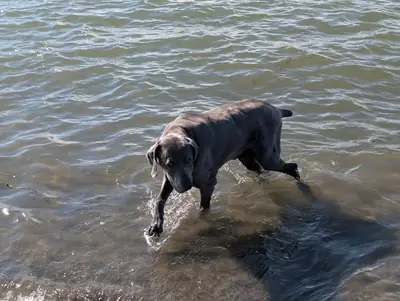
Weimaraner for adoption
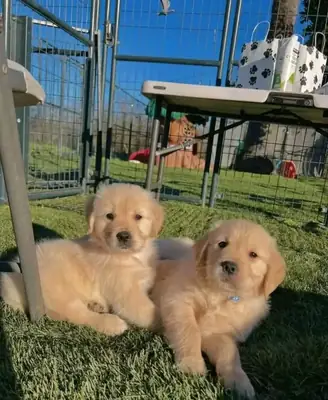
Outstanding male and female golden retriever puppy ready to go
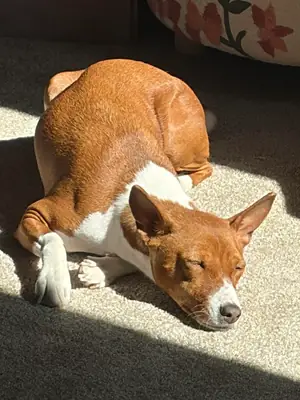
basenji rehome
Popular Searches
Free Basenji adoption Exeter
Free Basenji adoption in Exeter should be checked with more care than a neat short coat and elegant photo suggest. A Basenji is a clever, independent hound with strong instincts, fast reactions and a very different personality from a simple, easy-going house dog.
A strong listing should explain the dog’s age, microchip status, vaccination record, neutering, recall, prey drive, escape habits, yodelling or noise level, toilet routine, behaviour when left alone, health history and reason for rehoming. Free adoption only works when the detail is honest.
Basenjis for adoption Exeter
Basenjis for adoption in Exeter attract people who want a rare, clean, intelligent dog that stands apart from common family breeds. That appeal is real, but the breed can be stubborn, fast, curious and difficult to manage off lead.
Ask whether the Basenji has reliable recall, chases cats or wildlife, jumps fences, opens doors, steals food, tolerates handling and settles indoors. A good adoption listing should make the dog’s real daily behaviour clear before contact.
Basenji rescue Exeter
Basenji rescue in Exeter often involves dogs rehomed because of owner illness, moving home, prey drive, escape behaviour, separation anxiety, weak recall, conflict with pets or a home that underestimated the breed’s independence.
Ask what has been difficult, what the dog does well, whether training has been started and what kind of adopter is genuinely suitable. A rescue Basenji should be matched through truth, not through the novelty of owning a rare hound.
Basenji rehoming Exeter
Basenji rehoming in Exeter needs direct questions because “quiet dog” wording can hide real issues. A Basenji may not bark much, but it may yodel, scream, chew, escape, chase or ignore recall when instinct takes over.
Ask why the dog is being rehomed, how long the keeper has had it, whether it has escaped, bitten, guarded, chased cats, killed small animals, destroyed items or panicked when left. Soft wording is not enough for this breed.
Basenji adoption Devon
Basenji adoption searches across Devon often include Exeter, Exmouth, Dawlish, Crediton, Newton Abbot, Torquay, Tiverton, Honiton and surrounding villages. Wider local search can help because Basenjis are not everyday adoption listings.
Compare adverts by microchip transfer, vaccination record, vet notes, recall, prey drive, secure-garden needs, temperament and the exact reason for rehoming. A slightly further Basenji with clear proof beats a nearby advert with vague answers.
Barkless dog adoption Exeter
Barkless dog adoption in Exeter often leads people to Basenjis, but barkless does not mean silent. A Basenji may yodel, whine, chortle, scream or make dramatic sounds when excited, frustrated or left alone.
Ask what noises the dog makes, when it makes them, whether neighbours have complained and whether it becomes vocal when shut away. Choosing a Basenji only because it “doesn’t bark” is a weak reason.
Basenji yodelling adoption
Basenji yodelling adoption searches come from people who already know the breed has unusual sounds. That matters because the dog may not bark, but it can still be very noticeable in a flat, terrace or shared building.
Ask whether the dog yodels when excited, frustrated, greeting people, left alone or blocked from something it wants. The sound may be charming to some homes and too much for others.
Basenji puppy adoption Exeter
Basenji puppy adoption in Exeter needs strict checking because a young Basenji can look neat and manageable while growing into a fast, clever, independent hound. Early habits around recall, handling, chewing and safe confinement matter.
Ask about age, microchip proof or plan, vaccination details, worming, flea treatment, diet, toilet routine, early socialisation, parent background where known and whether breed-specific health checks are mentioned. A free Basenji puppy with vague history is not a bargain.
Adult Basenji adoption Exeter
Adult Basenji adoption in Exeter can be smarter than chasing puppies because the dog’s real temperament, prey drive, recall, noise level, escape behaviour and home routine are already visible.
Ask whether the dog can be left alone, walks calmly, returns when called, chases wildlife, opens gates, climbs fences, guards food or settles indoors after exercise. Adult adoption works when the normal day is described honestly.
Senior Basenji adoption Exeter
Senior Basenji adoption in Exeter can be a strong match for a quieter home, but the adopter must be realistic about kidneys, eyes, joints, teeth, weight, medication and comfort on walks.
Ask about drinking, urination, appetite, weight loss, night vision, limping, stairs, dental work, current medication and how much exercise the dog can handle. An older Basenji can be loyal and dignified when the care plan is honest.
Private Basenji rehoming Exeter
Private Basenji rehoming in Exeter can be genuine, but rare-breed listings need proof. A private keeper should explain the dog’s history, vet care, home routine, training and why the dog needs a new home.
Ask for microchip transfer details, vaccination record, vet notes, recall, prey drive, escape history, behaviour around children and pets, and the exact rehoming reason. A responsible keeper should care about the match, not just quick collection.
Basenji free to good home Exeter
Basenji free to good home Exeter searches should not stop at the word free. A no-fee Basenji can still need secure fencing, training, insurance, health checks, careful recall work and a home that understands hound instincts.
Ask why the dog is free, whether there are health or behaviour issues, whether it is microchipped and whether the current keeper is choosing the right home rather than the fastest reply.
Basenji escape artist adoption
Basenji escape artist adoption should be treated seriously because the breed is clever, athletic and curious. Weak gates, low fences, open doors, windows and careless garden routines can become real risks.
Ask whether the dog has climbed, dug, squeezed through gaps, opened doors, bolted from cars or escaped on walks. A secure home is not optional with a Basenji that has already learned how to leave.
Basenji secure garden adoption Exeter
Basenji secure garden adoption in Exeter matters because this dog can move fast, spot escape routes and react to wildlife. A normal garden may not be secure enough if fences are low, gates are loose or boundaries have climbable points.
Ask what kind of fencing the dog currently has, whether it is supervised outside, whether it jumps, digs or squeezes through gaps and whether it can be safely recalled from distractions. Garden security should be proven, not assumed.
Basenji recall training adoption
Basenji recall training should be checked before adoption because this breed can be independent and strongly driven by movement, scent and chase. A Basenji that loves you indoors may still ignore you outdoors.
Ask whether the dog comes back off lead, whether it chases wildlife, whether it has long-line training and whether recall fails around dogs, cats, birds or cyclists. Poor recall should mean secure areas and lead management.
Basenji prey drive adoption
Basenji prey drive adoption is one of the most important checks. This breed can be triggered by cats, squirrels, rabbits, birds, small dogs, running children or fast-moving bikes if not managed carefully.
Ask what the dog chases, whether it can be interrupted, whether it has lived with small pets and whether it has ever caught wildlife. A Basenji with strong prey drive needs a realistic handler, not wishful thinking.
Basenji off lead adoption Exeter
Basenji off lead adoption in Exeter should be approached carefully. Open spaces around parks, fields, riverside paths and countryside routes can be tempting, but prey drive can override training fast.
Ask whether the dog has ever been safely off lead, whether it returns from wildlife, whether it bolts through gates and whether it needs a long line. Off-lead freedom is not guaranteed with this breed.
Basenji Exeter Quay walks adoption
Basenji walks around Exeter Quay can be enjoyable, but busy riverside paths, cyclists, dogs, ducks, runners and food smells require control. A prey-driven dog can become difficult in seconds.
Ask whether the dog can pass bikes, birds and other dogs calmly, whether it pulls near water and whether recall is safe in open areas. Scenic walks only work when the Basenji is manageable.
Basenji Dartmoor walks adoption
Basenji adoption near Dartmoor sounds perfect for an active owner, but open moorland, livestock, wildlife, wind, rain and long sightlines can expose poor recall and chase drive fast.
Ask whether the dog can be trusted near sheep, ponies, rabbits and birds, whether it is long-line trained and whether it handles cold wet weather. A Basenji may love adventure, but freedom must be safe.
Basenji beach walks Devon adoption
Basenji beach walks in Devon can be risky if the dog has weak recall or strong prey drive. Seagulls, small dogs, runners, food, water edges and open sand can all become distractions.
Ask whether the Basenji is safe on a long line, whether it chases birds, whether it bolts when excited and whether it returns when called. A beach is not a secure field.
Basenji with cats Exeter
A Basenji with cats can work only when the dog has proven cat experience and the household manages introductions properly. Some Basenjis can live with cats they know; others may chase hard.
Ask whether the dog has lived with cats, whether it chases outdoors, whether it stares, stalks, lunges or disengages when called. Cats need escape routes, high spaces and a serious introduction plan.
Basenji with other dogs Exeter
A Basenji with other dogs can work well, but the match depends on social history, play style, resource guarding and whether the dog dislikes pushy or rude behaviour. Basenjis can be selective.
Ask whether the dog has lived with dogs, whether it guards food or resting places, whether it plays roughly and whether it is better with calm dogs. Friendly on one walk does not prove compatibility at home.
Basenji with children Exeter
A Basenji with children can work when the dog is confident, trained and the children respect boundaries. This breed is not usually the best match for rough handling or chaotic play.
Ask whether the dog has lived with children, what ages, whether it guards food or toys, whether it dislikes being grabbed and how it behaves when children run. A family match needs calm structure, not just enthusiasm.
Basenji for flat living Exeter
A Basenji can live in an Exeter flat only if exercise, mental stimulation, secure doors, noise, alone time and toilet routine are managed properly. The breed’s short coat and clean habits do not make it automatically easy indoors.
Ask whether the dog yodels when left, scratches doors, reacts to hallway noise, settles after walks and can cope without a garden. A flat can suit the right Basenji, but not a bored or escape-focused one.
Basenji for first time owner Exeter
Basenji adoption for a first time owner in Exeter needs honesty. This breed is clever and clean, but also independent, chase-driven and often less interested in obedience than beginner-friendly breeds.
Ask whether the dog needs an experienced handler, whether recall is weak, whether it is destructive when bored and whether it respects boundaries. A first dog should not become a daily battle of instincts and frustration.
Basenji exercise needs Exeter
Basenji exercise needs should be taken seriously because this is an athletic hound, not a decorative small-to-medium dog. A bored Basenji may chew, climb, escape, steal or become noisy.
Ask how far the dog walks, whether it uses a long line, whether it has secure running space, whether it gets scent games and whether it settles after activity. Exercise should satisfy the dog’s mind as well as its legs.
Basenji separation anxiety adoption
Basenji separation anxiety can be a major rehoming reason. A Basenji may not bark constantly, but it can yodel, chew, scratch doors, toilet indoors or become frantic when left.
Ask how long the dog can be left, what happens when the keeper leaves, whether crate training was tried and whether neighbours complained. Do not adopt a Basenji into an empty home all day without knowing this history.
Basenji crate training adoption
Basenji crate training adoption is worth asking about because some Basenjis settle well with a safe den, while others fight confinement or become noisy. The current routine tells you how the move may go.
Ask whether the dog sleeps in a crate, travels in one, cries when shut in, chews bedding, escapes crates or uses it voluntarily. Crate history should be practical, not presented as instant control.
Basenji toilet training adoption
Basenji toilet training should be clarified before adoption because a clean reputation does not guarantee perfect house manners after a move. Stress, routine changes and weather can cause setbacks.
Ask whether the dog toilets outside reliably, has accidents overnight, marks indoors, dislikes rain or needs a strict routine. A clean breed can still need proper transition management.
Basenji chewing problem adoption
Basenji chewing problem adoption should be taken seriously because a bored or anxious Basenji can damage furniture, doors, crates, shoes and bedding. Clever dogs find their own entertainment when the home gives them nothing better.
Ask what the dog chews, when it happens, whether it is linked to being left and whether enrichment helps. “Mischievous” may mean expensive destruction if the routine is wrong.
Basenji Fanconi syndrome adoption
Basenji Fanconi syndrome adoption should be handled openly because kidney-related health history can affect long-term care, vet checks, drinking, urination and medication planning.
Ask whether any Fanconi testing, urine glucose checks, excessive drinking, frequent urination, weight loss, weakness or vet notes are known. A responsible listing should not dismiss breed-specific health questions.
Basenji PRA adoption
Basenji PRA adoption searches focus on inherited vision concerns. A dog with reduced vision may still live well, but the adopter needs to know before changing the environment.
Ask whether the dog hesitates in low light, bumps into objects, has eye notes, test history or signs of night blindness. Bright eyes in a photo are not proof of healthy vision.
Basenji pyruvate kinase deficiency adoption
Basenji pyruvate kinase deficiency adoption should be checked because inherited anaemia can affect energy, weakness, exercise tolerance and long-term health. Not every dog will have full background, but the question is valid.
Ask whether any PK deficiency test history, anaemia, pale gums, weakness, collapse, unusual tiredness or vet notes are known. A rare health term should not be ignored just because the dog looks lively.
Basenji luxating patella adoption
Basenji luxating patella adoption searches are about slipping kneecaps. A dog may skip, hop, hold up a back leg or seem stiff after activity.
Ask whether a vet has diagnosed patella luxation, whether the dog limps, whether surgery was discussed, whether stairs are difficult and whether weight control is needed. Athletic dogs still need proper leg checks.
Basenji grooming adoption Exeter
Basenji grooming adoption in Exeter is usually simpler than fluffy breeds because the coat is short and the breed is known for cleanliness. That does not remove the need for nail, ear, teeth and skin checks.
Ask whether the dog accepts nail trimming, ear cleaning, brushing, bathing and handling. A low-grooming coat is helpful, but a dog that fights handling still creates care problems.
Red and white Basenji adoption Exeter
Red and white Basenji adoption in Exeter is colour-led, but coat colour should come after health, temperament and proof. The classic look does not tell you how the dog behaves around cats, doors or open fields.
Ask about microchip, vet notes, recall, prey drive, Fanconi history, eye checks and the exact rehoming reason. Colour helps identify the dog; it should not decide the adoption.
Brindle Basenji adoption Exeter
Brindle Basenji adoption in Exeter may attract attention because the coat looks distinctive. That attention should make checks stronger, not weaker.
Ask for current photos, videos of movement, microchip details, vaccination record, health notes and behaviour around distractions. A striking coat does not make a weak listing safe.
Basenji cross adoption Exeter
Basenji cross adoption in Exeter can be realistic because some dogs have Basenji traits without being purebred. That is fine when the listing is honest about what is known and unknown.
Ask what the dog is crossed with if known, adult size, prey drive, recall, noise level, coat type and health history. A Basenji cross may still bring independence, chase drive and escape behaviour.
Microchipped Basenji adoption Exeter
A microchipped Basenji adoption listing should explain keeper transfer clearly. The chip should match the dog, and the new keeper details should be updated correctly after adoption.
Ask for the chip process, current keeper details and whether vet records match the dog. A rare, desirable dog with unclear identity needs extra caution.
Vaccinated Basenji rehoming Exeter
Vaccinated Basenji rehoming should state what has been given, what is due next and whether a vet record is available. “Healthy” is not the same as documented care.
Ask about boosters, flea and worm treatment, kennel cough where relevant, previous illness, weight, medication and recent vet checks. A lively Basenji can still arrive with hidden health questions.
Neutered Basenji adoption Exeter
Neutered Basenji adoption in Exeter can reduce accidental breeding risk and may help with some management issues, but it does not automatically fix prey drive, recall, escape behaviour or separation anxiety.
Ask whether the dog is neutered, when it was done, whether recovery was normal and whether any weight, coat or behaviour changes followed. If not neutered, ask whether a vet has advised timing.
Basenji adoption scam UK
Basenji adoption scams in the UK can use copied puppy photos, rare-breed claims, fake emergency rehoming stories, delivery-only offers, urgent deposits and missing microchip details.
Ask for current videos, proof the dog is in or near Exeter, microchip information, vet records, safe viewing or collection and a clear reason for rehoming. If proof disappears but payment pressure appears, walk away.
Frequently Asked Questions
Can I adopt a Basenji for free in Exeter?
Yes, Basenjis may be offered for free adoption in Exeter, but every listing should be checked carefully before contact or collection.
Ask about microchip details, vaccination record, neutering status, age, recall, prey drive, escape history, noise level, health records, children, pets and the reason for rehoming.
Is a Basenji a dog?
Yes, a Basenji is a dog breed. It is a hound known for a short coat, curled tail, prick ears, clean habits, independence and unusual yodelling sounds.
Although Basenjis are often called barkless dogs, they are not silent and can still be vocal in their own way.
Are Basenjis good adoption dogs?
Basenjis can be excellent adoption dogs for experienced homes that understand independent hounds, prey drive, secure fencing and patient training.
They are not ideal for every adopter. A Basenji may be difficult for someone expecting a simple, obedient, off-lead family dog.
What should I check before adopting a Basenji?
Check microchip details, vaccination history, neutering status, vet notes, Fanconi history, eye health, anaemia or PK deficiency notes, patella or leg issues, recall, prey drive, escape behaviour and separation anxiety.
Also ask why the dog is being rehomed and whether any chasing, biting, guarding, bolting, yodelling, chewing or indoor accident history exists.
Should a Basenji be microchipped before adoption?
Yes, microchip details should be clear before adoption, and keeper information should be updated correctly after the dog changes home.
Ask for the chip process, current keeper details and whether vet records match the Basenji in the listing.
Should a Basenji be vaccinated and neutered?
Vaccination and neutering status should be clear before adoption. Ask what vaccinations have been given, what is due next and whether the Basenji is neutered.
If the dog is not neutered, ask why and whether a vet has advised timing.
Do Basenjis really not bark?
Basenjis are known as barkless dogs, but they are not silent. They can yodel, chortle, whine, scream or make other unusual sounds.
Ask what noises the dog makes, when it makes them and whether noise has caused problems in the current home.
Can a Basenji live in a flat in Exeter?
A Basenji can live in a flat only if exercise, mental stimulation, secure doors, toileting, noise and alone time are managed properly.
Ask whether the dog yodels when left, scratches doors, reacts to hallway noise, settles after walks and can cope without a garden.
Are Basenjis good with children?
Some Basenjis can live with children, but the match depends on the dog’s temperament, training and the children’s behaviour.
Ask whether the dog has lived with children, what ages, whether it guards food or toys, dislikes grabbing, or becomes excited when children run.
Can Basenjis live with cats?
Some Basenjis can live with cats they know, but many have strong chase instincts, so proof matters.
Ask whether the dog has lived with cats, whether it chases outdoors, whether it stares, stalks, lunges or disengages when called.
Can Basenjis live with other dogs?
Basenjis can live with other dogs in the right home, but introductions should be slow and carefully managed.
Ask whether the dog has lived with dogs before, whether it guards food, plays roughly, dislikes pushy dogs or becomes reactive on lead.
Can Basenjis be trusted off lead?
Many Basenjis are difficult off lead because prey drive and independence can override recall.
Ask whether the dog has reliable recall around wildlife, cats, cyclists, other dogs and open gates. Lead or long-line management may be needed.
Do Basenjis need a secure garden?
A secure garden is very important for many Basenjis because they can be fast, curious and good at finding escape routes.
Ask whether the dog has climbed, dug, squeezed through gaps, opened doors or escaped before. Garden security should be proven, not assumed.
Are Basenjis good for first time owners?
Basenjis can be difficult for first time owners because they are independent, clever, prey-driven and often less obedient than beginner-friendly breeds.
A first time adopter should be honest about secure fencing, training patience, recall management and daily enrichment before choosing this breed.
How much exercise does a Basenji need?
A Basenji needs regular exercise, mental stimulation, scent work, safe walking and chances to burn energy without unsafe freedom.
Ask how far the dog walks, whether it uses a long line, whether it settles after activity and whether boredom leads to chewing, escaping or noise.
Do Basenjis get separation anxiety?
Some Basenjis struggle when left alone and may yodel, chew, scratch doors, toilet indoors or become destructive.
Ask how long the dog can be left, what happens when the keeper leaves and whether crate training or gradual alone-time training has been used.
What health issues should I ask about in a Basenji?
Ask about Fanconi syndrome, PRA, anaemia, pyruvate kinase deficiency, luxating patella, eye checks, kidney history, drinking, urination, weight loss, weakness and previous vet records.
A Basenji does not need perfect records to be adoptable, but breed-specific health history should be honest and clear.
What is Fanconi syndrome in Basenjis?
Fanconi syndrome is a kidney-related condition associated with Basenjis. It can affect drinking, urination, weight, strength and long-term care.
Ask whether any Fanconi testing, urine glucose checks, excessive drinking, frequent urination, weight loss, weakness or vet notes are known.
What is pyruvate kinase deficiency in Basenjis?
Pyruvate kinase deficiency is an inherited blood condition that can cause anaemia and weakness in affected dogs.
Ask whether any test history, anaemia, pale gums, weakness, collapse, unusual tiredness or vet notes are known before adoption.
Do Basenjis need much grooming?
Basenjis usually have low grooming needs because of their short coat and clean habits.
Still ask whether the dog accepts nail trimming, ear cleaning, brushing, bathing and handling, because low coat maintenance does not remove basic care.
Why do Basenjis get rehomed?
Basenjis may be rehomed because of prey drive, escape behaviour, separation anxiety, weak recall, conflict with pets, owner illness, moving home, cost or lack of breed experience.
The reason for rehoming should be explained clearly because it affects whether the dog will suit your home.
How can I avoid Basenji adoption scams?
Be cautious with copied puppy photos, urgent deposits, delivery-only offers, vague Exeter locations, rare-breed claims, missing microchip details and no vet records.
Ask for current videos, proof the dog is local, safe viewing or collection, microchip details, vet history and a clear reason for rehoming before trusting any advert.