Cornish Rex Cats for Free Adoption in Exeter
There's 1 Cornish Rex listing live right now, last updated 28 Mar 2026. Find Cornish Rex cats for fr... There's 1 Cornish Rex listing live right now, last updated 28 Mar 2026. Find Cornish Rex cats for free adoption in Exeter with the details careful adopters need before making contact: age, microchip s... There's 1 Cornish Rex listing live right now, last updated 28 Mar 2026. Find Cornish Rex cats for free adoption in Exeter with the details careful adopters need before making contact: age, microchip status, neutering, vaccinations, indoor history, litter tray habits, curly coat condition, warmth needs, breed confirmation, temperament, play level, climbing behaviour, time-alone tolerance and whether the cat can live with children, dogs or other cats. Cornish Rex cats are active, affectionate, intelligent companion cats with a fine waved coat and a strong need for interaction, warmth and enrichment, so a good adoption match should focus on honest rehoming reasons, safe settling, vet records, microchip transfer, allergy expectations and realistic daily care across Exeter, Devon and nearby South West areas rather than choosing only because the cat is free, unusual-looking or described as low shedding.
Haven't found the pet you're looking for? Let people who want to find a new home for their pet reach out to you.
Create your free pet adoption request listing now and be seen by thousands of pet owners.
Popular Searches
Free Cornish Rex adoption Exeter
Free Cornish Rex adoption in Exeter should be checked carefully because this is a distinctive, high-interest cat breed. A no-fee listing still needs clear detail about age, microchip status, neutering, vaccinations, indoor history, litter tray habits, coat condition, health records, temperament and the real reason for rehoming.
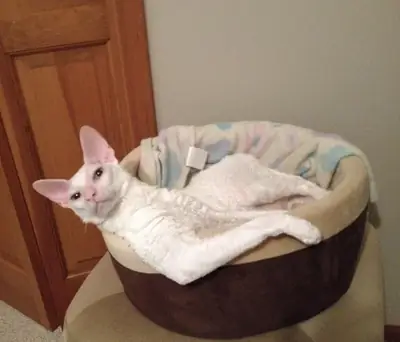
The Cornish Rex is not just a curly-coated cat. It is usually active, curious, people-focused and sensitive to cold because of its fine coat, so the right home should be warm, enriched and ready for daily play rather than expecting a quiet ornament that looks unusual.
Cornish Rex cats for adoption Exeter
Cornish Rex cats for adoption in Exeter can suit adopters who want an affectionate, lively cat with a mischievous personality and a close bond with people. A strong listing should explain how the cat behaves at home, not just show the waved coat.
Ask whether the cat jumps onto high places, follows people, plays alone, demands attention, accepts handling, sleeps in warm spots, uses the litter tray reliably and copes when left for normal working hours.
Cornish Rex rescue Exeter
Cornish Rex rescue in Exeter may not appear as often as common cat adoption searches, so every listing needs strong verification. Rare or unusual-looking cats can attract fast interest, and fast interest often leads to weak decisions.
Ask whether the cat has breed paperwork, rescue notes, vet history or breeder background, and check whether the rehoming reason is clear. A good rescue-style listing should tell you what the cat needs next, not just what makes it look different.
Cornish Rex rehoming Exeter
Cornish Rex rehoming in Exeter should start with the reason the cat needs a new home. A cat being rehomed because of a move is different from one being moved because it cries when alone, scratches furniture, bullies another cat, has litter tray issues or needs more attention than expected.
Ask how long the current owner has had the cat, whether the microchip can be transferred, whether the cat is neutered, how much daily interaction it needs and what routine keeps it settled.
Cornish Rex free to good home Exeter
Cornish Rex free to good home Exeter searches need a serious filter. “Good home” should mean microchip transfer, vet budget, safe windows, warm indoor space, clean litter setup, scratching areas, climbing options and enough time for a social, active cat.
Before adopting, check whether the cat is genuinely comfortable with people, whether it becomes bored when left, whether it needs another pet for company and whether the current owner is being honest about health or behaviour problems.
Free Cornish Rex kittens Exeter
Free Cornish Rex kittens in Exeter will attract quick interest because the breed is unusual and kittens are highly desirable. That makes the checks stricter, not easier.
A kitten listing should include exact age, microchip status, vaccination plan, worming, flea treatment, litter progress, diet, handling, socialisation and why the kitten is being offered for adoption. A curly kitten photo is not enough proof that the adoption is safe.
Adult Cornish Rex adoption Exeter
Adult Cornish Rex adoption in Exeter can be a smarter choice than chasing kittens because the cat’s true personality, activity level, coat condition, litter habits, vocal level and time-alone tolerance are already easier to judge.
Ask whether the adult cat is playful, clingy, independent, destructive when bored, confident with visitors, comfortable with children or pets and whether it needs a warm indoor routine to stay settled.
Senior Cornish Rex adoption Exeter
Senior Cornish Rex adoption in Exeter can suit a warm, calm home, but older cats need honest planning around teeth, kidneys, eyesight, weight, appetite, mobility, warmth, medication and litter tray access.
Ask about recent vet notes, drinking habits, mobility, dental work, eye checks, appetite changes, night-time behaviour and whether the cat still enjoys play or mostly wants warm, quiet companionship.
Cornish Rex adoption near me Exeter
Cornish Rex adoption near me in Exeter can include Exmouth, Dawlish, Newton Abbot, Torquay, Paignton, Tiverton, Crediton, Honiton, Sidmouth, Taunton and wider Devon searches.
Local distance helps with calmer handover and follow-up questions, but nearby is not enough. A local Cornish Rex with no microchip detail, vague health notes or unclear rehoming reason is still a weak adoption option.
Cornish Rex rescue Devon
Cornish Rex rescue Devon searches make sense because confirmed listings may be limited in Exeter itself. Widening the area can help, but it should not weaken your standards.
Compare listings by microchip transfer, vet records, breed honesty, litter tray reliability, indoor safety, coat condition, warmth needs and whether the current home can describe the cat’s real behaviour clearly.
Rare Cornish Rex cat adoption Exeter
Rare Cornish Rex cat adoption in Exeter can create urgency, and urgency is where adopters make poor decisions. A rare breed label should make you ask better questions, not fewer questions.
Ask whether the breed is confirmed, whether current vet records exist, whether the photos are recent and whether the current owner can describe the cat’s routine without vague copied phrases.
Cornish Rex breed verification adoption
Cornish Rex breed verification matters because some curly-coated or short-coated cats may be described as Cornish Rex without proof. That does not make the cat less worthy of adoption, but it changes expectations.
Ask whether registration papers, breeder history, rescue notes or vet records support the breed claim. If there is no proof, the listing should be honest and describe the cat as Cornish Rex-like rather than guaranteed Cornish Rex.
Curly coated cat adoption Exeter
Curly coated cat adoption in Exeter often points people toward Cornish Rex listings. The coat is the first thing people notice, but it should not be the only thing they check.
Ask whether the coat is thin, fragile, oily, patchy, overgroomed or sensitive to brushing. Cornish Rex coat care is different from standard shorthaired cats, so the adopter needs realistic expectations from the start.
Wavy coat Cornish Rex adoption Exeter
Wavy coat Cornish Rex adoption in Exeter should focus on coat health, not only the texture. A good listing should show current photos from different angles and explain whether the cat has bare patches, skin irritation or grooming sensitivity.
Ask whether the cat needs bathing, whether stroking is enough for routine care, whether brushing breaks the coat and whether the cat seeks warm places because its coat offers less protection.
Low shedding Cornish Rex adoption Exeter
Low shedding Cornish Rex adoption in Exeter is a strong search intent because many people are drawn to the breed’s fine coat. Low visible shedding does not mean no care and does not guarantee an allergy-free home.
Ask about skin condition, dander, oiliness, bathing routine, overgrooming, bald areas and whether anyone with allergies has actually spent time with the cat before adoption.
Hypoallergenic Cornish Rex adoption Exeter
Hypoallergenic Cornish Rex adoption in Exeter needs blunt expectations. Cornish Rex cats may shed less visibly than many cats, but no cat should be treated as guaranteed allergy-free for every person.
If allergies matter, spend time with Cornish Rex cats before adopting, ask about reactions in the current home and avoid choosing only because a listing promises an easy allergy solution.
Cornish Rex allergy friendly cat adoption
Cornish Rex allergy friendly cat adoption searches usually come from people hoping the coat will solve everything. That is not a safe assumption. Allergies can be triggered by saliva and dander, not only loose hair.
Ask whether the adopter has met the cat in person, whether symptoms appear after contact and whether cleaning, bedding, grooming and room access can be managed realistically.
Indoor Cornish Rex adoption Exeter
Indoor Cornish Rex adoption in Exeter often makes sense because the breed’s fine coat can make wet, cold or windy conditions uncomfortable. Indoor life still needs structure, not boredom.
Ask whether the cat has always lived indoors, whether it door-dashes, whether it cries at windows and whether the home can offer warmth, climbing, scratching, toys, food puzzles and safe window views.
Cornish Rex for flat living Exeter
A Cornish Rex can live in an Exeter flat if the space is warm, enriched and secure. The issue is not only floor space; it is whether the cat has places to climb, jump, scratch, play, rest and stay mentally busy.
Ask whether the cat becomes restless at night, scratches doors, climbs furniture, needs another pet, reacts to neighbour noise or has already lived happily in a smaller indoor space.
Active Cornish Rex cat adoption Exeter
Active Cornish Rex cat adoption in Exeter should make play and enrichment central. This is not the best match for someone who wants a cat that sleeps all day and needs almost nothing.
Ask what the cat does when bored, whether it plays fetch-style games, climbs shelves, jumps onto high furniture, opens cupboards, chases toys and whether daily interaction is needed to keep it settled.
Playful Cornish Rex adoption Exeter
Playful Cornish Rex adoption in Exeter should be treated as a lifestyle match. Many Cornish Rex cats remain kitten-like in energy and need toys, games, height and human involvement.
Ask whether the cat enjoys wand toys, tunnels, puzzle feeders, climbing trees, chasing games, warm laps after play and whether boredom has caused chewing, scratching or attention-seeking behaviour.
Cornish Rex climbing cat adoption
Cornish Rex climbing cat adoption should prepare the home for height. This breed can enjoy jumping, perching and watching rooms from above.
Ask whether the cat climbs curtains, shelves, wardrobes or kitchen counters, and whether it uses cat trees or wall shelves. If you do not provide legal places to climb, the cat will probably choose its own.
Cornish Rex warm home adoption
Cornish Rex warm home adoption is not a decorative detail. A fine-coated cat may seek radiators, blankets, sunny windows and warm laps more than a standard-coated cat.
Ask whether the cat gets cold easily, sleeps under covers, avoids cold floors, needs extra bedding in winter or becomes uncomfortable after outdoor access in wet weather.
Cornish Rex coat care adoption Exeter
Cornish Rex coat care adoption in Exeter should be specific because the coat can be fine and delicate. Rough brushing is not automatically helpful and may damage fragile hair.
Ask whether the cat needs occasional bathing, whether the skin becomes oily, whether there are bare patches and whether the cat accepts gentle handling around the body, ears, claws and paws.
Cornish Rex skin care adoption
Cornish Rex skin care adoption checks matter because a fine coat can make skin condition easier to notice and harder to hide. Oiliness, redness, flakes, bald patches or overgrooming should be explained clearly.
Ask whether the cat has allergies, sensitive skin, bathing needs, ear wax build-up, sun sensitivity near windows or any vet notes about skin irritation.
Cornish Rex with children Exeter
Cornish Rex with children in Exeter can work when the cat is confident and the children understand gentle handling. This is a playful cat, but playful does not mean it should be grabbed, chased or carried roughly.
Ask what ages the cat has lived with, whether it scratches when overstimulated, whether it hides from noise and whether it enjoys interactive play with children or prefers adult attention.
Cornish Rex with dogs Exeter
Cornish Rex with dogs in Exeter can work if the cat has suitable dog experience and the dog is calm, cat-friendly and controlled. A curious cat may approach dogs, but chasing can ruin the match quickly.
Ask whether the cat has lived with dogs, whether it hides, swipes, freezes or relaxes around them and whether the home can provide safe rooms, height and slow introductions.
Cornish Rex with other cats Exeter
Cornish Rex with other cats can be friendly, playful, pushy or selective depending on the individual. A social cat may enjoy company, but territory and energy level still matter.
Ask whether the cat has shared food areas, litter trays, beds and owner attention before. After adoption, use slow scent introductions instead of putting cats together immediately.
Cornish Rex cat left alone
Cornish Rex cat left alone searches matter because this breed can become bored without enough attention and stimulation. Some cope with routine; others may become restless or destructive.
Ask how long the cat is usually left, whether it cries, scratches, chews, opens cupboards, overgrooms, stops eating or becomes frantic for attention when people return.
Cornish Rex litter tray habits adoption
Cornish Rex litter tray habits should be checked before adoption because accidents can come from stress, dirty trays, urinary issues, pain, territory conflict or sudden routine change.
Ask whether the cat uses open or covered trays, whether litter type matters, whether accidents or spraying have happened and whether a vet has checked any recent toileting change.
Cornish Rex health checks adoption
Cornish Rex health checks before adoption should include more than “looks healthy”. Ask about kidneys, eyes, teeth, weight, appetite, skin, coat condition, litter habits, medication and recent vet visits.
Specific records are stronger than vague reassurance. A cat does not need a perfect health history to be adoptable, but unknowns should be stated honestly.
Cornish Rex PKD adoption
Cornish Rex PKD adoption questions matter because kidney history affects long-term care, vet checks and diet planning. PKD should not be hidden behind a cheerful personality or unusual coat.
Ask whether the cat or parents have any kidney history, whether genetic testing or vet notes exist, whether the cat drinks more than normal and whether recent blood or urine results are available for adult or senior cats.
Cornish Rex eye problems adoption
Cornish Rex eye problems should be asked about if the cat has poor night vision, bumping, cloudiness, squinting, discharge, redness or hesitation in unfamiliar spaces.
Ask whether a vet has mentioned progressive retinal atrophy, whether testing exists and whether the cat navigates confidently in low light, on stairs and around furniture.
Cornish Rex dental care adoption
Cornish Rex dental care should be checked before adoption because dental pain can hide behind normal eating and affectionate behaviour. Bad breath, drooling, pawing at the mouth or avoiding hard food should not be ignored.
Ask when the cat last had a dental check, whether teeth have been removed, whether it eats comfortably and whether vet notes mention gum disease, tartar or mouth pain.
Cornish Rex weight adoption Exeter
Cornish Rex weight adoption checks matter because the breed has a lean, athletic look, and that can make underweight or poor condition harder for inexperienced adopters to judge.
Ask current weight, appetite, food type, activity level, recent weight changes and whether a vet has advised weight gain, weight loss or monitoring after adoption.
Microchipped Cornish Rex adoption Exeter
Microchipped Cornish Rex adoption in Exeter should include a clear keeper transfer process. The chip should match the cat, and the new keeper details should be updated after handover.
This matters even for indoor cats. A newly adopted Cornish Rex can hide, slip outside or panic in a new area before it recognises the home.
Vaccinated Cornish Rex rehoming Exeter
Vaccinated Cornish Rex rehoming in Exeter should state what has been given, what is due next and whether a vet record is available.
Also ask about flea treatment, worming, appetite, weight, dental checks, coat condition, skin issues, medication and any recent illness. “Healthy” without records is too thin for a serious adoption decision.
Neutered Cornish Rex adoption Exeter
Neutered Cornish Rex adoption in Exeter can make adult rehoming simpler, but it does not replace checks on health, behaviour, litter habits or pet compatibility.
Ask whether the cat is neutered, whether proof exists, whether recovery was normal and whether any spraying, roaming, weight or urinary changes were noticed afterwards.
Private Cornish Rex rehoming Exeter
Private Cornish Rex rehoming in Exeter can be genuine, but it needs careful checking. Some owners are honest; others may minimise boredom, litter problems, missing paperwork, pet conflict, hidden vet costs or allergy confusion.
Ask for microchip details, vet records, vaccination status, neutering proof, recent videos and the exact rehoming reason. A responsible owner should care where the cat goes, not just how quickly it leaves.
Cornish Rex adoption scam Exeter
Cornish Rex adoption scams in Exeter can use stolen photos, rare-breed claims, kitten pictures, delivery-only offers, urgent transport fees and vague answers about ownership or vet history.
Ask for current videos, proof of ownership, microchip details, vet notes, a clear rehoming reason and a safe meeting plan. If the cat is supposedly free but the pressure is high, stop.
Exeter Devon Cornish Rex adoption
Exeter, Exmouth, Dawlish, Newton Abbot, Torquay, Paignton, Tiverton, Crediton, Honiton, Sidmouth, Taunton and wider Devon are realistic local search areas for Cornish Rex adoption.
Use that reach properly: compare microchip transfer, vet records, breed confirmation, coat condition, warmth needs, litter habits, temperament, pet compatibility and rehoming reason before arranging collection. The closest cat is not automatically the right cat.
Frequently Asked Questions
What should I check before adopting a free Cornish Rex cat in Exeter?
Check the cat’s age, microchip status, vaccination history, neutering, vet records, indoor background, litter tray habits, coat condition, temperament, handling tolerance and reason for rehoming.
For a Cornish Rex, also ask about warmth needs, skin or coat sensitivity, kidney history, eye health, time-alone behaviour, climbing habits and whether the cat can live safely with children, dogs or other cats.
Is a Cornish Rex a good adoption cat?
Yes, a Cornish Rex can be a strong adoption choice for a home that wants an affectionate, playful and intelligent companion cat.
The right match still depends on the individual cat’s health, energy level, coat condition, indoor safety, litter habits and need for daily interaction.
Can I adopt a Cornish Rex cat for free in Exeter?
Free Cornish Rex adoption listings may appear in Exeter, but they are likely to attract quick interest because the breed is distinctive and less common.
Do not choose only because there is no fee. Check microchip transfer, vet records, breed honesty, behaviour, litter tray habits and the real reason for rehoming before committing.
How can I tell if a cat is really Cornish Rex?
Breed paperwork, breeder history or clear rescue notes give stronger confidence than appearance alone.
A curly or fine coat can suggest Cornish Rex influence, but ask whether the cat is confirmed Cornish Rex or simply described as Cornish Rex-like.
Are Cornish Rex cats rare in the UK?
Cornish Rex cats are less common than everyday domestic shorthaired cats, so genuine adoption listings may be limited.
Rarity should not rush the decision. Health, temperament, ownership transfer and home suitability still matter more than the breed label.
Are Cornish Rex cats hypoallergenic?
No cat should be treated as guaranteed allergy-free. Cornish Rex cats may shed less visibly than many cats, but allergies can still happen.
If allergies matter, spend time with Cornish Rex cats before adopting and avoid relying only on a listing that promises an easy allergy solution.
Do Cornish Rex cats shed?
Cornish Rex cats often shed less visibly than many cats because of their fine coat, but that does not mean no shedding or no allergens.
Ask about skin condition, oiliness, dandruff, bald patches, overgrooming and whether the coat needs special handling.
Do Cornish Rex cats need much grooming?
Cornish Rex grooming is different from standard cat grooming because the coat can be fine and fragile.
Ask whether the cat needs occasional bathing, whether brushing damages the coat, whether the skin becomes oily and whether the cat accepts gentle handling.
Do Cornish Rex cats get cold easily?
Many Cornish Rex cats prefer warm indoor spaces because their fine coat offers less protection than a normal double coat.
Ask whether the cat seeks radiators, blankets, sunny windows or warm laps, and whether it avoids cold floors or wet weather.
Can a Cornish Rex live indoors?
Yes, a Cornish Rex can live indoors when the home is warm, secure and enriched.
Provide climbing space, scratching areas, toys, food puzzles, safe windows, warm bedding and enough daily interaction to prevent boredom.
Can a Cornish Rex live in a flat in Exeter?
Yes, a Cornish Rex can live in a flat if the space is secure, warm and enriched.
The cat needs places to climb, scratch, play, hide and rest. Flat suitability depends on stimulation and routine, not just room size.
Are Cornish Rex cats playful?
Yes, many Cornish Rex cats are highly playful, curious and energetic.
Ask whether the cat enjoys wand toys, tunnels, puzzle feeders, climbing, fetch-style games and regular interaction with people.
Are Cornish Rex cats affectionate?
Many Cornish Rex cats are affectionate and enjoy being close to people, especially after they have played and burned off energy.
Ask whether the cat likes laps, being picked up, sleeping near people, following someone around or greeting visitors.
Can Cornish Rex cats be left alone?
Some Cornish Rex cats cope with predictable alone time, but many need stimulation and may become bored without enough activity.
Ask how long the cat is usually left, whether it cries, scratches, chews, opens cupboards, overgrooms or becomes frantic for attention when people return.
Are Cornish Rex cats destructive when bored?
They can become destructive or mischievous if under-stimulated, especially in a home with no climbing space, toys or interaction.
Ask whether the cat scratches furniture, chews items, climbs curtains, opens cupboards or causes damage when left without enough enrichment.
Should an adopted Cornish Rex be microchipped?
Yes, the cat should be microchipped and the keeper details should be transferred correctly after adoption.
Ask how the microchip transfer will be handled before collection, even if the cat is indoor-only.
Should a Cornish Rex be vaccinated before adoption?
Vaccination status should be clear before adoption. Ask what has been given, what is due next and whether a vet record is available.
Also ask about flea treatment, worming, recent illness, appetite, weight, skin condition and any current medication.
Should a Cornish Rex be neutered before rehoming?
Many adult rehomed cats are neutered, but not all. Ask whether the Cornish Rex is neutered and whether proof or vet notes are available.
If the cat is not neutered, ask whether the adopter is expected to arrange neutering and whether there has been spraying or roaming behaviour.
Are Cornish Rex cats good with children?
Some Cornish Rex cats can live well with respectful children, especially if the cat is confident and the children understand gentle handling.
Ask what ages the cat has lived with, whether it hides from noise, whether it scratches when overstimulated and whether it enjoys interactive play with children.
Can Cornish Rex cats live with dogs?
A Cornish Rex may live with calm, cat-friendly dogs if it has suitable history and slow introductions are managed properly.
Ask whether the cat has lived with dogs, whether it hides, swipes, freezes or relaxes around them.
Can Cornish Rex cats live with other cats?
Some Cornish Rex cats can live with other cats, while others are selective, playful or pushy.
Ask whether the cat has shared food areas, litter trays, beds and owner attention before, and use slow scent introductions after adoption.
Are Cornish Rex cats good for first-time cat owners?
A Cornish Rex can suit a first-time cat owner who wants an interactive cat and is ready for play, warmth, enrichment and careful coat handling.
It is a poor match for someone choosing only because the cat looks unusual or seems low shedding, without checking energy level and daily care needs.
What health details should I ask about in a Cornish Rex?
Ask about kidney history, eye health, dental care, weight, appetite, skin condition, coat loss, litter habits, previous illness and medication.
The cat does not need a perfect health history to be adoptable, but the history should be clear and honest.
Should I ask about PKD in a Cornish Rex?
Yes. Ask whether the cat or its family line has any kidney history, whether testing or vet notes exist and whether there are changes in drinking, urination, appetite or weight.
For adult and senior cats, recent blood or urine results can help clarify kidney health before adoption.
Should I ask about progressive retinal atrophy in a Cornish Rex?
Yes. Ask whether a vet has mentioned progressive retinal atrophy, whether testing exists and whether the cat has any difficulty seeing in low light or unfamiliar spaces.
Also ask about bumping into furniture, hesitation on stairs, cloudiness, squinting or changes in confidence when moving around.
Should I ask about dental care in a Cornish Rex?
Yes. Dental pain can hide behind normal eating and affectionate behaviour.
Ask when the cat last had a dental check, whether teeth have been removed, whether it eats comfortably and whether bad breath, drooling or gum problems have been noticed.
Should I ask about skin problems in a Cornish Rex?
Yes. A fine coat can make skin condition easier to notice and harder to hide.
Ask about oiliness, redness, dandruff, bald patches, overgrooming, allergies, bathing needs and whether a vet has checked any recurring irritation.
Is a senior Cornish Rex a good adoption choice?
A senior Cornish Rex can be a lovely adoption choice for a warm, calm home that can manage vet care, teeth, weight, eyesight, warmth and litter access.
Ask about appetite, drinking, mobility, medication, coat condition, recent vet notes and whether the cat still enjoys gentle play.
How do I avoid Cornish Rex adoption scams in Exeter?
Watch for stolen photos, rare-breed claims, delivery-only offers, urgent transport fees, missing microchip details, vague vet records and pressure to decide quickly.
Ask for current videos, proof of ownership, microchip information, vet notes, a clear rehoming reason and a safe meeting plan.
What should I prepare before bringing a Cornish Rex home?
Prepare a warm starter room, litter tray, familiar food, water bowls, scratching areas, cat tree, soft bedding, toys, carrier, vet registration and secure windows.
Keep the first week calm. Do not rush visitors, full-house access, other pets or outdoor time before the cat has settled and the microchip transfer is complete.