Frankfurt Husky Dog Adoption
There's 1 Siberian Husky listing live right now, last updated 9 Apr 2026. Browse Husky dog adoption ... There's 1 Siberian Husky listing live right now, last updated 9 Apr 2026. Browse Husky dog adoption listings in Frankfurt on Petopic and compare each dog by the details that matter before bringing a p... There's 1 Siberian Husky listing live right now, last updated 9 Apr 2026. Browse Husky dog adoption listings in Frankfurt on Petopic and compare each dog by the details that matter before bringing a powerful northern breed into city life: age, size, temperament, microchip, vaccination record, EU pet passport where relevant, neutering, health history, exercise needs, leash control, recall, prey drive, escape behaviour, home-alone tolerance, howling, shedding, heat sensitivity, dog tax registration requirements, and compatibility with children, cats, and other dogs. Whether you are looking in Innenstadt, Sachsenhausen, Bornheim, Bockenheim, Westend, Nordend, Gallus, Ostend, Höchst, Eschersheim, Offenbach, Bad Homburg, Hanau, Wiesbaden, Mainz, Darmstadt, or wider Hesse, choose a Husky because your daily routine, home security, activity level, and experience genuinely fit the dog — not because the eyes, coat, or wolf-like look caught your attention.
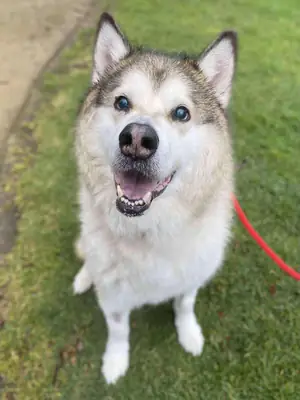
Haven't found the pet you're looking for? Let people who want to find a new home for their pet reach out to you.
Create your free pet adoption request listing now and be seen by thousands of pet owners.
Other listings in your area
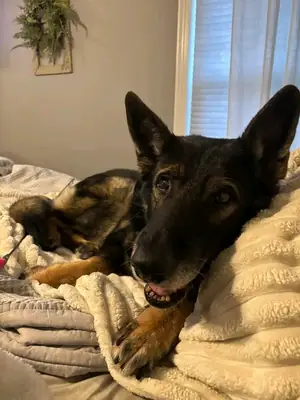
Wunderschöner Deutscher Schäferhundwelpe

Bezaubernde Zwergpudelwelpen

Pomeranian puppy ready for a new home
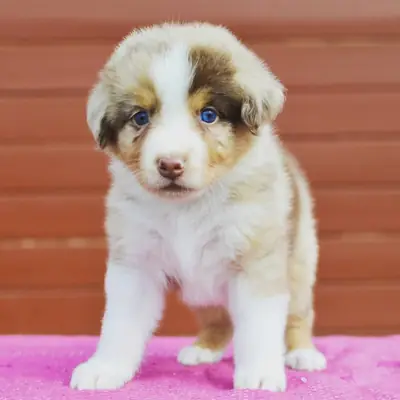
priceless Australia shepherd puppies for Rehoming
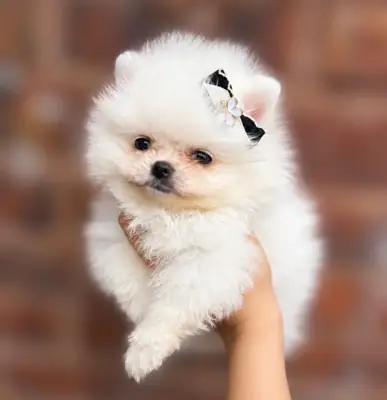
Amazing Micro Teacup Pomeranian puppy

Labrador Retriever Puppies For Re-homing .Text us on Whatsapp.... ***
Popular Searches
Husky dogs for adoption in Frankfurt
Husky dogs for adoption in Frankfurt should be assessed with brutal honesty. This is not a low-effort city dog chosen for blue eyes, thick coat, or a dramatic wolf-like look. A Husky is an athletic, intelligent, vocal, social dog that needs movement, structure, secure handling, and an owner who understands escape risk and prey drive.
On Petopic, compare each Husky listing by age, size, microchip, vaccination record, neutering, health notes, exercise routine, leash manners, recall, home-alone behaviour, howling, digging, door-dashing, fence security, car travel, heat tolerance, shedding, children compatibility, cat compatibility, dog compatibility, and the real reason for adoption. A strong listing tells you how the dog lives; a weak one only says “friendly Husky”.
Adopt a Husky in Frankfurt
Adopting a Husky in Frankfurt only makes sense if your lifestyle can handle a dog that needs daily exercise, mental work, secure walking equipment, and consistent boundaries. Frankfurt has parks, river paths, forests, and active neighbourhoods, but a Husky still needs an owner who shows up every day, not only on weekends.
Before replying to a listing, ask whether the dog pulls on lead, ignores recall, chases cats or wildlife, howls when left alone, escapes through doors or gardens, and handles trams, traffic, lifts, stairwells, cyclists, joggers, and busy streets. A Husky adoption should start with practical questions, not romantic ideas about the breed.
Siberian Husky adoption Frankfurt
Siberian Husky adoption in Frankfurt attracts people who love the breed’s appearance, but the real match depends on energy, independence, social needs, and control outdoors. A Siberian Husky can be affectionate and playful, but it can also be stubborn, vocal, hard to recall, and very motivated by movement.
A reliable listing should explain whether the dog has lived in an apartment, how much exercise it currently gets, whether it can walk calmly through the city, whether it has escaped before, how it behaves around small animals, and whether it settles indoors after activity. The word “Siberian” adds nothing if the behaviour details are missing.
Husky rehoming in Frankfurt
Husky rehoming in Frankfurt should always include a clear reason. Many Huskies are rehomed because the owner underestimated exercise needs, shedding, howling, pulling, prey drive, escape behaviour, landlord issues, neighbour complaints, or the difficulty of leaving the dog alone.
The reason matters because it predicts the next home. If the listing says “no time”, “urgent”, “beautiful dog”, or “needs space” without explaining behaviour, the listing is too thin. For a Husky, vague rehoming text usually hides the hardest part of the dog.
Husky rescue dog Frankfurt
A Husky rescue dog in Frankfurt may be a fantastic companion, but only if the assessment is honest. Rescue-style listings should describe fear, confidence, lead behaviour, dog tolerance, prey drive, recall, resource guarding, car travel, grooming tolerance, and ability to relax indoors.
Look for details about foster behaviour, previous home history, vet checks, training progress, and the type of home required. Some Huskies need experienced owners, no cats, secure outdoor access, calm dogs only, or gradual alone-time training. Rescue adoption works when the listing prepares you for reality.
Husky puppy adoption Frankfurt
A Husky puppy in Frankfurt is not an easier version of an adult Husky. Puppy adoption means toilet training, bite control, crate or safe-space training, socialisation, leash work, grooming practice, car travel, vet visits, and months of preventing bad habits before they become adult problems.
The listing should include exact age, vaccination and deworming status, microchip, current food, toilet progress, social exposure, mother and litter information, health checks, and reason for adoption. A Husky puppy with no clear medical and behavioural information is not a lucky find; it is a gamble.
Adult Husky adoption Frankfurt
An adult Husky can be a smarter adoption choice because the dog’s real behaviour is already visible. You can ask about pulling, recall, escape attempts, howling, shedding, prey drive, house training, dog interactions, and whether the dog has already lived in an apartment.
The listing should clearly state neutering, microchip, vaccinations, medical notes, current exercise routine, walking equipment, reaction to traffic, behaviour around cats and small animals, and how long the dog can be left alone. Adult does not mean difficult; it means you should get better information.
Husky for apartment living in Frankfurt
A Husky can live in an apartment only when the daily routine is strong enough: long walks, structured activity, mental work, calm rest, secure exits, good neighbour management, and realistic alone-time training. Apartment living fails when the dog is bored, loud, under-exercised, or constantly frustrated.
A strong listing should mention stairwell behaviour, lift confidence, barking or howling at neighbours, settling after walks, door manners, balcony safety, home-alone behaviour, and toilet routine. “Suitable for apartment” means proven calm behaviour, not just a statement.
Husky for active owner Frankfurt
A Husky is best suited to an active owner who enjoys daily movement in all seasons. Frankfurt’s river paths, green spaces, and surrounding forests can support an active routine, but they do not replace training, leash control, recall management, and safe handling.
The listing should say how many walks the dog gets, whether it jogs, hikes, pulls, bikes safely, ignores commands outdoors, or becomes destructive when under-stimulated. “Active dog” should be translated into actual hours, distance, behaviour, and training level.
Husky with high exercise needs
High exercise needs in a Husky are not solved by one short walk around the block. Many Huskies need sustained movement, sniffing, problem-solving, training, social time, and a predictable routine. Without that, they may dig, chew, howl, pull, pace, or look for ways to escape.
When reading a listing, ask what the dog’s current daily schedule looks like, not what the breed is “supposed” to be like. A real schedule tells you whether your life can match the dog or whether you are buying yourself a problem.
Husky escape artist adoption
Escape risk is one of the most important Husky adoption questions. A Husky may slip through doors, jump low fences, dig under barriers, open weak gates, bolt from cars, or chase movement before the owner can react.
The listing should state whether the dog has ever escaped, how it behaves at front doors, whether it is reliable off lead, what harness or collar setup is used, and whether a garden must be fully secured. If the listing ignores escape behaviour, it is not complete enough for this breed.
Husky prey drive with cats
Husky prey drive with cats must be taken seriously. Some Huskies can live with cats if raised carefully and managed well, but many have a strong chase instinct around cats, rabbits, birds, and small animals.
If you have a cat, the listing should say whether the Husky has lived with cats, whether it chases cats outdoors, whether it can settle in the same room, and whether it responds to redirection. “Friendly with people” does not mean safe with cats.
Husky compatible with other dogs
Many Huskies enjoy other dogs, but compatibility still depends on size, energy level, play style, sex, neutering, resource guarding, and leash behaviour. A rough, vocal, high-energy play style can overwhelm calmer dogs.
The listing should explain whether the Husky has lived with dogs, plays gently or intensely, guards food or toys, reacts on lead, and whether it needs another active dog or would do better alone. Dog-friendly is not a single yes-or-no label.
Husky for families with children
A Husky can live with children, but the match depends on training, size, energy, mouthiness, jumping, food guarding, and the children’s ability to respect the dog. A large, excited Husky can knock over young children even without aggression.
A listing should state whether the dog has lived with children, what ages, whether it jumps up, mouths during play, guards food, steals toys, reacts to noise, or needs a calm space. “Good with kids” means nothing without examples.
Husky howling in apartment
Howling is a real issue for many Husky adopters, especially in Frankfurt apartments. Some Huskies vocalise when excited, bored, alone, frustrated, or responding to sirens and hallway sounds. In a shared building, this can become a neighbour problem fast.
The listing should explain when the dog howls, how long it continues, whether there have been complaints, whether the dog is quiet at night, and whether it vocalises when left alone. Do not trust the word “quiet” unless the listing explains the situations.
Husky home alone Frankfurt
A Husky left alone for long periods can become loud, destructive, anxious, or inventive. The breed’s social nature means the home-alone question is not optional, especially for people working full days in Frankfurt offices.
Ask how long the dog currently stays alone, whether it howls, chews, scratches doors, escapes, toilets indoors, or needs another dog nearby. If your weekday routine cannot match the dog, the adoption will punish both of you.
Husky shedding and coat care
Husky shedding is not a small detail. Their double coat can shed heavily, especially during seasonal coat blow. The coat should be brushed regularly, and the home must be ready for hair on floors, clothes, car seats, and furniture.
The listing should say whether the dog accepts brushing, how heavy the shedding is, whether the skin is healthy, whether the coat has been shaved, and how the dog behaves during grooming. If you hate dog hair, a Husky is a bad idea.
Husky in hot weather Frankfurt
Frankfurt summers can be hard for a Husky. Heat, asphalt, public transport, crowded streets, and poorly timed walks can make life uncomfortable or unsafe for a northern breed. A Husky owner needs cool walking hours, water, shade, and common sense.
The listing should explain how the dog handles warm weather, whether it refuses walks in heat, whether it pants heavily, and what routine works in summer. Do not adopt a Husky if you expect the same activity schedule in July that works in winter.
Husky microchip and vaccination record
A responsible Husky adoption listing should be clear about microchip, vaccination record, deworming, flea and tick treatment, neutering, EU pet passport where relevant, medication, previous injuries, allergies, and any known health conditions.
Before adoption, confirm how ownership details will be updated and what documents come with the dog. For a strong, fast, escape-prone dog, identification and records are not paperwork noise; they are part of responsible ownership.
Husky dog tax and registration Frankfurt
When adopting a Husky in Frankfurt, the future owner should check local dog registration and dog tax requirements. This is not something to leave until later, because local rules, deadlines, fees, and tags can affect responsible ownership from the first weeks.
A good listing should not only describe the dog but also make the handover clear: documents, chip details, vaccination record, ownership transfer, previous address if relevant, and the date the dog moves. Adoption becomes cleaner when administrative details are handled early.
Husky near Frankfurt and Hesse
The right Husky may be in Frankfurt, Offenbach, Bad Homburg, Hanau, Wiesbaden, Mainz, Darmstadt, Aschaffenburg, or wider Hesse. Expanding the search can help, but distance should never beat transparency.
A Husky slightly farther away with clear behaviour, health, microchip, vaccination, exercise, recall, prey drive, and home-alone information is safer than a nearby listing with attractive photos and vague claims. With this breed, the best listing is the one that tells the truth before you fall in love.
Frequently Asked Questions
What should I check before adopting a Husky in Frankfurt?
Before adopting a Husky in Frankfurt, check the dog’s age, size, microchip, vaccination record, deworming, neutering, health history, exercise routine, leash control, recall, prey drive, escape behaviour, howling, shedding, home-alone tolerance, and compatibility with children, cats, and other dogs.
You should also understand local dog registration and dog tax requirements. A Husky adoption should be based on verified information, not just appearance.
Is a Husky suitable for apartment living in Frankfurt?
A Husky can live in an apartment only if the owner provides enough exercise, training, mental stimulation, secure exits, quiet rest, and neighbour-friendly management of howling or barking.
Ask whether the dog has lived in an apartment, how it reacts to hallway noise, whether it uses stairs or lifts calmly, how long it can stay alone, and whether it settles indoors after walks.
How much exercise does a Husky need?
A Husky usually needs substantial daily exercise plus mental work. Short toilet walks are not enough for many Huskies. Without enough activity, they may become loud, destructive, restless, or focused on escaping.
Ask the current owner for the dog’s real daily routine: number of walks, length of walks, training, running, hiking, play, calm time, and behaviour on days with less activity.
Do Huskies run away or escape?
Many Huskies have strong escape tendencies. They may bolt through doors, dig under fences, jump barriers, slip collars, or chase movement before the owner can stop them.
Before adoption, ask whether the dog has escaped before, how it behaves near doors and gates, what harness setup is used, and whether the dog can ever be safely off lead. Secure management is essential.
Can a Husky live with cats?
Some Huskies can live with cats if carefully raised and managed, but many have a strong prey drive. A Husky that is friendly with humans is not automatically safe with cats or small animals.
If you have a cat, ask whether the Husky has lived with cats, whether it chases cats outdoors, whether it can settle in the same room, and how introductions were handled.
Are Huskies good with other dogs?
Many Huskies enjoy other dogs, but compatibility depends on energy, play style, size, sex, neutering, resource guarding, and leash behaviour. Some play very roughly or become frustrated on lead.
A listing should say whether the Husky has lived with dogs, how it greets dogs, whether it guards food or toys, and whether it needs an active dog companion or a calmer home.
Are Huskies good family dogs for children?
A Husky can be a good family dog, but only when the dog is trained, supervised, and matched to the children’s age and behaviour. A large, excited Husky can jump, mouth, knock children over, or steal toys.
Ask whether the dog has lived with children, what ages, whether it jumps up, guards food, reacts to noise, mouths during play, or needs a quiet space away from family activity.
Do Huskies howl a lot?
Some Huskies are very vocal. They may howl when excited, bored, alone, frustrated, or responding to sirens, hallway sounds, or other dogs. This matters a lot in an apartment building.
Ask when the dog howls, how long it continues, whether neighbours have complained, whether it is quiet at night, and whether howling happens when the dog is left alone.
Can a Husky be left alone during work hours?
Some Huskies can be trained to stay alone for limited periods, but many struggle if left for long hours. They may howl, chew, scratch doors, pace, escape, or become highly stressed.
Ask exactly how long the dog currently stays alone and what happens when the owner leaves. If you work long office hours and have no plan, a Husky may be the wrong dog.
How much grooming does a Husky need?
A Husky has a dense double coat that sheds heavily, especially during seasonal coat changes. Regular brushing is necessary, and the home must be ready for a lot of dog hair.
Ask whether the dog accepts brushing, how heavy the shedding is, whether the skin is healthy, and whether the coat has ever been shaved. A Husky is not a low-shedding dog.
How should a Husky be managed in hot weather?
In warm Frankfurt weather, a Husky needs cool walking times, shade, water, rest, and protection from hot asphalt. Heavy exercise in heat is a bad idea.
Ask how the dog handles summer, whether it pants heavily, refuses walks in heat, needs shorter routes, or has had heat-related problems. A northern breed needs a sensible summer routine.
What documents should a Husky adoption listing mention?
A responsible Husky listing should mention microchip, vaccination record, deworming, flea and tick treatment, neutering, EU pet passport where relevant, medical history, current medication, and ownership transfer details.
After adoption, the new owner should also check local dog registration and dog tax requirements. Documentation is part of responsible ownership, especially for a strong, active dog.
How do I recognise a reliable Husky adoption listing in Frankfurt?
A reliable listing includes real photos, location, age, size, microchip, vaccination record, health history, neutering, exercise needs, leash behaviour, recall, prey drive, escape history, howling, shedding, home-alone tolerance, children and pet compatibility, and a clear reason for adoption.
A weak listing only says “beautiful”, “friendly”, “blue eyes”, “needs space”, or “urgent” without behaviour and health facts. With a Husky, transparency matters more than appearance.