Free Bengal Cat Adoption in Glasgow
There are 2 Bengal listings live right now, last updated 28 Jun 2026. Find Bengal cats for free adop... There are 2 Bengal listings live right now, last updated 28 Jun 2026. Find Bengal cats for free adoption in Glasgow with the details serious adopters need before making contact: age, microchip status,... There are 2 Bengal listings live right now, last updated 28 Jun 2026. Find Bengal cats for free adoption in Glasgow with the details serious adopters need before making contact: age, microchip status, neutering, vaccinations, indoor or outdoor history, litter tray habits, coat pattern, breed confirmation, generation background where known, temperament, vocal behaviour, climbing needs, play level, time-alone tolerance and whether the cat can live with children, dogs or other cats. Bengals are intelligent, athletic, high-energy companion cats with striking spotted or marbled coats and strong enrichment needs, so a good adoption match should focus on honest rehoming reasons, safe settling, vet records, microchip transfer, allergy expectations, indoor safety and daily stimulation across Glasgow and nearby Scotland areas rather than choosing only because the cat is free, rare-looking or described as low shedding.
Haven't found the pet you're looking for? Let people who want to find a new home for their pet reach out to you.
Create your free pet adoption request listing now and be seen by thousands of pet owners.
Other listings in your area
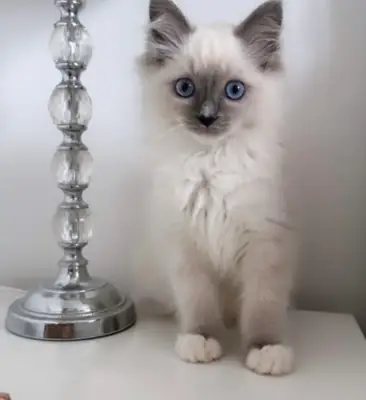
️ Meet Our Beautiful Ragdoll Babies ️
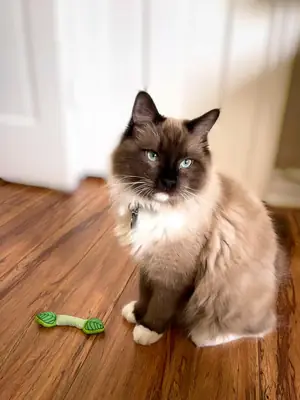
ragdoll cat, very calm, rehoming
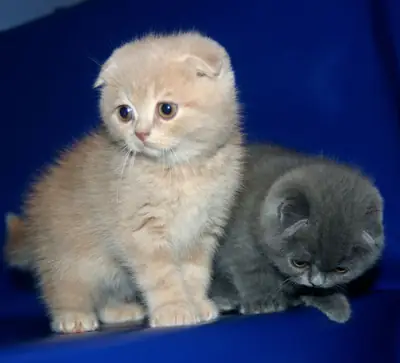
SCOTTISH FOLD KITTENS
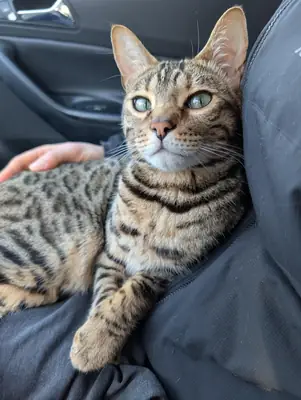
bengal cat, active, not for lazy homes
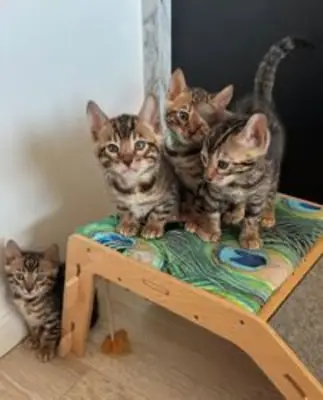
Bengal cats and kittens for adoption
Popular Searches
Free Bengal adoption Glasgow
Free Bengal adoption in Glasgow needs careful checking because this is a high-interest cat breed with a bold look and demanding lifestyle needs. A no-fee listing should still give clear information about age, microchip status, neutering, vaccinations, indoor history, litter tray habits, health records, behaviour and the real reason for rehoming.
A Bengal is not just a spotted cat. It is usually active, clever, athletic and easily bored, so the right home should be ready for climbing space, daily play, safe enrichment and a routine that keeps the cat mentally busy.
Bengal cats for adoption Glasgow
Bengal cats for adoption in Glasgow can suit adopters who want an interactive, confident and energetic cat rather than a quiet sofa ornament. A strong listing should describe daily behaviour: climbing, vocal habits, play drive, litter use, handling, time alone and reaction to visitors or other pets.
Ask for recent photos and videos, not only polished coat shots. A Bengal that looks stunning can still be a poor match if the home cannot provide enough activity, structure and patience.
Bengal rescue Glasgow
Bengal rescue in Glasgow often attracts people who already love the wild-looking coat, but rescue matching should start with behaviour and care needs. Ask why the cat is being rehomed, whether it is bored, vocal, destructive, stressed by other pets or too active for the current owner.
A useful rescue listing should explain the cat’s routine, enrichment needs, vet history, microchip transfer, litter tray reliability and whether the cat needs an experienced Bengal-aware home.
Bengal rehoming Glasgow
Bengal rehoming in Glasgow should always be judged by the reason for rehoming. A cat being moved because of a landlord issue is different from one being moved because it cries at night, climbs everything, fights another cat, sprays, escapes or needs more stimulation than expected.
Ask how long the current owner has had the cat, whether the cat is confirmed Bengal, whether it is microchipped and neutered, whether it has lived indoors and what kind of daily routine keeps it settled.
Bengal free to good home Glasgow
Bengal free to good home Glasgow searches need a strict filter. “Good home” should mean secure windows, proper microchip transfer, vet budget, climbing space, scratching areas, food puzzles, litter hygiene, daily play and realistic understanding of a high-energy cat.
Before adopting, check whether the Bengal is vocal, restless, destructive when bored, safe with children, safe with other pets and genuinely suited to your work schedule and home layout.
Free Bengal kittens Glasgow
Free Bengal kittens in Glasgow will attract fast attention, so weak listings should be treated as risky. A kitten advert should include exact age, microchip status, vaccination plan, worming, flea treatment, litter progress, diet, handling, socialisation and a clear explanation of why the kitten is being offered for adoption.
Do not move quickly because the kitten has rosettes or unusual colour. Ask for current videos, parent or breed history where available and proof that the kitten is healthy, eating well and ready for a safe move.
Adult Bengal adoption Glasgow
Adult Bengal adoption in Glasgow can be smarter than chasing kittens because the cat’s real energy level, vocal habits, confidence, pet tolerance, litter habits and time-alone behaviour are already clearer.
Ask whether the adult Bengal is playful, clingy, independent, demanding, destructive when bored, good with visitors, safe with children and able to settle indoors after proper enrichment.
Senior Bengal adoption Glasgow
Senior Bengal adoption in Glasgow can suit a calm but enriched home, but older cats need honest planning around teeth, kidneys, heart notes, eyesight, weight, appetite, mobility, medication and litter tray access.
Ask about recent vet notes, drinking habits, jumping ability, dental work, night-time vocalisation, appetite changes and whether the cat still enjoys play or now prefers warm, quieter companionship.
Bengal adoption near me Glasgow
Bengal adoption near me in Glasgow can include Paisley, Renfrew, Clydebank, East Kilbride, Hamilton, Motherwell, Coatbridge, Airdrie, Dumbarton, Stirling and wider central Scotland searches.
Local distance helps with safer viewing and calmer handover, but nearby is not enough. A local Bengal with vague behaviour notes, no microchip detail or unclear rehoming reason is still a weak adoption option.
Bengal rescue Scotland
Bengal rescue Scotland searches make sense because confirmed Bengals may not appear in Glasgow every day. Widening the area can help, but it should not weaken your checks.
Compare listings by microchip transfer, vet records, breed confirmation, indoor safety, vocal behaviour, activity level, litter tray reliability, pet compatibility and whether the current home can explain the cat’s real needs clearly.
Rare Bengal cat adoption Glasgow
Rare Bengal cat adoption in Glasgow can create urgency, and urgency is where adopters make bad choices. A rare-looking coat should make you ask better questions, not fewer questions.
Ask whether the breed is confirmed, whether generation background is known, whether current vet records exist, whether the photos are recent and whether the current owner can describe the cat’s routine without vague copied phrases.
Bengal breed verification adoption
Bengal breed verification matters because spotted or marbled cats can be described as Bengal without proof. That does not make the cat less worthy of adoption, but it changes expectations around behaviour, health and ancestry.
Ask whether registration papers, breeder history, rescue notes or vet records support the breed claim. If there is no proof, the listing should be honest and describe the cat as Bengal-like rather than guaranteed Bengal.
Bengal generation adoption Glasgow
Bengal generation background can matter when adopting because early-generation cats may have more complex needs than later domestic Bengals. Many pet Bengals are later-generation domestic cats, but the adopter should not guess.
Ask whether the cat’s generation is known, whether paperwork exists and whether the cat has any behaviour that needs an experienced home, such as extreme activity, spraying, escape attempts or difficulty settling indoors.
Spotted Bengal adoption Glasgow
Spotted Bengal adoption in Glasgow is a strong appearance-led search, but spots are not the adoption decision. A spotted coat does not tell you whether the cat can live with children, cope indoors, use the litter tray reliably or settle when left alone.
Ask for current photos, videos, vet notes, microchip details, neutering proof and a behaviour description that covers daily routine, not only colour and pattern.
Rosetted Bengal cat adoption Glasgow
Rosetted Bengal cat adoption in Glasgow can attract people who want the classic wild-looking pattern. That pattern may drive clicks, but it should never hide missing paperwork, vague health history or poor behaviour detail.
Ask whether the cat is confirmed Bengal, whether the rosettes are shown in recent natural-light photos and whether the owner can explain temperament, activity, vocal habits and indoor safety clearly.
Marble Bengal adoption Glasgow
Marble Bengal adoption in Glasgow appeals to adopters who prefer flowing coat patterns rather than spots. Pattern choice is fine, but suitability comes first.
Ask whether the cat is active, vocal, people-focused, dog-friendly, cat-friendly, litter reliable, indoor-safe and whether it has any history of spraying, scratching, escaping or becoming destructive when bored.
Snow Bengal adoption Glasgow
Snow Bengal adoption in Glasgow can create extra urgency because pale coats and blue or aqua-toned eyes stand out. Unusual colour should not make the adopter ignore the basics.
Ask whether the cat has clear eyes, current vet records, microchip transfer, neutering proof, breed confirmation and a real description of how it behaves with people, pets and indoor life.
Silver Bengal adoption Glasgow
Silver Bengal adoption in Glasgow is another colour-led search that can pull in quick interest. A clean silver coat in photos does not prove health, temperament or breed confirmation.
Ask whether the cat’s coat is healthy, whether there are skin issues, whether the photos are recent and whether the cat’s energy level, vocal behaviour and home needs match your routine.
Brown Bengal adoption Glasgow
Brown Bengal adoption in Glasgow is often the most recognisable version of the breed. The classic look can be beautiful, but it should not distract from health and behaviour checks.
Ask about activity level, litter use, scratching, climbing, vocal habits, microchip transfer, vet history and whether the cat is confident in a normal home rather than just photogenic.
Indoor Bengal adoption Glasgow
Indoor Bengal adoption in Glasgow can work if the home is enriched, secure and active enough. A Bengal kept indoors without climbing, play and mental stimulation may become noisy, frustrated or destructive.
Ask whether the cat has always lived indoors, whether it door-dashes, whether it cries at windows, whether it needs a catio or safe enclosed space and whether it has enough vertical territory indoors.
Bengal for flat living Glasgow
A Bengal can live in a Glasgow flat only if the space is genuinely enriched. The problem is not just square footage; it is boredom, noise, climbing needs, play drive and whether the cat can settle without outdoor access.
Ask whether the Bengal vocalises at night, scratches doors, climbs shelves, opens cupboards, needs another pet, reacts to neighbour noise or has already lived happily in a smaller indoor home.
High energy Bengal cat adoption
High energy Bengal cat adoption should be taken literally. This breed often needs running games, climbing, puzzle feeders, interactive play, scent work, safe hunting-style games and a home that enjoys an involved cat.
Ask what happens when the cat is bored. If the answer includes chewing, cupboard opening, door scratching, loud calling or rough play, the adopter needs a proper enrichment plan from day one.
Playful Bengal adoption Glasgow
Playful Bengal adoption in Glasgow should be treated as a lifestyle match, not a cute extra. A Bengal may want daily wand play, chase games, tunnels, puzzle feeders, climbing frames and owner involvement.
Ask whether the cat plays gently or roughly, whether it nips during play, whether it needs structured sessions and whether it can relax after activity instead of staying constantly switched on.
Bengal climbing cat adoption
Bengal climbing cat adoption should prepare the home for height. Many Bengals like shelves, wardrobes, cat trees, high perches and watching the room from above.
Ask whether the cat climbs curtains, kitchen counters, doors or wardrobes, and whether it uses cat trees or wall shelves. If legal climbing places are not provided, the cat will probably choose illegal ones.
Bengal cat enrichment adoption
Bengal cat enrichment adoption should be central to the decision. This cat may need puzzle feeders, food hunts, shelves, scratchers, tunnels, training games, water play and regular interaction to stay balanced.
Ask what enrichment the current owner uses, what the cat enjoys most and what behaviour appears when stimulation is too low. A bored Bengal can turn a weak home setup into a daily problem.
Vocal Bengal cat adoption Glasgow
Vocal Bengal cat adoption in Glasgow should be discussed honestly. Some Bengals are expressive and will call for food, doors, play, attention or access to a favourite space.
Ask whether the cat cries at night, talks constantly, yowls when left alone, calls at closed doors or becomes louder when bored. Vocal is charming only if the household can live with it.
Bengal cat left alone
Bengal cat left alone searches matter because this breed can become bored or frustrated without enough stimulation. Some Bengals cope with routine; others become vocal, destructive or attention-seeking.
Ask how long the cat is normally left, whether it cries, scratches, chews, opens cupboards, overgrooms, stops eating or becomes frantic when people return.
Bengal cat escape risk adoption
Bengal cat escape risk adoption checks matter because a curious, athletic cat may door-dash, climb windows, push through weak screens or look for outdoor stimulation.
Ask whether the cat has escaped before, whether it tries doors, whether windows are secure and whether the new home can offer safe indoor enrichment or enclosed outdoor access without relying on luck.
Bengal cat water behaviour adoption
Bengal cat water behaviour adoption is worth asking about because some Bengals are fascinated by taps, sinks, showers, bowls and bathrooms. This can be funny until it becomes messy or unsafe.
Ask whether the cat plays with water, tips bowls, jumps into sinks, follows people into bathrooms or needs a water fountain to stay satisfied. Small behaviour details make daily life easier to predict.
Bengal with children Glasgow
Bengal with children in Glasgow can work when the cat is confident and the children understand respectful play. A lively Bengal may enjoy games, but rough handling or chasing can quickly create stress.
Ask what ages the cat has lived with, whether it scratches when overstimulated, whether it uses claws during play and whether it prefers older children who can follow boundaries.
Bengal with dogs Glasgow
Bengal with dogs in Glasgow can work if the cat has suitable dog experience and the dog is calm, cat-friendly and controlled. A bold Bengal may approach dogs, but chasing can ruin the match quickly.
Ask whether the cat has lived with dogs, whether it hides, swipes, freezes, plays or relaxes around them and whether the home can provide safe rooms, height and slow introductions.
Bengal with other cats Glasgow
Bengal with other cats can be friendly, playful, bossy or selective depending on the individual. A high-energy cat can overwhelm calmer cats if introductions are rushed.
Ask whether the Bengal has shared food areas, litter trays, beds and owner attention before. Slow scent introductions are safer than putting cats together immediately.
Bengal litter tray habits adoption
Bengal litter tray habits should be checked before adoption because accidents can come from stress, dirty trays, urinary issues, territory conflict, spraying or sudden routine change.
Ask whether the cat uses open or covered trays, whether litter type matters, whether accidents or spraying have happened and whether a vet has checked any recent toileting change.
Bengal scratching furniture adoption
Bengal scratching furniture adoption should be discussed directly because active cats need strong scratching outlets. Scratching is normal; unmanaged scratching becomes a home conflict.
Ask what scratching posts the cat uses, whether it scratches sofas, carpets, doors or wallpaper and whether boredom, stress or lack of vertical territory makes the behaviour worse.
Bengal health checks adoption
Bengal health checks before adoption should include more than “looks fit”. Ask about heart notes, eye health, kidneys, hips, knees, teeth, weight, appetite, litter habits, skin, coat condition, medication and recent vet visits.
A Bengal does not need a perfect health history to be adoptable, but unknowns should be stated honestly. Specific vet records are stronger than vague reassurance.
Bengal HCM adoption Glasgow
Bengal HCM adoption questions matter because heart history can affect long-term care. A cat may look athletic and still need proper checks if a murmur, scan or family heart issue has ever been mentioned.
Ask whether a vet has heard a murmur, whether any heart scan exists, whether there has been fainting, fast breathing, exercise intolerance or medication, and whether recent vet notes are available.
Bengal PRA adoption Glasgow
Bengal PRA adoption checks matter because progressive retinal atrophy can affect sight. Eye health should not be ignored just because the cat moves confidently in familiar rooms.
Ask whether testing or vet notes exist, whether the cat bumps into objects, hesitates in dim light, struggles with stairs, shows cloudy eyes or becomes nervous in unfamiliar spaces.
Bengal kidney health adoption
Bengal kidney health should be discussed for adult and senior cats, especially if there is increased drinking, increased urination, weight loss, appetite change or recent blood test information.
Ask whether blood or urine results exist, whether diet changes were advised and whether the cat needs monitoring after adoption. Clear records matter more than reassurance.
Bengal dental care adoption
Bengal dental care should be checked before adoption because dental pain can hide behind normal eating and playful behaviour. Bad breath, drooling or avoiding hard food should not be ignored.
Ask when the cat last had a dental check, whether teeth have been removed, whether gums bleed and whether vet records mention tartar, inflammation or mouth pain.
Bengal weight adoption Glasgow
Bengal weight adoption checks matter because the breed can look lean, muscular and athletic. That does not mean every active-looking cat is in ideal condition.
Ask current weight, food type, appetite, activity level, recent weight changes and whether a vet has advised weight gain, weight loss or monitoring after adoption.
Microchipped Bengal adoption Glasgow
Microchipped Bengal adoption in Glasgow should include a clear keeper transfer process. The chip should match the cat, and the new keeper details should be updated after handover.
This matters even if the cat is indoor-only. A newly adopted Bengal can hide, slip outside, door-dash or panic in a new area before it recognises the home.
Vaccinated Bengal rehoming Glasgow
Vaccinated Bengal rehoming in Glasgow should state what has been given, what is due next and whether a vet record is available.
Also ask about flea treatment, worming, appetite, weight, dental checks, coat condition, skin issues, medication and any recent illness. “Healthy” without records is too thin for a serious adoption decision.
Neutered Bengal adoption Glasgow
Neutered Bengal adoption in Glasgow can make adult rehoming simpler, but it does not replace checks on behaviour, litter habits, spraying, health or pet compatibility.
Ask whether the cat is neutered, whether proof exists, whether recovery was normal and whether any spraying, roaming, weight or urinary changes were noticed afterwards.
Private Bengal rehoming Glasgow
Private Bengal rehoming in Glasgow can be genuine, but it needs careful checking. Some owners are honest; others may minimise boredom, spraying, litter problems, missing paperwork, pet conflict, escape risk or hidden vet costs.
Ask for microchip details, vet records, vaccination status, neutering proof, recent videos and the exact rehoming reason. A responsible owner should care where the cat goes, not just how quickly it leaves.
Bengal adoption scam Glasgow
Bengal adoption scams in Glasgow can use stolen photos, rare-colour claims, kitten pictures, urgent transport fees, delivery-only offers and vague answers about ownership or vet history.
Ask for current videos, proof of ownership, microchip details, vet notes, a clear rehoming reason and a safe meeting plan. If the cat is supposedly free but the pressure is high, stop.
Glasgow Scotland Bengal adoption
Glasgow, Paisley, Renfrew, Clydebank, East Kilbride, Hamilton, Motherwell, Coatbridge, Airdrie, Dumbarton and Stirling are realistic local search areas for Bengal adoption.
Use that reach properly: compare microchip transfer, vet records, breed confirmation, generation background if known, litter habits, indoor safety, temperament, enrichment needs, pet compatibility and rehoming reason before arranging collection. The closest Bengal is not automatically the right Bengal.
Frequently Asked Questions
What should I check before adopting a free Bengal cat in Glasgow?
Check the cat’s age, microchip status, vaccination history, neutering, vet records, indoor or outdoor background, litter tray habits, temperament, vocal behaviour, activity level and reason for rehoming.
For a Bengal, also ask about breed confirmation, generation background if known, climbing needs, escape risk, enrichment routine, heart notes, eye health and whether the cat can live safely with children, dogs or other cats.
Is a Bengal a good adoption cat?
Yes, a Bengal can be a strong adoption choice for an active home that wants an intelligent, playful and interactive companion cat.
The right match still depends on the individual cat’s energy level, health, litter habits, indoor safety, enrichment needs, vocal behaviour and compatibility with the household.
Can I adopt a Bengal cat for free in Glasgow?
Free Bengal adoption listings may appear in Glasgow, but they are likely to attract quick interest because the breed is distinctive and popular.
Do not choose only because there is no fee. Check microchip transfer, vet records, breed honesty, behaviour, litter tray habits and the real reason for rehoming before committing.
How can I tell if a cat is really Bengal?
Breed paperwork, breeder history or clear rescue notes give stronger confidence than appearance alone.
A spotted or marbled coat can suggest Bengal influence, but ask whether the cat is confirmed Bengal or simply described as Bengal-like.
Does Bengal generation matter when adopting?
It can matter if the cat’s background is known. Later-generation domestic Bengals are the normal pet type, while early-generation hybrids may have more complex needs.
Ask whether generation background or paperwork exists, especially if the cat is described as unusually wild, difficult, intense or not suited to a normal pet home.
Are Bengal cats rare in Scotland?
Bengals are not impossible to find, but confirmed adoption listings can be less common than ordinary domestic cat listings.
Rarity should not rush the decision. Health, temperament, ownership transfer and home suitability still matter more than coat pattern or breed label.
Are Bengal cats good indoor cats?
A Bengal can live indoors if the home is secure, enriched and active enough.
Provide climbing space, scratching areas, toys, puzzle feeders, safe windows, hiding places and daily interactive play to prevent boredom and frustration.
Can a Bengal live in a flat in Glasgow?
Yes, a Bengal can live in a flat if the space is secure, enriched and suitable for a high-energy cat.
The cat needs places to climb, scratch, play, watch outside and rest. Flat suitability depends on stimulation and routine, not just room size.
Are Bengal cats high energy?
Yes, many Bengals are highly active and need daily stimulation.
Ask whether the cat climbs, jumps, runs, opens cupboards, needs puzzle feeders, plays roughly or becomes destructive when bored.
Are Bengal cats playful?
Yes, many Bengals are very playful and enjoy interactive games.
Ask whether the cat likes wand toys, tunnels, food puzzles, climbing frames, chase games, fetch-style play or training games.
Are Bengal cats vocal?
Many Bengals can be vocal and expressive, especially when they want food, play, attention or access to a room.
Ask whether the cat cries at night, calls when left alone, talks constantly or becomes louder when bored.
Can Bengal cats be left alone?
Some Bengals cope with predictable alone time, but many need stimulation and may become bored without enough activity.
Ask how long the cat is usually left, whether it cries, scratches, chews, opens cupboards, overgrooms or becomes frantic when people return.
Are Bengal cats destructive when bored?
They can become destructive or difficult if under-stimulated, especially in a home with little climbing space, few toys and not enough interaction.
Ask whether the cat scratches furniture, chews items, climbs curtains, opens cupboards or causes damage when bored.
Do Bengal cats need a cat tree?
A strong cat tree or safe climbing setup is highly useful for a Bengal because many enjoy height and active movement.
Ask whether the cat already uses cat trees, shelves, wardrobes or high furniture, and prepare legal climbing places before bringing it home.
Do Bengal cats like water?
Some Bengals are interested in water, taps, sinks, showers or bowls, though every cat is different.
Ask whether the cat tips bowls, jumps into sinks, follows people into bathrooms or prefers a water fountain.
Are Bengal cats hypoallergenic?
No cat should be treated as guaranteed allergy-free. Some people may react less to some cats, but Bengals can still trigger allergies.
If allergies matter, spend time with Bengal cats before adopting and avoid relying only on a listing that promises an easy allergy solution.
Do Bengal cats shed?
Bengals can shed like other cats, though many have a short, sleek coat that may seem easier to manage.
Ask about shedding, skin condition, dandruff, overgrooming, bald patches and whether the cat accepts gentle brushing.
Do Bengal cats need much grooming?
Bengals usually have short coats, so grooming is often manageable, but coat care should not be ignored.
Ask whether the cat sheds, overgrooms, has dandruff, has bald patches or dislikes handling around the body and paws.
Should an adopted Bengal be microchipped?
Yes, the cat should be microchipped and the keeper details should be transferred correctly after adoption.
Ask how the microchip transfer will be handled before collection, especially if the Bengal is indoor-only but curious, fast or likely to door-dash.
Should a Bengal be vaccinated before adoption?
Vaccination status should be clear before adoption. Ask what has been given, what is due next and whether a vet record is available.
Also ask about flea treatment, worming, recent illness, appetite, weight, skin condition and any current medication.
Should a Bengal be neutered before rehoming?
Many adult rehomed cats are neutered, but not all. Ask whether the Bengal is neutered and whether proof or vet notes are available.
If the cat is not neutered, ask whether the adopter is expected to arrange neutering and whether there has been spraying, roaming or vocal behaviour linked to hormones.
Are Bengal cats good with children?
Some Bengals can live well with respectful children, especially if the cat is confident and the children understand boundaries.
Ask what ages the cat has lived with, whether it scratches when overstimulated, whether it plays roughly and whether it needs a calmer home.
Can Bengal cats live with dogs?
A Bengal may live with calm, cat-friendly dogs if it has suitable history and slow introductions are managed properly.
Ask whether the cat has lived with dogs, whether it hides, swipes, freezes, plays or relaxes around them.
Can Bengal cats live with other cats?
Some Bengals can live with other cats, while others are selective, territorial, playful or too intense for calmer cats.
Ask whether the cat has shared food areas, litter trays, beds and owner attention before, and use slow scent introductions after adoption.
Can Bengal cats live with small pets?
Small pets should be treated with caution because an active Bengal may chase or fixate on birds, rabbits, rodents or other small animals.
Ask whether the cat has lived around small pets before, and use strict separation if the history is unknown.
Are Bengal cats good for first-time cat owners?
A Bengal can suit a first-time cat owner only if the adopter is ready for a highly active, intelligent and demanding cat.
It is a poor match for someone choosing only because the cat looks exotic, without preparing for play, noise, climbing, enrichment and strong boundaries.
What health details should I ask about in a Bengal?
Ask about heart notes, eye health, kidney health, hip or knee issues, dental care, weight, appetite, skin condition, litter habits, previous illness and medication.
The cat does not need a perfect health history to be adoptable, but the history should be clear and honest.
Should I ask about HCM in a Bengal?
Yes. Ask whether a vet has ever mentioned a heart murmur, scan, fast breathing, fainting, exercise intolerance or medication.
A Bengal can look athletic and still have heart history that needs proper vet follow-up.
Should I ask about PRA in a Bengal?
Yes. Ask whether testing or vet notes exist and whether the cat has any difficulty seeing in low light or unfamiliar spaces.
Also ask about bumping into furniture, hesitation on stairs, cloudiness, squinting or changes in confidence when moving around.
Should I ask about dental care in a Bengal?
Yes. Dental pain can hide behind normal eating and playful behaviour.
Ask when the cat last had a dental check, whether teeth have been removed, whether it eats comfortably and whether bad breath, drooling or gum problems have been noticed.
Should I ask about urinary problems in a Bengal?
Yes, especially if the cat has accidents, strains, cries in the tray, passes blood, urinates often or avoids the litter tray.
Ask whether a vet checked urine, whether diet changes were needed and whether stress or territory conflict has triggered problems before.
Is a senior Bengal a good adoption choice?
A senior Bengal can be a good adoption choice for a home that can manage vet care, teeth, weight, eyesight, mobility and gentle enrichment.
Ask about appetite, drinking, jumping ability, medication, coat condition, recent vet notes and whether the cat still enjoys play or prefers a quieter routine.
How do I avoid Bengal adoption scams in Glasgow?
Watch for stolen photos, rare-colour claims, delivery-only offers, urgent transport fees, missing microchip details, vague vet records and pressure to decide quickly.
Ask for current videos, proof of ownership, microchip information, vet notes, a clear rehoming reason and a safe meeting plan.
What should I prepare before bringing a Bengal home?
Prepare a secure starter room, litter tray, familiar food, water bowls, strong scratching areas, tall cat tree, puzzle feeders, interactive toys, carrier, vet registration and secure windows.
Keep the first week controlled. Do not rush visitors, full-house access, other pets or outdoor time before the cat has settled and the microchip transfer is complete.