Glasgow Scottish Deerhound Free Rehoming
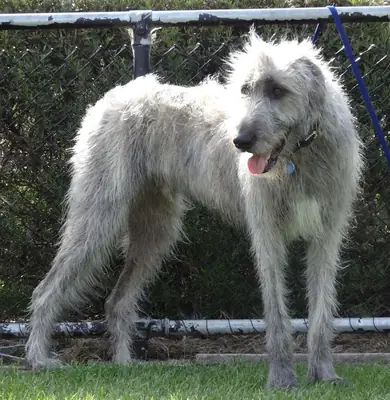
There's 1 Scottish Deerhound listing live right now, last updated 12 Apr 2026. Find Scottish Deerhou... There's 1 Scottish Deerhound listing live right now, last updated 12 Apr 2026. Find Scottish Deerhound free rehoming listings in Glasgow and compare each dog by age, microchip status, vaccination hist... There's 1 Scottish Deerhound listing live right now, last updated 12 Apr 2026. Find Scottish Deerhound free rehoming listings in Glasgow and compare each dog by age, microchip status, vaccination history, health notes, temperament, prey drive, lead manners, recall, home routine, experience with children, cats, small pets and other dogs. The Scottish Deerhound is a large, gentle Scottish sighthound with a calm nature but serious exercise, space and health needs, so adopting one should mean checking whether your home, garden, transport, budget and daily routine can safely support a tall, sensitive dog built for open movement rather than casual city ownership.
Haven't found the pet you're looking for? Let people who want to find a new home for their pet reach out to you.
Create your free pet adoption request listing now and be seen by thousands of pet owners.
Quick Information
Other listings in your area

Cute Pomeranian puppy for rehoming
Astonishing Pomeranian puppies ready to go

I am giving free Pomeranian adoption
We want to adopt our poodle for 1 year
We are offering adoption for our Zeytin Belgian puppy.
Exceptional Cane Corso Puppies Looking for Loving Forever Homes
Popular Searches
Scottish Deerhound free rehoming Glasgow
Scottish Deerhound free rehoming in Glasgow is not the same as taking in a “big gentle dog” because it looks noble and calm in photos. This is a large Scottish sighthound with a soft temperament, long legs, strong prey drive and a real need for safe space, steady exercise and thoughtful handling.
A strong listing should explain the dog’s age, microchip status, vaccination history, neuter status, health notes, lead manners, recall, home routine, sleep pattern, behaviour with strangers, children, dogs, cats and smaller animals. A weak listing says “lovely Deerhound, free to good home” and leaves the adopter guessing.
Adopt Scottish Deerhound Glasgow
To adopt a Scottish Deerhound in Glasgow, the first question is not whether you like the breed; it is whether your daily life can carry the dog. A Deerhound may be gentle indoors, but it is still tall, athletic and fast when movement triggers instinct.
Before applying, think about stairs, car access, enclosed walking areas, muddy weather, vet transport, sofa space, secure doors, garden fencing and whether everyone in the home can manage a large sighthound safely. Wanting the breed is easy; living well with it is the real test.
Scottish Deerhound rescue Glasgow
Scottish Deerhound rescue searches around Glasgow often come from people who already understand sighthounds and want a calm, dignified companion. That is the right direction, but rescue and rehoming still require hard checks: history, behaviour, health, handling and long-term cost.
The listing should state why the dog needs rehoming, whether a home check is expected, how the dog copes with being left, whether it has lived with other animals and what support the current keeper can give after handover. “Rescue” should never mean vague information.
Deerhound free to good home Scotland
Deerhound free to good home in Scotland is a high-intent search, but it attracts the wrong people if the listing is too casual. A free dog still needs proper screening, proof of a suitable home and a clear handover plan.
The current keeper should describe the dog honestly: age, size, medical history, insurance status if any, diet, exercise needs, prey drive, recall, fears, separation issues and any incidents. The adopter should be chosen for fit, not speed.
Adult Scottish Deerhound rehoming
Adult Scottish Deerhound rehoming can be a better match than taking on a puppy, because the dog’s size, temperament, prey drive, sofa habits, lead manners and comfort around visitors are already visible.
But an adult Deerhound without history is not a safe shortcut. The listing should explain why the dog is being rehomed, how it behaves at home, how it travels, whether it pulls on lead, how it reacts to wildlife and whether it has lived with children, dogs or cats.
Scottish Deerhound puppy rehoming Glasgow
Scottish Deerhound puppy rehoming in Glasgow needs extra care because a small-looking puppy becomes a very large dog. Growth, joints, feeding, stairs, exercise limits and socialisation matter from the first week.
A puppy listing should include date of birth, microchip details, vaccination status, worming, feeding routine, breeder or previous home information, exposure to people and basic handling. A Deerhound puppy should not be passed around quickly because someone underestimated the adult size.
Scottish Deerhound adoption near Glasgow
People searching Scottish Deerhound adoption near Glasgow often look across the wider area, including Paisley, East Kilbride, Hamilton, Motherwell, Clydebank, Bearsden, Milngavie, Stirling, Ayrshire and Edinburgh. That is sensible for a rare breed.
Distance should not be the deciding factor. A slightly farther listing with clear health notes, temperament detail and a responsible handover is better than a nearby dog offered with no microchip confirmation, no behaviour history and no screening.
Scottish Deerhound for adoption Scotland
Scottish Deerhound for adoption in Scotland should be written for people who understand large sighthounds, not for impulse adopters. The breed can be gentle, affectionate and quiet at home, but it still needs safe outlets and realistic handling.
The listing should make the right home obvious: secure outdoor access, calm household, suitable transport, experience with large dogs or sighthounds, awareness of prey drive and ability to manage veterinary costs. A good adoption page filters as much as it attracts.
Scottish Deerhound microchip and paperwork
Scottish Deerhound microchip and paperwork checks are not optional. In Scotland, dogs should be microchipped and the keeper details must be kept accurate, especially when a dog changes home.
The handover should include the microchip transfer process, vaccination record, veterinary notes, medication details if any, diet, insurance information if available and emergency contact information. A free rehoming still needs a clean paper trail.
Scottish Deerhound temperament
The Scottish Deerhound temperament is often described as gentle, dignified and affectionate, but that does not mean every dog will suit every home. Some are shy, some are more chase-driven, some dislike noisy households and some need time before trusting new people.
A listing should describe real behaviour: greeting visitors, being handled, settling indoors, travelling in the car, meeting dogs, seeing wildlife, hearing city noise and being left alone. “Lovely nature” is too thin unless it is backed by examples.
Scottish Deerhound prey drive
Scottish Deerhound prey drive is one of the biggest adoption checks. This breed was built to notice movement and run, so cats, rabbits, squirrels, small dogs or livestock can trigger instinct depending on the individual dog.
Before adopting, ask how the dog reacts to wildlife, whether it has recall, whether it can be safely off lead, whether it has lived with cats and how it behaves around smaller dogs. If the listing ignores prey drive, it is not doing the adopter a favour.
Scottish Deerhound with cats
A Scottish Deerhound with cats can work only when the dog has a proven history, careful introductions and controlled spaces. Do not assume a gentle Deerhound is automatically safe around cats; sighthound instinct can switch on fast.
The listing should state whether the dog has lived with cats, ignored cats indoors, chased cats outdoors or shown fixation. A cat-owning home needs gates, separate rooms, lead control and patience, not wishful thinking.
Scottish Deerhound with small dogs
Scottish Deerhound with small dogs is a serious matching question. Some Deerhounds live peacefully with smaller dogs, while others may become too excited by fast movement or rough in play because of size difference.
Ask for real examples: shared walks, indoor settling, food behaviour, play style, lead greetings and reactions to small dogs running. “Good with dogs” is not specific enough for a giant sighthound.
Scottish Deerhound with children
A Scottish Deerhound can be gentle with children, but size changes the risk. Even a friendly Deerhound can knock over a small child, steal food from a low hand or take up far more space than expected.
The listing should explain whether the dog has lived with children, how it reacts to noise, running, toys, visitors and being touched. The right home teaches children to respect the dog’s bed, food and quiet time.
Scottish Deerhound for elderly owner
A Scottish Deerhound for an elderly owner can be a wonderful match only if lead strength, transport, stairs, vet visits and emergency support are realistic. Calm indoors does not erase the physical size of the dog.
The listing should be honest about pulling, recall, jumping, car loading, stairs and health needs. If the adopter cannot safely manage the dog during a sudden lunge or illness, the match is not fair to either side.
Scottish Deerhound exercise needs
Scottish Deerhound exercise needs are not solved by a tiny garden or a slow pavement walk. Adults need regular movement, safe space and chances to stretch, but puppies and young dogs need careful limits to protect growing bodies.
In Glasgow, think about secure fields, quiet walking routes, wet weather, mud, traffic, livestock areas and reliable recall. A Deerhound that cannot run safely still needs a thoughtful exercise plan.
Scottish Deerhound off lead safety
Scottish Deerhound off lead safety should be discussed before adoption. This breed can cover distance quickly, and visual triggers may override weak recall.
The listing should say whether the dog has reliable recall, whether it chases deer, sheep, cats, squirrels or cyclists, and what kind of fenced space it needs. “Usually comes back” is not good enough near roads, livestock or public parks.
Scottish Deerhound garden requirements
Scottish Deerhound garden requirements matter because this is a tall dog with long reach and sudden speed. A low fence, weak gate or shared open space may not be enough, especially if wildlife passes nearby.
The ideal listing should state whether the dog needs a secure garden, whether it jumps, digs, watches wildlife or settles calmly outdoors. A Deerhound should not be rehomed into a space where safety is based on hope.
Scottish Deerhound in a flat Glasgow
A Scottish Deerhound in a flat in Glasgow may be possible for the right adult dog, but it is not the default easy option. Stairs, lift access, narrow halls, shared entrances, toileting routine and transport all matter.
If the dog is older, calm and already used to flat life, it may work. If the dog is young, bouncy, anxious or struggling with stairs, the setup is weak. The listing should describe the dog’s current living environment honestly.
Scottish Deerhound health problems
Scottish Deerhound health problems should be listed plainly, not hidden behind “healthy and happy”. Large sighthounds can carry risks around bloat, heart health, bone cancer, joints, anaesthetic sensitivity discussions and age-related mobility.
The rehoming advert should include vet history, current medication, previous surgery, lumps, limping, weight, appetite, breathing, exercise tolerance and any screening notes. If the current keeper cannot answer basic health questions, the adopter is walking in blind.
Scottish Deerhound bloat risk
Scottish Deerhound bloat risk should be understood before rehoming. Deep-chested large dogs need sensible feeding routines, calm after meals and quick veterinary action if symptoms appear.
The listing should describe meal frequency, appetite, bowl habits, history of stomach issues and any vet advice already given. The adopter should know where the nearest emergency vet is before the dog comes home, not after a crisis starts.
Scottish Deerhound heart checks
Scottish Deerhound heart checks are worth asking about because large sighthounds can have breed-specific health considerations. A rehoming advert should not dodge questions about exercise tolerance, coughing, fainting, tiredness or previous vet findings.
For an older Deerhound, ask whether the dog has had recent vet checks, whether a murmur was ever mentioned and whether medication is used. Free rehoming does not make health history less important.
Scottish Deerhound bone cancer awareness
Scottish Deerhound bone cancer awareness matters because the breed is known for concern around osteosarcoma. That does not mean every dog will be affected, but adopters should take unexplained limping, swelling or pain seriously.
A listing for an older Deerhound should mention lameness history, vet checks, pain medication, activity changes and any lumps or swelling. A good adopter reads health notes before falling in love with the photo.
Scottish Deerhound grooming
Scottish Deerhound grooming is not usually high-glamour work, but the rough coat still needs regular brushing, checking for matting, ticks, grass seeds, skin irritation and mud after Scottish weather.
The listing should say whether the dog tolerates brushing, nail trimming, ear checks and being dried after wet walks. A large dog that hates handling becomes a practical problem very quickly.
Scottish Deerhound feeding cost
Scottish Deerhound feeding cost must be considered before adoption. A large dog eats more, needs good body condition management and may require careful feeding routines because of deep-chested breed risks.
The current keeper should state the dog’s food, meal times, appetite, allergies, stomach sensitivity and monthly feeding estimate if possible. A free dog is not a free commitment; the ongoing cost is the real number.
Senior Scottish Deerhound adoption
Senior Scottish Deerhound adoption can be deeply rewarding because older Deerhounds are often calm, affectionate and settled. But the adopter must be ready for mobility support, vet costs, soft bedding, gentle exercise and end-of-life responsibility.
The listing should be specific about arthritis, medication, stairs, appetite, continence, sleep, pain signs and how the dog handles car travel. A senior Deerhound deserves comfort, not another rushed move.
Male Scottish Deerhound rehoming
Male Scottish Deerhound rehoming should mention more than sex. Adult males can be very large, so lead manners, strength, car access, behaviour with other males and comfort around strangers matter.
The listing should describe whether he is neutered, whether he pulls, marks indoors, guards food, chases wildlife or settles quietly. “Male Deerhound available” is not enough information for a safe match.
Female Scottish Deerhound rehoming
Female Scottish Deerhound rehoming should still be treated seriously. A female may be smaller than a male, but she is still a large sighthound with real exercise, space and health needs.
The listing should include whether she is spayed, her cycle history if relevant, temperament, dog compatibility, prey drive, recall, health and home routine. Choosing by sex alone is a lazy match.
Rehome my Scottish Deerhound Glasgow
If you need to rehome your Scottish Deerhound in Glasgow, write the listing for the dog’s safety, not for fast messages. Be honest about why the dog needs a new home, what kind of environment suits it and what problems the next owner must be ready for.
Include age, microchip, vet history, diet, exercise, behaviour, prey drive, children, cats, dogs, separation, transport, stairs and any health issues. Hiding problems may get more enquiries, but it creates a bad adoption and risks the dog being moved again.
Scottish Deerhound listing on Petopic
A strong Scottish Deerhound listing on Petopic should help adopters decide quickly whether they are truly suitable. This breed needs more than a loving sentence; it needs clear practical detail.
The best listing covers microchip, health, temperament, home routine, exercise, prey drive, other animals, children, transport, garden security and handover expectations. The goal is not to attract everyone. The goal is to attract the right home.
Frequently Asked Questions
What should I check before adopting a Scottish Deerhound in Glasgow?
Before adopting a Scottish Deerhound in Glasgow, check the dog’s age, microchip status, vaccination history, vet notes, temperament, prey drive, lead manners, recall, diet, exercise needs and behaviour around children, cats, small pets and other dogs.
You should also think about your home, garden security, car access, stairs, vet budget and ability to manage a large sighthound safely in everyday life.
Is the Scottish Deerhound a dog?
Yes, the Scottish Deerhound is a large Scottish sighthound dog. It is tall, rough-coated, gentle, dignified and originally developed for hunting deer by sight and speed.
As a companion, it can be calm and affectionate, but it still needs space, exercise, careful handling and sensible management around prey triggers.
Is a Scottish Deerhound suitable for Glasgow city life?
It can be suitable for Glasgow city life if the home has enough space, safe walking options, secure outdoor access and a realistic routine. The dog’s size, prey drive and exercise needs must be respected.
A flat or busy area is not automatically impossible, but stairs, lifts, shared entrances, traffic, recall and transport must be planned properly.
Can a Scottish Deerhound be rehomed for free?
A Scottish Deerhound can be offered through free rehoming, but free should not mean careless. The dog still needs proper screening, microchip transfer, health information and a safe handover.
The current keeper should choose the right home, not the fastest enquiry. The adopter should be ready for ongoing food, vet, insurance, travel and equipment costs.
Does a Scottish Deerhound need to be microchipped in Scotland?
Yes, dogs in Scotland should be microchipped and the keeper details should be kept up to date. During rehoming, the microchip transfer process must be handled properly.
Ask for the microchip details, vaccination record, vet history and any medication notes before finalising an adoption.
Is a Scottish Deerhound good with children?
A Scottish Deerhound can be gentle with children, but its size means supervision is necessary. Even a kind dog can knock over a small child by accident.
Before adopting, ask whether the dog has lived with children, how it reacts to noise, running, food, toys and being touched. Children must respect the dog’s bed, food and quiet time.
Can a Scottish Deerhound live with cats?
Some Scottish Deerhounds can live with cats, but only with a proven history, careful introductions and secure management. The breed’s sighthound prey drive means chasing can be a real risk.
Ask whether the dog has lived with cats, ignored cats indoors or chased cats outdoors. Cat-owning homes should use separate spaces, gates and controlled introductions.
Is a Scottish Deerhound safe with small dogs?
It depends on the individual dog. Some Scottish Deerhounds live well with small dogs, while others may become overexcited by fast movement or play too roughly due to size difference.
Ask for real examples of behaviour around small dogs, shared walks, food, toys, lead greetings and indoor settling before deciding.
How much exercise does a Scottish Deerhound need?
Adult Scottish Deerhounds need regular exercise and safe space to move, but puppies and young dogs need controlled activity while growing.
The right routine should include calm walks, secure open space when appropriate, rest, lead control and careful management around wildlife or livestock.
Can a Scottish Deerhound be let off lead?
Only in genuinely safe, enclosed areas or where recall and environment make it safe. Scottish Deerhounds are sighthounds and may chase moving animals quickly.
Before adopting, ask about recall, wildlife reactions, livestock exposure, road safety and whether the dog has ever run off. Weak recall is a serious issue in this breed.
Does a Scottish Deerhound need a garden?
A secure garden is helpful, especially for a large sighthound, but it does not replace walks or safe exercise. The fence and gates must be suitable for a tall dog.
If there is no garden, the adopter needs reliable access to safe outdoor space, a strong daily routine and a plan for toileting and exercise in bad weather.
Can a Scottish Deerhound live in a flat?
A calm adult Scottish Deerhound may live in a flat if exercise, stairs, lift access, toileting and transport are realistic. It is not automatically impossible, but it must be practical.
Young, bouncy, anxious or mobility-limited Deerhounds may struggle in flats, especially with stairs or shared entrances.
What health problems should adopters ask about?
Ask about bloat risk, heart history, bone cancer concerns, limping, lumps, joint pain, previous surgery, medication, appetite, weight and exercise tolerance.
The current keeper should provide honest vet notes where possible. Free rehoming should never mean hiding medical information.
Is bloat a concern in Scottish Deerhounds?
Yes, bloat is a serious concern for deep-chested large dogs, including Scottish Deerhounds. Feeding routine, rest around meals and emergency awareness matter.
Ask about meal schedule, appetite, previous stomach issues and vet advice. Know your nearest emergency vet before bringing the dog home.
Is a senior Scottish Deerhound a good adoption choice?
A senior Scottish Deerhound can be a wonderful adoption choice for a calm home, but the adopter must be ready for vet costs, mobility support, soft bedding and gentle exercise.
Ask about arthritis, medication, stairs, appetite, pain signs, continence, sleep and car travel before agreeing to rehome an older dog.
Is a Scottish Deerhound expensive to keep?
Yes, it can be expensive because it is a large dog. Food, bedding, transport, vet care, insurance, medication and emergency treatment can all cost more than with smaller breeds.
Free adoption removes a rehoming fee, not the lifetime cost. Budget honestly before applying.
What should a Scottish Deerhound rehoming listing include?
A good listing should include age, sex, microchip, vaccination history, neuter status, vet notes, diet, exercise needs, temperament, prey drive, recall, lead manners and behaviour with children, cats, dogs and visitors.
It should also explain why the dog needs rehoming and what kind of home is required. A vague listing creates bad matches.
Where can I look for Scottish Deerhound rehoming near Glasgow?
You can look across Glasgow and nearby areas such as Paisley, East Kilbride, Hamilton, Motherwell, Clydebank, Bearsden, Milngavie, Stirling, Ayrshire and Edinburgh.
Because Scottish Deerhounds are not common, expanding the search area can help. Still, prioritise microchip details, health history, temperament and responsible handover over distance.