Hamburg Pomeranian Dog Adoption
There are 7 Pomeranian listings live right now, last updated 3 days ago. Looking for Pomeranian dog ... There are 7 Pomeranian listings live right now, last updated 3 days ago. Looking for Pomeranian dog adoption listings in Hamburg? Petopic helps you browse Pomeranian and Zwergspitz adoption posts with... There are 7 Pomeranian listings live right now, last updated 3 days ago. Looking for Pomeranian dog adoption listings in Hamburg? Petopic helps you browse Pomeranian and Zwergspitz adoption posts with the details that actually matter before you contact the current owner or carer. A Pomeranian is a small, lively, intelligent and people-focused dog with a fluffy double coat, a bold personality and a strong need for daily attention; it can suit apartment life in Hamburg, but only when barking, grooming, house training, heat sensitivity, dental care, safe handling and alone-time behaviour are understood from the start. Whether you are searching in Hamburg-Mitte, Altona, Eimsbüttel, Hamburg-Nord, Wandsbek, Bergedorf, Harburg, St. Pauli, Winterhude, Barmbek, Eppendorf, Ottensen, Blankenese, Rahlstedt or nearby areas, check each Pomeranian adoption listing for age, vaccination record, microchip status, dog registration, parasite prevention, neutering status, vet history, coat-care routine, barking triggers, behaviour with children, cats and other dogs, travel tolerance, separation behaviour, reason for rehoming and whether your home can offer a calm, legal and long-term life for this small dog.
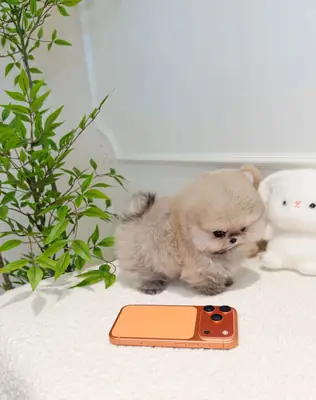
Pomeranian dog
Healthy and adorable Pomeranian puppy
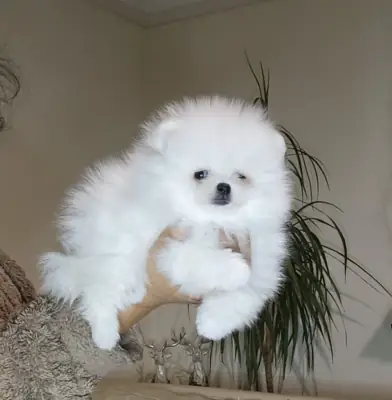
Adorable Pedigree Pomeranian Puppies
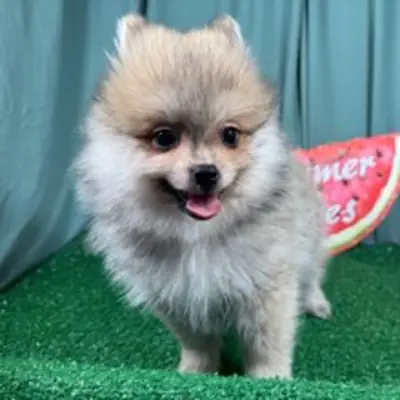
Bezaubernder Pomeranian Welpe im Bärchen-Look (Creme / Sable)
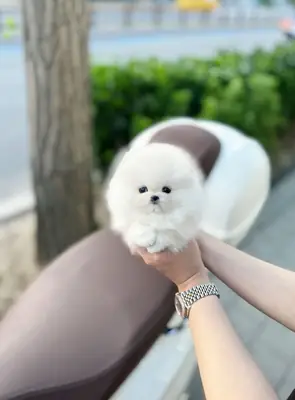
Playful and friendly pomeranian boo is free
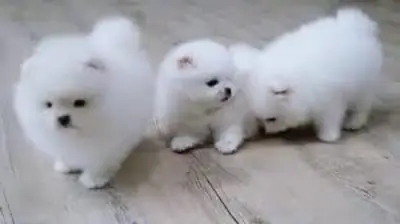
Pomeranian puppies
Pomeranian Pups
Haven't found the pet you're looking for? Let people who want to find a new home for their pet reach out to you.
Create your free pet adoption request listing now and be seen by thousands of pet owners.
Quick Information
Other listings in your area

Adorable Goldendoodle-Welpe
Healthy and adorable Dachshund puppy

BOXER WELPEN MIT ALLEN IMPFUNGEN ZUR ADOPTION 49........152.....1503......4137

Cane Corso puppy
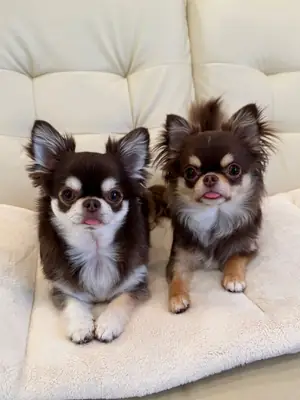
2 female Chihuahua puppies available for adoption

Zwei erstklassige Pudel-Welpen verfügbar
Popular Searches
Pomeranian dog adoption in Hamburg
Pomeranian dog adoption in Hamburg should be judged by health, behaviour and daily care, not by fluffy photos alone. A Pomeranian is small, bright and affectionate, but it can also be vocal, alert, sensitive to handling and demanding when it comes to grooming and attention.
A useful listing should state the dog’s age, sex, district, vaccination record, microchip status, dog registration situation, parasite prevention, neutering status, vet history, barking triggers, house-training routine, coat-care habits and reason for rehoming. If the listing only says “cute Pom looking for a home”, it is too weak for a serious adoption decision.
Adopt a Pomeranian in Hamburg
To adopt a Pomeranian in Hamburg, first look at your real routine: working hours, apartment rules, neighbours, lift or stairs, summer heat, grooming time and whether someone can give the dog enough contact during the day.
Before replying to a listing, ask if the dog has lived in an apartment, how long it can stay alone, whether it barks at hallway sounds, how it behaves on public transport or in a carrier, and whether it is comfortable around strangers. Hamburg city life can suit a Pomeranian, but only when the dog is prepared for noise, people and structure.
Pomeranian adoption listings Hamburg
Pomeranian adoption listings in Hamburg should give enough information for a real match. Good photos help, but behaviour details are more important: barking, confidence, grooming tolerance, toilet habits, separation behaviour and social skills decide whether the adoption will work.
Look for listings that mention the dog’s current lifestyle, walk routine, feeding schedule, coat condition, vet checks, microchip, registration and rehoming reason. A listing with no health or behaviour detail is not “minimal”; it is incomplete.
Zwergspitz adoption Hamburg
In Germany, many people search for this dog as “Zwergspitz”, so a Hamburg Pomeranian adoption page should naturally cover both names. Pomeranian and Zwergspitz are often used together in listings, especially when people describe small Spitz-type dogs.
Still, the name is not enough. Ask whether the dog is pure Pomeranian, Zwergspitz, German Spitz mix or simply a small fluffy Spitz-type dog. The exact label matters less than honest information about size, health, temperament, grooming, barking and legal paperwork.
Pomeranian in Hamburg looking for a new home
A Pomeranian in Hamburg looking for a new home may be rehomed because of moving, allergies, lack of time, barking complaints, health costs, conflict with other pets or changes in family life. The reason matters because it tells you what kind of home the dog needs next.
A transparent listing should explain why the dog is being rehomed without hiding difficult details. If the dog has separation anxiety, noise sensitivity, grooming issues, medical needs or trouble with children or other dogs, that information belongs in the listing before anyone falls for the photo.
Small dog adoption Hamburg
Small dog adoption in Hamburg often brings people to Pomeranians because they look easy to manage in apartments. That assumption is dangerous. Small size does not mean low responsibility.
A Pomeranian still needs training, grooming, dental care, safe walking equipment, mental stimulation and clear rules around barking. The right question is not “Will it fit in my flat?” but “Can I give this small dog the routine, calm and care it needs every day?”
Pomeranian for apartment life in Hamburg
A Pomeranian can live well in a Hamburg apartment if barking, alone time, hallway noise, stairs, visitors and toilet routine are already under control. The breed’s size helps, but its alert personality can create neighbour problems if ignored.
If a listing says the dog is apartment-friendly, ask for proof in daily behaviour: Does it bark at doors? Can it stay alone? Does it react to lifts? Is it calm after walks? Does it sleep through the night? “Good for flats” is not enough without examples.
Free Pomeranian adoption Hamburg
Free Pomeranian adoption in Hamburg can sound attractive, but a free handover does not make the dog cheap to keep. Grooming, vet care, food, dental checks, insurance, equipment, registration, parasite prevention and unexpected health costs still need a real budget.
A trustworthy free adoption listing should still give full details: documents, microchip, vaccination record, vet history, coat condition, behaviour and reason for rehoming. If urgency replaces information, slow down.
Pomeranian puppy adoption Hamburg
Pomeranian puppy adoption in Hamburg needs extra care because a tiny puppy can look easy while needing constant structure. House training, socialisation, bite inhibition, grooming tolerance, vaccination, safe handling and alone-time training all start early.
The listing should include the puppy’s age, current food, vet check, vaccinations, parasite prevention, microchip status, socialisation with people, toilet routine and whether the puppy has been separated at an appropriate age. A very young puppy with vague health details is a bad risk.
Adult Pomeranian adoption Hamburg
Adult Pomeranian adoption in Hamburg can be more predictable than adopting a puppy. With an adult dog, you can usually see barking level, grooming tolerance, house training, social confidence, reaction to traffic and ability to stay alone.
A good listing should explain whether the dog is neutered, microchipped, registered, vaccinated, used to city walks, comfortable in apartments and calm around children or other pets. Adult dogs are not second-best; unclear adult listings are the problem.
Senior Pomeranian adoption Hamburg
A senior Pomeranian in Hamburg may be ideal for a quiet home, but the listing must be honest about health. Teeth, heart, joints, eyes, weight, mobility, coat condition and medication should be described clearly.
Ask how long the dog can walk, whether it can climb stairs, whether it needs frequent vet checks, how it sleeps, whether it has accidents indoors and how it handles cold, rain and summer heat. A senior dog can be a beautiful adoption when the reality is clear.
Pomeranian rescue Hamburg
Pomeranian rescue in Hamburg may involve dogs with unclear pasts, stress, fear, barking issues, dental neglect, coat matting or limited training. The point is not to reject them; the point is to know what you are taking on.
A rescue-style listing should explain the dog’s background, behaviour assessment, vet care, grooming status, social reactions and recommended home. Compassion is good, but blind adoption is not.
Pomeranian rehoming Hamburg
Pomeranian rehoming in Hamburg should be handled with full transparency. Rehoming because of barking, work schedules, landlord rules, health costs or family changes is not automatically bad, but hiding the reason is a red flag.
Ask what the dog struggles with, what it does well, what routine it currently has and what kind of home failed before. The next home should solve the dog’s problem, not repeat it with a prettier introduction.
Pomeranian with children
A Pomeranian can live with children, but the match depends on the dog’s confidence and the child’s behaviour. Because Pomeranians are small and delicate, rough handling, grabbing, chasing or dropping can cause fear or injury.
The listing should say whether the dog has lived with children, what ages it knows, whether it guards toys or food, how it reacts to noise and whether it enjoys gentle contact. “Good with kids” without examples is not enough.
Pomeranian with cats
A Pomeranian may live peacefully with cats, but only if the dog has the right temperament and the introduction is slow. Some Pomeranians ignore cats, some chase from excitement, and some bark when a cat runs.
If you already have a cat, ask whether the dog has lived with cats before, whether it chases animals outdoors, whether it guards food and whether it can calm down when a cat moves quickly. Separate spaces and slow introductions are essential.
Pomeranian with other dogs
A Pomeranian can live with other dogs, but small size does not guarantee easy social behaviour. Some are bold with larger dogs, some are nervous, and some become possessive around attention, beds or food.
The listing should explain behaviour with male dogs, female dogs, small dogs, large dogs and puppies. If you already have a dog, the first meeting should be calm, neutral and supervised, not rushed in the hallway or at home.
Pomeranian barking in an apartment
Pomeranian barking in an apartment is one of the most important topics for Hamburg adopters. Hallway footsteps, doorbells, neighbours, dogs outside, alone time and excitement can all trigger barking.
A serious listing should describe when the dog barks, how long it takes to calm down, whether neighbours have complained and whether training has helped. A Pomeranian that barks constantly may still be adoptable, but only by someone ready to work on it.
Pomeranian separation anxiety
Pomeranians are often very attached to their people, so separation behaviour must be checked before adoption. Crying, barking, scratching doors, pacing, accidents indoors or refusing food can appear when the dog is left alone.
Ask how many hours the dog can stay alone, what it does during that time, whether it has been filmed, whether neighbours hear barking and whether it needs a gradual independence routine. This is not a small detail in a city apartment.
Pomeranian grooming Hamburg
Pomeranian grooming in Hamburg is not optional. The double coat needs regular brushing, careful drying after rain, ear checks, nail trimming, dental attention and coat monitoring during seasonal shedding.
The listing should say whether the dog accepts brushing, bathing, blow-drying, paw cleaning and professional grooming. Hamburg rain, mud and damp weather can make coat care more important than new owners expect.
Pomeranian dental care
Pomeranian dental care matters because small dogs can develop dental problems if teeth are ignored. Bad breath, tartar, loose teeth, pain while eating or previous extractions should be discussed before adoption.
A useful listing should mention the dog’s dental history, recent vet checks, whether brushing is accepted and whether the dog eats normally. Cute face, bad teeth and hidden vet bills are a bad combination.
Pomeranian heat sensitivity
Pomeranians have a dense coat and need sensible heat management. In summer, long walks in hot hours, overheated flats, crowded public transport and lack of water can make a small dog uncomfortable quickly.
The listing should explain how the dog handles warm weather, whether it pants heavily, whether it prefers short walks, and how it behaves after grooming or exercise. Small dogs still need proper temperature control.
Pomeranian house training
Pomeranian house training should be clear before adoption. Some small dogs are fully outdoor trained, some use pads, and some have accidents when routines change or when left alone too long.
Ask how often the dog goes out, whether it signals, whether it has accidents at night, whether stress causes problems and what surface or routine it knows. “House trained” is not enough unless the routine is explained.
Pomeranian microchipped and registered in Hamburg
A Pomeranian microchipped and registered in Hamburg gives a safer start because the dog’s identity and responsibility can be traced. The full microchip number does not need to be shown publicly, but the status should be clear before handover.
Ask how the dog registration, microchip record, vaccination record, dog tax and any responsibility transfer will be handled. If the paperwork is vague, the adoption is not ready, no matter how sweet the dog looks.
Reliable Pomeranian adoption listing in Hamburg
A reliable Pomeranian adoption listing in Hamburg is specific, current and honest. It includes recent photos, district, age, health details, vaccination record, microchip status, registration information, coat-care routine, barking level, social behaviour, alone-time tolerance and the reason for rehoming.
Warning signs include old photos, no documents, pressure to collect quickly, vague age, hidden health issues, no mention of barking, no grooming information and descriptions that rely only on “tiny”, “fluffy” or “cute”. For a Pomeranian, missing detail is not harmless; it is a risk signal.
Frequently Asked Questions
What should I check before adopting a Pomeranian in Hamburg?
Before adopting a Pomeranian in Hamburg, check the dog’s age, vaccination record, microchip status, registration situation, parasite prevention, neutering status, vet history, dental health, coat condition, house training, barking level and reason for rehoming.
You should also ask how the dog behaves around children, cats, other dogs, visitors, hallway sounds, public transport and alone time. A Pomeranian is small, but the adoption decision must be detailed.
Is a Pomeranian suitable for apartment life in Hamburg?
A Pomeranian can be suitable for apartment life in Hamburg if barking, alone time, toilet routine, hallway noise and daily walks are well managed. Size helps, but it does not solve behaviour or neighbour issues.
Before adoption, ask whether the dog has lived in an apartment, whether it barks at doors or lifts, whether it can stay alone and whether it settles calmly after walks.
Is Pomeranian the same as Zwergspitz in German listings?
In many German listings, Pomeranian and Zwergspitz are used together or interchangeably for very small Spitz-type dogs. However, some listings may describe a Spitz mix or a dog that only looks similar.
Ask for clear information about size, age, health, temperament, documents and background. The name matters, but honest details about the dog matter more.
Does a Pomeranian need a lot of grooming?
Yes. A Pomeranian has a thick double coat that needs regular brushing, drying after rain, seasonal shedding control, ear checks, nail trimming and coat monitoring. Grooming is part of basic care, not a luxury.
Before adopting, ask whether the dog accepts brushing, bathing, blow-drying and professional grooming. If the coat is matted or the dog hates handling, the new owner must be ready to work on it patiently.
Can a Pomeranian live with children?
A Pomeranian can live with children when the dog is confident and the children are gentle. Because this is a small dog, rough handling, grabbing, chasing or dropping can create fear or injury.
The listing should say whether the dog has lived with children, what ages it knows, how it reacts to noise and whether it guards food or toys. “Good with children” should always be backed by real examples.
Can a Pomeranian live with cats or other dogs?
A Pomeranian can live with cats or other dogs, but it depends on previous experience, temperament and the introduction process. Some Pomeranians are social; others bark, chase, become nervous or guard attention.
Before adoption, ask whether the dog has lived with cats, small dogs, large dogs, male dogs, female dogs or puppies. Introductions should be slow, calm and supervised.
Can a Pomeranian stay alone during the day?
Some Pomeranians can stay alone for a few hours, but others struggle with barking, crying, pacing, door scratching or indoor accidents. This depends on training, routine and the dog’s emotional history.
Ask how many hours the dog currently stays alone, what happens during that time and whether neighbours have complained. In a Hamburg apartment, this question is essential.
What documents matter when adopting a Pomeranian in Hamburg?
Important documents and details include the vaccination record, microchip information, registration status, vet history, parasite prevention, neutering details and any written adoption or handover agreement.
The full personal data does not need to appear in the listing, but before handover it should be clear who is responsible, what records exist and how the dog’s registration or ownership details will be transferred.
What are warning signs in Pomeranian adoption listings?
Warning signs include old photos, no vaccination details, unclear microchip status, vague age, pressure to collect quickly, no reason for rehoming, hidden health issues, no grooming information and no mention of barking or alone-time behaviour.
A strong listing is honest about both good and difficult points. For a Pomeranian, missing information about grooming, barking, dental care and paperwork is not a small gap; it is a real risk.