Free Adoption of Amazon Parrots in Liverpool
There's 1 Amazon Parrot listing live right now, last updated 7 Apr 2026. Find Amazon parrots for fre... There's 1 Amazon Parrot listing live right now, last updated 7 Apr 2026. Find Amazon parrots for free adoption in Liverpool with the details serious adopters need before making contact: exact species,... There's 1 Amazon Parrot listing live right now, last updated 7 Apr 2026. Find Amazon parrots for free adoption in Liverpool with the details serious adopters need before making contact: exact species, age, sexing status, ring or microchip identification, CITES or transfer paperwork where relevant, tameness, talking ability, noise level, biting history, feather condition, diet, cage routine, out-of-cage time, previous home experience, avian-vet records and whether the bird can live safely around children, dogs, cats or other birds. Amazon parrots are intelligent, social, vocal and long-lived companion birds with strong personalities, seasonal behaviour changes and daily enrichment needs, so the right adoption match should focus on legal traceability, honest behaviour notes, safe transport, balanced feeding, foraging, handling boundaries and realistic lifelong care across Liverpool, Merseyside and nearby areas rather than choosing only because the bird is free, colourful, tame or described as a good talker.
Haven't found the pet you're looking for? Let people who want to find a new home for their pet reach out to you.
Create your free pet adoption request listing now and be seen by thousands of pet owners.
Other listings in your area
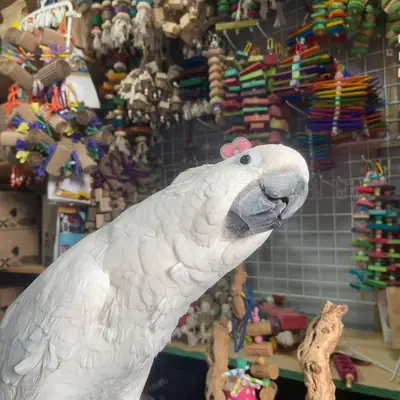
Female Cockatoo Parrot
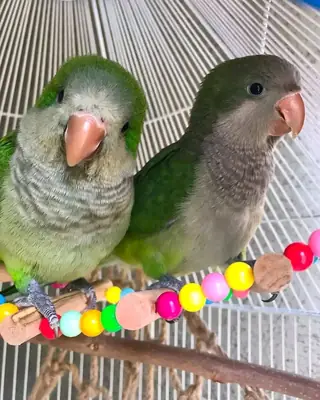
Quaker parrots
Cute little parrot loves shoulder ride
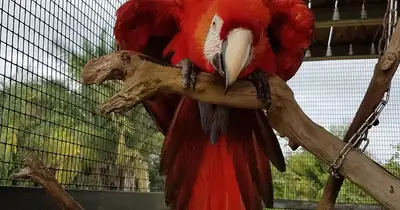
Experienced and Loving Owner Wanted for Scarlet Macaw
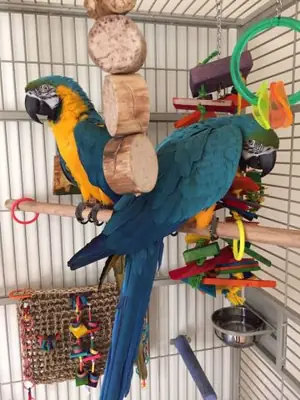
Tamed blue and gold macaw parrots WhatsApp ***
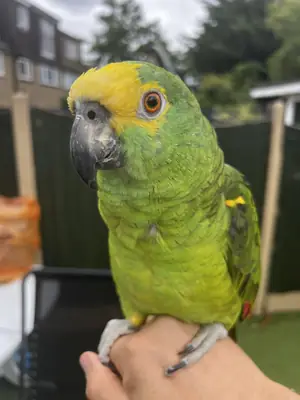
Amazon parrot that loves observing daily life
Popular Searches
Free Amazon parrot adoption Liverpool
Free Amazon parrot adoption in Liverpool should be treated as a serious long-term bird commitment, not a quick chance to get a colourful talking parrot without paying. A no-fee listing should still explain the exact species, age, ring or microchip identification, sexing status, paperwork, diet, tameness, noise level, biting history, feather condition and reason for rehoming.
An Amazon parrot is not a decorative cage bird. It is an intelligent, vocal, social bird that needs daily interaction, safe flight or movement time, foraging, toys, routine and a home that can manage noise and strong personality changes.
Amazon parrots for adoption Liverpool
Amazon parrots for adoption in Liverpool can include birds with very different temperaments, voice levels and handling histories. A strong listing should not just say “friendly Amazon” or “talking parrot”; it should describe the bird’s actual daily behaviour.
Ask whether the bird steps up, accepts more than one person, screams at certain times, bites around the cage, plucks feathers, eats a balanced diet, talks clearly, flies safely and copes with normal household movement.
Amazon parrot rescue Liverpool
Amazon parrot rescue in Liverpool often attracts people who want a talkative companion bird, but rescue matching should start with welfare, routine and behaviour. Many parrots are rehomed because of noise, biting, lack of time, owner illness, housing changes, plucking or overbonding.
A useful rescue-style listing should explain identification, vet history, diet, cage routine, out-of-cage time, handling, noise triggers, feather condition, previous homes and whether the bird needs an experienced parrot-aware adopter.
Amazon parrot rehoming Liverpool
Amazon parrot rehoming in Liverpool should always start with the real reason the bird needs a new home. A bird being moved because of owner illness is different from one being moved because of screaming, biting, feather damage, hormonal aggression, neighbour complaints or poor handling.
Ask how many homes the parrot has had, how long the current keeper has owned it, whether it is bonded to one person, whether it has ever drawn blood and whether any behaviour is being softened with vague words like “cheeky”, “protective” or “needs patience”.
Amazon parrot free to good home Liverpool
Amazon parrot free to good home Liverpool searches need strict filtering. “Good home” should mean safe housing, proper diet, daily enrichment, avian-vet budget, parrot-safe rooms, noise tolerance, handling skill and a clear transfer of any identification or paperwork.
Before adopting, ask about screaming, biting, plucking, talking, diet, ring or microchip ID, cage size, sleep routine, hormonal behaviour, fear triggers and whether the bird can live around your household without stress.
Tame Amazon parrot adoption Liverpool
Tame Amazon parrot adoption in Liverpool needs proof, not a single word in the advert. A truly tame Amazon should show predictable handling, readable body language and safe stepping up in normal conditions.
Ask who can handle the bird, whether it is bonded to one person, whether it bites strangers, whether it allows cage cleaning, whether it accepts a carrier and whether you can see a recent handling video before arranging adoption.
Talking Amazon parrot adoption Liverpool
Talking Amazon parrot adoption in Liverpool is a high-click search, but speech should never be the main reason to adopt. Some Amazons talk clearly, some copy sounds, some scream more than they speak and some become quieter after a home move.
Ask for a current talking video if speech matters, but also ask about noise volume, morning and evening calls, attention-seeking screams, biting, feather condition, diet and whether the bird is relaxed when not being entertained.
Hand tame Amazon parrot Liverpool
Hand tame Amazon parrot Liverpool searches should focus on safe handling history. A bird that steps up for one person may still bite visitors, attack hands near the cage or become territorial during hormonal periods.
Ask whether the bird steps up away from the cage, whether it accepts more than one handler, whether it allows nail or beak checks, whether it lunges at hands and whether handling changes at certain times of year.
Hand reared Amazon parrot adoption
Hand reared Amazon parrot adoption should not automatically mean easy, safe or suitable for beginners. Hand-reared parrots can be confident with people, but they can also become overbonded, demanding or frustrated if boundaries are poor.
Ask who hand-reared the bird, how it was socialised, whether it meets different people, whether it can play independently and whether it screams, bites or becomes jealous when attention is not immediate.
Baby Amazon parrot adoption Liverpool
Baby Amazon parrot adoption in Liverpool will attract fast interest, but young birds require serious care. A baby Amazon should be fully weaned, eating independently, properly identified and supported by clear age and health information.
Ask exact age, weaning date, current diet, weight history, ring or microchip details, vet check, species confirmation, socialisation and whether the bird is truly ready to move without feeding risks or dependence problems.
Adult Amazon parrot adoption Liverpool
Adult Amazon parrot adoption in Liverpool can be a stronger choice than taking on a young bird because adult behaviour is clearer. You can ask about real noise, biting, talking, cage routine, diet, feather condition and handling across years, not weeks.
Ask whether the bird has changed homes before, whether it has seasonal aggression, who can handle it, whether it plucks, whether it is loud at certain times and whether the adoption is happening because the bird’s needs became too much.
Senior Amazon parrot adoption Liverpool
Senior Amazon parrot adoption in Liverpool can suit an experienced, calm home, but older birds need careful checks around feet, beak, feathers, joints, weight, diet, liver history, breathing, eyesight and long-term vet care.
Ask how old the bird is, how many homes it has had, whether it has arthritis, overgrown nails, beak issues, poor flight, weight changes, old injuries or strong preferences for certain people or routines.
Amazon parrot adoption near me Liverpool
Amazon parrot adoption near me in Liverpool often includes Birkenhead, Bootle, Crosby, Wallasey, Huyton, Prescot, St Helens, Widnes, Warrington, Southport, Wigan and wider Merseyside searches.
Local distance helps with safer viewing and handover, but nearby is not enough. A local Amazon with vague species details, no identification, poor diet notes or unclear behaviour history is still a weak adoption option.
Amazon parrot rescue Merseyside
Amazon parrot rescue Merseyside searches make sense because confirmed Amazon parrots may not appear in Liverpool every day. Widening the area can help, but it should not weaken your checks.
Compare listings by exact species, identification, paperwork, avian-vet history, diet, feather condition, noise, biting, handling, cage routine, previous homes and the real reason for rehoming.
Blue fronted Amazon adoption Liverpool
Blue fronted Amazon adoption in Liverpool should be judged by the individual bird’s behaviour, not only colour and talking reputation. These parrots can be confident, vocal and strongly bonded.
Ask for species confirmation, age, ring or microchip details, diet, handling video, noise history, biting history, feather condition and whether the bird is calm with more than one person.
Yellow headed Amazon adoption Liverpool
Yellow headed Amazon adoption in Liverpool needs careful paperwork and identity checks because some Amazon species can have stricter legal traceability requirements. The exact species matters.
Ask for ring or microchip ID, species name, age, any relevant paperwork, current videos, avian-vet notes and a full behaviour history before arranging adoption or transport.
Double yellow headed Amazon adoption
Double yellow headed Amazon adoption should never rely on the name alone. This is a high-interest Amazon type, so the adopter should check species identity, documents and behaviour carefully.
Ask whether the bird is correctly identified, whether any paperwork matches the bird’s ID, whether it is tame, whether it has seasonal aggression and whether the current keeper can explain long-term care honestly.
Yellow naped Amazon adoption Liverpool
Yellow naped Amazon adoption in Liverpool should be handled with strong checks around legal traceability, identification and behaviour. Do not rely on a seller or keeper using a common name loosely.
Ask for the exact species, ring or microchip details, paperwork where relevant, avian-vet records, talking and screaming history, biting history and whether the bird has been safely handled by different people.
Orange winged Amazon adoption Liverpool
Orange winged Amazon adoption in Liverpool can suit an experienced parrot home that understands Amazon behaviour, diet, voice and long-term care. This bird should not be adopted only because it appears calmer or less expensive than other Amazon types.
Ask about age, handling, talking, noise, feather condition, diet, cage routine, previous homes and whether the bird becomes territorial around food, toys, cage doors or a favourite person.
Yellow crowned Amazon adoption Liverpool
Yellow crowned Amazon adoption in Liverpool should include exact identity checks because Amazon names are sometimes confused in casual listings. A good advert should show clear photos and explain the bird’s history.
Ask for age, sexing status, ring or microchip ID, diet, tameness, noise level, talking ability, biting history, feather condition and whether any legal paperwork or transfer records are available.
Mealy Amazon adoption Liverpool
Mealy Amazon adoption in Liverpool should not be rushed because larger Amazon parrots can need significant space, enrichment and confident handling. Size and temperament must both be clear.
Ask whether the bird flies, how large the current cage or aviary is, whether it steps up, whether it bites, whether it screams when left and whether the new home can provide a safe daily routine.
Red lored Amazon adoption Liverpool
Red lored Amazon adoption in Liverpool should be checked through species, identity, behaviour and diet rather than colour alone. A bright face marking does not tell you whether the bird is healthy, tame or suitable.
Ask for clear photos, ring or chip details, avian-vet notes, current diet, noise level, handling history and whether the bird has any fear, biting or plucking behaviour.
DNA sexed Amazon parrot adoption
DNA sexed Amazon parrot adoption should include proof, not just a claim. Sexing can matter for records, behaviour expectations, hormonal patterns and future management.
Ask for the DNA certificate, matching ring or microchip details and whether the bird’s identity matches every record. A certificate that cannot be connected to the bird is weak evidence.
Closed ring Amazon parrot adoption
Closed ring Amazon parrot adoption searches show the adopter is thinking about traceability. A closed ring can help connect the bird to age, identity and background records.
Ask for the ring number, clear photos of the ring, matching paperwork and whether the ring is readable, intact and consistent with the bird’s claimed age and species.
Microchipped Amazon parrot adoption
Microchipped Amazon parrot adoption should include clear transfer records. The chip number should match the bird and any health, ownership or species paperwork.
This matters because parrots can escape through doors, windows or poor transport setups. Identification also protects the adopter from vague or dishonest rehoming histories.
CITES Amazon parrot adoption UK
CITES Amazon parrot adoption UK searches should focus on the exact species and transfer situation. Some Amazon parrots have stricter paperwork expectations than others, and casual names can be used incorrectly.
Ask for the scientific or exact common species name, ring or microchip ID, any relevant paperwork and a clear ownership history. Missing or inconsistent documents should stop the process until verified.
Article 10 Amazon parrot adoption
Article 10 Amazon parrot adoption searches usually come from adopters who know that some protected birds can have commercial-use document rules. Even if the bird is being rehomed for free, the adopter should still understand the species and paperwork background.
Ask whether any certificate exists, whether it matches the bird’s identification and whether the current keeper can explain how the bird was obtained. Do not accept “paperwork later” if the species needs proper traceability.
Legal Amazon parrot adoption UK
Legal Amazon parrot adoption UK searches should not be treated as paperwork panic; they are basic due diligence. The adopter should know the bird’s exact species, identity, ownership trail and any records connected to transfer.
Ask for ring or chip details, species confirmation, vet notes, previous keeper information and any paperwork linked to the bird. If the current keeper avoids basic identity questions, walk away.
Amazon parrot noise level adoption
Amazon parrot noise level is one of the biggest adoption deal-breakers in Liverpool homes, especially flats, terraces and close-neighbour streets. Amazon parrots can call loudly, especially during morning, evening, excitement or attention-seeking moments.
Ask when the bird screams, how long it lasts, what triggers it, whether it calls when left alone and whether neighbours have ever complained. Do not adopt first and hope the noise disappears.
Quiet Amazon parrot adoption Liverpool
Quiet Amazon parrot adoption in Liverpool is a risky expectation. Some individuals are calmer than others, but an Amazon parrot should never be adopted on the promise that it will remain quiet.
Ask for real noise videos from different times of day, not only calm talking clips. If noise would threaten your tenancy, neighbours or household peace, an Amazon parrot may be the wrong bird.
Amazon parrot biting history adoption
Amazon parrot biting history should be discussed directly before adoption because “only nips” is not enough information. Amazon bites can be painful and may be linked to fear, territory, hormones, poor handling or overbonding.
Ask when the bird bites, how hard, who gets bitten, whether blood has been drawn, whether biting happens around the cage, food, toys, shoulder time, strangers or seasonal behaviour changes.
Hormonal Amazon parrot adoption
Hormonal Amazon parrot adoption checks are important because some Amazons become more territorial, loud, possessive or bite-prone during seasonal periods.
Ask whether behaviour changes at certain times of year, whether the bird guards a cage, person, toy or nest-like space and whether the current keeper knows how to reduce triggers without punishment or rough handling.
One person Amazon parrot adoption
One person Amazon parrot adoption should be taken seriously. A bird that loves one keeper may bite other household members, scream when that person leaves or become jealous around visitors.
Ask who the bird prefers, who it dislikes, whether it attacks partners or children, whether it will step up for different people and whether the new home can manage slow trust-building without forcing contact.
Amazon parrot feather plucking adoption
Amazon parrot feather plucking should never be hidden in an adoption listing. Plucking can be linked to stress, boredom, medical issues, poor diet, skin irritation, hormones or repeated home changes.
Ask when it started, whether an avian vet has checked the bird, whether feathers regrow, whether the bird chews skin and whether current full-body photos show chest, wings, back, legs and tail clearly.
Amazon parrot diet adoption Liverpool
Amazon parrot diet adoption checks matter because seed-heavy feeding, too many fatty foods and poor fresh food habits can affect weight, liver health, energy and behaviour.
Ask what the bird eats daily, whether it accepts pellets, vegetables, safe fruit and foraging foods, whether it is overweight and whether the current keeper can provide a transition plan rather than leaving the adopter to guess.
Amazon parrot overweight adoption
Amazon parrot overweight adoption checks are important because some Amazons gain weight when they eat too many seeds, nuts or human foods and do not get enough movement.
Ask current weight, body condition, diet, flight ability, exercise routine, vet notes and whether the bird has any liver, breathing, foot or mobility concerns linked to weight.
Amazon parrot liver problems adoption
Amazon parrot liver problems should be asked about if the bird has been on a poor diet, is overweight, has abnormal droppings, dull feathers or a history of vet monitoring.
Ask whether blood tests were done, whether diet changes were advised, whether weight loss is needed and whether an avian vet has reviewed the bird recently.
Amazon parrot avian vet Liverpool
Amazon parrot avian vet Liverpool searches show the adopter is thinking properly. A parrot should have a real health history, not just “healthy and talking” in the listing.
Ask about weight, droppings, feathers, beak, nails, breathing, previous illness, blood tests where available, parasite checks and whether the bird has seen an avian vet rather than only a general pet check.
Amazon parrot cage size adoption
Amazon parrot cage size adoption checks matter because a smart, active bird cannot live well in a cramped cage. The bird needs space to climb, stretch, play, chew, forage and spend safe time outside the cage.
Ask what cage the Amazon currently uses, how many hours it is out daily, whether it flies, whether it chews bars and whether your home has a safe bird room or controlled free-flight space.
Amazon parrot toys and enrichment
Amazon parrot toys and enrichment should be central to adoption. This bird needs chewing, foraging, training, safe movement, problem-solving and predictable interaction to stay mentally balanced.
Ask what toys the bird uses, whether it destroys wood, whether it forages for food, whether it plays independently and what behaviour appears when stimulation is too low.
Amazon parrot free flight adoption
Amazon parrot free flight adoption should focus on safety. Indoor flight can be excellent when windows, mirrors, doors, fans, kitchens and other hazards are controlled.
Ask whether the bird flies, whether wings are clipped, whether it crash-lands, whether it returns to the cage and whether it has ever escaped through doors or windows.
Clipped wing Amazon parrot adoption
Clipped wing Amazon parrot adoption needs careful questions because wing clipping can affect confidence, balance, safety, exercise and behaviour. A clipped bird may still fall, panic or escape outdoors.
Ask when the wings were clipped, who did it, whether the bird can glide safely, whether it has crash injuries and whether the adopter is prepared to manage flight regrowth safely.
Amazon parrot transport Liverpool
Amazon parrot transport in Liverpool should be planned before adoption. A parrot needs a secure carrier, calm timing, temperature control and a safe route home.
Ask whether the bird has travelled before, whether it panics in a carrier, whether it needs a familiar perch or cover and whether handover can happen without chasing, grabbing or stressful last-minute handling.
Amazon parrot with children Liverpool
Amazon parrot with children in Liverpool should be checked carefully. A talking bird may entertain children, but it is still a strong-beaked animal that can bite if frightened, overstimulated or territorial.
Ask whether the bird has lived around children, whether it lunges at quick movement, whether it screams at noise, whether it becomes jealous and whether children can respect distance and supervision rules.
Amazon parrot with dogs Liverpool
Amazon parrot with dogs in Liverpool needs strict safety planning. Even a friendly dog can injure a bird, and a frightened or bold Amazon can also bite a dog.
Ask whether the bird has lived around dogs, whether it panics, screams, lunges, flies at them or ignores them, and whether the new home can provide complete separation when needed.
Amazon parrot with cats Liverpool
Amazon parrot with cats should be treated with caution because predator-prey risk does not disappear just because the cat seems calm. A single unsupervised moment can be enough for injury.
Ask whether the bird has lived around cats, whether the cat stalks, whether the bird flies toward animals and whether the household can keep doors, rooms and out-of-cage time controlled.
Amazon parrot with other birds
Amazon parrot with other birds can work in some setups, but it depends on species, cage distance, personality, hormones, territory and supervision. Do not assume parrots automatically want direct contact.
Ask whether the Amazon has lived with birds before, whether it is aggressive through cage bars, whether it is bonded to another bird and whether separate housing is required.
Amazon parrot for beginners Liverpool
Amazon parrot for beginners Liverpool is usually a warning-sign search. Amazons are often too loud, long-lived, emotionally complex and behaviourally intense for someone with no parrot experience.
A beginner should understand diet, biting, hormones, screaming, foraging, safe flight, avian-vet care, legal traceability and what happens when a bird bonds to one person before considering adoption.
Private Amazon parrot rehoming Liverpool
Private Amazon parrot rehoming in Liverpool can be genuine, but it needs careful checking. Some keepers are honest; others minimise screaming, biting, feather plucking, poor diet, missing paperwork, hormonal aggression or hidden vet costs.
Ask for current videos, identification details, vet records, diet notes, cage routine, handling history and the exact rehoming reason. A responsible keeper should care where the bird goes, not just how quickly it leaves.
Amazon parrot adoption scam Liverpool
Amazon parrot adoption scams in Liverpool can use stolen photos, fake rescue stories, urgent transport fees, delivery-only offers, vague paperwork claims and copied talking-parrot descriptions.
Ask for current videos, proof of ownership, ring or microchip details, avian-vet notes, a clear rehoming reason and a safe viewing plan. If the bird is supposedly free but the pressure is high, stop.
Liverpool Merseyside Amazon parrot adoption
Liverpool, Birkenhead, Bootle, Crosby, Wallasey, Huyton, Prescot, St Helens, Widnes, Warrington, Southport and Wigan are realistic local search areas for Amazon parrot adoption.
Use that reach properly: compare exact species, identification, paperwork, diet, avian-vet history, tameness, noise level, biting, feather condition, cage routine, pet compatibility and rehoming reason before arranging collection. The closest Amazon parrot is not automatically the right Amazon parrot.
Frequently Asked Questions
What should I check before adopting a free Amazon parrot in Liverpool?
Check the exact species, age, sexing status, ring or microchip identification, paperwork, current diet, tameness, noise level, biting history, feather condition, cage routine, vet records and reason for rehoming.
For an Amazon parrot, also ask about screaming, hormonal behaviour, feather plucking, overbonding, diet quality, previous homes, transport safety and whether the bird can live safely around children, dogs, cats or other birds.
Is an Amazon parrot a good adoption bird?
An Amazon parrot can be a rewarding companion for an experienced home that can manage noise, handling, enrichment, diet, space and long-term care.
It is a poor match for someone who wants a quiet, low-effort, decorative or beginner-friendly pet bird.
Can I adopt an Amazon parrot for free in Liverpool?
Free Amazon parrot adoption listings may appear in Liverpool, but they should still be checked carefully because parrots are long-lived, intelligent and demanding birds.
Do not choose only because there is no fee. Check species, identification, paperwork, behaviour, diet, health history and the real reason for rehoming before committing.
Do Amazon parrots need paperwork in the UK?
Some Amazon parrot species may have stricter paperwork or traceability requirements depending on the species and transfer situation.
Ask for the exact species name, ring or microchip identification and any relevant documents before adopting. The records should match the bird, not just the keeper’s claim.
What is Article 10 paperwork for an Amazon parrot?
Article 10 paperwork can apply to certain protected species when commercial activity is involved.
If paperwork is relevant to the exact Amazon species, the certificate should match the bird’s identification. Do not accept vague promises that documents will appear later.
Should an Amazon parrot be closed rung or microchipped?
A closed ring or microchip helps with identification, traceability and matching the bird to paperwork or vet records.
Ask for clear identification details and make sure they match any DNA certificate, ownership record, transfer note or health record.
How can I tell what type of Amazon parrot it is?
Ask for the exact species name, clear photos, identification details and any paperwork or previous keeper records.
Common names can be used incorrectly, so do not rely only on colour or a casual description in the listing.
Are Amazon parrots good talkers?
Some Amazon parrots can learn words, phrases and sounds, but talking is never guaranteed.
Do not adopt only for speech. Ask for a current video if talking matters, and check noise, biting, diet, feather condition and handling just as carefully.
Are Amazon parrots loud?
Yes, Amazon parrots can be loud. Their calls can be difficult in flats, terraces or homes with close neighbours.
Ask when the bird screams, how long it lasts, what triggers it and whether the current keeper has had neighbour complaints.
Can an Amazon parrot live in a flat?
An Amazon parrot is often a poor fit for a flat because of noise, flight needs, cage size and neighbour impact.
If you live in a flat, ask for realistic noise videos from different times of day before considering adoption.
Do Amazon parrots bite hard?
Yes, an Amazon parrot can bite hard enough to cause injury.
Ask whether the bird has bitten, when it bites, who can handle it, whether blood has been drawn and whether biting happens around the cage, food, toys, hormones or strangers.
Are Amazon parrots hormonal?
Some Amazon parrots show seasonal hormonal behaviour such as territoriality, screaming, possessiveness or biting.
Ask whether behaviour changes at certain times of year and whether the bird guards a cage, person, toy or nest-like space.
Can an Amazon parrot bond to one person?
Yes, some Amazon parrots strongly prefer one person and may reject or bite others.
Ask who the bird likes, who it dislikes, whether it attacks partners or children and whether it can step up for more than one handler.
Are Amazon parrots suitable for beginners?
Usually no. Amazon parrots can be loud, long-lived, emotionally complex and difficult for people with no parrot experience.
A beginner should understand diet, biting, hormones, screaming, safe flight, foraging, avian-vet care and legal traceability before considering adoption.
What should an Amazon parrot eat?
An Amazon parrot needs a balanced parrot diet with suitable pellets, vegetables, safe fruit, controlled treats and clean water.
Ask what the bird currently eats every day and avoid relying on a seed-heavy diet without a proper transition plan.
What foods are unsafe for Amazon parrots?
Amazon parrots should not be given unsafe foods such as avocado, chocolate, caffeine, alcohol or very salty, sugary or greasy foods.
Ask the current keeper what the bird is used to eating and plan a safe diet transition instead of changing everything suddenly.
Do Amazon parrots get overweight?
Yes, Amazon parrots can become overweight, especially with too many seeds, nuts, fatty foods and too little movement.
Ask current weight, diet, flight ability, exercise routine and whether an avian vet has mentioned liver or weight concerns.
Do Amazon parrots need toys and enrichment?
Yes, Amazon parrots need chewing toys, foraging, training, safe movement, problem-solving and daily interaction.
A bored Amazon may scream, bite, pluck, chew furniture or become difficult to handle.
How much cage space does an Amazon parrot need?
An Amazon parrot needs a spacious, secure cage with room to move, climb, stretch, play and use different perches.
The bird also needs safe out-of-cage time. A small decorative cage is not enough for long-term welfare.
Should an Amazon parrot have out-of-cage time?
Yes, Amazon parrots need safe movement outside the cage when the room is properly secured.
Ask whether the bird flies, whether wings are clipped, whether it returns to the cage and whether it has ever escaped through doors or windows.
Is wing clipping a problem in Amazon parrots?
Wing clipping can affect confidence, balance, exercise and safety, especially if the bird falls or crash-lands.
Ask when the wings were clipped, who did it, whether the bird can glide safely and whether there have been any injuries.
Should I ask for an avian vet check before adopting an Amazon parrot?
Yes. A specialist bird health check is stronger than a vague claim that the bird is healthy.
Ask about weight, droppings, feathers, beak, nails, breathing, past illness, blood tests where available and any previous treatment.
What are warning signs of illness in an Amazon parrot?
Warning signs include fluffed posture, poor appetite, weight loss, dirty vent, abnormal droppings, wheezing, tail bobbing, dull feathers, weakness or unusual quietness.
Do not adopt first and hope health problems are minor. Ask for vet records and current videos before moving the bird.
Should I worry about feather plucking in an Amazon parrot?
Yes. Feather plucking can be linked to stress, boredom, medical problems, diet, hormones or past neglect.
Ask when it started, whether an avian vet has checked the bird, whether feathers regrow and whether current full-body photos are available.
Can Amazon parrots live with children?
An Amazon parrot can live around children only with careful supervision, calm boundaries and a bird that has suitable history.
Ask whether the bird lunges at quick movements, becomes jealous, screams at children or has bitten during excitement.
Can Amazon parrots live with dogs or cats?
Amazon parrots should be kept safe from dogs and cats unless there is controlled separation and careful supervision.
Even a friendly dog or cat can injure a bird, and a parrot can also injure another pet with its beak.
Can Amazon parrots live with other birds?
Some Amazon parrots can live near other birds, but compatibility depends on species, personality, cage distance, hormones, territory and supervision.
Ask whether the Amazon has lived with birds before, whether it is aggressive through cage bars and whether separate housing is required.
Can Amazon parrots be left alone during work hours?
Some Amazon parrots cope with predictable routine, but many struggle without enough interaction and enrichment.
Ask how long the bird is usually left, whether it screams, plucks, chews, refuses food or becomes overexcited when people return.
How should I transport an adopted Amazon parrot?
Use a secure carrier, calm timing, safe temperature and a direct route home.
Ask whether the bird has travelled before, whether it panics in a carrier and whether familiar items can be used to reduce stress during handover.
Should I adopt an Amazon parrot with no paperwork?
Be very cautious. Missing identification, vague species details, unclear ownership history or missing paperwork where relevant are serious warning signs.
Ask what documents should exist for the exact species and do not move forward if the keeper cannot answer basic identity and transfer questions.
How do I avoid Amazon parrot adoption scams in Liverpool?
Watch for stolen photos, fake rescue stories, delivery-only offers, urgent transport fees, missing identification, vague paperwork claims and pressure to decide quickly.
Ask for current videos, proof of ownership, ring or microchip information, vet notes, a clear rehoming reason and a safe viewing plan before sending money or arranging transport.
What should I prepare before bringing an Amazon parrot home?
Prepare a spacious secure cage, safe carrier, suitable perches, food bowls, balanced diet, chewing toys, foraging toys, cleaning supplies, avian-vet contact and a calm settling area.
Do not bring the bird home before identity checks, paperwork review, transport planning and the safe setup are ready.
Which areas near Liverpool should I search for Amazon parrot adoption?
Useful nearby searches can include Birkenhead, Bootle, Crosby, Wallasey, Huyton, Prescot, St Helens, Widnes, Warrington, Southport and Wigan.
Distance should not beat species clarity, identification, paperwork, health, behaviour and keeper transparency. The closest Amazon parrot is not automatically the right Amazon parrot.