Liverpool Parrot Adoption
There are 3 Parrot listings live right now, last updated 4 Jun 2026. Browse Liverpool parrot adoptio... There are 3 Parrot listings live right now, last updated 4 Jun 2026. Browse Liverpool parrot adoption listings with clear, responsible information for African greys, cockatoos, macaws, conures, ringne... There are 3 Parrot listings live right now, last updated 4 Jun 2026. Browse Liverpool parrot adoption listings with clear, responsible information for African greys, cockatoos, macaws, conures, ringnecks, Amazons and other companion parrots needing experienced homes. Petopic helps you review adoptable parrots by species, age, health, behaviour, noise level, talking ability, diet, cage setup, paperwork, leg ring or microchip details, socialisation, handling confidence and long-term care needs, so adopting a parrot in Liverpool is based on welfare, preparation and legal clarity rather than impulse or novelty.
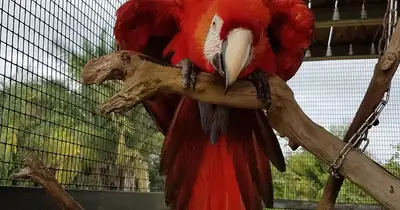
Experienced and Loving Owner Wanted for Scarlet Macaw
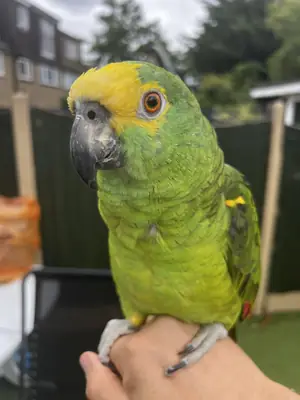
Amazon parrot that loves observing daily life
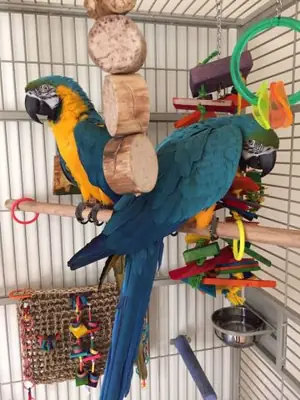
Tamed blue and gold macaw parrots WhatsApp +447393160284
Haven't found the pet you're looking for? Let people who want to find a new home for their pet reach out to you.
Create your free pet adoption request listing now and be seen by thousands of pet owners.
Other listings in your area
Experienced and Loving Owner Wanted for Scarlet Macaw
Amazon parrot that loves observing daily life
Tamed blue and gold macaw parrots WhatsApp +447393160284
Popular Searches
Parrot adoption listings in Liverpool
Parrot adoption listings in Liverpool need more detail than ordinary pet adverts. A serious listing should explain the bird’s species, age, sex if known, health condition, diet, cage setup, noise level, handling confidence, talking ability, biting history, paperwork, leg ring or microchip details and the reason the parrot needs a new home.
On Petopic, Liverpool parrot adoption listings should help users judge whether they are genuinely ready for a long-lived, intelligent and demanding bird. A good advert does not sell the idea of a talking pet; it shows the daily reality of living with a parrot, including noise, mess, routine, enrichment, space and emotional needs.
Adopt a parrot in Liverpool
People searching to adopt a parrot in Liverpool usually want a bird they can bond with, but the first question should be whether the home can handle the responsibility. Parrots need safe space, daily interaction, mental stimulation, correct diet, veterinary care, sleep routine and protection from kitchen fumes, smoke, unsafe toys and open windows.
A useful adoption listing should make the bird’s real behaviour clear. Is it friendly with one person only? Does it scream when left alone? Does it pluck feathers? Does it step up? Does it bite when frightened? These details matter more than colour or speech. A parrot should not be adopted because it looks impressive; it should be adopted by someone ready for its actual needs.
African grey parrot adoption Liverpool
African grey parrot adoption in Liverpool should be treated with extreme seriousness. African greys are intelligent, sensitive and long-lived birds that can develop strong attachments, anxiety, feather plucking, fear responses or loud vocal habits if their environment is wrong.
A strong listing should mention paperwork where required, identification, age, diet, vocabulary, handling confidence, previous home history, health checks and whether the bird is used to children, other birds or a quiet adult home. “Talks a lot” is not enough information. The real question is whether the adopter can provide a stable, enriched life for decades.
Cockatoo adoption Liverpool
Cockatoo adoption in Liverpool is not suitable for casual owners. Cockatoos can be affectionate, loud, emotionally intense and destructive if bored or mishandled. They need experienced care, strong routines, enrichment, safe chewing outlets, sleep management and a household that understands noise and attachment issues.
A responsible cockatoo listing should explain screaming patterns, biting triggers, feather condition, diet, handling, cage size, out-of-cage time and previous behaviour problems. If an advert only says “very tame” or “cuddly”, it is missing the hardest part of the truth. Cockatoos are not soft toys with feathers.
Macaw adoption Liverpool
Macaw adoption in Liverpool requires space, money, experience and confidence. Macaws are large parrots with powerful beaks, strong voices, complex social needs and serious enrichment requirements. A home that cannot provide safe movement, strong perches, large cage space and daily interaction is not ready.
A good macaw listing should describe species, size, age, paperwork, handling, diet, noise level, destructive habits, vet history and whether the bird has been kept with other parrots. A macaw is not an impressive decoration; it is a demanding companion animal that can outlive major changes in a person’s life.
Conure adoption Liverpool
Conure adoption in Liverpool can appeal to people who want a smaller parrot, but smaller does not mean easy. Conures can be loud, playful, clingy, nippy, energetic and very social. They need regular interaction, safe flight time, enrichment and a home that can tolerate noise.
A useful listing should explain whether the conure is hand tame, steps up, bites, screams, lives alone or with another bird, eats a balanced diet and has any health or feather issues. “Small parrot” is not enough; the advert must show the bird’s personality and routine.
Ringneck parrot adoption Liverpool
Ringneck parrot adoption in Liverpool needs honest behaviour detail. Indian ringnecks and similar parakeets can be clever, vocal and independent, but they may become wary or nippy if handled poorly. A listing should say whether the bird is hand tame, cage protective, flighted, clipped, vocal, bonded to one person or used to regular handling.
Colour should not dominate the advert. Blue, green, yellow or lutino colouring may attract attention, but welfare comes from routine, diet, space, enrichment and patient handling. A beautiful ringneck with poor socialisation can be a difficult adoption for a beginner.
Talking parrot adoption Liverpool
Talking parrot adoption in Liverpool attracts impulse interest, and that is the danger. A parrot that talks is still a demanding bird with emotional needs, noise, mess, possible biting, long lifespan and daily care requirements. Speech should never be the main reason to adopt.
A responsible listing should say what the bird actually says, whether it talks consistently, whether it screams, whether it mimics household sounds, and how it behaves when ignored. Some parrots stop talking after a move until they feel safe. Adopters need the full behaviour picture, not a party trick.
Parrot rescue Liverpool
Parrot rescue in Liverpool usually involves birds that need more than a new cage. Some have been moved several times, kept in poor setups, fed badly, ignored, overhandled or stressed. A rescue parrot may need time, quiet, vet care, behaviour work and an adopter who understands slow trust-building.
A rescue listing should be direct about feather plucking, fear, aggression, screaming, diet problems, medical history and handling limits. Hiding difficult details leads to failed placements. Good rescue content protects the bird by attracting prepared adopters, not curious first-timers.
Parrot with cage adoption Liverpool
Parrot with cage adoption in Liverpool can make the transition easier, but the cage must be judged properly. Many cages are too small, poorly placed, rusty, under-equipped or unsuitable for the species. A cage included in the listing is not automatically a benefit.
A strong advert should describe cage size, bar spacing, condition, perches, toys, feeding bowls, travel carrier, stand and whether the current setup meets the bird’s needs. If the cage is inadequate, the adopter must be ready to upgrade immediately. The bird’s environment is not an accessory; it is part of its welfare.
CITES parrot paperwork UK
CITES parrot paperwork in the UK matters for certain species, especially where commercial use, sale or transfer rules apply. A parrot adoption listing should not avoid legal status, identification, paperwork, leg ring or microchip information when those details are relevant.
Before adopting, users should ask what species the bird is, whether any certificate or proof of lawful origin is needed, whether the bird is ringed or microchipped and how ownership records will be handled. If the person rehoming the parrot cannot explain the paperwork, pause before moving forward.
Verified parrot adoption listings Liverpool
Verified parrot adoption listings in Liverpool should give users more than a trust badge. The listing should provide clear photos, species, age, behaviour, diet, health status, paperwork, identification details, cage setup, handling notes, noise level and the type of home required.
Verification matters most when it reduces risk. If a listing hides the bird’s history, avoids behaviour questions, gives no paperwork information or pushes for quick handover, it is not strong enough. With parrots, poor placement can damage the bird for years.
Frequently Asked Questions
What should I check before adopting a parrot in Liverpool?
Check the parrot’s species, age, health, diet, behaviour, noise level, handling confidence, cage setup, paperwork, leg ring or microchip details and reason for rehoming. Do not choose based only on colour or talking ability.
A strong listing should tell you what daily life with the bird is really like. If the advert hides screaming, biting, feather plucking, diet problems or legal paperwork, it is incomplete.
Are parrots good pets for beginners?
Many parrots are not good beginner pets. They are intelligent, noisy, long-lived and emotionally demanding. Some species require specialist care, large cages, daily enrichment and owners who understand behaviour problems.
A beginner should not adopt a parrot because it talks or looks beautiful. The right question is whether the person can handle noise, mess, biting risk, expense, routine and decades of care.
What paperwork may be needed for parrot adoption in the UK?
Some parrot species may require proof of lawful origin, identification, CITES-related documentation or other records depending on species and transfer circumstances. The listing should make any relevant paperwork clear.
Ask the current keeper what species the bird is, whether it is ringed or microchipped, what records exist and how ownership details will be handled. If legal status is vague, do not rush the adoption.
Is a talking parrot easier to adopt?
No. A talking parrot is not automatically easier. It may still scream, bite, bond to one person, become stressed, pluck feathers or struggle after moving to a new home.
Speech is only one behaviour. You need to understand the bird’s full routine, triggers, diet, handling, noise level and emotional needs before adopting.
What cage does an adopted parrot need?
The cage must be large enough for the species, safe, clean, secure and fitted with suitable perches, feeding bowls, enrichment and space for natural movement. Bar spacing and build quality matter.
A cage included with the bird may still be too small or unsuitable. The adopter should be ready to upgrade if the current setup does not meet the bird’s needs.
What should parrots eat after adoption?
Diet depends on the species, but parrots generally need a balanced, varied diet rather than only seed. A listing should explain what the bird currently eats and whether it accepts pellets, vegetables, fruit or other safe foods.
Do not change diet suddenly without care. Ask about favourite foods, refused foods, weight issues and any vet advice. Poor diet is one of the biggest long-term welfare problems in pet parrots.
How loud are parrots in a home?
Many parrots are loud, and some are extremely loud. Noise can happen in the morning, evening, when the bird wants attention, when routines change or when the bird is stressed.
The listing should describe the real noise level, not just say “talks” or “friendly”. For flats, shared housing and noise-sensitive homes, this detail can decide whether the adoption is realistic.
What does feather plucking mean in a parrot listing?
Feather plucking can be linked to stress, boredom, medical issues, poor diet, lack of sleep, unsuitable environment or past trauma. It should never be hidden or dismissed as cosmetic.
If a parrot has plucked feathers, ask about vet checks, history, triggers, current routine and what has helped. The adopter may need experience, patience and professional support.
Can parrots live with children or other pets?
Some parrots may cope with children or other pets, but many need strict supervision and careful boundaries. Cats, dogs, loud children and busy homes can create serious stress or safety risks.
The listing should explain the bird’s history with children, dogs, cats and other birds. Never assume compatibility without evidence and gradual management.
How long does a rehomed parrot take to settle?
Some parrots settle within weeks, while others need months. A move can change their behaviour, appetite, confidence and willingness to interact. Even a friendly bird may become quiet, defensive or unsettled at first.
Keep routines stable, avoid forcing handling, maintain sleep, offer enrichment and give the bird time to observe the new home. Trust cannot be rushed.
What are red flags in parrot adoption listings?
Red flags include no species details, no paperwork information, vague health claims, no behaviour history, pressure to collect quickly, no cage details, copied photos or claims focused only on talking ability.
A good parrot listing should answer hard questions. If the person rehoming the bird avoids noise, biting, diet, health, identification or legal status, treat the listing as risky.
Should I adopt a parrot if I work long hours?
Probably not unless you can provide a stable routine, enrichment, safe space, social time and proper care around your schedule. Many parrots struggle with isolation and lack of stimulation.
Before adopting, be brutally honest about your time. A parrot left bored for long periods can develop screaming, plucking, aggression or anxiety. That is not fair to the bird.