London Parrot Adoption
There are 4 Parrot listings live right now, last updated 2 Jul 2026. Find parrot adoption listings i... There are 4 Parrot listings live right now, last updated 2 Jul 2026. Find parrot adoption listings in London and explore parrots looking for a responsible new home, from African greys, macaws and Amaz... There are 4 Parrot listings live right now, last updated 2 Jul 2026. Find parrot adoption listings in London and explore parrots looking for a responsible new home, from African greys, macaws and Amazons to cockatiels, conures and budgies, with clear details about species, age, behaviour, noise level, health background, paperwork, cage needs and the kind of experienced home each bird requires.
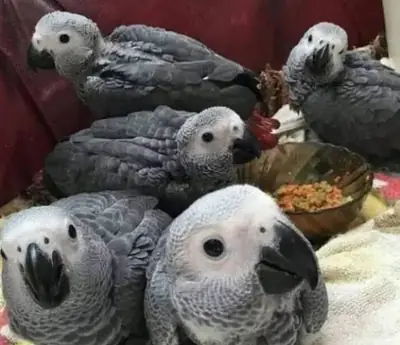
African Grey Parrots For Loving Homes
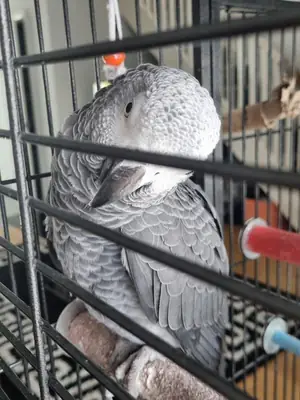
African grey parrots for free adoption
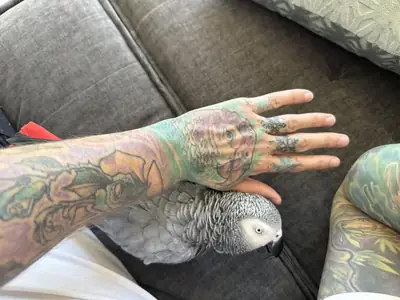
Amazon parrot raised around everyday household noise
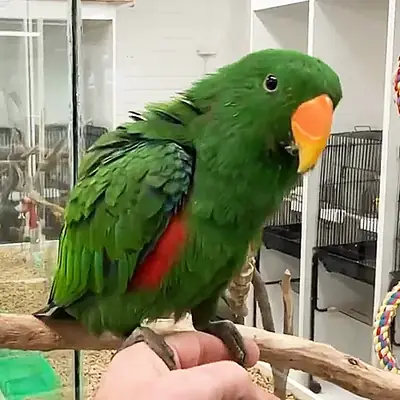
1 year old Eclectus parrot from the shelter
Haven't found the pet you're looking for? Let people who want to find a new home for their pet reach out to you.
Create your free pet adoption request listing now and be seen by thousands of pet owners.
Other listings in your area
1 year old Eclectus parrot from the shelter
African Grey Parrots For Loving Homes
African grey parrots for free adoption
Amazon parrot raised around everyday household noise
Popular Searches
Parrot adoption in London
Parrot adoption in London is not a casual pet search. A parrot is an intelligent, loud, sensitive bird that may live for decades and may already carry habits from a previous home. A useful listing should tell you the species, age, sex if known, behaviour, noise level, diet, cage routine, handling confidence and whether the bird has any known health or feather issues.
On Petopic, London parrot adoption listings help users look beyond colour and species names. A good match depends on experience, housing, time at home, tolerance for noise, safe out-of-cage space and the adopter’s ability to manage biting, screaming, bonding, jealousy or stress. The right parrot is not the rarest one; it is the bird whose needs you can actually meet.
Adopt a parrot in London
People searching to adopt a parrot in London usually want a bird nearby, but location is only the start. Before contacting an owner, check whether the parrot is tame, semi-tame or hands-off, whether it steps up, whether it screams when left alone and whether it is used to children, other birds, dogs or a busy household.
London flats, shared homes and close neighbours make parrot adoption more complicated than many people expect. A loud Amazon, cockatoo or macaw may be impossible in the wrong property, while a smaller bird may still need daily interaction and enrichment. The listing should make the daily reality obvious before anyone falls for a photo.
Parrots for rehoming London
Parrots for rehoming in London are often birds whose owners can no longer manage noise, time demands, allergies, housing changes, relationship breakdowns or behavioural problems. That does not make the bird “bad”; it means the new home must understand exactly what went wrong before repeating the same mistake.
A strong rehoming listing should explain why the parrot is being rehomed, what routine it currently has, who it bonds with, what triggers aggression or screaming, whether it accepts handling and what cage, toys, diet and sleep schedule it is used to. Vague rehoming posts are dangerous because parrots suffer badly from repeated moves.
Rescue parrot adoption London
Rescue parrot adoption in London attracts people who want to help a bird with a difficult past. That intention is good, but it is not enough. A rescue parrot may be fearful, overbonded, under-socialised, cage defensive, plucked, noisy or distrustful after previous homes. It may need months of routine before showing real progress.
The best rescue parrot listings are honest about behaviour. They should say whether the bird bites, screams, plucks feathers, fears hands, prefers men or women, needs an experienced keeper or cannot live with children. Emotional wording gets attention; accurate behaviour details get the bird a safer home.
African grey parrot adoption London
African grey parrot adoption in London needs extra care because these birds are highly intelligent, sensitive and often deeply bonded to routine. They can mimic sounds, learn words, become anxious with change and develop feather-plucking or stress behaviours if their environment is poor.
Anyone considering an African grey should look for information about paperwork, identification, age, diet, feather condition, vet history, handling, preferred person, sleep routine and whether the bird has been moved between homes before. This is not a bird to adopt because it talks; it is a demanding companion that needs stability and experienced care.
Macaw adoption London
Macaw adoption in London is only suitable for people who understand size, noise, space and long-term commitment. A macaw needs a large setup, strong enrichment, safe out-of-cage time, confident handling and an owner who can manage powerful beak behaviour without fear or punishment.
A serious macaw listing should describe the bird’s age, species, temperament, previous handling, noise level, diet, paperwork if needed and whether the bird is suitable for a home environment. In many London homes, the biggest problem is not affection; it is whether the property and lifestyle can realistically support such a large parrot.
Cockatiel adoption London
Cockatiel adoption in London is popular because cockatiels are smaller parrots and can be more manageable than large species. But they are still social birds that need daily attention, safe flight or exercise time, a suitable cage, proper diet and a calm routine.
Listings should explain whether the cockatiel is hand-tame, bonded to another bird, comfortable outside the cage, noisy in the morning, used to children or nervous around hands. A cockatiel may be small, but poor care, isolation and boring cages can still cause serious welfare problems.
Conure adoption London
Conure adoption in London often appeals to people who want a playful, colourful parrot without taking on a macaw or cockatoo. That thinking can be weak if the adopter ignores noise and attention needs. Many conures are energetic, clingy, loud and demanding when bored.
A good conure listing should mention biting, screaming, cage time, handling, diet, sleep schedule and whether the bird needs another bird or a very present human. Conures can be brilliant companions, but only for homes ready for daily interaction and structured enrichment.
Budgie and small parrot adoption London
Budgies and small parrots are often treated as easy starter birds, which is a mistake. They still need space, company, mental stimulation, clean housing, proper diet and safe flight time. A tiny bird in a tiny cage is not responsible adoption.
London adopters should check whether the bird is bonded to another bird, whether it should be adopted as a pair, whether it flies confidently and what diet it currently eats. Small parrots may be cheaper to keep than large parrots, but their welfare needs are still real.
Parrot adoption for flats in London
Parrot adoption for flats in London is one of the hardest searches because noise can ruin the match. A parrot may call at sunrise, scream for attention, react to traffic sounds or become louder when left alone. Thin walls, neighbours and rental rules all matter.
Before adopting a parrot for a flat, check the species, known noise level, daily routine, sleep hours and whether the bird becomes distressed when alone. A smaller bird may be more realistic, but even small parrots can be loud. If the listing avoids noise completely, it is incomplete.
Parrot adoption with paperwork London
Some parrots may require important paperwork, identification or proof of legal origin, especially species affected by wildlife trade rules. A responsible listing should make the bird’s documents, ring or microchip status and transfer conditions clear before adoption goes any further.
If a listing involves a species such as an African grey, macaw or other protected bird, do not treat paperwork as a small detail. Ask what documents exist, whether the bird is permanently identified and whether any legal restrictions apply to the transfer. A beautiful parrot with unclear paperwork is a risk, not a bargain.
Rehome a parrot in London
If you need to rehome a parrot in London, the listing must be brutally honest. Include species, age, sex if known, health history, diet, cage setup, paperwork, noise level, biting history, feather condition, handling ability, sleep routine and the exact reason you are looking for a new home.
Do not write “friendly parrot needs home” if the bird only likes one person, attacks hands, screams for hours or cannot live near children. The goal is not to get the most messages; it is to find a home that understands this specific bird before taking responsibility.
Frequently Asked Questions
Where can I find parrot adoption listings in London?
You can find parrot adoption listings in London by browsing available birds with clear details about species, age, behaviour, location, health background, cage routine, diet and paperwork where relevant. A useful listing should help you understand the bird before you contact the owner.
Do not choose a parrot only because it talks, looks colourful or seems rare. Parrots are complex birds with long lives, strong social needs and demanding daily care. The listing should show whether your home is genuinely suitable.
What should I check before adopting a parrot in London?
Before adopting a parrot in London, check the species, age, noise level, handling ability, biting history, feather condition, diet, cage size, out-of-cage routine, health history and whether the bird needs any paperwork or identification documents.
You should also ask why the parrot is being rehomed. If the reason is screaming, aggression, plucking, jealousy or lack of time, that information matters. Ignoring it is how birds end up moving from home to home.
Are parrots suitable pets for flats in London?
Some parrots can live in flats, but many are too loud, too active or too demanding for close-neighbour housing. Noise is the main issue: parrots may call loudly in the morning, scream when bored or react strongly when left alone.
If you live in a flat, look for listings that describe the bird’s actual noise level, sleep routine, daily activity and behaviour when alone. If the advert says nothing about noise, ask before arranging adoption.
Is an African grey parrot a good bird to adopt?
An African grey can be a rewarding companion for an experienced home, but it is not a beginner bird. African greys are intelligent, sensitive and routine-focused. They can become stressed, pluck feathers, scream or bond intensely to one person if their needs are not met.
Before adopting one, check paperwork, identification, age, feather condition, diet, vet history, handling, noise level and previous home history. Do not adopt an African grey just because it can talk.
Do parrots in the UK need paperwork for adoption?
Some parrot species may need specific paperwork, proof of legal origin, permanent identification or transfer documents, especially species covered by wildlife trade rules. This can be particularly important for certain protected parrots.
Before adopting, ask what documents exist, whether the bird has a closed ring or microchip, and whether the transfer is allowed under the relevant rules. If the owner avoids paperwork questions, walk away.
What is the best parrot for a first-time adopter?
There is no perfect first parrot. Smaller birds such as budgies, cockatiels or some conures may be more manageable than large parrots, but they still need daily care, safe housing, social contact, enrichment and proper diet.
A first-time adopter should avoid choosing by colour or talking ability. The better question is whether you can handle noise, mess, routine, training, vet costs and long-term responsibility. If not, the idea is weak and the bird pays the price.
Can I adopt a parrot if I work full-time?
You can adopt a parrot while working full-time only if the bird’s needs can still be met. Many parrots struggle with long hours alone and may develop screaming, plucking or destructive behaviour when bored or socially deprived.
Ask whether the bird is used to being alone, how it behaves during the day, whether it needs another bird for company and how much out-of-cage time it currently receives. A parrot is not a decoration for evenings only.
What should a parrot adoption listing include?
A parrot adoption listing should include species, age, sex if known, location, health history, diet, cage setup, handling level, biting history, noise level, feather condition, paperwork, reason for rehoming and the type of home required.
Weak listings hide the difficult parts. Strong listings explain them clearly, because the right adopter needs to know what daily life with that bird will actually involve.
Why do parrots get rehomed?
Parrots are often rehomed because of noise, biting, feather plucking, owner illness, moving home, landlord restrictions, relationship changes, lack of time or behaviour that the owner did not expect. Many rehoming cases happen because the original decision was not realistic.
That is why the reason for rehoming should be written clearly. It helps the next adopter judge whether they can solve the problem or whether they are about to repeat it.
How do I rehome a parrot in London responsibly?
To rehome a parrot in London responsibly, write a detailed and honest listing. Include the bird’s species, age, behaviour, diet, cage routine, health history, paperwork, noise level, biting or plucking issues and the exact type of home you want.
Do not rush the handover to the first person who replies. Ask about experience, housing, time at home, other pets, noise tolerance and long-term plans. A parrot can live for decades, so a lazy rehoming decision is not acceptable.