London Rabbit Adoption
There's 1 Rabbit listing live right now, last updated 27 Apr 2026. Find London rabbit adoption listi... There's 1 Rabbit listing live right now, last updated 27 Apr 2026. Find London rabbit adoption listings on Petopic for rabbits, bonded pairs and rescue bunnies looking for responsible homes across Lon... There's 1 Rabbit listing live right now, last updated 27 Apr 2026. Find London rabbit adoption listings on Petopic for rabbits, bonded pairs and rescue bunnies looking for responsible homes across London and nearby areas. Compare adoption details such as age, sex, breed or type, neutering status, vaccinations, temperament, indoor or outdoor housing needs, bonding requirements and current care routine before making contact. Whether you want to adopt a rabbit in London, find a pair of bonded rabbits, rehome a bunny responsibly or prepare an indoor rabbit setup, this page helps you focus on welfare, safe space, companionship and long-term care instead of choosing by cuteness alone.
Haven't found the pet you're looking for? Let people who want to find a new home for their pet reach out to you.
Create your free pet adoption request listing now and be seen by thousands of pet owners.
Popular Searches
Rabbit adoption London
Rabbit adoption in London is usually searched by people who want more than a cute photo. A serious adopter needs to know the rabbit’s age, sex, temperament, health background, neutering status, vaccination details, current housing setup and whether the rabbit is already bonded with another rabbit. Without those details, the adoption decision is weak.
London homes vary heavily: flats, shared houses, gardens, balconies, rented properties and indoor-only setups all create different challenges. A good rabbit adoption listing should help the adopter understand whether the bunny needs a quiet indoor room, a secure outdoor enclosure, a bonded partner, experienced handling or a home without young children. The best match is the one that protects the rabbit’s daily welfare, not the one that looks sweetest in a photo.
Adopt a rabbit in London
People searching “adopt a rabbit in London” often want a local rabbit they can meet, understand and bring home safely without long travel. The listing should show where the rabbit is based, whether visits are possible, what kind of home is needed and what the adopter must prepare before collection.
Rabbits are not low-maintenance cage pets. They need space to move, safe flooring, constant hay, water, hiding areas, enrichment, careful handling and companionship. A useful London adoption page should make those needs visible before contact, so users do not adopt a rabbit thinking it will live happily in a small hutch or be handled like a toy.
Rescue rabbits London
Rescue rabbit searches in London usually come from adopters who want to give a second chance to a rabbit that may have been abandoned, surrendered, neglected or left without a suitable home. These users need trust: clear health information, behaviour notes, handling confidence, bonding status and the type of home that would genuinely suit the rabbit.
A rescue rabbit may be shy, confident, elderly, active, litter trained, nervous around people or already bonded with a partner. The listing should not hide this. Honest behaviour details prevent failed adoptions and help the right person choose a bunny they can support properly.
Bonded rabbits for adoption London
Bonded rabbits for adoption in London is a strong search because many informed adopters already know that rabbits are social animals. A bonded pair should usually be kept together, not separated because one rabbit is “preferred” or looks more attractive. The relationship between the rabbits is part of their welfare.
A strong bonded pair listing should include both rabbits’ ages, sexes, neutering status, vaccination details, personalities and how they interact. Some pairs are calm and settled, while others may need a quieter home or more space. London adopters should be told whether the pair is suitable for indoor living, outdoor accommodation or a flexible setup with secure exercise space.
Baby rabbit adoption London
Baby rabbit adoption in London attracts a lot of attention, but young rabbits are not the easiest option. They can be delicate, energetic, not yet neutered, not fully settled in temperament and may need careful future bonding. A baby bunny should not be chosen just because it looks tiny and gentle.
Before adopting a young rabbit, users need to understand future costs: neutering, vaccinations, correct diet, larger housing as the rabbit grows and companionship planning. A good listing should state age clearly, whether the rabbit is ready to leave, what it currently eats and whether it will need pairing with another rabbit later.
Indoor rabbit adoption London
Indoor rabbit adoption is especially relevant in London because many people live in flats or homes without gardens. An indoor rabbit still needs far more than a small cage. It needs a safe pen or rabbit-proofed room, space to stretch and run, protected cables, safe flooring, litter area, hiding places and daily enrichment.
A useful indoor adoption listing should say whether the rabbit has lived indoors before, whether it is litter trained, how it reacts to household noise, whether it chews heavily and whether it is confident around people. Indoor rabbits can thrive, but only when the home is prepared around rabbit behaviour rather than human convenience.
Dwarf rabbit adoption London
Dwarf rabbit adoption searches are common because smaller rabbits look suitable for flats, children and limited space. That assumption is dangerous. A dwarf rabbit still needs proper housing, exercise, hay, enrichment, veterinary care and careful handling. Small size does not mean small responsibility.
A London listing for a dwarf rabbit should explain temperament clearly. Some small rabbits are confident and curious, while others are nervous, fast-moving or uncomfortable with being picked up. Adopters should be guided toward the rabbit’s needs, not sold the idea that a small bunny is automatically easier.
Lop rabbit adoption London
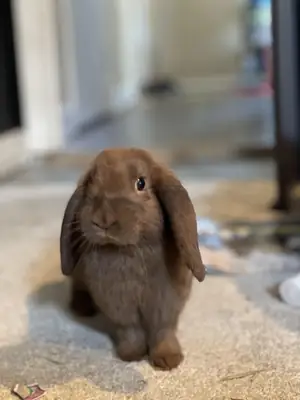
Lop rabbits are popular in London adoption searches because of their soft appearance and folded ears. But a lop rabbit listing should not rely on cuteness. Users should see health notes, ear care awareness, temperament, housing needs, neutering status, vaccination details and whether the rabbit is bonded or needs a companion.
Many adopters choose lops expecting a cuddly pet, but rabbits often dislike being lifted and may prefer interaction on the floor. A strong listing should explain whether the rabbit enjoys contact, tolerates handling, needs a quiet home or is suitable for a confident adopter. That honesty creates better matches.
Rabbit rehoming London
Rabbit rehoming in London covers both adopters looking for rabbits and owners who need to find a new home for a bunny. A rehoming listing should never be vague. It should include age, sex, health, vaccination, neutering, housing setup, diet, personality, handling, litter habits, bonding status and the reason for rehoming.
For owners, the goal is not to pass the rabbit on quickly. The goal is to find a home that understands space, companionship, diet and vet care. For adopters, the goal is not to get a free rabbit. It is to take on a sensitive animal with daily needs and a long-term welfare commitment.
Rabbits for adoption near me London
“Rabbits for adoption near me London” is a local-intent search. Users want nearby rabbits in areas such as North London, South London, East London, West London, Central London and surrounding commuter zones. Local clarity matters because adopters may need to visit, discuss housing, arrange collection and reduce travel stress for the rabbit.
Listings should use practical location details without making the rabbit sound like an item for quick pickup. A short journey helps, but it does not replace welfare checks. The right nearby adoption still needs suitable accommodation, rabbit knowledge, safe transport and proper settling-in time at home.
Free rabbit adoption London
Free rabbit adoption in London brings traffic, but it also brings risky intent if the content is too shallow. A rabbit may be free to adopt, but proper care is never free. Adopters need housing, hay, fresh greens, bedding or litter, enrichment, vaccinations, neutering, emergency vet funds and enough space to meet daily needs.
A good free adoption listing should make the rabbit’s current care routine clear and explain whether any setup is included. If the rabbit is being given away with a tiny cage, poor diet or no health history, the adopter should still be ready to upgrade care immediately. Free should never mean careless.
List a rabbit for adoption in London
Anyone listing a rabbit for adoption in London should write for serious adopters, not quick messages. Include the rabbit’s age, sex, breed or type, neutering status, vaccination status, temperament, current housing, diet, litter habits, handling preference, bonding status and why the rabbit needs a new home.
Do not hide difficult details. If the rabbit does not like being picked up, chews heavily, needs a partner, has medical needs or requires an experienced home, say it clearly. A precise listing may attract fewer messages, but the quality of those messages will be much higher.
Frequently Asked Questions
How do I adopt a rabbit in London responsibly?
Start by checking listings that explain the rabbit’s age, sex, temperament, health, neutering status, vaccination status, current housing, diet and bonding needs. Do not choose only by appearance. Rabbits are sensitive animals with specific space, diet and companionship needs.
Before adopting, prepare suitable accommodation, constant hay, water, hiding areas, enrichment, safe flooring and a plan for veterinary care. If the rabbit is single, ask whether it needs bonding with another rabbit. If the rabbit is already part of a bonded pair, do not separate them.
Can I adopt a rabbit if I live in a London flat?
Yes, some rabbits can live well in a London flat, but only if they have enough safe space to move, stretch, hide, explore and rest. A small cage in the corner is not enough. Indoor rabbits need a secure pen or rabbit-proofed room, protected cables, safe flooring and daily enrichment.
Before choosing a rabbit, check whether it has lived indoors before, whether it is litter trained, whether it chews strongly and how it reacts to household noise. Flat living can work, but the home must be arranged around the rabbit’s welfare, not just the available empty corner.
Should rabbits be adopted alone or in pairs?
Rabbits are social animals and usually do best with a compatible rabbit companion. A bonded pair should normally stay together, because separating them can cause stress and harm their welfare. If you already have a rabbit, the new rabbit must be introduced carefully, not simply placed into the same space.
The most stable pair is often a neutered male and a neutered female, but bonding still needs patience and proper handling. If a listing offers a single rabbit, ask whether the rabbit needs a companion, whether it has lived with another rabbit before and whether bonding support or advice is available.
What should I ask before adopting a rabbit in London?
Ask about age, sex, neutering, vaccinations, health history, diet, hay intake, litter habits, temperament, handling, housing setup, exercise space and whether the rabbit is bonded. Also ask why the rabbit is being rehomed and what kind of home would suit it best.
These questions are not excessive. They help you avoid adopting a rabbit whose needs do not match your home. A responsible owner or rescue-style listing should welcome serious questions because the goal is a safe long-term placement, not a fast handover.
Is free rabbit adoption in London really free?
The adoption itself may be free, but rabbit care is not free. You still need proper housing, hay, food, litter or bedding, enrichment, vaccinations, neutering if not already done and emergency veterinary funds. A free rabbit can quickly become expensive if the setup is poor or health needs are ignored.
Before accepting a free rabbit, check what is included and what needs upgrading. If the rabbit comes with an unsuitable small cage, you should be ready to replace it with a proper living space. Free adoption should never mean low-standard care.
What housing does an adopted rabbit need?
An adopted rabbit needs a secure living area with enough room to move, stretch, stand, hide, explore and exercise. Whether indoors or outdoors, the space must be safe from predators, extreme weather, chewing hazards and escape routes.
The setup should include constant hay, fresh water, hiding places, litter area, enrichment and room for natural movement. If you are adopting a bonded pair, the space must be suitable for both rabbits, not just one. A cramped hutch or small cage is not a proper long-term home.
Are rabbits good pets for children?
Rabbits can live in families with children, but they are not simple children’s pets. Many rabbits dislike being picked up, can become frightened by loud handling and may scratch or bite if they feel unsafe. Adults must be responsible for care, supervision and daily welfare.
A family should choose a rabbit based on temperament, confidence, handling tolerance and home setup. Children can learn to sit calmly on the floor, offer food gently and respect the rabbit’s space. If the expectation is constant cuddling, a rabbit may be the wrong pet.
What should a rabbit adoption listing include?
A strong rabbit adoption listing should include age, sex, breed or type, neutering status, vaccination status, health notes, temperament, housing setup, diet, litter habits, bonding status, handling preference, location and reason for rehoming.
Weak listings only say “rabbit for adoption” with a cute photo. That is not enough. Rabbits have complex needs, so the listing must help adopters understand the real care required before making contact.
How should I rehome my rabbit in London?
Write a detailed and honest listing. Include the rabbit’s age, sex, health, neutering, vaccinations, personality, diet, housing, litter habits, handling, bonding needs and why rehoming is necessary. If the rabbit must stay with a bonded partner, state that clearly.
Do not give a rabbit to the first person who asks. Check whether the adopter has suitable space, understands rabbit companionship, can afford veterinary care and knows that rabbits are not low-maintenance cage pets. A slower, careful rehoming process is better than a rushed handover that fails.