Manchester Golden Retriever Free Rehoming
There are 3 Golden Retriever listings live right now, last updated 22 Mar 2026. Find Golden Retrieve... There are 3 Golden Retriever listings live right now, last updated 22 Mar 2026. Find Golden Retriever free rehoming listings in Manchester with the level of detail needed before welcoming a large, aff... There are 3 Golden Retriever listings live right now, last updated 22 Mar 2026. Find Golden Retriever free rehoming listings in Manchester with the level of detail needed before welcoming a large, affectionate and active dog into your home. A Golden Retriever is a dog, not a ready-made family photo; behind the gentle face and golden coat, this breed needs daily exercise, steady training, careful weight control, coat and ear care, microchip transfer, vaccination records, vet history, honest behaviour notes and a home that can manage mud, rain, shedding, excitement and separation calmly. On Petopic, compare Golden Retriever rehoming adverts across Manchester, Salford, Stockport, Trafford, Bolton, Bury, Oldham, Rochdale, Tameside, Wigan, Altrincham, Didsbury, Chorlton and nearby Greater Manchester areas by age, sex, temperament, health background, neutering status, family suitability, lead manners, recall, home routine, handover terms and real ongoing care costs.
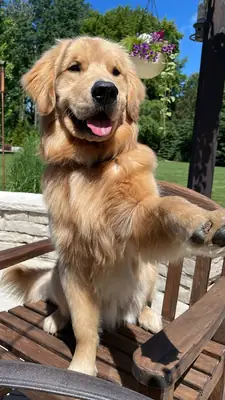
Friendly Golden Retriever Looking for a New Home

Golden retriever that loves long walks

Golden retrievers are used to a home environment.
Haven't found the pet you're looking for? Let people who want to find a new home for their pet reach out to you.
Create your free pet adoption request listing now and be seen by thousands of pet owners.
Quick Information
Other listings in your area

Cute Yorkie puppy
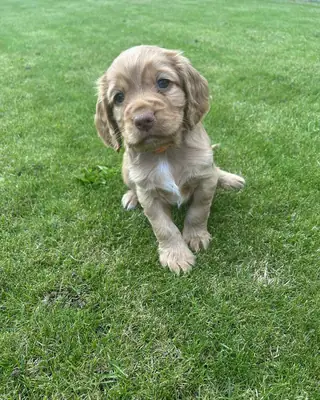
Gift male and female Cocker Spaniel puppies

Cute shih Tzu puppies for adoption
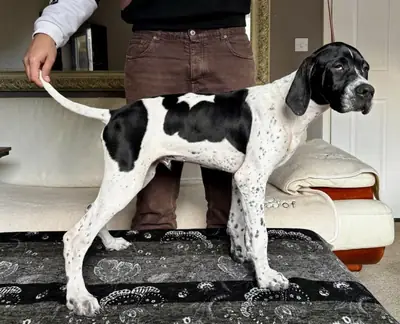
White Pointer Puppies – Ready for Their Forever Homes
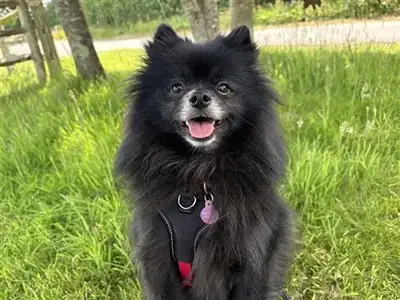
I'm Looking for a Loving Home for a Mini Pomeranian Puppy – Free
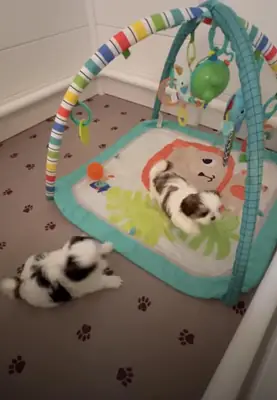
Affectionate Home Companions-Shih Tzus
Popular Searches
Golden Retriever free rehoming Manchester
Golden Retriever free rehoming in Manchester should never be treated as “free dog, easy decision”. A Golden Retriever may be gentle, social and family-friendly, but it is still a large, active dog that needs exercise, grooming, training, vet care, food budget and a stable home routine.
On Petopic, focus on listings that clearly explain why the dog is being rehomed, age, sex, microchip status, vaccination history, neutering status, vet notes, behaviour with children, other dogs, cats, being left alone, lead walking and recall. A good rehoming advert protects the dog first; a weak advert just says “free to good home”.
Adopt Golden Retriever Manchester
Adopting a Golden Retriever in Manchester means checking whether your home can handle a large, friendly, people-focused dog that may be strong on the lead, muddy after walks and unsettled if left alone for long periods. This breed usually wants to be part of daily life, not left in the garden or ignored after the excitement of adoption passes.
Before applying or contacting the current keeper, ask about daily routine, exercise level, recall, lead manners, food, allergies, ear care, grooming, separation behaviour and whether the dog has lived with children or other pets. The best match is not the prettiest dog; it is the dog whose needs your household can actually meet.
Golden Retriever rescue Manchester
Golden Retriever rescue Manchester searches usually come from people who want a safer, more structured adoption route. A rescue-style rehoming should include proper assessment, behaviour notes, health details, home suitability and a careful handover, not a rushed message exchange.
Look for information on temperament, previous home life, training gaps, medical needs, neutering, insurance considerations and whether follow-up support is available. If the advert hides the reason for rehoming or avoids behaviour questions, the risk moves from the old home to yours.
Golden Retriever adoption Greater Manchester
Golden Retriever adoption in Greater Manchester can include Manchester city, Salford, Stockport, Trafford, Bolton, Bury, Oldham, Rochdale, Tameside, Wigan and nearby towns. A local match can make meet-and-greets, home checks and gradual handover easier.
Still, the nearest dog is not always the right dog. Choose the listing with the clearest health record, microchip transfer plan, honest behaviour notes and realistic adoption conditions. Location helps; transparency matters more.
Free Golden Retriever Manchester
Free Golden Retriever Manchester is a high-intent search, but “free” can be misleading. The handover may not cost money, but the dog still needs food, grooming tools, vet care, flea and worm treatment, insurance, training, bedding, secure travel, toys and emergency budget.
Be extra careful with adverts that use urgency, emotional pressure or vague wording. “Moving house, must go today” may be genuine, but it still needs microchip transfer, vet history, behaviour notes and a safe meeting process. Free should not mean careless.
Golden Retriever rehoming near me Manchester
People searching for Golden Retriever rehoming near me in Manchester usually want something quick and local. That can be useful, but speed is not the goal. A Golden Retriever is a long-term commitment, and a rushed adoption can create stress for the dog and the new home.
Ask for a calm meet-up, current routine, walking habits, home behaviour, health history, microchip details and what items will come with the dog. If the current keeper will not answer basic questions, do not let proximity push you into a weak decision.
Adult Golden Retriever rehoming
Adult Golden Retriever rehoming can be a better fit than taking on a puppy, especially if the dog already has house training, lead experience and a known temperament. But adult dogs also come with habits, triggers and health history that must be understood before adoption.
Ask why the dog is being rehomed, how it behaves when left alone, whether it pulls on the lead, how it reacts to dogs, children, cats, visitors, traffic and grooming. Adult does not mean problem-free; it means you should be able to ask better questions.
Senior Golden Retriever adoption Manchester
Senior Golden Retriever adoption in Manchester can be deeply rewarding, but it needs honest preparation. Older Goldens may need shorter walks, joint support, weight control, dental care, regular vet checks and a quieter home.
Ask about arthritis, lumps, medication, hearing, eyesight, stairs, sleep, toilet routine, insurance exclusions and how the dog copes with change. A senior Golden is not a cheap shortcut; it is a softer landing for a dog that deserves stability.
Golden Retriever puppy rehoming Manchester
Golden Retriever puppy rehoming in Manchester needs extra caution. A puppy may be described as free or urgent, but the adopter still has to check age, microchip, vaccinations, worming, breeder background, reason for rehoming and whether the puppy was separated too early.
Puppies need toilet training, bite inhibition, socialisation, calm exposure, sleep routine and careful exercise during growth. A free puppy with no vet record, no microchip details and no clear origin is not a bargain; it is a future problem.
Golden Retriever cross rehoming Manchester
Golden Retriever cross rehoming can include dogs mixed with Labrador, Poodle, Spaniel, Collie or other breeds. The word “Golden” may describe appearance or temperament, but a crossbreed can inherit very different coat, energy, training and health needs.
Ask what the dog is crossed with, expected adult size, coat type, shedding, grooming needs, behaviour, prey drive, recall and health history. Do not adopt based on the Golden Retriever label if the dog’s actual needs are unclear.
Golden Retriever family dog Manchester
Golden Retrievers are often searched as family dogs because they are known for being friendly and people-oriented. That reputation helps, but it does not remove the need for boundaries, training and adult supervision around children.
Ask whether the dog has lived with babies, toddlers, older children or visiting children, how it behaves around toys, food, noise, running and hugs. A good family dog is not just tolerant; it is understood, protected and managed properly.
Golden Retriever good with children
Golden Retriever good with children is a useful search only if the advert gives examples. “Great with kids” can mean the dog once met a calm teenager, or it can mean years of living with young children. Those are not the same thing.
Ask how the dog reacts to sudden noise, running, dropped food, visitors, children touching ears or tail, and being disturbed while resting. Children must also be taught not to climb on, chase, grab or crowd the dog.
Golden Retriever with other dogs
A Golden Retriever may be sociable with other dogs, but it should not be assumed. Some are over-friendly and rude, some are nervous, some guard toys, and some have had poor experiences that change their behaviour.
Ask about on-lead greetings, off-lead recall, dog park behaviour, sharing toys, food around other dogs and whether the dog has lived with another dog before. A safe introduction plan matters more than a cheerful breed stereotype.
Golden Retriever with cats
Golden Retrievers can live with cats in some homes, but the right question is whether this individual dog has cat experience. A friendly dog can still chase a running cat if it has never learned calm boundaries.
Ask whether the dog has lived with cats, whether it chases small animals, how it reacts through a baby gate and whether it can settle in the same room. Cats need safe high spaces and the first introductions should be slow, managed and boring.
Golden Retriever microchip transfer UK
Golden Retriever microchip transfer is not admin fluff. The dog’s chip details should be checked and updated so the new keeper can be contacted if the dog is lost, stolen or found by a vet, council or rescue.
Before handover, ask which database the microchip is registered with, whether the current keeper can start the transfer, and whether the chip number matches the vet record. If no one knows the chip details, the rehoming is not ready.
Vaccinated Golden Retriever rehoming
A vaccinated Golden Retriever rehoming advert should show more than “jabs done”. You need vaccination dates, booster status, worming and flea treatment history, vet practice details and any missed appointments.
Ask whether the dog has had kennel cough vaccine if it uses daycare or boarding, whether boosters are up to date and whether there are known reactions or allergies. A Golden’s health record should travel with the dog, not stay as a vague promise.
Neutered Golden Retriever adoption
Neutered Golden Retriever adoption can affect behaviour, medical history, insurance notes and future care planning. It is not simply a yes-or-no checkbox; timing, recovery and vet advice matter.
Ask whether the dog is neutered, when it was done, whether there were complications, whether weight changed afterwards and whether there are any hormone-related behaviour notes. If the dog is entire, ask why and what the new home should consider.
Golden Retriever hip and elbow health
Golden Retriever hip and elbow health should be part of every serious rehoming conversation. This breed can be prone to joint problems, and a dog’s movement, weight, exercise history and parent health background all matter.
Ask whether the dog has ever limped, struggled to rise, avoided stairs, bunny-hopped, had X-rays, used pain relief or seen a vet for joints. For a large breed, “walks fine” is not enough detail if the dog is being rehomed.
Golden Retriever ear care
Golden Retriever ear care matters because floppy ears, swimming, rain and thick coat can make irritation easier to miss. Redness, smell, scratching, head shaking or discharge should not be treated as normal.
Ask whether the dog has had ear infections, what cleaning routine is used, whether it swims, whether allergies are suspected and whether a vet has checked the ears recently. Manchester rain plus wet ears is not something to ignore.
Golden Retriever weight control
Golden Retrievers can be food-motivated, and extra weight quickly puts pressure on joints. A rehomed dog may also gain weight after a routine change, less exercise or too many comfort treats.
Ask current weight, ideal weight, food brand, portion size, treat habits, scavenging, bin raiding and exercise level. A Golden does not need endless snacks to feel loved; it needs a body that can move comfortably.
Golden Retriever exercise Manchester
Golden Retriever exercise in Manchester should include more than a quick pavement loop. This breed usually benefits from structured walks, sniffing, retrieving games, training, calm decompression and safe off-lead time only where recall is reliable.
Ask what the dog currently does each day, whether it pulls, whether it can settle after exercise and how it behaves around parks, canals, traffic and other dogs. More exercise is not always better; the right kind of exercise is the point.
Golden Retriever recall and lead walking
Golden Retriever recall and lead walking can make or break adoption. A friendly but strong Golden that pulls towards every dog, person or football is difficult to manage in busy Manchester parks and streets.
Ask whether the dog walks on a collar, harness or headcollar, whether it pulls, whether it comes back when called, whether it chases birds, bikes or runners, and whether it has ever bolted. Friendly is not the same as controlled.
Golden Retriever separation anxiety
Golden Retrievers often want close human contact, so separation anxiety must be discussed before rehoming. A dog that follows people from room to room, barks when left or destroys doors needs a careful plan, not a quick handover.
Ask how long the dog can be left, whether it settles in another room, whether it has crate or safe-space training, whether neighbours have complained and whether the dog has shown panic behaviours. This is not a small detail for working households.
Golden Retriever grooming Manchester
Golden Retriever grooming in Manchester needs to account for rain, mud, shedding and feathering around legs, tail, ears and belly. A Golden’s coat can look easy until wet walks, burrs, mats and seasonal shedding arrive.
Ask how often the dog is brushed, whether it tolerates grooming, whether it needs professional grooming, how it copes with drying and whether it has skin issues. If you hate mud, hair and wet towels, be honest before adopting.
Golden Retriever for flat Manchester
A Golden Retriever can live in a flat only if exercise, toilet access, lift or stair use, noise, neighbour tolerance and alone-time training are realistic. This is not a small dog that disappears into the corner.
Ask whether the dog is used to stairs, lifts, communal halls, city sounds and being calm after walks. A flat can work for the right adult Golden, but the home must be organised around the dog’s size and routine.
Golden Retriever garden needed?
A garden can help with toilet breaks and calm outdoor time, but it does not replace walks, training or enrichment. A Golden Retriever left in a garden can still become bored, bark, dig or gain weight.
Ask whether the dog is an escape risk, whether it digs, whether it barks at neighbours and whether it needs secure fencing. Garden access is useful; active ownership is still required.
Golden Retriever adoption scams UK
Golden Retriever adoption scams can use emotional stories, stolen photos, urgent transport claims, fake rescue language or requests for deposits before any proper verification. “Free rehoming” does not automatically mean safe.
Ask for a current video, vet details, microchip information, a proper conversation, a safe meeting and written handover notes. Do not send money for transport, paperwork or holding the dog if the person cannot prove the dog exists and is theirs to rehome.
Salford, Stockport and Bolton Golden Retriever rehoming
Golden Retriever rehoming searches around Salford, Stockport, Bolton, Bury, Oldham, Rochdale, Tameside, Trafford, Wigan, Altrincham, Didsbury and Chorlton often come from people who can travel within Greater Manchester for the right dog.
Use distance to arrange proper meetings, not to rush. A clear advert with health records, behaviour history, microchip transfer and honest rehoming reason beats a nearby advert with no detail every time.
Frequently Asked Questions
What should I check before adopting a Golden Retriever in Manchester?
Check the dog’s age, sex, microchip status, vaccination history, neutering status, vet record, reason for rehoming, behaviour with children, dogs and cats, lead manners, recall, toilet routine and ability to be left alone.
Do not adopt only because the dog is free or local. A Golden Retriever is a large, active dog with real exercise, grooming, food, training and veterinary costs.
Is a Golden Retriever a good family dog?
A well-socialised Golden Retriever can be a very good family dog, but every dog must be assessed individually. Size, excitement, food motivation, jumping, mouthing and past experiences all matter.
Ask for real examples of behaviour around children, visitors, toys, food and busy household routines. Children should always be taught to respect the dog’s space.
Is free Golden Retriever rehoming really free?
The handover may be free, but the dog is not cost-free. You still need food, grooming, insurance, vet care, flea and worm treatment, bedding, leads, toys, training and emergency savings.
If you cannot afford the ongoing care, a free rehoming advert is not a good opportunity. It is a responsibility you are not ready for.
Should a rehomed Golden Retriever be microchipped?
Yes. The dog should have a microchip, and the keeper details should be transferred correctly during rehoming. The chip number should match the vet record and handover information.
Ask which database the chip is registered with and how the transfer will be completed. If the current keeper cannot explain this, the handover is not ready.
What documents should come with a rehomed Golden Retriever?
Ask for microchip details, vaccination record, worming and flea treatment dates, vet history, medication notes, neutering information, insurance details if available and written handover notes.
For a puppy, also ask for age, breeder background and early health records. Do not rely on verbal promises when adopting a dog.
Are Golden Retrievers good with other dogs?
Many Golden Retrievers are sociable, but it is not guaranteed. Some are over-excited, nervous, possessive or reactive depending on past experiences and training.
Ask about on-lead greetings, off-lead behaviour, sharing toys, food around other dogs and whether the dog has lived with another dog before. Introductions should be controlled and gradual.
Can a Golden Retriever live with cats?
Some Golden Retrievers can live with cats, but it depends on the individual dog and the cat’s confidence. A friendly dog can still chase if it has never learned calm behaviour around cats.
Ask whether the dog has lived with cats, whether it chases small animals and whether it can settle near a cat behind a gate. First introductions should be slow and supervised.
Can a Golden Retriever be left alone?
Some can be left for short periods if trained gradually, but many Golden Retrievers are people-focused and may struggle with long periods alone.
Ask how long the dog is currently left, whether it barks, cries, destroys items, toilets indoors or follows people constantly. Separation issues must be planned before adoption.
How much exercise does a Golden Retriever need?
A Golden Retriever usually needs regular daily walks, sniffing, play, training and mental stimulation. The exact amount depends on age, health, weight and fitness.
Puppies and dogs with joint issues should not be over-exercised. Ask about the dog’s current routine, lead manners, recall and whether it settles after activity.
Can a Golden Retriever live in a flat in Manchester?
It can work for the right dog and owner, but only with proper exercise, toilet access, training, grooming space and a calm routine. A Golden Retriever is a large dog and needs room to move comfortably.
Ask whether the dog is used to stairs, lifts, communal areas, city sounds and being left alone. A flat is not automatically unsuitable, but it must be managed realistically.
Does a Golden Retriever need a garden?
A garden is useful but not a replacement for walks, training and enrichment. A Golden Retriever still needs proper exercise and human interaction.
Ask whether the dog digs, barks outside, escapes, guards the garden or needs secure fencing. Garden access helps, but it does not do the ownership work for you.
What health problems should I ask about in a Golden Retriever?
Ask about hips, elbows, eyes, ears, skin, allergies, lumps, weight, teeth, mobility, medication, previous surgery and any ongoing veterinary care.
For a rehomed dog, the vet history is just as important as temperament. Do not accept “healthy” as the full answer.
Why are hip and elbow checks important for Golden Retrievers?
Golden Retrievers can be prone to hip and elbow issues, which may affect movement, comfort and long-term care costs.
Ask whether the dog has limped, struggled with stairs, avoided exercise, had X-rays, needed pain relief or shown stiffness after rest. Weight control and appropriate exercise are important.
Do Golden Retrievers need ear care?
Yes. Their floppy ears can make irritation or infection easier to miss, especially if the dog swims, gets wet often or has allergies.
Ask about past ear infections, cleaning routine, smell, scratching, head shaking and vet checks. Ear problems should be dealt with before adoption, not discovered afterwards.
Do Golden Retrievers shed a lot?
Yes, Golden Retrievers shed and need regular brushing. Mud, rain and wet walks can make grooming more work, especially around the legs, tail, ears and belly.
Ask whether the dog tolerates brushing, bathing and drying. If the dog hates grooming, the new home needs time and patience to rebuild trust.
Are Golden Retrievers easy to train?
They are often eager to work with people, but that does not mean training happens automatically. Lead walking, recall, jumping, food manners and settling still need consistency.
Ask what training the dog already knows, what rewards work, whether it pulls, jumps up, steals food or becomes over-excited around visitors and dogs.
How do I avoid Golden Retriever adoption scams?
Be wary of stolen photos, urgent emotional stories, transport fees, deposit requests, vague locations, refusal to video call and missing microchip or vet details.
Ask for a current video, vet history, microchip information, a safe meeting and written handover notes. Do not send money before verifying the dog and the keeper.
What should I prepare before bringing home a rehomed Golden Retriever?
Prepare a quiet sleeping area, food transition plan, water bowls, lead, harness, ID tag, grooming tools, towels, toys, poo bags, vet appointment and a calm first-week routine.
Do not overwhelm the dog with visitors, parks and long walks immediately. Let the dog decompress, learn the home and build trust gradually.