Pomeranian Dogs for Sale in Manchester
There's 1 Pomeranian listing live right now, last updated 22 Feb 2026. Find Pomeranian puppies and d... There's 1 Pomeranian listing live right now, last updated 22 Feb 2026. Find Pomeranian puppies and dogs for sale in Manchester with the checks this tiny, fluffy and bold toy dog genuinely needs before... There's 1 Pomeranian listing live right now, last updated 22 Feb 2026. Find Pomeranian puppies and dogs for sale in Manchester with the checks this tiny, fluffy and bold toy dog genuinely needs before you pay: compare Pomeranian puppies, adult Pomeranians, Toy Pomeranians, small Pomeranian crosses and retired adults on Petopic by age, microchip status, vaccination record, pedigree paperwork, parent viewing, coat condition, grooming routine, shedding, matting, dental condition, patella history, eye checks, PRA background, elbow notes, cough or trachea concerns, weight, appetite, barking, toilet training, separation anxiety, children, cats, other dogs, flat or terrace-house suitability, price, deposit safety and safe collection across Manchester city centre, Salford, Stockport, Trafford, Didsbury, Chorlton, Sale, Stretford, Altrincham, Bolton, Bury, Oldham, Rochdale, Tameside, Wigan and wider Greater Manchester.
Haven't found the pet you're looking for? Let people who want to find a new home for their pet reach out to you.
Create your free pet adoption request listing now and be seen by thousands of pet owners.
Quick Information
Other listings in your area
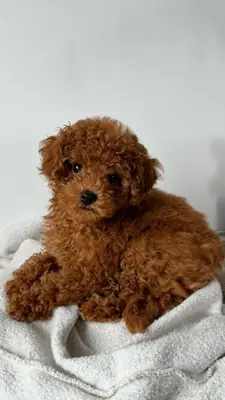
Poodle female puppy with gentle character, home raised
Brown Toy Poodle male with attentive personality

Cream female Pomeranian puppy with sweet temperament
Popular Searches
Pomeranian dogs for sale Manchester
Pomeranian dogs for sale in Manchester should be judged by health, temperament, coat care and seller proof before size, colour or a perfectly staged puppy photo. A Pomeranian is a tiny toy dog with a bold personality, and the wrong buyer can quickly struggle with barking, grooming, fragile handling, dental care and knee issues.
On Petopic, a strong Pomeranian listing should explain age, microchip status, vaccination record, pedigree paperwork if claimed, parent viewing, coat condition, grooming routine, patella history, eye background, cough or trachea concerns, dental condition, temperament, toilet training, price, deposit terms and safe collection details around Manchester and Greater Manchester.
Pomeranian puppies for sale Manchester
Pomeranian puppies for sale in Manchester need more proof than a fluffy face and a clean blanket. A buyer should see clear age, microchip status, vaccination plan, worming, flea treatment, parent information, feeding routine and how the puppy behaves in a normal home.
Ask whether the puppy can be viewed with mum, whether the paperwork matches the puppy, whether it is eating independently, whether it has been introduced to brushing and whether the seller explains tiny-dog care honestly rather than only pushing cuteness.
Toy Pomeranian for sale Manchester
Toy Pomeranian listings in Manchester attract buyers who want a very small companion dog, but tiny size should make you more careful, not less. Fragile handling, dental crowding, knee issues, feeding stability and low body weight can become real problems.
Ask adult weight estimate, parent size, feeding routine, vet notes, patella history, dental condition, microchip details and whether the puppy or dog is confident rather than shaky, timid or constantly carried around.
Teacup Pomeranian for sale Manchester
Teacup Pomeranian searches are risky because “teacup” is often used as a sales label for extremely tiny dogs. The smaller the puppy is marketed, the harder you need to check feeding, weight, teeth, knees, skull development and injury risk.
Ask current weight, expected adult weight, feeding frequency, vet check, dental condition, patella history, microchip number and whether “teacup” is being used to inflate price without proper health evidence. Tiny is not a quality certificate.
Mini Pomeranian for sale Manchester
Mini Pomeranian listings should be checked carefully because the breed is already small. Sellers may use “mini” to make an ordinary small puppy sound rarer or more valuable.
Ask exact age, current weight, parent size, microchip details, vaccination record, feeding routine and normal movement videos. A healthy small Pomeranian should be bright, active and stable, not weak, trembling or constantly sleepy.
Teddy bear Pomeranian for sale Manchester
Teddy bear Pomeranian listings are appearance-led, but the haircut, face shape or fluffy look should not outrank health, temperament and records. A rounded look does not prove better breeding.
Ask for microchip details, vaccination record, parent viewing, vet notes, dental condition, patella history, eye background, coat care, barking and whether the seller is using cute wording to avoid proper detail.
Fox face Pomeranian for sale Manchester
Fox face Pomeranian searches usually come from buyers who prefer a more classic spitz expression. That preference is fine, but the actual buying decision should still be health, behaviour and proof.
Ask about parent appearance, bite, teeth, eye condition, coat care, breathing, cough history and movement. Face style should never replace microchip checks, vet history and safe viewing.
Pedigree Pomeranian puppies Manchester
Pedigree Pomeranian puppies in Manchester should come with paperwork that matches the puppy, parents and seller claims. Pedigree wording is useful only when the documents are real and the puppy is healthy, confident and properly identified.
Ask to see registration details if claimed, parent information, microchip number, vaccination record, health notes and a written sale agreement before paying a deposit. Paperwork without health clarity is not enough.
Health checked Pomeranian puppies Manchester
Health checked Pomeranian puppies should come with more than “vet checked” written in a message. You need to know what was checked, when it was checked and whether anything was noted.
Ask about knees, eyes, teeth, bite, weight, heart, cough, breathing, coat, testicles for males, umbilical hernia, vaccination plan and whether the vet record matches the puppy’s microchip details.
Pomeranian breeders Manchester
Pomeranian breeder searches around Manchester should lead to questions about parent health, puppy socialisation, coat care, early grooming, weight stability and temperament. A serious seller should talk about the dog’s future life, not only colour and price.
Ask about microchip, vaccination, worming, parent viewing, diet, handling, toilet routine, contract, aftercare and why the pairing was chosen. If basic health questions annoy the seller, that is a warning.
Pomeranian puppies ready now Manchester
Pomeranian puppies ready now in Manchester can be genuine, but “ready now” should not push you into skipping checks. A puppy should be old enough, microchipped, eating independently, health checked and matched to the paperwork.
Ask exact date of birth, microchip number, vaccination record, worming schedule, vet check, parent details, viewing options and why the puppy is still available. Urgency is where weak buying decisions happen.
Pomeranian puppy price Manchester
Pomeranian puppy price in Manchester can vary by age, size, colour, parent background, pedigree paperwork, demand, coat condition, vet care and what records are included. Price alone is a poor quality signal.
A high price without proof is just marketing. A cheap puppy with missing microchip details, no parent history or delivery-only pressure can become expensive through vet bills, behaviour problems and grooming neglect.
Cheap Pomeranians for sale Manchester
Cheap Pomeranians for sale in Manchester should be checked hard because low prices can hide missing records, weak socialisation, illness, poor breeding, fake photos, no microchip transfer or a seller trying to move puppies fast.
There can be fair-price adverts, but the seller still needs to show microchip details, vaccination record, parent information, vet history, normal videos and safe viewing. Cheap should not mean blind trust.
Adult Pomeranian for sale Manchester
Adult Pomeranians for sale in Manchester can be easier to assess than puppies because barking, coat care, toilet habits, confidence, social behaviour and handling tolerance are already visible.
Ask why the adult Pomeranian is being sold, whether it is neutered, whether vet records are available, how it behaves when left alone, whether it accepts grooming and whether it is comfortable with children, cats and other dogs.
Retired breeding Pomeranian for sale Manchester
Retired breeding Pomeranians for sale in Manchester need careful checking because the dog may be sweet but under-socialised, nervous indoors, behind on dental care or unused to ordinary family life.
Ask how many litters the dog had, whether it is neutered, whether it has lived as a household pet, whether it is toilet trained, whether vet records are available and whether dental, knee, eye or coat history is clear.
Microchipped Pomeranian puppies Manchester
Microchipped Pomeranian puppies should have chip details that match the puppy and the seller’s records. The buyer should not be asked to sort identity later with no clear transfer process.
Ask for the microchip number, database process, vet record and proof that the puppy you view is the puppy listed. Identity checks matter even when the puppy looks healthy and friendly.
Vaccinated Pomeranian puppies Manchester
Vaccinated Pomeranian puppies in Manchester should have clear records showing what has been given and what is due next. Verbal claims about injections, worming or flea treatment are not enough.
Ask for the vet card, date of vaccination, next due date, worming schedule, flea treatment and any health check notes. Good paperwork makes the handover cleaner and safer.
Pomeranian puppies with mum Manchester
Pomeranian puppies with mum should be a basic expectation when buying from a breeder. Seeing mum helps you judge temperament, care, size, environment and whether the seller’s story is consistent.
Ask to see the puppy interacting naturally with mum, check whether mum looks healthy and relaxed, and be cautious if the seller gives excuses, offers only delivery or shows a different adult dog with no believable connection.
Pomeranian deposit Manchester
Pomeranian deposits should only come after enough proof has been checked. Tiny sizes, rare colours, “ready now” puppies and high-demand coats are common pressure points for rushed payments.
Before paying, confirm the puppy exists, the seller is genuine, mum can be seen where relevant, microchip details are clear, health records make sense and deposit terms are written. A deposit should secure a real puppy, not a story.
Pomeranian puppy scam Manchester
Pomeranian puppy scams in Manchester can use stolen photos, fake tiny puppies, delivery-only offers, urgent deposits, missing microchip details, no vet records and sellers who refuse proper viewing.
Ask for current videos, proof of ownership, microchip information, vet card, parent details, normal home footage and safe viewing. If the seller pushes speed but avoids proof, walk away.
Pomeranian luxating patella Manchester
Pomeranian luxating patella history should be checked before buying because slipping kneecaps can affect walking, jumping, stairs and long-term comfort. A tiny dog can look normal in photos while still skipping or hopping on walks.
Ask whether the dog holds up a back leg, limps, avoids stairs, has vet notes, x-rays, pain relief, surgery history or exercise limits. Knee problems are not cancelled by cuteness.
Pomeranian PRA eye problems Manchester
Pomeranian PRA and eye history should be discussed before buying because vision problems can affect confidence, night movement, stairs and anxiety.
Ask whether the dog bumps into furniture, hesitates in low light, has cloudy eyes, discharge, squinting, vet eye notes or known parent history. Bright eyes in photos do not prove healthy vision.
Pomeranian elbow dysplasia Manchester
Pomeranian elbow history is worth asking about because elbow discomfort can affect movement, play, stairs and long-term comfort. Small size does not make joint questions irrelevant.
Ask whether the dog limps on a front leg, stiffens after rest, avoids jumping, has x-rays, pain relief, surgery notes or exercise limits. Movement videos are more useful than posed photos.
Pomeranian tracheal collapse Manchester
Pomeranian cough or trachea concerns should be asked about before buying because toy dogs can have breathing-related issues that show as honking coughs, exercise intolerance or sensitivity to collars.
Ask whether the dog coughs, gags, wheezes, struggles after excitement, needs a harness, has had x-rays or takes medication. Do not accept “just a little cough” without detail.
Pomeranian dental problems Manchester
Pomeranian dental problems should be checked before buying because tiny mouths can mean crowded teeth, retained baby teeth, tartar, sore gums and expensive dental work later.
Ask about bite, retained puppy teeth, bad breath, red gums, missing teeth, dental cleaning, extractions and whether the dog struggles with hard food or chews. A fluffy face can hide a painful mouth.
Pomeranian hypoglycaemia puppy Manchester
Pomeranian puppy feeding stability matters because very small puppies can become weak if they are not eating properly or are moved into a stressful new routine too quickly.
Ask how often the puppy eats, what food it is on, whether it has ever gone weak, shaky or collapsed, and whether the seller gives a written feeding plan. Tiny puppies need routine, not guesswork.
Pomeranian grooming Manchester
Pomeranian grooming should be treated as a core cost, not a style choice. The double coat needs brushing, careful drying, mat checks, nail trimming, paw handling and seasonal shedding management.
Ask whether the dog accepts brushing, bathing, drying and paw handling. A Pomeranian that bites or panics during grooming can become expensive and stressful very quickly.
Pomeranian coat blow Manchester
Pomeranian coat blow can surprise first-time buyers because puppy fluff changes, shedding increases and the adult coat needs proper care. A young Pom may look uneven during coat change and still be normal.
Ask about age, coat stage, brushing routine, matting, skin condition and whether the seller understands coat development. Do not judge the puppy only by maximum fluff in one photo.
Matted Pomeranian for sale Manchester
Matted Pomeranians for sale need honesty because matting can pull the skin, hide sores, trap dirt and make grooming painful. A huge fluffy coat can look impressive while being uncomfortable underneath.
Ask where the mats are, when the dog was last groomed, whether skin is irritated and whether the dog tolerates brushing. Matting is not cosmetic; it is a comfort and welfare issue.
Pomeranian barking Manchester
Pomeranian barking should be checked before buying because a tiny dog can still create big problems in flats, terraces and shared buildings. Barking may come from alertness, fear, boredom, separation stress or poor routine.
Ask what triggers barking, whether the dog barks at hallway noise, visitors, dogs, traffic, doorbells or being left alone. “Only barks a little” needs real context.
Pomeranian toilet training Manchester
Pomeranian toilet training should be discussed plainly because small dogs are sometimes sold after repeated indoor accidents or pad dependency. The cause may be weak routine, anxiety, incomplete training or medical issues.
Ask whether the dog uses pads, asks to go out, has accidents overnight, marks indoors, urinates when anxious or has had urinary checks. Do not accept “mostly trained” without detail.
Pomeranian separation anxiety Manchester
Pomeranian separation anxiety can show as barking, crying, pacing, chewing, scratching doors, toileting indoors or refusing to settle when people leave. A tiny companion dog can struggle badly when treated like a low-contact pet.
Ask how long the dog can be left, whether it sleeps alone, whether crate training helps, whether neighbours complained and whether it follows people from room to room.
Pomeranian for flats Manchester
Pomeranian for flats in Manchester can work because the dog is small, but size is not the real test. Barking, hallway noise, toilet routine, separation anxiety, stairs, lifts and neighbour tolerance matter more.
Ask whether the dog barks at corridor sounds, can be left calmly, uses pads or outdoor toilet breaks and settles after walks. Flat-friendly means proven behaviour, not just tiny size.
Pomeranian for terrace house Manchester
A Pomeranian in a Manchester terrace house can do well when barking, visitor noise, post, shared walls, toilet routine and alone-time behaviour are understood before buying.
Ask whether the dog reacts to doorbells, neighbours, passing dogs, street noise or being left alone. A small home is workable only when the routine is strong and the dog is not constantly alerting.
Pomeranian for first time owners Manchester
Pomeranians can work for first-time owners, but only when the buyer understands fragile handling, grooming, dental care, barking, toilet training, knee checks and separation behaviour. This is not a low-effort dog just because it is small.
A first-time buyer should be cautious with a very nervous puppy, unclear health record, no parent viewing, severe barking, weak feeding routine or a seller who talks only about colour and price.
Pomeranian with children Manchester
A Pomeranian with children needs careful matching because this is a tiny dog that can be injured by rough handling, sudden grabbing or being dropped. Some Poms are confident with older, gentle children; others become defensive.
Ask whether the dog has lived with children, what ages, whether it hides, snaps, guards toys or dislikes being picked up. Small size does not mean suitable for every family.
Pomeranian with cats Manchester
A Pomeranian with cats can work when the dog is calm and the cat has safe escape space. Some Pomeranians are playful and polite; others bark, chase or try to control movement.
Ask whether the dog has lived with cats, whether it chases, barks, mouths or can be redirected. A cat-safe claim needs real experience, not wishful thinking.
Pomeranian with other dogs Manchester
A Pomeranian with other dogs can be bold, social, nervous or bossy depending on rearing and temperament. Small dogs can be overwhelmed by rough play or unsafe size differences.
Ask whether the Pomeranian has lived with dogs, whether fights happened, whether it guards food or people and whether it barks on lead. “Good with dogs” still needs context.
Orange Pomeranian for sale Manchester
Orange Pomeranian listings are popular because the classic bright coat photographs well. That colour should not outrank health, confidence, coat condition and honest records.
Ask for microchip details, vaccination record, parent viewing, dental notes, patella history, grooming routine and normal movement videos. Colour is not proof of quality.
Cream Pomeranian for sale Manchester
Cream Pomeranian listings can look soft and expensive, but buyers should check tear staining, coat condition, skin, grooming routine and whether the puppy is healthy and stable.
Ask whether the coat stains easily, whether the eyes water, whether mats form, whether the puppy eats well and whether health records match the advert. A clean cream coat can still hide weak paperwork.
White Pomeranian for sale Manchester
White Pomeranian listings often attract buyers quickly, but coat colour should come after health and behaviour. White coats can show tear staining and may be presented freshly cleaned for photos.
Ask about eye watering, coat care, skin condition, dental health, patella notes, microchip status and whether the seller can show normal videos rather than only edited-looking photos.
Black Pomeranian for sale Manchester
Black Pomeranian listings should still be judged by health, temperament and coat condition. Dark coats can hide dandruff, matting, skin redness and poor grooming in photos.
Ask for close coat photos, grooming notes, skin condition, parent details, vet record and normal videos of the puppy or dog walking and being handled.
Merle Pomeranian for sale Manchester
Merle Pomeranian listings need extra caution because unusual colour can be used to inflate price and distract from health questions. Colour marketing is worthless if the seller cannot explain parent background and welfare clearly.
Ask about parent colours, eye and hearing history, vet checks, microchip details, pedigree claims, coat condition and whether the seller is prioritising healthy breeding over rare-colour sales language.
Pomeranian cross for sale Manchester
Pomeranian cross dogs for sale in Manchester need the same serious questions because Pom traits can still come through strongly: barking, coat care, tiny size, dental needs, bold temperament and knee concerns.
Ask what the dog is crossed with, adult size, coat type, temperament, health history, grooming needs, toilet training and whether dental, patella, eye or cough concerns have ever been mentioned.
Pomeranians near Salford Stockport Trafford Bolton
Pomeranians near Salford, Stockport, Trafford, Didsbury, Chorlton, Sale, Stretford, Altrincham, Bolton, Bury, Oldham, Rochdale, Tameside and Wigan give Manchester buyers more local options without relying on delivery-only adverts.
Short distance helps you view properly, meet the puppy or dog, check paperwork, see coat condition and plan a safe journey home. Nearby is useful only when the seller is traceable and the records make sense.
Frequently Asked Questions
What should I check before buying a Pomeranian in Manchester?
Check the dog’s age, microchip status, vaccination record, vet notes, pedigree paperwork if claimed, parent viewing, coat condition, grooming routine, dental condition, patella history, eye checks, PRA background, elbow notes, cough or trachea concerns, weight, appetite, barking, toilet training, separation anxiety, children, cats, other dogs, flat or terrace-house suitability, price, deposit terms and collection details.
A Pomeranian is a tiny toy dog with a bold temperament, so buying should be based on health, handling stability and seller proof, not only fluff, colour or size.
Are Pomeranian puppies for sale in Manchester usually microchipped?
Yes, a puppy should have clear microchip details before sale, and the chip should match the puppy and seller records.
Ask for the microchip number, database process, vet record and proof that the puppy you view is the puppy listed.
Should a Pomeranian puppy be vaccinated before sale?
Vaccination status should be clear before buying a Pomeranian puppy.
Ask what has been given, what is due next, whether a vet card is available and whether worming and flea treatment are up to date.
Should I see a Pomeranian puppy with its mum?
Yes, when buying from a breeder, seeing the puppy with mum helps confirm the environment, temperament, size and seller’s story.
Be cautious if the seller refuses viewing, gives repeated excuses, offers only delivery or shows an adult dog that does not seem connected to the litter.
Are teacup Pomeranians safe to buy?
Very tiny Pomeranians can be fragile and may need careful feeding, handling and vet checks.
Ask adult weight estimate, current weight, feeding routine, dental condition, knee history, microchip details and whether “teacup” is being used as a marketing label.
Is a Toy Pomeranian different from a normal Pomeranian?
Pomeranians are already toy-sized dogs, so wording like “toy” or “mini” can sometimes be used to make a puppy sound rarer.
Ask for exact weight, parent size, age, vet record, feeding routine and normal movement videos instead of relying on size labels.
Are teddy bear Pomeranians better?
No. “Teddy bear” is usually an appearance description and does not prove better health, temperament or breeding.
Check microchip details, vet record, parent viewing, dental condition, patella history, eye background and coat care before focusing on the look.
Are Pomeranians good dogs for Manchester flats?
A Pomeranian can live in a Manchester flat, but barking, hallway noise, toilet routine, separation anxiety, stairs and neighbour tolerance matter more than small size.
Ask whether the dog barks at corridor sounds, can be left calmly, uses pads or outdoor toilet breaks and settles after walks.
Can a Pomeranian live in a terrace house?
A Pomeranian can live in a terrace house when barking, visitor noise, shared walls, post, toilet routine and alone-time behaviour are managed properly.
Ask whether the dog reacts to doorbells, neighbours, passing dogs, street noise or being left alone.
Do Pomeranians bark a lot?
Some Pomeranians bark when alert, excited, anxious, bored or left alone.
Ask what triggers barking, whether neighbours have complained and whether the dog barks at doors, hallway sounds, visitors, traffic, other dogs or being left.
Can Pomeranians be left alone?
Some Pomeranians can be left for short periods if trained gradually and given a stable routine.
Others bark, cry, pace, chew, scratch doors or toilet indoors. Ask how long the dog can be left and what happens during that time.
Are Pomeranians easy to toilet train?
Some Pomeranians toilet train well, while others need patient routine, especially in flats or when pad training has been used.
Ask whether the dog uses pads, asks to go out, has accidents overnight, marks indoors, urinates when anxious or has had urinary checks.
Are Pomeranians good for first-time dog owners?
Pomeranians can suit first-time owners who understand fragile handling, grooming, barking, dental care, toilet training, knee checks and regular costs.
First-time buyers should be cautious with unclear health records, severe barking, weak feeding routine, no parent viewing or a seller who only talks about colour and price.
Are Pomeranians good with children?
Pomeranians can be good with gentle, respectful children, but they are small dogs that can be injured by rough handling or being dropped.
Ask whether the dog has lived with children, what ages, whether it hides, snaps, guards toys or dislikes being picked up.
Can Pomeranians live with cats?
Some Pomeranians live well with cats, especially when introduced calmly and given clear boundaries.
Ask whether the dog has lived with cats, whether it chases, barks, mouths or can be redirected. Cats need safe escape spaces during introductions.
Can Pomeranians live with other dogs?
Some Pomeranians enjoy other dogs, while others are nervous, bossy or overwhelmed by rough play.
Ask whether the dog has lived with dogs, whether fights happened, whether it guards food or people and whether it barks on lead.
Do Pomeranians need a lot of grooming?
Yes, Pomeranians need regular brushing, coat checks, careful drying, nail trimming and seasonal shedding management.
Ask whether the dog accepts brushing, bathing, drying and paw handling before assuming grooming will be easy.
Do Pomeranians shed a lot?
Pomeranians can shed, and their double coat needs regular care to avoid loose hair build-up and mats.
Ask about brushing routine, coat blow stage, matting, skin condition and whether the dog tolerates grooming.
What is Pomeranian coat blow?
Coat blow is a shedding and coat-change stage where puppy fluff or undercoat changes and the dog can look uneven for a while.
Ask the puppy’s age, coat stage, brushing routine and whether the seller can show normal current coat photos without heavy staging.
Do Pomeranians get matted?
Pomeranians can get mats behind the ears, under the legs, around the collar, tail and chest if the coat is not maintained.
Matting can pull the skin and become painful. Ask when the dog was last groomed and whether it tolerates brushing.
Are Pomeranians prone to luxating patella?
Pomeranians can be prone to luxating patella, where the kneecap slips out of place.
Ask whether the dog skips on one back leg, limps, avoids stairs, has vet notes, x-rays, pain relief, surgery history or exercise limits.
Should I ask about eye problems before buying a Pomeranian?
Yes, eye history should be part of the buying conversation.
Ask whether the dog hesitates in low light, bumps into furniture, has cloudy eyes, discharge, squinting, vet eye notes or known PRA background.
Should I ask about elbow problems in a Pomeranian?
Yes, ask about elbow history if records or movement concerns are available.
Ask whether the dog limps on a front leg, stiffens after rest, avoids jumping, has x-rays, pain relief, surgery notes or exercise restrictions.
Should I worry about coughing in a Pomeranian?
Coughing should be taken seriously in a Pomeranian, especially if it sounds like honking, happens after excitement or appears with breathing difficulty.
Ask whether the dog coughs, gags, wheezes, needs a harness, has had x-rays or takes medication. Do not accept “just a little cough” without detail.
Are Pomeranians prone to dental problems?
Pomeranians can have dental problems because tiny mouths may mean crowded teeth, retained puppy teeth, tartar and sore gums.
Ask about bite, retained baby teeth, bad breath, red gums, missing teeth, dental cleaning, extractions and whether the dog struggles with hard food or chews.
Why does feeding routine matter for a Pomeranian puppy?
Very small puppies need a stable feeding routine because missed meals, stress and sudden food changes can make them weak or unsettled.
Ask what food the puppy eats, how often it eats, whether it has ever become weak or shaky and whether the seller provides a written feeding plan.
Is an adult Pomeranian easier than a puppy?
An adult Pomeranian can be easier to assess because barking, coat care, toilet habits, confidence and handling tolerance are already visible.
Ask why the adult dog is being sold and whether it has any dental, knee, eye, cough, grooming or behaviour issues.
Should colour affect which Pomeranian I buy?
Colour can be a preference, but it should never outrank health, temperament, records and seller transparency.
Whether the Pomeranian is orange, cream, white, black, sable or another colour, ask the same questions about microchip, vaccination, parent viewing, teeth, knees, eyes, coat and behaviour.
Are merle Pomeranians risky to buy?
Merle colour should make you ask more questions, not fewer, because unusual colour can be used as a price hook.
Ask about parent colours, eye and hearing history, vet checks, microchip details, pedigree claims and whether the seller can explain the dog’s background clearly.
Is a Pomeranian cross easier than a pure Pomeranian?
Not automatically. A Pomeranian cross may still have barking, coat care, tiny size, dental needs, bold temperament and knee concerns.
Ask what the dog is crossed with, adult size, coat type, temperament, health history and whether dental, patella, eye or cough concerns have ever been mentioned.
How do I avoid Pomeranian puppy scams in Manchester?
Watch for stolen photos, fake tiny puppies, delivery-only offers, urgent deposits, missing microchip details, no vet records and sellers who refuse proper viewing.
Ask for current videos, proof of ownership, microchip information, vet card, parent details, normal home footage and safe viewing before paying anything.
What should I prepare before bringing a Pomeranian home in Manchester?
Prepare a secure carrier, soft harness, lead, ID tag, small bed, bowls, familiar food, grooming brush, comb, safe toys, toilet routine, vet registration, insurance if possible and a quiet sleeping area.
Keep the first week predictable. Use gentle handling, short walks, patient toilet training, slow introductions and early vet review if there are feeding, dental, knee, eye, cough, coat or anxiety concerns.