New York American Budgie Adoption
There's 1 American Budgie listing live right now, last updated 29 Apr 2026. Find American Budgie ado... There's 1 American Budgie listing live right now, last updated 29 Apr 2026. Find American Budgie adoption listings in New York with the details that matter before bringing a small pet bird home: age, ... There's 1 American Budgie listing live right now, last updated 29 Apr 2026. Find American Budgie adoption listings in New York with the details that matter before bringing a small pet bird home: age, sex if known, color mutation, hand-tame level, flight ability, cage setup, diet, feather condition, droppings, breathing, social behavior, noise level, vet history, reason for rehoming and whether the bird is bonded to another budgie. An American Budgie, often searched in the U.S. as a parakeet or budgerigar, is a small parrot that needs daily interaction, safe out-of-cage time, clean housing, fresh food, enrichment and a calm routine; on Petopic, compare listings across Manhattan, Brooklyn, Queens, the Bronx, Staten Island and nearby areas with clearer, safer adoption information.
Haven't found the pet you're looking for? Let people who want to find a new home for their pet reach out to you.
Create your free pet adoption request listing now and be seen by thousands of pet owners.
Popular Searches
American Budgies for adoption in New York
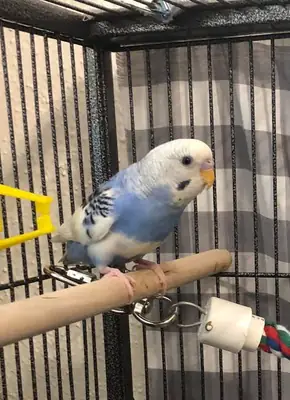
American Budgies for adoption in New York are usually small companion birds people also call parakeets or budgerigars. They may look easy because they are small, but a budgie still needs a safe cage, daily cleaning, fresh food, enrichment, social contact and a quiet place to rest.
On Petopic, compare each listing by age, sex if known, color, hand-tame level, cage setup, flight ability, diet, feather condition, droppings, breathing, vet history and reason for rehoming. A good listing does not just say “cute parakeet available”; it shows how the bird actually lives.
Adopt American Budgie in New York
To adopt an American Budgie in New York, start with the bird’s daily routine, not just its color. A healthy adoption should explain whether the budgie is hand-tame, clipped or fully flighted, used to people, bonded to another bird, noisy in the morning, nervous around hands or comfortable outside the cage.
Before contacting the owner, prepare questions about cage size, bar spacing, perches, toys, food, water, cleaning, sleep schedule, household smoke, scented products and previous illness. New York apartments can work for budgies, but only when the home is safe for a fragile bird.
Parakeet adoption New York
In the United States, many people search for “parakeet adoption” when they mean a budgie. That matters because a New York listing may say parakeet, budgie or American Budgie while describing the same type of small parrot.
Look beyond the name and check the bird’s condition: clear eyes, smooth breathing, clean vent, active posture, normal droppings, balanced perching and healthy feathers. A parakeet that sits fluffed up, breathes heavily or stays on the cage floor needs careful attention before adoption.
Budgie adoption NYC
Budgie adoption in NYC often means apartments, shared housing, busy streets, elevators, small rooms and neighbors close by. A budgie can live well in the city, but the home must protect it from smoke, fumes, drafts, open windows, ceiling fans, unsafe plants and kitchen hazards.
When reading a listing, ask where the cage is kept, how much quiet sleep the bird gets, whether it has safe flight time and whether the current home uses candles, aerosol sprays, strong cleaners or nonstick cookware nearby. Small birds react badly to air quality mistakes.
American parakeet for adoption
American parakeet is a common way people describe the smaller pet budgie type seen in many U.S. homes. The phrase can help people find the listing, but the adoption decision should still be based on health, behavior and care setup.
Ask if the bird is tame, parent-raised, hand-raised, used to stepping up, comfortable with children, scared of hands or bonded to another budgie. A bird that is not hand-tame can still be a good adoption, but the new owner must know what to expect.
American Budgie vs English Budgie
People searching American Budgie vs English Budgie usually want to know whether the bird is the smaller active companion type or the larger show-style type. In adoption listings, this difference matters for body size, temperament expectations and cage space.
The listing should show clear photos, size, age, activity level, handling history and whether the bird is described as American, English or simply budgie. Do not choose based on label alone; choose based on the individual bird and your ability to care for it.
Hand-tame budgie adoption New York
A hand-tame budgie in New York can be easier for a new owner, but “tame” needs examples. Some budgies step up, some only take millet from fingers, some sit near people but hate being grabbed, and some panic when hands enter the cage.
Ask for a short video showing real interaction: stepping up, eating from the hand, entering the cage, flying back safely and reacting to normal household movement. A bird can look calm in a photo because it is frozen with fear.
Pair of budgies for adoption NYC
A pair of budgies for adoption in NYC may already be bonded, and separating them can cause stress. If two birds preen, call to each other, sleep near each other and panic when apart, they should usually be considered together.
Before adopting a pair, ask if they are male and female, same sex, siblings, bonded mates or just cage mates. Also check whether there has been fighting, egg laying, territorial behavior or one bird bullying the other at food dishes.
Single budgie adoption New York
A single budgie can do well when the owner has time for daily interaction, but loneliness is a real concern. Budgies are social birds, and a single bird needs attention, safe enrichment, regular routine and enough mental stimulation.
Ask why the bird is alone, whether it has lived with another budgie before, whether it calls constantly, plucks, screams or shows boredom. A single budgie adoption is not wrong, but it cannot be treated as a low-contact pet.
Male budgie or female budgie adoption
Male or female budgie adoption can matter for noise, bonding, hormones and pairing, but sex should not be the only filter. Young budgies can be hard to sex accurately, and behavior still varies by individual.
Ask how the sex was determined, whether the bird has laid eggs, shown hormonal behavior, become cage territorial or lived with another bird. If a listing says “male” or “female” without confidence, treat it as uncertain until confirmed.
Baby budgie adoption New York
Baby budgie adoption in New York attracts people who want a bird that can bond and learn early, but young birds are not automatic beginner-proof pets. They need proper weaning, stable food, warmth, safe handling and patient training.
Ask the exact age, whether the bird is fully weaned, eating independently, drinking normally, perching well and showing normal droppings. A baby budgie should not be handed over before it is ready to live safely without constant support.
Adult budgie adoption New York
An adult budgie can be a strong adoption choice because its personality is clearer. You can learn whether the bird is social, shy, loud, flighted, bonded, cage defensive, playful or more independent.
In an adult budgie listing, look for handling history, diet, sleep schedule, favorite toys, noise level, previous cage setup and any health issues. Adult does not mean less desirable; it often means better information for the right match.
Blue budgie adoption New York
Blue budgie adoption listings get attention because the color is bright and popular, but color is the weakest reason to choose a bird. A blue American Budgie still needs the same cage space, diet, social time, clean air and veterinary awareness as any other budgie.
Use color as a search filter, not a decision filter. Ask about feather quality, molting, droppings, breathing, diet and behavior before getting attached to a photo.
Green budgie adoption NYC
Green budgies are classic, lively and easy to recognize, but a green bird can still be neglected, untame, sick or stressed if the listing lacks detail. Do not let a familiar color make the adoption feel safer than it is.
Ask for current cage photos, a short behavior video and clear information about food, water, droppings, sleep and handling. The right green budgie listing should make the bird’s daily care visible, not hide everything behind one cute picture.
Budgie with cage for adoption New York
A budgie with cage for adoption in New York can make the transition easier, but the cage may not be suitable long term. Many small cages are too narrow, too tall without enough flight space, poorly placed or filled with unsafe perches and toys.
Ask for cage dimensions, bar spacing, perch types, toy condition, food dishes, cleaning routine and where the cage is kept. A cage included in the adoption is only useful if it is safe, clean and large enough for daily life.
Best cage for American Budgie
The best cage for an American Budgie gives horizontal space, safe bar spacing, room to stretch wings, multiple perches, toys, food dishes and easy cleaning. A tall narrow cage may look impressive but still fail the bird’s actual movement needs.
Before adoption, confirm whether the bird is flighted, how often it gets out-of-cage time and whether the current cage caused stress behaviors like bar chewing, pacing or constant calling. Housing quality shapes behavior fast.
Budgie diet after adoption
Budgie diet after adoption should not change overnight. A seed-only diet is common in weak listings, but a healthy routine usually needs a more balanced plan with appropriate pellets, fresh safe foods, clean water and gradual transitions.
Ask what the bird currently eats, whether it accepts pellets, greens or vegetables, whether it is overweight, whether droppings are normal and whether any food caused problems. A sudden diet switch can create refusal, stress or digestive issues.
Budgie signs of illness before adoption
Budgies can hide illness, so small warning signs matter. A bird that is fluffed up, sitting low, breathing hard, sleeping too much, losing weight, not eating, tail bobbing, sneezing or showing messy droppings should not be treated as a normal adoption.
Ask for a recent video of the bird perching, moving, eating and breathing. If the owner avoids health questions or says “it has always been like that”, slow down and plan an avian vet check before bringing the bird into a home with other birds.
Budgie rescue New York
Budgie rescue in New York often involves birds surrendered because of allergies, moving, noise, landlord rules, lack of time, unexpected breeding or poor cage conditions. A rescue or rehoming bird can become a wonderful companion, but it may need patience.
Look for listings that explain the bird’s background honestly. A nervous, untame or older budgie is not a bad bird; it simply needs a home that understands gradual trust-building and safe routine.
Budgie rehoming New York City
Budgie rehoming in New York City should explain the real reason for transfer. Moving to a no-pet apartment, lack of time, noise complaints, a bonded pair needing to stay together or a child losing interest are all different situations with different adoption needs.
Ask what the owner wants for the bird’s next home: quiet adult household, experienced bird owner, pair adoption, no smoking, larger cage, safer diet or more out-of-cage time. The best rehoming listings protect the bird, not just clear space in a room.
Budgie safe home in New York apartment
A safe home for a budgie in a New York apartment means controlled windows, no ceiling fan during flight time, no kitchen fumes, no smoke, no scented sprays near the cage, no toxic plants and no open doors during out-of-cage sessions.
Before adoption, decide where the cage will go, where the bird can fly safely, how sleep will be protected and how roommates or family members will handle the bird. Small apartment living can work if the safety plan is real.
Transporting a budgie in New York
Transporting a budgie in New York should be short, calm and protected from wind, cold, heat and subway stress. A budgie should not be carried loose in a box or exposed to loud, crowded conditions longer than necessary.
Use a secure ventilated carrier, plan the route before pickup and avoid opening the carrier during travel. Once home, place the bird in a prepared cage and let it settle quietly before attempting handling or training.
Frequently Asked Questions
What kind of animal is an American Budgie?
An American Budgie is a small pet bird and a type of parakeet, also called a budgerigar. It is a small parrot, not a decorative cage object.
American Budgies need clean housing, daily attention, fresh food and water, toys, safe perches, social interaction and a calm routine. Their small size does not make them maintenance-free.
What should I check before adopting an American Budgie in New York?
Check the bird’s age, sex if known, color, hand-tame level, flight ability, cage setup, diet, droppings, feather condition, breathing, vet history, social behavior and reason for rehoming.
Ask for recent photos and a short video showing the bird moving, perching, eating and breathing. A single pretty cage photo is not enough to judge a budgie adoption.
Is an American Budgie the same as a parakeet?
In the United States, many people use “parakeet” to mean budgie. An American Budgie is usually the smaller pet budgie type commonly kept as a companion bird.
Because names are used loosely, always read the listing details. The bird’s health, behavior, cage, diet and handling history matter more than the label.
Can a budgie live in a New York apartment?
Yes, a budgie can live in a New York apartment if the home is safe, clean, quiet enough for sleep and free from dangerous fumes, smoke, open windows, ceiling fans during flight time and unsafe kitchen exposure.
The bird still needs a proper cage, out-of-cage time when safe, toys, social interaction and a stable daily routine. Apartment living is not a problem when the setup is planned properly.
Should I adopt one budgie or a pair?
Budgies are social birds, so a bonded pair should usually not be separated without a strong reason. A single budgie can do well if the owner provides daily interaction and enrichment.
Before adopting, ask whether the bird is bonded, has lived with other budgies, calls constantly when alone or shows stress behaviors. The right choice depends on the individual bird and the home routine.
What cage does an American Budgie need?
The cage should be spacious, safe, easy to clean and wide enough for movement, with secure bar spacing, varied perches, toys, food dishes and fresh water.
A small tall cage is not automatically good. Budgies need room to stretch, climb, move and stay mentally active. If the bird is flighted, safe out-of-cage time also matters.
What should an American Budgie eat?
An American Budgie should have a balanced diet, not just a bowl of seeds. Many birds need a gradual transition toward a healthier routine with appropriate pellets, safe fresh foods and clean water.
Ask what the bird currently eats before changing anything. Sudden diet changes can cause refusal and stress, so transitions should be slow and carefully observed.
How can I tell if a budgie is healthy before adoption?
A healthy budgie should be alert during active hours, perch steadily, breathe quietly, eat, drink, preen and have clean eyes, clean nostrils and normal droppings.
Warning signs include fluffed posture, sitting on the cage floor, tail bobbing, noisy breathing, sneezing, discharge, dirty vent, weight loss, poor feathers, not eating or abnormal droppings.
Does a budgie need an avian vet?
Yes, budgies should be seen by a vet experienced with birds, especially after adoption or if there are signs of illness. Small birds often hide problems until they are already serious.
Ask whether the bird has ever had a vet visit, nail trim, beak issue, respiratory problem, mites, egg-laying problem or injury. No vet history does not always mean unhealthy, but it should be stated honestly.
Is a hand-tame budgie better for beginners?
A hand-tame budgie can be easier for a beginner because it may already step up, take food from the hand or accept people nearby. But tame does not mean the bird likes being grabbed or handled roughly.
Ask for real examples of tameness and a short interaction video. A shy budgie can still be adopted, but it needs patience, not forced handling.
How should I transport a budgie in New York?
Use a secure, ventilated carrier and keep the trip short, calm and protected from cold, heat, wind and loud stress. Do not carry the bird loose or in an unsafe open box.
Prepare the cage before pickup. Once home, let the budgie settle quietly before training, handling or introducing it to other birds.
How do I know if an American Budgie adoption listing is trustworthy?
A trustworthy listing gives the bird’s age, sex if known, photos, behavior, diet, cage setup, health history, flight status, social needs, handling level and reason for rehoming.
A weak listing only says “cute parakeet”, “must go today” or “comes with cage” without care details. For a budgie, missing information is not a small issue; it is the main adoption risk.