New York Lost Cats
There are 2 Cat listings live right now, last updated 15 Jul 2026. Search and post New York lost cat... There are 2 Cat listings live right now, last updated 15 Jul 2026. Search and post New York lost cat listings for missing indoor cats, outdoor cats, kittens and found cats across NYC. Petopic helps ca... There are 2 Cat listings live right now, last updated 15 Jul 2026. Search and post New York lost cat listings for missing indoor cats, outdoor cats, kittens and found cats across NYC. Petopic helps cat owners and neighbors review lost cat alerts by borough, neighborhood, last seen location, date, coat color, markings, collar, microchip status, temperament and contact details, so a cat hiding near an apartment building, basement, backyard, fire escape, alley, park or nearby block has a better chance of being identified and brought safely home.
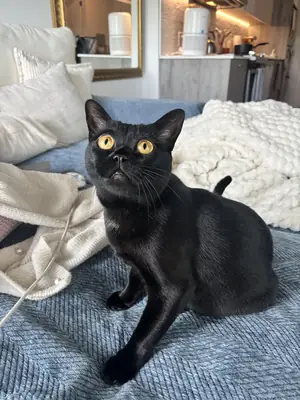
Missing black Bombay cat with a small white mark on his chest
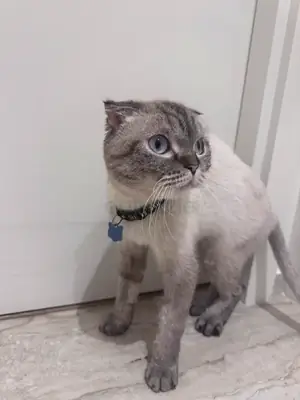
3-Year-Old Scottish Fold Missing in New York – Attention Anyone Seeing
Quick Information
Other listings in your area
Popular Searches
Lost cats in New York
Lost cats in New York need highly specific listings because the city is dense, noisy and full of hiding places. A missing cat may not travel far at first; it may hide under a stoop, inside a basement, behind trash bins, in a courtyard, on a fire escape, in a garage, under a parked car or in a neighbor’s building. A weak listing with only “lost cat, please help” is not enough.
On Petopic, New York lost cat listings should make the cat easy to recognize: borough, neighborhood, nearest cross streets, last seen date, coat color, markings, eye color, collar, microchip status, indoor or outdoor habit, temperament and contact details. The faster the right person can identify the cat, the stronger the listing becomes.
Lost cat NYC
A lost cat in NYC should be searched for block by block, not only online. Indoor cats that escape may freeze, stay silent and hide very close to the exit point, even when the owner is calling. That means the listing should name the building area, street corner, apartment complex, backyard, alley or courtyard where the cat was last seen.
Use clear photos from different angles and describe details people can check quickly: tabby stripes, white paws, ear tip, tail shape, scar, collar color, microchip, shy or friendly behavior. In New York, “gray cat missing” is too vague; “gray short-haired cat with white chest last seen near Crown Heights, Brooklyn” gives people something real to act on.
Missing cat New York
When a cat is missing in New York, the first hours matter, but panic creates bad listings. The strongest missing cat post gives the last known location, how the cat got out, whether it is indoor-only, whether it is likely to approach strangers and whether it may be hiding silently nearby.
Neighbors need practical instructions: do not chase, take a photo, note the exact location, check basements, sheds, stairwells, laundry rooms, backyards, fire escapes and under cars. A missing cat listing should not just ask for help; it should tell people exactly what to look for and how to respond.
Found cat New York
If you found a cat in New York, the first question is whether it is truly lost, an indoor pet that escaped, a neighborhood outdoor cat, or a community cat that lives in the area. A healthy outdoor cat may not need to be removed from its territory, but a friendly, injured, confused, collared, microchipped or clearly displaced cat should be reported carefully.
A found cat listing should include the borough, neighborhood, date, general description, where the cat was seen or secured, collar information and whether a microchip scan is planned. Do not publish every unique detail if you are holding the cat; keep a few identifiers for the real owner to confirm.
Indoor cat escaped NYC
An indoor cat that escaped in NYC is often much closer than the owner thinks. It may hide in silence near the building, under steps, behind garbage areas, inside a basement, in a courtyard, under a deck, behind a gate or near the exact door or window it escaped from. Calling loudly in the street may not bring it out.
The listing should say “indoor-only” clearly because that changes the search strategy. Ask neighbors to check enclosed spaces slowly, use a flashlight at night to catch eye shine, and report sightings without chasing. For frightened indoor cats, a quiet confirmed sighting is more useful than a crowd running after them.
Lost kitten New York
A lost kitten in New York is urgent because young cats are smaller, more vulnerable and easier to miss in tight hiding places. A kitten may hide behind planters, inside basement windows, under cars, in stairwells, near heat sources or around food smells. The listing should make age and size obvious.
Use recent close-up photos and describe the kitten’s color, markings, eye color, collar, microchip status if known and whether it responds to its name. If the kitten is very young, ask people not to assume it is simply a stray; a quick sighting with an exact location can be the difference between finding it and losing the trail.
Black cat lost NYC
Black cat lost listings in NYC need extra detail because many black cats look similar in poor lighting. A strong listing should mention eye color, fur length, white hairs on chest or belly, ear shape, tail length, collar, scar, size, age and whether the cat is shy or vocal.
Night sightings can be hard to confirm, so ask people to take a photo or video if possible and note the exact cross street, building entrance, alley, yard or parked car area. “Black cat seen in Brooklyn” is too broad; exact location and distinguishing details make the listing useful.
Tabby cat missing New York
Tabby cat missing listings need clear visual identifiers because tabby patterns are common. The listing should say whether the cat is brown, gray, orange or silver tabby, whether it has white paws, a white chest, a spotted belly, a striped tail, a tipped ear, unusual face markings or a collar.
For New York neighborhoods, include the last seen block and likely hiding areas. A tabby cat may blend into fences, stoops, gardens, alleys and basement entrances. Good photos from the side and face make neighbors much more likely to recognize the right cat.
Lost cat Manhattan
Lost cat searches in Manhattan should focus on buildings, courtyards, basements, fire escapes, alleyways, loading areas, parking garages and nearby blocks. Cats do not think in avenues and subway stops; they look for cover, quiet and safety. A Manhattan listing should name the nearest cross streets and building context without exposing private apartment details.
Because Manhattan has heavy foot traffic, a good listing should ask for photo confirmation and exact sighting times. “Seen near the Upper West Side” is not enough. The useful lead is a location like a specific block, courtyard entrance, basement stairwell or storefront area.
Lost cat Brooklyn
Lost cat listings in Brooklyn should be neighborhood-specific: Williamsburg, Bushwick, Crown Heights, Park Slope, Bay Ridge, Bed-Stuy, Greenpoint, Flatbush or the exact local area if possible. Brooklyn blocks often have backyards, alleys, basement entrances and connected outdoor spaces where a cat can hide unseen.
A useful Brooklyn listing should include cross streets, last seen direction, indoor or outdoor history, coat pattern and whether the cat may approach people. If the cat escaped from an apartment, neighbors in the same building and adjacent yards may be more important than a citywide search at first.
Lost cat Queens
Lost cat searches in Queens can cover very different environments: apartment buildings, houses, driveways, garages, gardens, subway-adjacent blocks, parking lots and quieter residential streets. The listing needs exact neighborhood context, not just “Queens”.
Write the nearest cross streets, last seen time, whether the cat is indoor-only, and likely hiding spots such as sheds, garages, under porches, behind fences or near feeding areas. In Queens, a cat may stay close but be hidden on private property, so neighbor checks matter a lot.
Microchipped cat found New York
A microchipped cat found in New York should be scanned by a veterinarian, shelter or authorized animal service so the owner can be contacted through the registered information. The microchip is not a GPS tracker, but it can be one of the strongest ways to confirm identity.
If you are posting a found cat listing, say whether a microchip scan has been done, but do not publish private chip details. If you lost a microchipped cat, make sure your contact information is current and mention the chip status in the listing so finders know the cat can be verified.
Frequently Asked Questions
What should I do first if my cat is lost in New York?
Start by searching inside your home and immediately around the escape point. Check closets, under beds, behind furniture, basements, stairwells, fire escapes, courtyards, under cars, garbage areas, garages, sheds and any small dark place nearby.
Then post a clear lost cat listing with recent photos, borough, neighborhood, nearest cross streets, last seen date, coat color, markings, collar, microchip status, temperament and contact details. Do not wait days to post; early local visibility matters.
Do lost indoor cats stay close to home?
Many indoor cats hide close to the place they escaped from, especially during the first hours or days. They may stay silent even when they hear their owner because they are scared and trying to stay hidden.
Search slowly and repeatedly near the building, using a flashlight to check eye shine under cars, stairs, porches, basement entrances, alleys and bushes. Do not assume your cat has already crossed the city.
What should a New York lost cat listing include?
A strong listing should include the cat’s name, borough, neighborhood, nearest cross streets, last seen date and time, coat color, markings, size, age, sex, collar, microchip status, indoor or outdoor habit and temperament.
Add clear photos from the front and side. Mention details that help people identify the right cat, such as white paws, ear tip, scar, striped tail, eye color, long hair, short hair or unusual behavior.
Where do cats usually hide in NYC buildings?
Cats may hide in basements, laundry rooms, stairwells, fire escapes, courtyards, trash areas, under parked cars, behind gates, in garages, under stoops, near boilers, inside sheds or around neighboring buildings.
Ask supers, doormen, neighbors and nearby businesses to check spaces you cannot access. In New York, many useful sightings happen inside or just behind buildings, not on the main sidewalk.
What should I do if I found a cat in New York?
First check whether the cat has a collar, tag or visible identification. If the cat is friendly or appears lost, injured, confused or displaced, you can arrange for a microchip scan and post a found cat listing with the general location and description.
Do not hand the cat to someone without verification. Ask for photos, records, microchip confirmation or specific details that prove ownership. If the cat appears healthy and is known in the neighborhood, it may be an outdoor or community cat.
Should I chase my lost cat if I see it outside?
No. Chasing a scared cat can push it farther away or into traffic, alleys, fenced yards or unsafe hiding places. Move slowly, stay low, speak softly and avoid crowding the cat.
If the cat will not come, mark the exact location, keep the area calm and use familiar food, scent or a humane trap when appropriate. A calm recovery plan is better than a noisy chase.
How can a microchip help find a lost cat?
A microchip helps confirm identity when the cat is scanned by a veterinarian, shelter or animal service. It is not a live tracker, so it will not show your cat’s location, but it can help reunite the cat with the owner once found.
If your cat is microchipped, keep the registration details current and mention the chip status in your lost cat listing. If you find a cat, a scan can help locate the owner without relying only on photos.
How do I make a black cat lost listing more effective?
Black cats can be hard to distinguish in photos and at night, so include extra identifiers: eye color, fur length, size, white hairs, collar color, scars, tail shape, ear shape and behavior around strangers.
Use bright, clear photos and ask people to send a photo or video with the exact location before assuming it is your cat. Many black cat sightings can be false matches without detailed confirmation.
What is the best way to search for a lost kitten in New York?
Search very close to the last known location first. Kittens can hide in tiny spaces: behind planters, under cars, inside basement windows, stairwells, bushes, garages, courtyards and building entrances.
Post photos that show the kitten’s size clearly and mention age, color, markings, collar, microchip status and whether it is friendly or fearful. Ask neighbors to check enclosed areas carefully before closing doors or gates.
Should I offer a reward for a lost cat?
A reward can increase attention, but it should not replace good information. Photos, exact location, markings, microchip status and contact details are more important than a vague reward message.
Be careful with scams. Ask for a photo, video, exact location and identifying details before sending money or sharing private information. Real leads can be verified.
How often should I update a lost cat listing?
Update the listing whenever there is a new sighting, corrected location, better photo or change in contact information. Old or vague listings lose value quickly in a city with many similar cats.
Keep the core details consistent across posts so people do not get confused. Borough, neighborhood, cross streets, date, photos and contact information should remain clear and easy to act on.
How do I avoid false claims on a found cat listing?
Do not publish every unique detail if you are holding a found cat. Keep a few identifiers private, such as a hidden marking, microchip confirmation, collar detail or behavior only the owner would know.
Ask the claimant for older photos, vet records, microchip information, the cat’s name, identifying marks and the location where the cat went missing. Returning a cat quickly matters, but returning it to the right person matters more.