Maine Coon Cats for Free Adoption in Norwich
There's 1 Maine Coon listing live right now, last updated 21 Apr 2026. Find Maine Coon cats for free... There's 1 Maine Coon listing live right now, last updated 21 Apr 2026. Find Maine Coon cats for free adoption in Norwich with the checks this large, long-haired and people-loving cat genuinely needs b... There's 1 Maine Coon listing live right now, last updated 21 Apr 2026. Find Maine Coon cats for free adoption in Norwich with the checks this large, long-haired and people-loving cat genuinely needs before you bring one home: compare Maine Coon kittens, adult Maine Coons, senior cats, indoor cats, bonded pairs, retired breeding cats and Maine Coon crosses on Petopic by age, microchip transfer, neutering, vaccination history, indoor or outdoor routine, litter training, grooming tolerance, coat matting, shedding, dental condition, weight, HCM or heart murmur history, hip dysplasia notes, patellar luxation, SMA background, PKDef status, mobility, stairs, scratching behaviour, children, cats, dogs, previous homes, rehoming reason, carrier safety and handover options across Norwich city centre, Sprowston, Hellesdon, Thorpe St Andrew, Costessey, Catton, Bowthorpe, Eaton, Cringleford, Taverham, Wymondham, Dereham, Great Yarmouth, Lowestoft, Thetford, King’s Lynn, Norfolk and nearby Suffolk.
Haven't found the pet you're looking for? Let people who want to find a new home for their pet reach out to you.
Create your free pet adoption request listing now and be seen by thousands of pet owners.
Quick Information
Other listings in your area
indoor cat, change of routine
quiet cat, better in a calmer home
persian cat
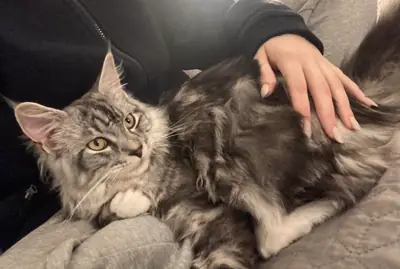
maine coon cat
Popular Searches
Free Maine Coon adoption Norwich
Free Maine Coon adoption in Norwich should be judged by health history, coat condition and home suitability before size or dramatic photos. A Maine Coon is a large, long-haired cat with slow maturity, strong presence and real grooming needs, so the right home must understand space, brushing, weight, joints and heart checks.
On Petopic, a strong Maine Coon adoption listing should explain age, microchip transfer, neutering, vaccination history, indoor or outdoor routine, litter training, grooming tolerance, matting, dental condition, HCM or heart murmur history, hip notes, SMA background, PKDef status, children, cats, dogs and the exact reason for rehoming.
Maine Coon cats for free adoption in Norwich
Maine Coon cats for free adoption in Norwich can include young cats, adults, senior cats, bonded pairs, indoor-only cats, retired breeding cats and Maine Coon crosses. The best listing is not the one with the biggest cat; it is the one with the clearest history.
Look for normal-life details: how the cat uses a litter tray, whether grooming is tolerated, whether the coat mats, whether stairs are easy, whether the cat is confident with visitors and whether vet records mention heart, hip, knee, dental or mobility issues.
Maine Coon rehoming Norwich
Maine Coon rehoming in Norwich often happens because of landlord rules, owner illness, grooming workload, allergies, pet conflict, relocation, cost of care or a cat becoming stressed in a busy home. The rehoming reason matters because it tells you what the next home must handle better.
Ask how long the current keeper has had the cat, whether the cat has moved homes before, whether it is bonded to another pet, whether it hides from children or dogs and whether grooming or vet costs are part of the reason for rehoming.
Maine Coon rescue Norwich
Maine Coon rescue in Norwich needs patience because a rescued large cat may be affectionate but still nervous, under-groomed, overweight, matted, poorly socialised or unsettled after several home changes.
Ask about microchip transfer, neutering, vaccination history, vet notes, heart checks, mobility, coat condition, litter habits, behaviour with other pets and how the cat reacts to being brushed, lifted, transported and handled by new people.
Maine Coon free to good home Norwich
Maine Coon free to good home listings can be genuine, but free adoption does not mean cheap ownership. A large cat can need bigger carriers, larger litter trays, stronger scratching furniture, regular grooming, quality food, insurance and health checks.
A responsible listing should include microchip transfer, neutering status, vaccination record, grooming condition, vet notes, behaviour detail and a careful handover plan. If the cat must leave immediately with no questions, slow down.
Maine Coon kitten free adoption Norwich
Maine Coon kitten free adoption in Norwich should raise serious questions because Maine Coon kittens are highly wanted. A free kitten can be genuine, but it can also hide fake photos, poor records, a rushed handover or a kitten that is not actually Maine Coon.
Ask exact age, microchip status, vaccination plan, worming, flea treatment, parent background, litter training, feeding routine, socialisation, health notes and why such a high-interest kitten is being rehomed free.
Adult Maine Coon adoption Norwich
Adult Maine Coon adoption in Norwich can be smarter than chasing a kitten because the cat’s final size, coat type, grooming tolerance, confidence, litter habits and relationship with other pets are already visible.
Ask whether the adult cat accepts brushing, climbs comfortably, uses a large litter tray, has had heart checks, is neutered, has dental issues and whether it prefers an indoor, outdoor or controlled-access routine.
Senior Maine Coon adoption Norwich
Senior Maine Coon adoption can suit a calm Norwich home that wants a known, gentle companion. Older Maine Coons may still be affectionate and playful, but age makes heart history, teeth, weight, arthritis, kidney checks, grooming and mobility more important.
Ask about medication, appetite, drinking, litter tray access, stiffness, stairs, dental work, heart murmur, grooming tolerance and whether the cat needs ramps, lower furniture or a quieter home.
Indoor Maine Coon adoption Norwich
Indoor Maine Coon adoption in Norwich can work well when the home has space, enrichment, climbing options, scratching furniture, play routine and enough human contact. A large indoor cat with no stimulation can become bored, overweight or destructive.
Ask whether the cat is used to being fully indoors, whether it tries to escape, whether it uses cat trees, whether it scratches furniture and whether it needs a secure balcony, catio or controlled outdoor access.
Outdoor Maine Coon rehoming Norwich
Outdoor Maine Coon rehoming needs careful thought because this is a large, valuable-looking cat that can attract attention and may not be safe near busy roads, unfamiliar territory or unsafe gardens.
Ask whether the cat has outdoor experience, whether it stays close, whether it comes when called, whether it is microchipped, whether it hunts heavily and whether the new address is suitable for gradual, safe outdoor access.
Maine Coon cat indoor or outdoor Norwich
Maine Coon indoor or outdoor suitability depends on the individual cat’s background. A cat raised indoors may panic outside; a cat used to roaming may become frustrated if suddenly kept inside without enrichment.
Ask what routine the cat currently has, whether it uses windows, cat trees, enclosed gardens or catios, and whether it has ever gone missing, fought with cats or struggled with roads.
Private Maine Coon rehoming Norwich
Private Maine Coon rehoming in Norwich can be genuine, but adopters need to uncover the real story. Some owners soften wording around matting, litter accidents, pet conflict, vet costs, heart murmurs, anxiety or destructive scratching.
Ask for microchip transfer, vet history, current photos, grooming notes, litter behaviour, previous homes, temperament with strangers and the exact rehoming reason. A good keeper should care where the cat goes.
Retired breeding Maine Coon adoption Norwich
Retired breeding Maine Coon adoption needs careful checking because the cat may be beautiful but under-socialised, nervous indoors, not fully comfortable with household noise or behind on dental and coat care.
Ask how many litters the cat had, whether it is neutered, whether it has lived as a household pet, whether HCM scans or DNA results are available and whether it is comfortable with brushing, children, dogs and other cats.
Bonded Maine Coon pair adoption Norwich
Bonded Maine Coon pair adoption can be a good choice when the cats rely on each other, but it doubles food, litter, grooming space and vet planning. A pair should not be split casually if they are genuinely bonded.
Ask whether they sleep together, groom each other, become stressed when separated, share resources peacefully and whether both cats have clear microchip, vaccination, neutering and health records.
Microchipped Maine Coon adoption Norwich
A microchipped Maine Coon adoption listing should explain how keeper details will be transferred. The chip should match the cat and the handover should not rely on vague promises.
Ask for the microchip number, database transfer process and proof that the current keeper is allowed to rehome the cat. Identity matters even when the adoption is free.
Vaccinated Maine Coon adoption Norwich
Vaccinated Maine Coon adoption should state what has been given, what is due next and whether vet records are available. “Healthy” is too weak for a large breed cat with known health considerations.
Ask about boosters, flea treatment, worming, dental notes, heart checks, mobility concerns, previous illness and any medication. Good adoption detail protects both the cat and adopter.
Neutered Maine Coon adoption Norwich
Neutered Maine Coon adoption can reduce roaming, spraying, unwanted breeding and some conflict, but it does not automatically fix anxiety, scratching, grooming resistance or litter issues.
Ask whether the cat is neutered, when it was done, whether recovery was normal and whether weight, coat, marking or behaviour changed afterwards. A large neutered cat still needs weight control and enrichment.
Maine Coon grooming adoption Norwich
Maine Coon grooming should be part of the adoption decision, not something to solve later. The long coat can mat around the chest, belly, tail, back legs and behind the ears if brushing is skipped.
Ask how often the cat is brushed, whether it accepts combing, whether it bites during grooming, whether a groomer has been needed and whether mats are currently hidden under the coat.
Matted Maine Coon adoption Norwich
Matted Maine Coon adoption needs honesty because matting can pull the skin, hide sores, trap dirt and make grooming painful. A huge coat can look impressive while being uncomfortable underneath.
Ask where the mats are, when the cat was last groomed, whether a shave-down is needed, whether the skin is irritated and whether the cat tolerates handling. Matting is not cosmetic; it is a comfort issue.
Maine Coon shedding adoption Norwich
Maine Coon shedding can surprise adopters because the coat is long, seasonal and easy to underestimate. Loose hair can build up in the home and in the coat if brushing is inconsistent.
Ask about seasonal shedding, brushing routine, hairballs, coat texture, diet and whether the cat allows belly and back-leg grooming. A low-effort coat claim should be treated carefully.
Large Maine Coon adoption Norwich
Large Maine Coon adoption attracts people who want a giant-looking cat, but size should not outrank health. Bigger cats need appropriate carriers, strong scratching posts, large litter trays, stable furniture and weight monitoring.
Ask current weight, body condition, mobility, jumping ability, hip history, heart history and whether the cat is genuinely large-framed or simply overweight. “Giant” is not automatically a selling point.
Giant Maine Coon free adoption Norwich
Giant Maine Coon free adoption searches can pull people toward the wrong priority. A huge cat with weak records, matting, heart concerns or mobility pain is not a better adoption than a smaller healthy cat with clear history.
Ask for actual weight, age, vet notes, heart checks, mobility, diet, litter tray habits and current photos without forced angles. Size hype should never replace welfare detail.
Maine Coon HCM adoption Norwich
Maine Coon HCM history should be checked before adoption because heart disease can exist before obvious symptoms. A cat can look strong, large and calm while still needing cardiac monitoring.
Ask whether the cat has had a heart murmur, HCM DNA testing, echocardiogram, medication, breathing issues, fainting, exercise intolerance or family heart history. For a Maine Coon, heart questions are not optional detail.
Maine Coon heart murmur adoption Norwich
A Maine Coon heart murmur should be taken seriously before adoption. Not every murmur means the same thing, but it should be explained through vet records rather than brushed off.
Ask when the murmur was found, whether a scan was advised, whether medication is used and whether the cat has breathing changes, tiredness, collapse or reduced play. A vague “vet said it is fine” needs paperwork.
Maine Coon hip dysplasia adoption Norwich
Maine Coon hip dysplasia history matters because this is a large cat and joint discomfort can affect jumping, stairs, litter tray use and long-term comfort.
Ask whether the cat limps, avoids jumping, struggles to climb, sits awkwardly, has x-rays, takes pain relief or needs a lower-sided litter tray. Movement videos tell more than posed photos.
Maine Coon patellar luxation adoption Norwich
Maine Coon patellar luxation should be asked about if the cat skips, limps, avoids jumping or shows back-leg discomfort. A large cat with knee issues may need careful weight control and vet planning.
Ask whether a vet has diagnosed the knee, whether x-rays or surgery were discussed and whether the cat needs exercise limits, ramps or pain management.
Maine Coon SMA adoption Norwich
Maine Coon SMA background should be checked when breeder, parent or DNA information is available. SMA can affect movement and muscle control, so a wobbly walk or weakness should never be dismissed as clumsiness.
Ask whether DNA results exist, whether the cat has weakness, tremors, unusual gait, difficulty jumping or muscle loss. Adoption still benefits from honest genetic background even when the cat is not being sold.
Maine Coon PKDef adoption Norwich
Maine Coon PKDef history should be asked about when DNA or parent information is available because pyruvate kinase deficiency can relate to anaemia and long-term health management.
Ask whether the cat has DNA results, pale gums, tiredness, poor stamina, previous bloodwork or unexplained weakness. A free adoption should not mean skipping medical questions.
Overweight Maine Coon adoption Norwich
Overweight Maine Coon adoption needs honesty because a large cat can be mistaken for a healthy giant when it is actually carrying too much weight. Extra weight can worsen joint strain, grooming difficulty and mobility issues.
Ask current weight, body condition, feeding routine, treat habits, activity level and whether a vet has advised weight loss. A Maine Coon should be substantial, not unmanaged.
Maine Coon litter training adoption Norwich
Maine Coon litter training should be discussed clearly because large cats need large, clean, accessible trays. Accidents may come from stress, poor tray size, arthritis, urinary issues, territorial conflict or a dirty setup.
Ask what litter the cat uses, whether accidents happen, whether the cat sprays, whether it struggles to turn in the tray and whether a lower-sided tray is needed for mobility.
Maine Coon scratching furniture Norwich
Maine Coon scratching needs proper equipment because a large cat can destroy weak posts quickly. Small kitten posts are usually not enough for an adult Maine Coon.
Ask whether the cat uses scratching posts, whether it scratches sofas, whether it likes vertical or horizontal scratchers and whether the current home provides tall, heavy, stable furniture.
Maine Coon with children Norwich
A Maine Coon with children can work well when the cat is confident and the children respect handling boundaries. Large size does not mean the cat should be picked up, chased or treated like a toy.
Ask whether the cat has lived with children, what ages, whether it hides from noise, scratches when overhandled, guards food or prefers calm adults. Family-friendly needs evidence, not breed reputation.
Maine Coon with other cats Norwich
A Maine Coon with other cats can be sociable, but introductions still matter. Large confident cats can intimidate smaller cats, and some Maine Coons prefer being the only cat.
Ask whether the cat has lived with cats, whether fights happened, whether it guards food or litter trays and whether it prefers male, female, calm or playful companions. A slow introduction plan is essential.
Maine Coon with dogs Norwich
A Maine Coon with dogs can work when the cat is confident and the dog is calm. Some Maine Coons ignore dogs; others become stressed, hide, stop eating or defend themselves.
Ask whether the cat has lived with dogs, what size and temperament the dogs were, whether chasing happened and whether the cat has safe high spaces. Dog-friendly should mean proven experience.
Maine Coon for first time cat owners Norwich
Maine Coon adoption for first-time cat owners can work, but only when the adopter understands grooming, space, larger equipment, health checks, slow maturity, scratching needs and cost of care.
A first-time adopter should be cautious with severe matting, unclear vet history, heart murmur, litter accidents, strong anxiety, aggressive grooming behaviour or a cat that needs complex medical monitoring.
Maine Coon for flats Norwich
Maine Coon adoption for flats in Norwich depends on the cat’s routine and the space available. A large indoor cat needs climbing, scratching, play, windows, hiding areas and a litter setup that does not feel cramped.
Ask whether the cat is already indoor-only, whether it vocalises at doors, whether it scratches from boredom and whether the flat can fit strong cat furniture, a large tray and safe enrichment.
Maine Coon for house with garden Norwich
A Maine Coon in a house with a garden can do well when outdoor access is safe, gradual and controlled. The risk is assuming a large cat will automatically be streetwise in a new area.
Ask whether the cat has outdoor experience, whether the garden is secure, whether a catio is possible and whether the cat has ever gone missing, fought or become stressed outside.
Maine Coon cross free adoption Norwich
Maine Coon cross free adoption in Norwich still needs serious checking because coat, size, grooming needs and temperament can vary widely. A cross may be easier than a full Maine Coon, or it may still need the same large-cat setup.
Ask what the cat is crossed with, expected size, coat type, grooming needs, health history, litter habits, microchip transfer and whether heart, hip, mobility or coat concerns have ever been mentioned.
Black Maine Coon adoption Norwich
Black Maine Coon adoption searches are often appearance-led, but colour should not outrank health and temperament. Dark coats can hide dandruff, matting, skin irritation and poor grooming in photos.
Ask for close coat photos, grooming notes, skin condition, vet records, microchip transfer and normal videos of the cat moving, jumping and being handled.
Tabby Maine Coon adoption Norwich
Tabby Maine Coon adoption can attract quick interest because the classic coat looks powerful and recognisable. That look should come after proof of health, identity and rehoming honesty.
Ask about microchip transfer, vet history, grooming routine, heart checks, mobility, litter training and whether the cat is truly Maine Coon or a large tabby being described loosely.
White Maine Coon adoption Norwich
White Maine Coon adoption needs extra attention to hearing, eye comfort, skin sensitivity and grooming. A white coat can look impressive while still hiding matting or staining.
Ask whether the cat can hear normally, whether any hearing test or vet note exists, whether the eyes water, whether the coat stains and whether the cat is safe outdoors in strong sun.
Maine Coon adoption near Sprowston Hellesdon Wymondham
Maine Coon adoption near Sprowston, Hellesdon, Thorpe St Andrew, Costessey, Catton, Taverham, Wymondham, Dereham, Great Yarmouth, Lowestoft, Thetford, King’s Lynn and wider Norfolk gives adopters more local options without rushing into the first free listing.
Short distance helps you meet properly, check paperwork, see the coat condition, watch movement, inspect litter and food setup and plan a calmer journey home. Nearby is useful only when the cat’s history is clear.
Maine Coon adoption scam Norwich
Maine Coon adoption scams in Norwich can use stolen photos, fake giant cat claims, urgent rehoming stories, delivery-only offers, missing microchip details, no vet records and pressure for transport or reservation fees.
Ask for current videos, proof of ownership, microchip information, vet history, normal grooming or movement footage and a safe viewing or collection plan. If the person avoids proof but pushes urgency, walk away.
Frequently Asked Questions
What should I check before adopting a Maine Coon in Norwich?
Check the cat’s age, microchip transfer, neutering, vaccination history, vet records, indoor or outdoor routine, litter training, grooming tolerance, coat matting, shedding, dental condition, weight, HCM or heart murmur history, hip dysplasia notes, patellar luxation, SMA background, PKDef status, mobility, scratching behaviour, children, cats, dogs, previous homes and the exact reason for rehoming.
A Maine Coon is a large, long-haired cat, so adoption should be based on health clarity, coat care and home suitability, not only size or appearance.
Can I adopt a Maine Coon for free in Norwich?
You may find free Maine Coon rehoming listings in Norwich, but free adoption still needs proper checks.
Ask for microchip details, vet records, neutering status, vaccination history, grooming notes, heart history, mobility notes, litter behaviour and a clear handover plan. Free does not mean low-cost care.
Is a Maine Coon a good adoption cat?
A Maine Coon can be a good adoption cat for a home that can provide space, grooming, enrichment, large equipment and regular health care.
The right match depends on the individual cat’s temperament, coat condition, health history, litter habits, mobility and compatibility with children or other pets.
Are Maine Coons easy cats to own?
Maine Coons can be friendly and affectionate, but they are not low-maintenance cats.
Their size, coat, grooming needs, equipment needs, food cost and breed-related health checks make them a serious commitment.
Can Maine Coons live indoors?
Many Maine Coons can live indoors if the home has enough space, enrichment, climbing furniture, scratching posts, play routine and human contact.
Ask whether the cat is already indoor-only, whether it tries to escape and whether it becomes bored or destructive without outdoor access.
Can Maine Coons go outside?
Some Maine Coons are used to outdoor access, but a new home should introduce outside time slowly and safely.
Ask whether the cat has outdoor experience, whether it stays close, whether it has ever gone missing, whether it is microchipped and whether the new area is safe enough for outdoor access.
Can a Maine Coon live in a Norwich flat?
A Maine Coon may live in a flat if the space has proper enrichment, large litter trays, scratching furniture, climbing options and enough daily interaction.
Ask whether the cat is already used to indoor life and whether the flat can fit strong cat furniture and a comfortable large-cat setup.
Does a Maine Coon need a garden?
A garden is not always required, but safe enrichment is required.
Some Maine Coons do well indoors with cat trees, window access and play, while others prefer a secure garden, catio or controlled outdoor access.
Are Maine Coons good for first-time cat owners?
Maine Coons can suit first-time cat owners who understand grooming, large equipment, health checks, space needs and cost of care.
First-time adopters should be cautious with severe matting, unclear vet history, heart murmur, litter problems, anxiety or a cat that resists handling.
Is an adult Maine Coon easier than a kitten?
An adult Maine Coon can be easier to assess because final size, coat type, grooming tolerance, confidence, litter habits and personality are already visible.
Ask why the adult cat is being rehomed and whether it has any health, mobility, grooming or behaviour issues.
Is a senior Maine Coon a good adoption choice?
A senior Maine Coon can be a good adoption choice for a calm home that wants a known, gentle companion.
Ask about heart history, teeth, arthritis, kidney checks, medication, appetite, drinking, grooming, stairs and litter tray access before deciding.
Should an adopted Maine Coon be microchipped?
Yes, the cat should be microchipped and keeper details should be transferred correctly after adoption.
Ask for the chip number, database process and proof that the cat matches the listing before completing the handover.
Should vaccination status be clear before Maine Coon adoption?
Yes, vaccination status should be clear before adopting a Maine Coon.
Ask what has been given, what is due next, whether a vet record is available and whether flea and worm treatment are up to date.
Should a Maine Coon be neutered before rehoming?
Many adult Maine Coons are neutered before rehoming, but not all.
Ask whether the cat is neutered, when it was done, whether recovery was normal and whether spraying, roaming, weight or behaviour changed afterwards.
Do Maine Coons need a lot of grooming?
Yes, Maine Coons need regular brushing and coat checks because their long coat can mat around the belly, chest, tail, back legs and behind the ears.
Ask how often the cat is brushed and whether it accepts combing, belly grooming and handling.
Do Maine Coons shed a lot?
Maine Coons can shed, especially with seasonal coat changes.
Ask about brushing routine, hairballs, coat texture, matting and whether the cat tolerates grooming in sensitive areas.
Why do Maine Coons get matted?
Maine Coons can get matted when loose hair, dirt and friction build up in the long coat.
Matting can pull the skin and become painful. Ask where the mats are, when the cat was last groomed and whether a groomer or shave-down is needed.
Are Maine Coons very large cats?
Maine Coons are large cats, but size varies by individual, sex, age and body condition.
Ask current weight, body condition, mobility and whether the cat is genuinely large-framed or overweight.
Is a giant Maine Coon better to adopt?
No. A giant-looking cat is not automatically healthier or better.
Health history, temperament, grooming tolerance, weight, heart checks and mobility matter more than size hype.
Should I ask about HCM before adopting a Maine Coon?
Yes, heart history should be part of every Maine Coon adoption conversation.
Ask whether the cat has had a heart murmur, HCM DNA testing, echocardiogram, medication, breathing issues, fainting, exercise intolerance or family heart history.
What does a heart murmur mean in a Maine Coon?
A heart murmur needs vet context because not every murmur has the same meaning.
Ask when it was found, whether a scan was advised, whether medication is used and whether the cat has breathing changes, tiredness, collapse or reduced play.
Should I ask about hip dysplasia before Maine Coon adoption?
Yes, hip history matters because Maine Coons are large cats and joint discomfort can affect jumping, stairs, litter tray use and long-term comfort.
Ask whether the cat limps, avoids jumping, struggles to climb, has x-rays, uses pain relief or needs lower furniture and litter trays.
Can Maine Coons have patellar luxation?
Some Maine Coons can have kneecap issues that affect movement and comfort.
Ask whether the cat skips, limps, avoids jumping, has vet notes, x-rays, pain relief, surgery history or exercise limits.
What is SMA in Maine Coons?
SMA is a genetic condition that can affect muscle control and movement in Maine Coons.
Ask whether DNA results exist and whether the cat has weakness, tremors, unusual gait, difficulty jumping or muscle loss.
What is PKDef in Maine Coons?
PKDef is a genetic condition linked to red blood cell problems and anaemia risk.
Ask whether DNA results exist and whether the cat has pale gums, tiredness, poor stamina, previous bloodwork or unexplained weakness.
Can Maine Coons become overweight?
Yes, Maine Coons can become overweight, and extra weight can worsen joint strain, grooming difficulty and mobility issues.
Ask current weight, body condition, feeding routine, treat habits, activity level and whether a vet has advised weight loss.
Are Maine Coons easy to litter train?
Many Maine Coons use litter trays well, but large cats need trays that are big enough, clean enough and easy to access.
Ask what litter the cat uses, whether accidents happen, whether the cat sprays and whether mobility affects tray use.
Do Maine Coons scratch furniture?
Maine Coons need strong, stable scratching options because they are large cats.
Ask whether the cat uses scratching posts, whether it scratches sofas and whether it prefers vertical or horizontal scratchers.
Are Maine Coons good with children?
Maine Coons can be good with respectful children, but the match depends on the individual cat’s confidence and handling tolerance.
Ask whether the cat has lived with children, what ages, whether it hides from noise, scratches when overhandled or prefers calm adults.
Can Maine Coons live with other cats?
Some Maine Coons live well with other cats, while others prefer being the only cat.
Ask whether the cat has lived with cats, whether fights happened, whether it guards food or litter trays and whether slow introductions are needed.
Can Maine Coons live with dogs?
Some Maine Coons can live with calm dogs, especially when they have safe high spaces and controlled introductions.
Ask whether the cat has lived with dogs, what type of dogs, whether chasing happened and whether the cat became stressed.
Is a Maine Coon cross easier than a pure Maine Coon?
Not automatically. A Maine Coon cross may still have a large body, long coat, grooming needs and health considerations.
Ask what the cat is crossed with, expected size, coat type, grooming needs, health history and whether heart, hip, mobility or coat concerns have ever been mentioned.
Are white Maine Coons different to adopt?
White Maine Coons may need extra attention to hearing, eye comfort, skin sensitivity and grooming.
Ask whether the cat hears normally, whether vet notes exist, whether the eyes water and whether outdoor sun exposure needs extra care.
How do I avoid Maine Coon adoption scams in Norwich?
Watch for stolen photos, fake giant cat claims, urgent rehoming stories, delivery-only offers, missing microchip details, no vet records and pressure for transport or reservation fees.
Ask for current videos, proof of ownership, microchip information, vet history, normal movement footage and a safe viewing or collection plan before paying anything.
What should I prepare before bringing a Maine Coon home?
Prepare a large secure carrier, large litter tray, strong scratching post, stable cat tree, grooming comb, brush, suitable food, water bowls, hiding spaces, safe toys, vet registration, insurance if possible and a quiet settling room.
Keep the first week calm. Do not force handling, outdoor access or introductions. Watch eating, drinking, litter use, breathing, movement and grooming tolerance closely.