Free Persian Cat Adoption in Norwich
There's 1 Persian listing live right now, last updated 25 Mar 2026. Free Persian cat adoption in Nor... There's 1 Persian listing live right now, last updated 25 Mar 2026. Free Persian cat adoption in Norwich is for people who want a calm, long-haired and affectionate-looking cat, but this breed needs s... There's 1 Persian listing live right now, last updated 25 Mar 2026. Free Persian cat adoption in Norwich is for people who want a calm, long-haired and affectionate-looking cat, but this breed needs serious daily care because its thick coat, flat face, tear staining and possible breathing, dental or kidney concerns can turn a beautiful adoption into a demanding responsibility. Browse Persian cats and kittens around Norwich, Sprowston, Hellesdon, Thorpe St Andrew, Costessey, Bowthorpe, Wymondham, Dereham, Great Yarmouth, Thetford, King’s Lynn and nearby Norfolk areas with care for microchip details, vaccination history, neutering status, age, coat condition, matting, grooming tolerance, eye discharge, tear staining, breathing noise, snoring, dental history, PKD notes, litter training, indoor routine, weight, appetite, children, dogs, other cats and whether the cat’s quiet personality and care needs genuinely fit your home before any adoption handover.
Haven't found the pet you're looking for? Let people who want to find a new home for their pet reach out to you.
Create your free pet adoption request listing now and be seen by thousands of pet owners.
Other listings in your area
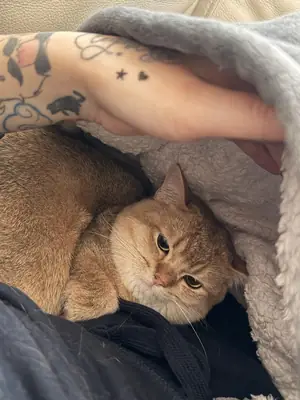
indoor cat, change of routine
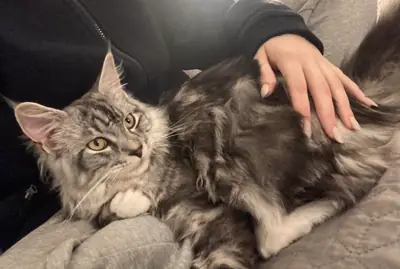
maine coon cat
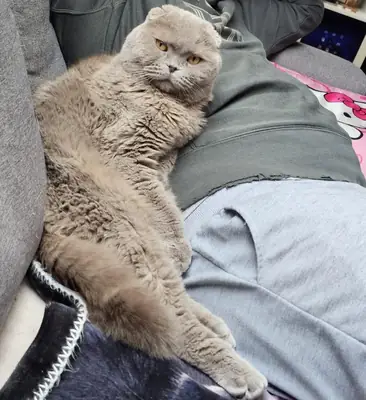
quiet cat, better in a calmer home
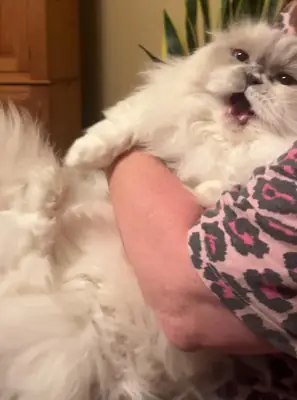
persian cat
Popular Searches
Free Persian cat adoption Norwich
Free Persian cat adoption in Norwich should be checked with care because this is not a low-maintenance cat breed. A Persian cat may look soft, calm and easy to live with, but the coat, eyes, face shape and health history matter before any handover.
A strong listing should explain the cat’s age, microchip status, vaccination record, neutering, grooming routine, coat matting, eye cleaning, breathing comfort, dental care, litter habits, indoor routine, vet notes and exact reason for rehoming. Free adoption only works when the care reality is clear.
Persian cats for adoption Norwich
Persian cats for adoption in Norwich attract people who want a gentle, quiet and beautiful long-haired cat. That search is good, but it should lead to questions about grooming, eyes, breathing, teeth and daily comfort.
Ask whether the Persian cat accepts brushing, has matted fur, needs face cleaning, breathes noisily, snores heavily, has tear staining or has had dental work. A good Persian adoption listing should show what the cat needs every day, not only how pretty it looks.
Persian cat rescue Norwich
Persian cat rescue in Norwich often involves cats rehomed because of grooming demands, owner illness, moving home, allergies, cost, litter issues, dental care, eye problems or a home that underestimated the breed’s maintenance.
Ask why the cat is being rehomed, whether the coat is currently healthy, whether grooming has been missed, whether vet treatment is ongoing and whether the cat needs a quiet indoor home. Rescue should mean realistic care, not impulse.
Persian cat rehoming Norwich
Persian cat rehoming in Norwich needs direct questions because soft wording like “needs more time” or “needs grooming” can hide painful matting, tear staining, dental issues, breathing problems or vet costs.
Ask how often the cat is brushed, whether mats have needed shaving, whether the eyes are cleaned daily, whether breathing is noisy and whether the cat has a known kidney or dental history. A vague Persian advert is not good enough.
Persian kitten adoption Norwich
Persian kitten adoption in Norwich should not be rushed because fluffy kitten photos can hide future grooming, eye-cleaning and breathing responsibilities. A Persian kitten needs early handling, coat care and calm socialisation.
Ask for age, microchip details or timing, vaccination history, flea and worm treatment, diet, litter training, parent information where known and current videos of the kitten walking, playing, eating and breathing normally.
Adult Persian cat adoption Norwich
Adult Persian cat adoption in Norwich can be a smart choice because the cat’s coat quality, grooming tolerance, breathing, weight, temperament and indoor routine are already visible.
Ask whether the cat is neutered, microchipped, vaccinated, litter trained, comfortable indoors, calm with handling and whether any eye, dental, kidney or breathing issues are known. Adult adoption works when the ordinary care routine is honest.
Senior Persian cat adoption Norwich
Senior Persian cat adoption in Norwich can suit a quiet home, but older Persians may need more dental care, grooming support, kidney monitoring, softer bedding and easy litter access.
Ask about appetite, weight loss, drinking more than usual, bad breath, missing teeth, coat matting, arthritis, eye discharge and current medication. A senior Persian can be a lovely companion, but the adopter must know the care load.
Persian cat adoption Norfolk
Persian cat adoption across Norfolk may include Norwich, Sprowston, Hellesdon, Costessey, Thorpe St Andrew, Wymondham, Dereham, Great Yarmouth, Thetford and King’s Lynn. Because Persian cats are specific and care-heavy, widening the search can help.
Use the wider search to compare proof, not to rush. A slightly further cat with microchip details, vet notes and honest grooming history is better than a nearby Persian advert with only attractive photos.
Persian cat adoption near me Norwich
Persian cat adoption near me searches in Norwich usually come from people looking for a local cat they can meet safely before adoption. Local distance helps, but it does not replace proper checks.
Ask for current photos, current videos, microchip details, vaccination record, grooming history, eye condition, breathing comfort, litter routine and seller or keeper proof. A local Persian with vague answers is not a strong adoption lead.
Private Persian cat rehoming Norwich
Private Persian cat rehoming in Norwich can be genuine, but the current keeper should be transparent about grooming, vet history, eye care, breathing, litter habits and the exact reason for rehoming.
Ask for microchip transfer details, vaccination record, neutering status, vet notes, coat condition, grooming tolerance and whether the cat has lived with children, dogs or other cats. Fast collection should never beat a safe match.
Persian cat free to good home Norwich
Persian cat free to good home Norwich searches should not stop at the word free. A no-fee Persian can still need grooming tools, regular coat care, vet checks, dental work, eye cleaning and possible breathing or kidney monitoring.
Ask why the cat is free, whether health or grooming issues exist, whether the cat is microchipped and whether the current keeper is choosing a suitable home rather than the fastest reply.
Long haired cat adoption Norwich
Long haired cat adoption in Norwich often leads to Persian cats because their coat is one of the breed’s strongest features. That same coat is also one of the biggest responsibilities.
Ask whether the cat is brushed daily, whether mats form, whether the coat has ever needed shaving, whether the cat tolerates combing and whether the fur under the tail stays clean. Long hair is beautiful only when it is properly maintained.
Flat faced Persian cat adoption Norwich
Flat faced Persian cat adoption in Norwich needs careful health checks because very flat faces can be linked with noisy breathing, tear staining, eye irritation, dental crowding and heat sensitivity.
Ask whether the cat snores heavily, breathes through the mouth, struggles in warm weather, has constant eye discharge or has needed dental treatment. The flatter the face, the more serious the welfare questions become.
Doll face Persian adoption Norwich
Doll face Persian adoption in Norwich is searched by people who want a Persian look with a less extreme face. This can be a useful preference, but it still does not remove grooming, eye, dental or kidney checks.
Ask for clear face photos, side-view videos, breathing comfort, tear staining, dental notes, coat condition and vet records. A less extreme face may be preferable, but the cat still needs full care review.
Indoor Persian cat adoption Norwich
Indoor Persian cat adoption in Norwich can suit the breed well because many Persians prefer a calm, predictable home. Indoor life should still include enrichment, grooming, clean litter, safe windows and weight control.
Ask whether the cat is used to indoor life, hallway noise, visitors, balconies, time alone and other pets. A quiet Persian still needs stimulation and routine, not just a warm sofa.
Persian cat for flat Norwich
A Persian cat can live in a Norwich flat if the home is calm, clean and safe. The main issues are litter tray access, grooming space, window safety, temperature, noise and whether the cat can settle when left.
Ask whether the cat has lived indoors, whether it scratches furniture, how it reacts to visitors, whether it uses covered or open litter trays and whether it becomes stressed by hallway noise. A flat can work when the routine is right.
Persian cat with children Norwich
A Persian cat with children can work when the children are gentle and the cat is confident. Persians often prefer calm handling, so rough play, chasing or constant picking up can make them hide or scratch.
Ask whether the cat has lived with children, what ages, whether it tolerates brushing, whether it hides from noise and whether it dislikes being carried. Family suitability should be proven by behaviour, not assumed from a soft face.
Persian cat with dogs Norwich
A Persian cat with dogs may work if the dog is calm and the cat has safe escape spaces. A Persian with a heavy coat and calm temperament may not cope well with chasing or noisy pressure.
Ask whether the cat has lived with dogs, whether it hides, swats, refuses food, overgrooms or becomes stressed. A dog-safe home should protect the cat’s quiet routine.
Persian cat with other cats Norwich
A Persian cat with other cats can work when introductions are slow and resources are not contested. Some Persians enjoy company; others prefer a quiet single-cat home.
Ask whether the cat has lived with cats, shares food, litter trays and resting spaces, and whether it has ever bullied or been bullied. Calm introductions matter more than assuming every cat wants a companion.
Persian cat temperament Norwich
Persian cat temperament searches usually come from people wanting a gentle, quiet and affectionate cat. Many Persians are calm, but the individual cat’s confidence, handling tolerance and stress level matter more than the breed label.
Ask whether the cat likes being brushed, accepts face cleaning, hides from visitors, sits near people, uses laps, dislikes being picked up or becomes irritable when handled. Temperament and care tolerance are linked in this breed.
Persian lap cat adoption Norwich
Persian lap cat adoption in Norwich is a common expectation because the breed looks soft and relaxed. Some Persians enjoy laps, but others prefer sitting nearby rather than being held.
Ask whether the cat chooses contact, tolerates lifting, accepts brushing on a lap and stays relaxed during face cleaning. A calm Persian should not be forced into constant handling.
Quiet cat adoption Norwich
Quiet cat adoption in Norwich often fits Persian cats because many are not highly vocal and prefer calm spaces. Quiet does not mean no care; this breed can still need daily grooming and close health monitoring.
Ask whether the cat is relaxed or withdrawn, whether it hides from noise, whether appetite is normal and whether it uses the litter tray consistently. A quiet Persian should be comfortable, not silently struggling.
White Persian cat adoption Norwich
White Persian cat adoption in Norwich attracts attention because the coat looks elegant and striking. White fur also makes tear staining, coat dirt and grooming gaps more visible.
Ask about eye discharge, face cleaning, coat matting, skin condition, hearing notes where relevant, microchip details and vet history. A white Persian needs proof and care, not just beautiful photos.
Blue Persian cat adoption Norwich
Blue Persian cat adoption in Norwich is a colour-led search for the soft grey-blue coat many Persian lovers recognise. Colour should never outrank grooming, breathing and vet checks.
Ask for natural-light photos, current videos, microchip proof, vaccination record, coat condition, eye cleaning routine, dental notes and breathing comfort. A blue coat is not a health record.
Cream Persian cat adoption Norwich
Cream Persian cat adoption in Norwich appeals to people who want a soft pale coat and gentle look. Pale coats can show staining and matting clearly, so coat care should be discussed before adoption.
Ask whether the cat is brushed daily, whether the eyes stain the face, whether the coat gets greasy and whether grooming has ever been painful or difficult. Cream colour should come with honest care details.
Black Persian cat adoption Norwich
Black Persian cat adoption in Norwich can look dramatic in photos, but dark coats can hide mats, dandruff, skin irritation and body condition when pictures are poor.
Ask for current videos, coat close-ups, grooming history, skin notes, eye condition, breathing comfort and litter habits. A black Persian needs the same proof as every other colour.
Chinchilla Persian adoption Norwich
Chinchilla Persian adoption in Norwich is a specific look-based search, often focused on pale coats and striking eyes. That appearance should not distract from face care, tear staining and coat maintenance.
Ask about grooming tolerance, eye cleaning, matting, breathing noise, dental history, microchip details and vet notes. A refined look still carries everyday care demands.
Persian cross cat adoption Norwich
Persian cross cat adoption in Norwich can be a good option, but Persian traits may still matter. Long coat, flatter face, tear staining, dental crowding and grooming demands can remain in mixed cats.
Ask what the cat is crossed with if known, coat length, face shape, grooming routine, breathing comfort, eye history and temperament. “Cross” does not automatically mean easy care.
Microchipped Persian cat adoption Norwich
A microchipped Persian cat adoption listing should explain keeper transfer clearly. The chip should match the cat, and the new keeper details should be updated correctly after adoption.
Ask for the chip process, current keeper details and whether vet records match the cat. A beautiful Persian with unclear identity is not a strong adoption lead.
Vaccinated Persian cat rehoming Norwich
Vaccinated Persian cat rehoming should state what has been given, what is due next and whether a vet record is available. “Healthy” is not the same as documented care.
Ask about boosters, flea and worm treatment, previous illness, eye care, breathing, dental checks, kidney history, weight and recent vet notes. A quiet cat can still have hidden health questions.
Neutered Persian cat adoption Norwich
Neutered Persian cat adoption in Norwich can reduce roaming, spraying, heat behaviour and accidental breeding risk, but it does not remove the breed’s grooming and health responsibilities.
Ask whether the cat is neutered, when it was done, whether recovery was normal and whether any weight or behaviour changes followed. If not neutered, ask whether a vet has advised timing.
Persian cat grooming Norwich
Persian cat grooming is not optional. The long thick coat can mat, pull at the skin, trap dirt and become painful if brushing is missed.
Ask whether the cat accepts daily brushing, whether mats have formed, whether a groomer has been needed, whether the coat under the tail stays clean and whether the cat tolerates face and paw handling. Grooming is one of the biggest adoption filters for this breed.
Persian cat matted fur adoption
Persian cat matted fur before adoption should be taken seriously because mats can pull skin, hide sores and make the cat defensive during grooming.
Ask where the mats are, whether the cat has needed shaving, whether grooming is painful and whether skin underneath has been checked. A matted Persian may need immediate care after adoption.
Persian cat eye cleaning Norwich
Persian cat eye cleaning is a daily reality for many flat-faced Persians. Tear staining, discharge and skin irritation around the eyes should be checked before adoption.
Ask whether the eyes are cleaned daily, whether discharge is clear or coloured, whether the cat squints, rubs its face or has had eye ulcers. Constant eye problems are not just cosmetic staining.
Persian cat tear staining adoption
Persian cat tear staining can be common, but heavy staining, soreness, smell, squinting or discharge should not be ignored. The face shape can make eye care more demanding.
Ask what cleaning routine is used, whether a vet has checked the eyes, whether the cat has blocked tear ducts or irritation and whether the skin under the eyes gets sore. Tear staining should be managed, not hidden in photos.
Persian cat breathing problems adoption
Persian cat breathing problems should be asked about before adoption because very flat-faced Persians may snore, breathe noisily, struggle in heat or become tired more easily.
Ask whether the cat breathes through the mouth, snores heavily when awake, struggles after play, avoids warm rooms or has vet notes about airways. A cute flat face should never hide breathing discomfort.
Persian cat snoring adoption
Persian cat snoring may be mild, but heavy snoring, noisy breathing while awake or open-mouth breathing should be treated as a health question.
Ask when the snoring happens, whether the cat coughs, wheezes, overheats, sleeps with the mouth open or has had airway checks. Do not accept “that’s just Persians” as the full answer.
Persian cat dental problems adoption
Persian cat dental problems should be checked because flat-faced cats can have crowded teeth, bite issues, tartar, gum disease and painful mouths.
Ask when the cat last had a dental check, whether teeth have been removed, whether there is bad breath, drooling, pawing at the mouth or difficulty eating. A calm Persian can still hide dental pain.
Persian cat PKD adoption
Persian cat PKD adoption searches focus on polycystic kidney disease, a known concern in Persian-type cats. Kidney history matters because early signs can be easy to miss.
Ask whether the cat has been tested, whether parent information is known, whether the cat drinks more than usual, urinates more, loses weight, vomits or has blood test history. A healthy-looking coat does not prove healthy kidneys.
Persian cat kidney disease adoption
Persian cat kidney disease should be discussed before adoption, especially with adults and seniors. Drinking more, weight loss, poor appetite and vomiting can be important clues.
Ask for vet notes, blood test results where available, urine history, appetite changes, medication and diet information. A Persian with kidney disease may still be adoptable, but the care commitment must be clear.
Persian cat obesity adoption
Persian cat obesity should be checked because a quiet indoor lifestyle can make weight creep up. Extra weight can worsen breathing, movement, grooming and general health.
Ask current weight, body condition, feeding routine, treat habits, activity level and whether a vet has advised weight loss. A round Persian should not be mistaken for a healthy Persian.
Persian cat litter training Norwich
Persian cat litter training should be clear before adoption because long fur, stress, urinary problems or dirty coat around the back end can create litter issues.
Ask what litter the cat uses, whether it prefers open or covered trays, whether accidents have happened, whether fur under the tail gets dirty and whether any urinary problems are known.
Persian cat adoption scam Norwich
Persian cat adoption scams in Norwich can use copied kitten photos, fake urgent rehoming stories, delivery-only offers, rare-colour claims, deposit pressure and missing microchip details.
Ask for current videos, proof the cat is in or near Norwich, microchip information, vet records, safe meeting or collection and a clear reason for rehoming. If proof disappears but payment pressure appears, walk away.
Frequently Asked Questions
Can I adopt a Persian cat for free in Norwich?
Yes, Persian cats may be offered for free adoption in Norwich, but every listing should be checked carefully before contact or collection.
Ask about microchip details, vaccination record, neutering status, age, grooming routine, coat condition, eye cleaning, breathing comfort, dental care, kidney history, litter training and the reason for rehoming.
Is a Persian a cat?
Yes, a Persian is a cat breed. It is known for a long thick coat, rounded body, calm personality and often a flatter face than many other cats.
It is not a low-maintenance cat. A Persian needs regular grooming, eye cleaning, dental care and careful health checks.
Are Persian cats good adoption pets?
Persian cats can be lovely adoption pets for calm homes that can handle daily grooming and regular care.
They are not ideal for people who want a low-care cat. Their coat, eyes, face shape, teeth and possible kidney history should be checked before adoption.
What should I check before adopting a Persian cat?
Check microchip details, vaccination history, neutering status, vet notes, grooming tolerance, coat matting, eye discharge, breathing noise, dental care, kidney history, weight, appetite and litter habits.
Also ask whether the cat has lived with children, dogs or other cats and whether it is used to an indoor routine.
Should a Persian cat be microchipped before adoption?
Yes, microchip details should be clear before adoption, and keeper information should be updated correctly after the cat changes home.
Ask for the chip process, current keeper details and whether vet records match the Persian cat in the listing.
Should a Persian cat be vaccinated and neutered?
Vaccination and neutering status should be clear before adoption. Ask what vaccinations have been given, what is due next and whether the cat is neutered.
If the Persian is not neutered, ask why and whether a vet has advised timing.
Are Persian cats good indoor cats?
Persian cats can be good indoor cats when the home is calm, safe, enriched and clean.
Indoor Persians still need grooming, eye cleaning, litter tray care, weight control, safe windows and regular health checks.
Can a Persian cat live in a flat in Norwich?
A Persian cat can live in a flat if the home is safe, calm and suited to an indoor cat’s routine.
Check window safety, litter tray placement, grooming space, temperature, hallway noise, visitor stress and whether the cat is already used to indoor life.
Are Persian cats good with children?
Some Persian cats can live with children, but they usually suit gentle handling and calmer homes.
Ask whether the cat has lived with children, what ages, whether it hides from noise, scratches when overhandled or dislikes being picked up or brushed.
Can Persian cats live with dogs?
Some Persian cats can live with calm, cat-safe dogs, but introductions should be slow and controlled.
Ask whether the cat has lived with dogs, whether it hides, swats, refuses food or becomes stressed around chasing or barking.
Can Persian cats live with other cats?
Persian cats can live with other cats in the right home, but the match depends on temperament, territory and introduction style.
Ask whether the cat shares food, litter trays and resting spaces, and whether it has ever bullied or been bullied by another cat.
Are Persian cats lap cats?
Some Persian cats enjoy sitting close or using laps, but not every Persian likes being lifted, held or brushed for long periods.
Ask whether the cat chooses contact, accepts grooming, tolerates face cleaning and stays relaxed when handled.
Are Persian cats quiet?
Many Persian cats are quieter and less active than some other breeds, but every cat is different.
Ask whether the cat is relaxed or withdrawn, whether it hides from visitors, whether appetite is normal and whether the quiet behaviour is usual for that cat.
Do Persian cats need daily grooming?
Yes, Persian cats usually need daily grooming because their long thick coat can mat quickly.
Ask whether the cat accepts brushing, whether mats have formed, whether a groomer has been needed and whether the coat under the tail stays clean.
What should I do if a Persian cat has matted fur?
Matted fur can pull the skin, hide sores and make grooming painful, so it should be taken seriously.
Ask where the mats are, whether the cat has needed shaving, whether skin underneath has been checked and whether the cat tolerates brushing.
Do Persian cats need eye cleaning?
Many Persian cats need regular face and eye cleaning because tear staining and discharge can be common in flat-faced cats.
Ask whether the eyes are cleaned daily, whether discharge is clear or coloured, whether the cat squints or rubs its face and whether a vet has checked the eyes.
Why do Persian cats have tear staining?
Tear staining can happen because of face shape, tear drainage issues, eye irritation or coat staining around the eyes.
Ask whether the staining is mild or heavy, whether the skin gets sore and whether the cat has had eye checks.
Do Persian cats have breathing problems?
Some flat-faced Persian cats can have breathing problems, noisy breathing, heavy snoring or heat sensitivity.
Ask whether the cat breathes through the mouth, snores heavily when awake, struggles in warm rooms or has vet notes about airways.
Is Persian cat snoring normal?
Light snoring may happen, but heavy snoring, noisy breathing while awake or open-mouth breathing should be treated as a health concern.
Ask when the snoring happens, whether the cat coughs, wheezes, overheats or has had airway checks.
Do Persian cats have dental problems?
Persian cats can have dental issues, especially where face shape leads to crowded teeth or bite problems.
Ask when the cat last had a dental check, whether teeth have been removed, whether there is bad breath, drooling or difficulty eating.
Do Persian cats get PKD?
Persian cats can be associated with polycystic kidney disease, often shortened to PKD.
Ask whether the cat has been tested, whether parent information is known, whether the cat drinks more than usual, urinates more, loses weight or has blood test history.
What are signs of kidney problems in Persian cats?
Possible signs can include drinking more, urinating more, weight loss, poor appetite, vomiting, tiredness or poor coat condition.
Ask for vet notes, blood test results where available, urine history, medication and diet information before adopting a cat with suspected kidney issues.
Why does weight matter for Persian cats?
Extra weight can make breathing, movement, grooming and general health worse, especially in quiet indoor cats.
Ask current weight, feeding routine, treat habits, activity level and whether a vet has advised weight control.
Are Persian cats hypoallergenic?
No cat should be treated as guaranteed hypoallergenic, and Persian cats are not a safe assumption for allergy-sensitive homes.
Spend time around the cat where possible and remember that dander, saliva and coat shedding can all trigger reactions.
What litter tray issues should I ask about with a Persian cat?
Ask what litter the cat uses, whether it prefers open or covered trays, whether accidents have happened and whether fur under the tail gets dirty.
Litter problems can relate to stress, urinary issues, dirty coat, pain or a tray setup the cat dislikes.
Why do Persian cats get rehomed?
Persian cats may be rehomed because of owner illness, moving home, allergies, cost, grooming demands, eye care, dental care, litter issues, pet conflict or lack of time.
The reason for rehoming should be explained clearly because it affects whether the cat will suit your home.
How can I avoid Persian cat adoption scams?
Be cautious with copied kitten photos, urgent deposits, delivery-only offers, vague Norwich locations, rare-colour claims, missing microchip details and no vet records.
Ask for current videos, proof the cat is local, safe meeting or collection, microchip details, vet history and a clear reason for rehoming before trusting any advert.