Free Adoption of Scottish Fold Cats in Oxford
There's 1 Scottish Fold listing live right now, last updated 27 Mar 2026. Find Scottish Fold cats fo... There's 1 Scottish Fold listing live right now, last updated 27 Mar 2026. Find Scottish Fold cats for free adoption in Oxford with the careful checks this folded-ear cat genuinely needs before you bri... There's 1 Scottish Fold listing live right now, last updated 27 Mar 2026. Find Scottish Fold cats for free adoption in Oxford with the careful checks this folded-ear cat genuinely needs before you bring one home: compare Scottish Fold kittens, adult cats, senior cats, indoor cats, bonded pairs, retired breeding cats and Scottish Fold crosses on Petopic by age, microchip transfer, neutering, vaccination history, indoor routine, litter training, mobility, limping, stiff tail, thickened legs, reluctance to jump, arthritis notes, osteochondrodysplasia history, pain medication, vet records, dental condition, weight, grooming needs, ear care, scratching behaviour, children, cats, dogs, previous homes, rehoming reason, insurance considerations and safe handover options across Oxford city centre, Cowley, Headington, Summertown, Jericho, Botley, Marston, Iffley, Kidlington, Abingdon, Didcot, Witney, Bicester, Banbury, Wallingford, Oxfordshire and nearby Buckinghamshire.
Haven't found the pet you're looking for? Let people who want to find a new home for their pet reach out to you.
Create your free pet adoption request listing now and be seen by thousands of pet owners.
Other listings in your area
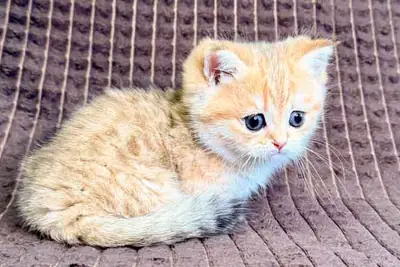
Munchkin kittens
not urgent, but thinking ahead
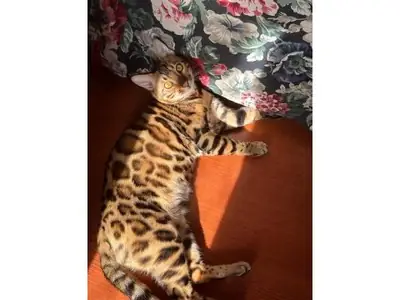
Energetic Bengal cat that enjoys exploring every corner of the house
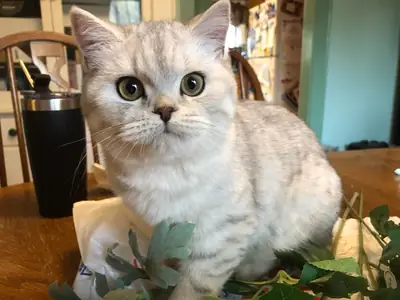
quiet cat, just not the right setup here
Popular Searches
Free Scottish Fold adoption Oxford
Free Scottish Fold adoption in Oxford should be judged by health history, mobility and pain risk before folded ears or round-face cuteness. A Scottish Fold is a cat with a known cartilage-related welfare concern, so the right home must be ready to check movement, joints, tail flexibility and long-term vet care.
On Petopic, a serious Scottish Fold adoption listing should explain age, microchip transfer, neutering, vaccination history, indoor routine, litter training, jumping ability, limping, stiff tail, arthritis notes, pain medication, vet records, previous homes, behaviour with children or pets and the exact reason for rehoming.
Scottish Fold cats for free adoption in Oxford
Scottish Fold cats for free adoption in Oxford can include kittens, adult cats, senior cats, indoor-only cats, bonded pairs, retired breeding cats and Scottish Fold crosses. The strongest listing is not the cutest one; it is the one that shows the cat’s real comfort level.
Look for details about how the cat walks, whether it jumps onto furniture, whether the tail is flexible, whether the legs look thickened, whether the cat avoids play, whether pain relief has been used and whether vet records are available.
Scottish Fold rehoming Oxford
Scottish Fold rehoming in Oxford often needs more direct questions than ordinary cat adoption because the cat may be moving homes due to medical costs, mobility issues, pain, landlord rules, pet conflict, allergies, owner illness or grooming and care needs.
Ask how long the current keeper has had the cat, whether joint problems are known, whether the cat has changed activity level, whether it struggles with stairs or jumping and whether the rehoming reason is being softened to make the adoption happen faster.
Scottish Fold rescue Oxford
Scottish Fold rescue in Oxford can be a good route for giving an existing cat a better home, but adopters should go in with clear expectations. A rescue Scottish Fold may need pain monitoring, controlled activity, regular vet checks, low furniture and a calm routine.
Ask about microchip transfer, neutering, vaccination history, mobility, tail stiffness, arthritis, medication, litter tray access, grooming, dental condition, previous homes and whether the cat is comfortable being touched around the back legs and tail.
Scottish Fold free to good home Oxford
Scottish Fold free to good home listings can be genuine, but free adoption does not mean low-cost care. This breed can need ongoing pain checks, imaging, arthritis management, insurance, accessible furniture and careful monitoring as it ages.
A responsible listing should include vet history, microchip transfer, neutering status, vaccination record, mobility notes, medication, litter behaviour and a careful handover plan. If the cat must leave immediately with no health detail, slow down.
Scottish Fold kitten free adoption Oxford
Scottish Fold kitten free adoption in Oxford should raise serious questions because Scottish Fold kittens are high-interest cats. A free kitten can be genuine, but it can also hide fake photos, missing records, rushed handover or early signs of mobility problems.
Ask exact age, microchip status, vaccination plan, worming, flea treatment, parent background, litter training, feeding routine, movement videos, tail flexibility and why such a wanted kitten is being rehomed free.
Adult Scottish Fold adoption Oxford
Adult Scottish Fold adoption in Oxford can be more honest than chasing a kitten because movement, stiffness, jumping ability, temperament, litter habits and pain signs are already easier to observe.
Ask whether the adult cat jumps normally, avoids stairs, sleeps more than expected, dislikes tail handling, has thickened legs, needs pain relief, has had x-rays or has changed behaviour over time.
Senior Scottish Fold adoption Oxford
Senior Scottish Fold adoption can suit a calm Oxford home, but older cats need extra care around arthritis, litter tray access, stairs, dental health, weight, kidneys, grooming and medication routines.
Ask whether the cat needs pain relief, ramps, low-entry trays, soft bedding, shorter play, regular blood tests or help grooming. A quiet senior cat may be peaceful, but it may also be quietly uncomfortable.
Folded ear cat adoption Oxford
Folded ear cat adoption in Oxford should never be treated as an appearance-only choice. The folded-ear look is linked to cartilage changes, and that means movement, pain, joints and long-term comfort need to be checked carefully.
Ask whether the cat is a Scottish Fold, Scottish Fold cross or another folded-ear type, and check vet notes, gait, jumping, tail flexibility, leg shape, activity level and pain history before making any decision.
Scottish Fold indoor cat adoption Oxford
Scottish Fold indoor cat adoption can work well when the home is calm, enriched and mobility-friendly. Indoor life can reduce outdoor risk, but it does not remove the need for joint comfort, exercise control and mental stimulation.
Ask whether the cat is already indoor-only, whether it uses cat trees, whether it needs ramps, whether jumping causes discomfort and whether it becomes bored, vocal or stressed without outdoor access.
Scottish Fold outdoor cat rehoming Oxford
Scottish Fold outdoor cat rehoming needs caution because mobility problems can make roads, fences, other cats and escape routes more dangerous. A cat that cannot jump well may not defend itself or retreat safely.
Ask whether the cat has outdoor experience, whether it comes when called, whether it avoids jumping, whether it has ever gone missing and whether a secure garden, catio or controlled outdoor routine would be safer.
Private Scottish Fold rehoming Oxford
Private Scottish Fold rehoming in Oxford can be genuine, but adopters need to uncover the real story. Some owners soften wording around limping, pain medication, vet costs, litter tray accidents, pet conflict, anxiety or reduced activity.
Ask for microchip transfer, vet history, current movement videos, medication notes, previous homes, litter behaviour, temperament with strangers and the exact rehoming reason. A good keeper should care where the cat goes.
Retired breeding Scottish Fold adoption Oxford
Retired breeding Scottish Fold adoption needs careful checking because the cat may have been used for breeding before becoming a household pet. The main concern is not just temperament; it is whether joint health, pain and vet history are clear.
Ask how many litters the cat had, whether it is neutered, whether it lived in a normal home, whether it has osteochondrodysplasia signs, whether it has had x-rays and whether it accepts handling, grooming and ordinary household noise.
Bonded Scottish Fold pair adoption Oxford
Bonded Scottish Fold pair adoption can be a kind choice when two cats rely on each other, but it doubles vet planning, litter space, food, insurance and mobility-friendly setup needs.
Ask whether the cats sleep together, groom each other, become stressed when separated, share litter trays peacefully and whether both cats have microchip, vaccination, neutering and vet records with clear mobility notes.
Microchipped Scottish Fold adoption Oxford
A microchipped Scottish Fold adoption listing should explain how keeper details will be transferred. The chip should match the cat, and the handover should not rely on vague promises.
Ask for the microchip number, database transfer process and proof that the current keeper is allowed to rehome the cat. Identity matters even when the adoption is free.
Vaccinated Scottish Fold adoption Oxford
Vaccinated Scottish Fold adoption should state what has been given, what is due next and whether vet records are available. “Healthy” is too weak when the breed has serious joint and cartilage concerns.
Ask about boosters, flea treatment, worming, dental notes, pain medication, arthritis checks, mobility concerns, previous illness and any ongoing care. Good adoption detail protects both the cat and adopter.
Neutered Scottish Fold adoption Oxford
Neutered Scottish Fold adoption can reduce roaming, spraying, unwanted breeding and some conflict, but it does not remove the need for joint monitoring and pain-aware care.
Ask whether the cat is neutered, when it was done, whether recovery was normal and whether weight, mobility, marking or behaviour changed afterwards. A neutered Scottish Fold still needs long-term vet attention.
Scottish Fold osteochondrodysplasia adoption Oxford
Scottish Fold osteochondrodysplasia is the core health issue adopters must understand. The same cartilage change behind the folded ears can affect joints, tail, legs and movement comfort.
Ask whether the cat has a diagnosis, x-rays, stiff tail, thickened legs, limping, reduced jumping, pain relief, arthritis notes or specialist vet advice. This is not a minor cosmetic detail.
Scottish Fold arthritis adoption Oxford
Scottish Fold arthritis should be checked before adoption because cats often hide pain. A cat that sleeps a lot, stops jumping or dislikes being touched may be uncomfortable rather than simply calm.
Ask whether arthritis has been diagnosed, whether pain relief is used, whether the cat avoids stairs, whether it has x-rays and whether the home needs ramps, low trays or softer resting areas.
Scottish Fold joint pain adoption Oxford
Scottish Fold joint pain can show quietly through less play, stiff walking, reluctance to jump, irritability, hiding, overgrooming, litter tray avoidance or dislike of being handled.
Ask what signs the keeper has noticed, whether the cat has seen a vet, whether pain medication helps and whether the cat needs a gentler indoor setup. Do not accept “just lazy” without checking comfort.
Scottish Fold limping adoption Oxford
Scottish Fold limping should be treated as a serious adoption question. Limping may come from joint disease, arthritis, injury, thickened legs, pain or long-term cartilage problems.
Ask when the limp started, whether it changes after rest, whether x-rays were done, whether pain relief is used and whether the cat struggles with stairs, jumping or litter tray entry.
Scottish Fold stiff tail adoption Oxford
A stiff Scottish Fold tail is not just a quirky breed feature. Tail stiffness can be linked to cartilage and joint problems and may signal discomfort when the cat is touched or moves.
Ask whether the tail is flexible, whether the cat reacts when it is handled, whether the vet has commented on it and whether there are x-rays or pain management notes. Tail stiffness deserves direct attention.
Scottish Fold thickened legs adoption Oxford
Thickened legs in a Scottish Fold can point to skeletal changes that affect comfort and movement. It should not be ignored because the cat looks cute or still manages short walks.
Ask for clear photos, walking videos, vet notes, x-rays if available and whether the cat avoids jumping, climbs awkwardly or becomes irritable when touched around the legs and paws.
Scottish Fold not jumping adoption Oxford
A Scottish Fold that does not jump may be anxious, elderly, overweight or in pain. With this breed, reduced jumping should always trigger a mobility conversation.
Ask whether the cat used to jump, whether it avoids sofas or beds, whether it uses ramps, whether it hesitates before climbing and whether a vet has checked joints, back legs and tail.
Scottish Fold pain medication adoption Oxford
Scottish Fold pain medication history should be discussed openly before adoption. A cat already needing pain relief may still be adoptable, but the new home must understand cost, monitoring and vet follow-up.
Ask what medication is used, who prescribed it, how often it is needed, whether blood tests are required and what signs show the cat is uncomfortable. Medication details should never be hidden until handover.
Scottish Fold x-ray adoption Oxford
Scottish Fold x-ray history can help adopters understand the level of joint change, arthritis, tail stiffness or limb deformity. Not every cat will have imaging, but known issues should be shared clearly.
Ask whether x-rays were done, what the vet found, whether the condition is stable, whether pain relief is used and whether the cat needs a modified home setup.
Scottish Fold insurance adoption Oxford
Scottish Fold insurance should be considered before adoption because joint and cartilage-related care can become expensive. Existing symptoms may affect cover, so waiting until after problems appear can leave gaps.
Ask the current keeper what conditions are already known, whether claims have been made, whether vet notes mention arthritis or mobility issues and whether ongoing medication is expected.
Scottish Fold litter tray problems Oxford
Scottish Fold litter tray problems may be behavioural, medical or pain-related. A cat with stiff joints may avoid high-sided trays or hesitate if entry is uncomfortable.
Ask what litter the cat uses, whether accidents happen, whether the cat sprays, whether it struggles to climb into the tray and whether a low-entry tray improved things. Do not assume accidents are just bad habits.
Scottish Fold scratching furniture Oxford
Scottish Fold scratching behaviour should be checked because discomfort can change how a cat stretches, climbs and uses scratching posts. A cat that avoids tall posts may need lower, stable options.
Ask whether the cat uses vertical or horizontal scratchers, whether it scratches sofas, whether jumping onto furniture is difficult and whether low, sturdy enrichment works better.
Scottish Fold ear care adoption Oxford
Scottish Fold ear care should be checked because folded ears can make it harder for owners to notice wax, irritation or infection signs. The ears should not smell, look sore or be constantly scratched.
Ask whether the cat has had ear infections, head shaking, wax build-up, discharge, scratching or vet treatment. Ear appearance should not distract from comfort and cleanliness.
Scottish Fold grooming adoption Oxford
Scottish Fold grooming needs depend on coat length, weight, mobility and tolerance. A cat with joint pain may struggle to groom its back end properly and may dislike being brushed in sore areas.
Ask whether the coat mats, whether the cat accepts brushing, whether it can groom itself, whether nails are overgrown and whether handling around the tail, hips or legs causes discomfort.
Scottish Fold dental problems adoption Oxford
Scottish Fold dental problems should be checked like any adoption cat, especially if the cat is older, eats slowly, drools, has bad breath or avoids hard food.
Ask whether dental work has been done, whether teeth are missing, whether gums are sore and whether vet records mention extractions or future treatment. Dental pain can make a calm cat look withdrawn.
Overweight Scottish Fold adoption Oxford
Overweight Scottish Fold adoption needs honesty because extra weight can worsen joint strain, arthritis pain and reduced movement. A round body can look cute while making daily comfort worse.
Ask current weight, body condition, feeding routine, treat habits, activity level and whether a vet has advised weight loss. With this breed, weight control is part of pain-aware care.
Scottish Fold with children Oxford
A Scottish Fold with children can work only when the cat is comfortable and the children understand gentle handling. A cat with joint pain may react badly to being picked up, chased or touched around sore areas.
Ask whether the cat has lived with children, what ages, whether it hides from noise, whether it scratches when overhandled and whether it dislikes tail, leg or paw touching.
Scottish Fold with other cats Oxford
A Scottish Fold with other cats may do well in a calm home, but pain or reduced mobility can make a cat more defensive around playful or dominant companions.
Ask whether the cat has lived with cats, whether fights happened, whether it guards food or litter trays and whether it prefers calm cats over energetic ones. Slow introductions matter.
Scottish Fold with dogs Oxford
A Scottish Fold with dogs needs careful matching because a cat with mobility or joint pain may not escape quickly if chased. Calm, cat-safe dogs are very different from high-energy dogs that rush or bark.
Ask whether the cat has lived with dogs, what size and temperament they were, whether chasing happened and whether the cat has safe high or low hiding spaces that do not require painful jumping.
Scottish Fold for first time cat owners Oxford
Scottish Fold adoption for first-time cat owners can be difficult because the breed’s cute look hides serious welfare questions. A first-time adopter must be ready for pain monitoring, mobility changes, vet costs and accessible home setup.
Be cautious with unclear vet history, limping, stiff tail, hidden medication, litter accidents, severe grooming resistance, aggressive handling reactions or a keeper who avoids discussing osteochondrodysplasia.
Scottish Fold for flats Oxford
Scottish Fold adoption for flats in Oxford can work when the cat is already indoor-suited and the home has low, stable enrichment. A flat may even be easier than a house with lots of stairs if the cat has mobility issues.
Ask whether the cat is comfortable indoors, whether it needs ramps, whether it avoids jumping, whether it scratches from boredom and whether the flat can provide quiet resting places and accessible litter trays.
Scottish Fold mobility friendly home Oxford
A mobility-friendly home for a Scottish Fold may need low beds, ramps, low-entry litter trays, soft resting areas, non-slip flooring, easy food access and play that does not force painful jumping.
Ask what setup the cat currently uses, whether stairs are difficult, whether jumping causes hesitation and whether any changes made the cat more comfortable. The home should fit the cat, not the other way around.
Scottish Fold cross free adoption Oxford
Scottish Fold cross free adoption in Oxford still needs health checks because folded-ear genetics can affect cartilage and joints even when the cat is not a full Scottish Fold.
Ask what the cat is crossed with, whether the ears are folded, whether there are movement signs, whether vet records exist and whether limping, tail stiffness, thickened legs or reduced jumping have ever been noticed.
Straight ear Scottish Fold adoption Oxford
Straight ear Scottish Fold-related cats may appear in adoption searches when a cat comes from Scottish Fold lines but does not have folded ears. The health conversation should still be clear, especially if parentage is known.
Ask for background, vet records, movement videos, tail flexibility, parent information if available and whether any joint or mobility issues have appeared. Do not assume all risk disappears because the ears look straight.
Scottish Fold adoption near Cowley Headington Abingdon
Scottish Fold adoption near Cowley, Headington, Summertown, Jericho, Botley, Marston, Iffley, Kidlington, Abingdon, Didcot, Witney, Bicester, Banbury and wider Oxfordshire gives adopters more local options without rushing into the first free listing.
Short distance helps you meet properly, check paperwork, watch movement, inspect litter and food setup, discuss vet history and plan a calmer journey home. Nearby is useful only when the cat’s health story is clear.
Scottish Fold adoption scam Oxford
Scottish Fold adoption scams in Oxford can use stolen photos, fake folded-ear kittens, urgent rehoming stories, delivery-only offers, missing microchip details, no vet records and pressure for transport or reservation fees.
Ask for current videos, proof of ownership, microchip information, vet history, normal movement footage and a safe viewing or collection plan. If the person avoids proof but pushes urgency, walk away.
Frequently Asked Questions
What should I check before adopting a Scottish Fold in Oxford?
Check the cat’s age, microchip transfer, neutering, vaccination history, vet records, indoor or outdoor routine, litter training, mobility, limping, stiff tail, thickened legs, reluctance to jump, arthritis notes, osteochondrodysplasia history, pain medication, dental condition, weight, grooming needs, ear care, children, cats, dogs, previous homes and the exact reason for rehoming.
A Scottish Fold is a folded-ear cat with serious joint and cartilage considerations, so adoption should be based on comfort and health clarity, not only appearance.
Can I adopt a Scottish Fold for free in Oxford?
You may find free Scottish Fold rehoming listings in Oxford, but free adoption still needs proper checks.
Ask for microchip details, vet records, neutering status, vaccination history, movement videos, pain history, medication notes, litter behaviour and a clear handover plan. Free does not mean low-cost care.
Is a Scottish Fold a good adoption cat?
A Scottish Fold can be a loving adoption cat for a home that understands mobility monitoring, pain signs, accessible furniture and regular vet care.
The right match depends on the individual cat’s comfort, movement, vet history, litter habits, temperament and compatibility with children or other pets.
Are Scottish Folds healthy cats?
Scottish Folds need careful health checks because the folded-ear trait is linked with cartilage and joint problems.
Before adoption, ask about osteochondrodysplasia, arthritis, limping, tail stiffness, thickened legs, reduced jumping, pain medication and vet records.
What is osteochondrodysplasia in Scottish Folds?
Osteochondrodysplasia is a cartilage and bone condition associated with Scottish Folds.
It can affect the tail, legs and joints, causing stiffness, pain, limping, reduced jumping and arthritis-like signs. Ask whether the cat has a diagnosis, x-rays or pain management plan.
Why do Scottish Folds have folded ears?
The folded ears are linked to a cartilage mutation.
That same cartilage issue can also affect other parts of the body, so adopters should check movement, tail flexibility, joint comfort and vet history before focusing on appearance.
Should I adopt a Scottish Fold kitten?
A Scottish Fold kitten should only be adopted with clear age, microchip, vaccination, worming, flea treatment, parent background and movement information.
Ask for current videos showing walking, jumping, playing and tail movement, and ask why the kitten is being rehomed free.
Is an adult Scottish Fold easier than a kitten?
An adult Scottish Fold can be easier to assess because movement, stiffness, jumping ability, temperament and litter habits are already visible.
Ask why the adult cat is being rehomed and whether there are known joint, tail, leg, pain or medication issues.
Is a senior Scottish Fold a good adoption choice?
A senior Scottish Fold can be a good match for a calm home, but older cats need extra care around arthritis, litter access, stairs, dental health, weight, kidneys and medication routines.
Ask about pain relief, ramps, low-entry trays, blood tests, appetite, drinking, stiffness and grooming needs before deciding.
Should an adopted Scottish Fold be microchipped?
Yes, the cat should be microchipped and keeper details should be transferred correctly after adoption.
Ask for the chip number, database process and proof that the cat matches the listing before completing the handover.
Should vaccination status be clear before Scottish Fold adoption?
Yes, vaccination status should be clear before adopting a Scottish Fold.
Ask what has been given, what is due next, whether a vet record is available and whether flea and worm treatment are up to date.
Should a Scottish Fold be neutered before rehoming?
Many adult Scottish Folds are neutered before rehoming, but not all.
Ask whether the cat is neutered, when it was done, whether recovery was normal and whether marking, roaming, weight or behaviour changed afterwards.
Can Scottish Folds live indoors?
Many Scottish Folds can live indoors, especially when the home is calm, enriched and mobility-friendly.
Ask whether the cat is already indoor-only, whether it needs ramps, whether it avoids jumping and whether it becomes bored or stressed without outdoor access.
Can Scottish Folds go outside?
Some Scottish Folds may be used to outdoor access, but mobility problems can make roads, fences and escape routes more dangerous.
Ask whether the cat has outdoor experience, whether it comes when called, whether it jumps safely and whether a secure garden or catio would be safer.
Can a Scottish Fold live in an Oxford flat?
A Scottish Fold may live in a flat if the cat is indoor-suited and the home has accessible litter trays, low resting spots, enrichment and safe scratching options.
A flat can be easier than a home with many stairs if the cat has mobility issues.
What home setup does a Scottish Fold need?
A Scottish Fold may need low beds, ramps, low-entry litter trays, soft resting areas, non-slip flooring, easy food access and play that does not force painful jumping.
Ask what setup the cat currently uses and whether any home changes have improved comfort.
How can I tell if a Scottish Fold is in pain?
Pain signs can include limping, reduced jumping, stiff walking, hiding, irritability, overgrooming, litter tray avoidance, sleeping more and dislike of being handled.
Ask the current keeper what has changed over time and whether a vet has assessed the cat’s joints, tail and legs.
Should I worry if a Scottish Fold limps?
Yes, limping should be treated seriously in a Scottish Fold.
Ask when the limp started, whether it changes after rest, whether x-rays were done, whether pain relief is used and whether the cat struggles with stairs, jumping or litter tray entry.
What does a stiff tail mean in a Scottish Fold?
A stiff tail can be linked to cartilage and joint problems and may signal discomfort.
Ask whether the tail is flexible, whether the cat reacts when it is handled, whether a vet has commented on it and whether there are x-rays or pain management notes.
What do thickened legs mean in a Scottish Fold?
Thickened legs can point to skeletal changes that affect comfort and movement.
Ask for walking videos, vet notes, x-rays if available and whether the cat avoids jumping, climbs awkwardly or becomes irritable when touched around the legs and paws.
Why does a Scottish Fold avoid jumping?
A Scottish Fold that avoids jumping may be anxious, elderly, overweight or in pain.
Ask whether the cat used to jump, whether it hesitates before climbing and whether a vet has checked joints, back legs and tail.
Should I ask about arthritis before Scottish Fold adoption?
Yes, arthritis should be part of every Scottish Fold adoption conversation.
Ask whether arthritis has been diagnosed, whether pain relief is used, whether x-rays exist and whether the cat needs ramps, low trays or soft resting areas.
Should I adopt a Scottish Fold on pain medication?
A Scottish Fold on pain medication may still be adoptable, but the new home must understand cost, monitoring and vet follow-up.
Ask what medication is used, who prescribed it, how often it is needed, whether blood tests are required and what signs show the cat is uncomfortable.
Should I ask for x-rays before adopting a Scottish Fold?
If mobility problems are known, x-ray history can help explain the level of joint change, arthritis, tail stiffness or limb deformity.
Ask whether x-rays were done, what the vet found, whether the condition is stable and whether the cat needs pain relief or a modified home setup.
Should I get insurance for a Scottish Fold?
Insurance should be considered before adoption because joint and cartilage-related care can become expensive.
Ask what conditions are already known, whether vet notes mention arthritis or mobility issues and whether ongoing medication is expected.
Are Scottish Folds easy to litter train?
Many Scottish Folds use litter trays well, but pain or stiffness can make high-sided trays difficult.
Ask what litter the cat uses, whether accidents happen, whether the cat sprays and whether a low-entry tray is needed.
Do Scottish Folds need special ear care?
Folded ears can make it harder to notice wax, irritation or infection signs.
Ask whether the cat has had ear infections, head shaking, wax build-up, discharge, scratching or vet treatment.
Do Scottish Folds need grooming?
Grooming needs depend on coat length, weight, mobility and handling tolerance.
Ask whether the coat mats, whether the cat accepts brushing, whether it can groom itself and whether handling around the tail, hips or legs causes discomfort.
Can Scottish Folds have dental problems?
Yes, Scottish Folds can have ordinary cat dental problems, especially as they age.
Ask whether dental work has been done, whether teeth are missing, whether gums are sore and whether vet records mention extractions or future treatment.
Can Scottish Folds become overweight?
Yes, and extra weight can worsen joint strain, arthritis pain and reduced movement.
Ask current weight, body condition, feeding routine, treat habits, activity level and whether a vet has advised weight loss.
Are Scottish Folds good with children?
Some Scottish Folds can live with gentle children, but the cat must be comfortable and children must avoid rough handling.
Ask whether the cat has lived with children, whether it hides from noise, scratches when overhandled or dislikes tail, leg or paw touching.
Can Scottish Folds live with other cats?
Some Scottish Folds live well with other cats, but pain or reduced mobility can make a cat more defensive around energetic companions.
Ask whether the cat has lived with cats, whether fights happened and whether it prefers calm cats over playful ones.
Can Scottish Folds live with dogs?
Some Scottish Folds can live with calm dogs, but a cat with mobility issues may not escape quickly if chased.
Ask whether the cat has lived with dogs, what size and temperament they were, whether chasing happened and whether the cat has safe hiding spaces.
Are Scottish Folds good for first-time cat owners?
Scottish Folds can be difficult for first-time owners because the breed’s appearance hides serious welfare questions.
First-time adopters should be cautious with unclear vet history, limping, stiff tail, hidden medication, litter accidents or a keeper who avoids discussing joint health.
Is a Scottish Fold cross safer to adopt?
Not automatically. A Scottish Fold cross may still carry folded-ear genetics and may still have cartilage or joint concerns.
Ask what the cat is crossed with, whether the ears are folded, whether movement signs are present and whether vet records mention limping, tail stiffness or arthritis.
Are straight-ear Scottish Fold-related cats different?
A straight-ear cat from Scottish Fold lines may appear in adoption searches, but background still matters.
Ask for parent information if available, vet records, movement videos, tail flexibility and whether any joint or mobility signs have appeared.
How do I avoid Scottish Fold adoption scams in Oxford?
Watch for stolen photos, fake folded-ear kittens, urgent rehoming stories, delivery-only offers, missing microchip details, no vet records and pressure for transport or reservation fees.
Ask for current videos, proof of ownership, microchip information, vet history, normal movement footage and a safe viewing or collection plan before paying anything.
What should I prepare before bringing a Scottish Fold home?
Prepare a secure carrier, low-entry litter tray, soft bed, stable scratchers, low climbing furniture, ramps if needed, non-slip surfaces, suitable food, water bowls, hiding spaces, vet registration and insurance if possible.
Keep the first week calm. Watch eating, drinking, litter use, walking, jumping, grooming, breathing and pain signs closely, and arrange a vet review if mobility history is unclear.