Portsmouth Dachshund Adoption Listings
There's 1 Dachshund listing live right now, last updated 14 Feb 2026. Find Dachshunds for adoption i... There's 1 Dachshund listing live right now, last updated 14 Feb 2026. Find Dachshunds for adoption in Portsmouth and nearby Hampshire areas with clear details before you contact. The Dachshund is a sm... There's 1 Dachshund listing live right now, last updated 14 Feb 2026. Find Dachshunds for adoption in Portsmouth and nearby Hampshire areas with clear details before you contact. The Dachshund is a small dog with a huge personality, but its long back, short legs, stubborn streak and need for careful handling make it very different from a simple low-maintenance lap dog. On Petopic, you can review Dachshund adoption listings around Portsmouth, Southsea, Gosport, Fareham, Havant, Waterlooville and wider Hampshire by checking age, coat type, size, temperament, health, microchip status, back-care needs, experience with children, cats, other dogs, stairs, flats and the kind of home the dog genuinely needs.
Haven't found the pet you're looking for? Let people who want to find a new home for their pet reach out to you.
Create your free pet adoption request listing now and be seen by thousands of pet owners.
Other listings in your area
2 Male and female Chihuahua Puppies
Gift male and female Golden Retriever puppies

Cute Cocker Spaniel for adoption
Poodle puppy ready for a new home
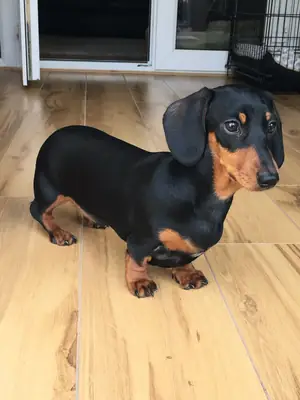
Dachshund for Adoption | Small and Loving
Popular Searches
Dachshunds for adoption in Portsmouth
Adopting a Dachshund in Portsmouth is not just about finding a small dog that looks easy to manage. Dachshunds are bold, clever, vocal and often very attached to their people. A strong adoption listing should explain the dog’s age, size, coat type, temperament, health, microchip status, back history, toilet habits, lead manners and reason for rehoming before anyone arranges a visit.
Portsmouth homes can vary from flats in Southsea to terraced houses, family homes and coastal areas with busy pavements. That matters for a Dachshund. Stairs, jumping on sofas, rough play, slippery floors, long periods alone and uncontrolled weight can all affect everyday care. The right advert helps you judge whether the dog fits your actual home, not just your idea of a cute sausage dog.
Adopt a Dachshund in Portsmouth
People searching to adopt a Dachshund in Portsmouth usually want a loyal, funny and compact companion. That is a fair interest, but the breed needs realistic handling. Dachshunds can be stubborn, alert, noisy at the door, determined on walks and sensitive about being lifted incorrectly. A useful listing should show how the dog behaves in a real home, not just describe it as loving.
Before contacting, check whether the Dachshund has lived with children, cats, other dogs or visitors. Ask how it reacts to being left alone, whether it guards food or toys, how it handles stairs and whether it has ever had back pain. A vague advert may still hide a good dog, but it does not give enough information for a safe adoption decision.
Sausage dog rescue near Portsmouth
Many UK users search for sausage dog rescue near Portsmouth instead of using the breed name Dachshund. The intent is the same: finding a small long-backed dog that needs a new home. The phrase may be casual, but the adoption should not be casual. Rescue or rehoming notes should be specific about health, behaviour, handling and the kind of household that suits the dog.
It may be worth checking Portsmouth, Southsea, Gosport, Fareham, Havant, Waterlooville and wider Hampshire when looking for the right match. Distance helps with meeting the dog, but it does not replace a proper profile. A nearby sausage dog with no detail is weaker than a well-described Dachshund a little further away.
Miniature Dachshund adoption Portsmouth
Miniature Dachshund adoption in Portsmouth attracts people who want a very small dog for a flat, couple, senior home or family setting. The mistake is assuming miniature means effortless. A mini Dachshund can still bark, chase, dig, guard laps, struggle with stairs and need careful body-weight control to protect its back.
A serious advert should state whether the dog is miniature or standard, its age, weight, coat type, exercise needs and behaviour indoors. If a listing only repeats “mini” or “tiny” without health and temperament details, it is not strong enough. Size brings convenience, but it does not remove responsibility.
Dachshund puppy for adoption in Portsmouth
A Dachshund puppy for adoption in Portsmouth may look like the perfect small companion, but puppyhood is the hardest stage to manage well. A puppy needs toilet training, crate or sleep routine, careful socialisation, lead training, calm handling and early prevention of bad habits such as constant jumping on and off furniture.
The advert should include age, vaccination status, microchip information, feeding routine, vet checks, coat type, parent information if known and how the puppy has been socialised. A Dachshund puppy should not be chosen because it is adorable. It should be chosen because the adopter has a plan for the adult dog it will become.
Adult Dachshund for adoption in Hampshire
An adult Dachshund for adoption in Hampshire can be a smarter choice than a puppy for many homes. With an adult, you can usually see the real temperament: barking level, separation tolerance, house training, lead behaviour, reaction to children, comfort around cats and whether stairs or lifting are already a problem.
A good adult Dachshund listing should explain why the dog is being rehomed, what routine it has, whether it has had any back issues, whether it is neutered, how it behaves at the vet and what kind of home it needs next. Adult does not mean less desirable. Poorly described means risky to judge.
Dachshund rehoming in Portsmouth
Dachshund rehoming in Portsmouth should be handled with more care than a quick handover. This breed often bonds strongly and can become unsettled by sudden changes, especially if it has always lived with one person, one household or a predictable routine. The rehoming reason must be clear.
Useful details include how long the dog can be left, whether it barks at the door, whether it sleeps alone, how it reacts to visitors, how it copes with car journeys and whether it has any pain history. Honest rehoming information is not a weakness. It gives the dog a better chance of staying in its next home.
Dachshund for flat living in Portsmouth
A Dachshund can live in a flat in Portsmouth, but small size alone does not make it easy. Barking, separation anxiety, stairs, lifts, neighbours, toilet routine and safe access to outdoor space matter. A Dachshund that reacts to every hallway noise may be much harder in a flat than its size suggests.
The listing should say whether the dog has lived in a flat before, how it handles being left alone, whether it can manage stairs safely, whether it barks at noises and how much daily exercise it needs. The best flat-friendly Dachshund is not the smallest one. It is the one whose behaviour and routine fit flat life.
Dachshund with back problems adoption
Dachshund back health must be taken seriously in adoption. Their long backs and short legs mean jumping, stairs, weight gain and rough handling should be managed carefully. If a Dachshund has any history of back pain, weakness, wobbliness, surgery or crate rest, the advert should say so plainly.
Adopting a Dachshund with previous back issues may still be possible for the right home, but the adopter needs realistic expectations. Ramps, controlled lifting, weight management, careful exercise and fast vet attention for warning signs may be part of daily life. Hiding this information is irresponsible. Clear detail protects the dog.
Dachshund with children adoption UK
A Dachshund can live with children, but it depends on the individual dog and the children’s behaviour. Because of the breed’s back structure, rough lifting, jumping games, squeezing, chasing and sofa drops are serious concerns. A small dog is not automatically safer or easier for children.
A good advert should say whether the Dachshund has lived with children, what ages, how it reacts to noise, toys, food, visitors and handling. “Good with kids” is too vague. The listing should tell you what the dog has actually experienced and what kind of family setup would be fair.
Dachshund with cats or other dogs
Dachshunds were originally bred with a strong hunting drive, so compatibility with cats, rabbits, small pets or other dogs should never be assumed. Some individuals live peacefully with other animals, while others may chase, bark, guard space or struggle with introductions.
The advert should explain whether the dog has lived with cats, dogs or small animals before, whether it guards food, whether it is confident on walks and how introductions should be managed. For Portsmouth homes with existing pets, this information is not optional. It is one of the main factors that decides whether the adoption is fair.
Smooth, long-haired or wire-haired Dachshund adoption
Dachshund adoption listings may mention smooth-haired, long-haired or wire-haired coats. This is not just a cosmetic detail. Coat type can affect grooming needs, shedding, brushing, skin checks and the kind of maintenance the adopter should expect.
A long-haired Dachshund may need more brushing around ears, feathering and tail. A wire-haired Dachshund may need a different grooming routine. A smooth-haired Dachshund can still need skin checks, nail care and ear care. The listing should make the coat type clear so the adopter understands daily care before committing.
Dachshund near Southsea, Gosport and Fareham
Searching for a Dachshund near Southsea, Gosport, Fareham, Havant, Waterlooville or Portsmouth can make it easier to meet the dog, ask questions and arrange a calmer handover. Local adoption has an advantage because you can judge the dog’s behaviour in person rather than relying only on photos.
Location still does not fix a weak advert. A proper listing should cover age, health, back care, microchip status, temperament, home routine, children, pets and reason for rehoming. A close dog with no detail is not automatically a good match. Clear information matters more than postcode convenience.
Frequently Asked Questions
What should I check before adopting a Dachshund in Portsmouth?
Before adopting a Dachshund in Portsmouth, check the dog’s age, size, coat type, health, microchip status, vaccination history, temperament, toilet habits, back history, barking level and reason for rehoming. You should also ask whether the dog has lived with children, cats, other dogs or in a flat.
Dachshunds are small dogs, but they need careful handling and realistic management. A reliable listing should help you understand whether your home, stairs, routine, family setup and experience are suitable before you arrange a meeting.
Are Dachshunds good for first-time dog owners?
Dachshunds can suit some first-time owners, but they are not automatically easy dogs. They can be stubborn, vocal, bold and very determined, so they need patient training, routine and careful handling from the start.
A first-time owner should be ready to manage barking, recall, separation, safe lifting, stairs and back care. If the advert says the dog needs an experienced or quiet home, take that seriously rather than treating it as a small detail.
Can a Dachshund live in a flat in Portsmouth?
A Dachshund can live in a flat if it has a suitable routine, regular walks, safe access outside and does not become overly stressed by neighbours, hallway noise or being left alone. Small size helps, but it does not guarantee flat suitability.
Before adopting, ask if the dog has lived in a flat before, whether it barks at noises, how it handles stairs or lifts and how long it can be left. These details matter more than the dog’s size.
Why is back care important for Dachshunds?
Back care is important because Dachshunds have a long body and short legs, which makes sensible handling, weight control and controlled movement especially important. Jumping from furniture, frequent stairs, rough play and obesity can all make daily life riskier.
When reading an adoption advert, ask whether the dog has ever had back pain, weakness, wobbliness, surgery, crate rest or vet advice linked to its spine. A good listing should not hide this information.
Is a miniature Dachshund easier than a standard Dachshund?
A miniature Dachshund may be smaller and easier to carry, but it is not automatically easier to live with. Miniature Dachshunds can still bark, chase, guard, resist training, struggle with being left alone and need careful back management.
The right choice depends on temperament, health, routine and handling, not just size. A clear advert should say whether the dog is miniature or standard, but it should also explain behaviour and care needs.
Are Dachshunds good with children?
Some Dachshunds are good with children, but it depends on the individual dog and how the children behave. Because Dachshunds have long backs, rough lifting, jumping games, chasing and sofa drops can be dangerous or stressful.
Ask whether the dog has lived with children, what ages, how it reacts to noise, toys, food and handling. A vague “good with children” line is not enough for a responsible adoption decision.
Can Dachshunds live with cats or other dogs?
Some Dachshunds can live with cats or other dogs, but this should be judged by the individual dog’s history. Dachshunds can have a strong chase instinct, and some may guard food, toys, beds or people.
A useful listing should explain previous exposure to cats, dogs or small pets, plus any known chasing, guarding or reactivity. Introductions should be slow, controlled and based on the dog’s actual behaviour.
What documents should I check when adopting a dog in England?
When adopting a dog in England, check the microchip details, keeper transfer process, vaccination information, vet history and any adoption or rehoming agreement. The dog’s microchip details should be kept up to date with the correct keeper information.
If the advert is unclear about identification or paperwork, slow down and ask for clarity before committing. A responsible adoption should not rely on rushed handover or missing information.
Is a puppy or adult Dachshund better to adopt?
A Dachshund puppy needs time for toilet training, socialisation, safe handling, lead work and learning not to jump constantly on and off furniture. It can be rewarding, but it is not the low-effort option.
An adult Dachshund often has a clearer temperament. You may know more about barking, back history, toilet habits, separation tolerance and behaviour with children or other pets. The better choice depends on your routine, patience and home setup.
How should I evaluate Dachshund listings on Petopic?
On Petopic, start with Dachshund listings that give clear information about location, age, size, coat type, health, microchip status, back history, temperament, reason for rehoming, children, pets, flat suitability and daily routine.
The best listing is not the one with the cutest photo. It is the one that describes a real Dachshund clearly enough for you to judge whether the match is safe, realistic and fair to the dog.