Rottweiler Free Adoption in Preston
There's 1 Rottweiler listing live right now, last updated 2 Apr 2026. Find free Rottweiler adoption ... There's 1 Rottweiler listing live right now, last updated 2 Apr 2026. Find free Rottweiler adoption in Preston with clear details on age, microchip transfer, vaccination status, neutering, temperament... There's 1 Rottweiler listing live right now, last updated 2 Apr 2026. Find free Rottweiler adoption in Preston with clear details on age, microchip transfer, vaccination status, neutering, temperament, training level, lead manners, guarding behaviour and health history. Compare Rottweiler puppies, adult dogs and rescue-style listings across Preston and Lancashire before choosing a powerful, loyal dog that needs experienced handling, daily structure, safe introductions, joint care and a home ready for serious long-term responsibility.
Haven't found the pet you're looking for? Let people who want to find a new home for their pet reach out to you.
Create your free pet adoption request listing now and be seen by thousands of pet owners.
Quick Information
Other listings in your area
Gift male and female Maltese puppies
Outstanding Pomeranian Puppies
Outstanding Pomeranian Puppies
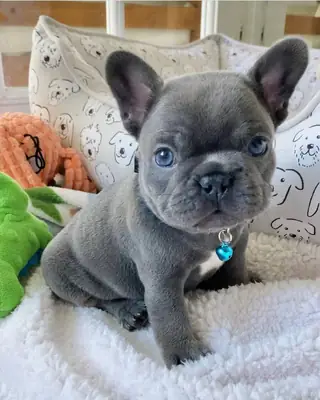
French Bulldog Puppies Kc Ready To Go!
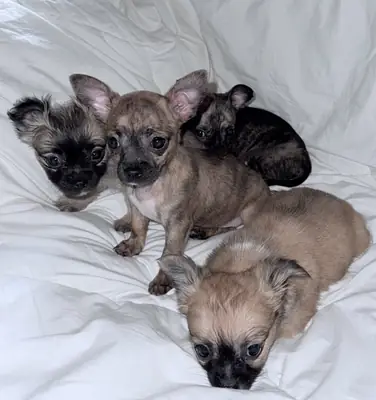
Rare brindle chihuahua puppies
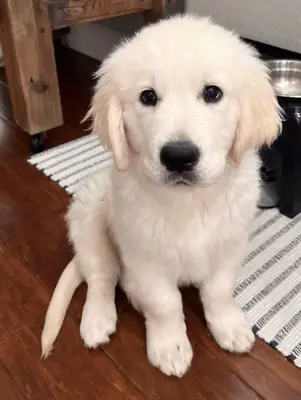
Playful Golden Retriever Puppies Ready for Families
Popular Searches
Free Rottweiler adoption Preston
Free Rottweiler adoption in Preston should be checked with more discipline than a normal “free dog” listing. A Rottweiler is a strong, confident working-type dog, so the advert should clearly explain age, microchip transfer, vaccination status, neutering, lead manners, recall, house training, guarding behaviour, dog tolerance and the real reason for rehoming.
Do not choose a Rottweiler only because it is free, loyal-looking or described as protective. Ask how the dog behaves with visitors, children, strangers, other dogs, cats, food, toys, doorways, cars and busy streets. A good adoption match is built on honest behaviour details, not on a tough-looking photo.
Rottweiler rescue Preston
Rottweiler rescue in Preston should focus on assessment, experience and stability. Many Rottweilers are rehomed because owners underestimated strength, training, guarding, pulling, landlord rules, insurance, cost, dog reactivity or the structure this breed needs.
Ask whether the dog has been assessed around people, dogs, traffic, food, toys and handling. A rescue Rottweiler can be a brilliant companion, but only when the adopter is realistic about leadership, boundaries, calm training and safe management.
Rottweiler rehoming Preston
Rottweiler rehoming in Preston needs a direct reason. Moving home, landlord refusal, owner illness, cost, pulling, guarding, dog conflict, stranger reactivity, separation stress or a young dog becoming too strong all mean different things for the adopter.
Ask how long the current keeper has had the dog, whether it has changed homes before, whether it has bitten, whether it has been professionally trained and whether vet records exist. “Needs someone with more time” is not enough information for a powerful breed.
Adopt a Rottweiler in Preston
To adopt a Rottweiler in Preston, choose by temperament, training history and home control rather than size or appearance. The right home should be confident with large dogs, consistent with rules, secure with visitors and prepared for daily walking, mental work and careful introductions.
Ask whether the dog settles indoors, pulls on lead, guards the home, barks at strangers, responds to commands and can be handled at the vet. A Rottweiler adoption is not casual; it must be matched to a home that can manage strength safely.
Rottweilers for adoption near me
Rottweilers for adoption near me searches around Preston often include Lancashire, Leyland, Chorley, Fulwood, Penwortham, Bamber Bridge, Blackburn, Blackpool, Wigan, Southport, Lancaster and Manchester.
Local viewing matters because you can watch the dog move, see lead behaviour, hear how it reacts to people, check body condition, confirm microchip details and ask for vet records before handover. Nearby is useful only when the listing is honest and complete.
Rottweiler adoption Lancashire
Rottweiler adoption across Lancashire gives adopters more realistic options than searching Preston alone. Genuine free Rottweiler listings may not appear every day, and a wider area can help you compare puppies, adults, seniors and rescue-style rehoming posts.
Compare each dog by microchip transfer, vaccination status, neutering, training, lead control, recall, guarding, dog tolerance, joint history and whether the current owner gives clear answers. Do not lower standards just because the right breed appears nearby.
Free Rottweiler puppies Preston
Free Rottweiler puppies in Preston should trigger caution. Genuine rehoming can happen, but puppy listings can also hide stolen photos, unclear ownership, missing microchip details, poor breeding, weak socialisation or puppies being moved before they are ready.
Ask the puppy’s exact age, microchip status, vaccination record, worming, parent temperament, feeding routine, early socialisation and why the puppy is being rehomed for free. A Rottweiler puppy grows fast, and weak early handling can become a serious adult problem.
Rottweiler puppy adoption Preston
Rottweiler puppy adoption in Preston needs a home ready for training from the first day. A cute Rottweiler puppy becomes a large, powerful dog that needs bite inhibition, calm handling, lead skills, recall, visitor manners and confidence around normal city life.
Ask about toilet training, crate or sleep routine, food guarding, mouthing, socialisation, vet checks, parent behaviour and whether the puppy has been exposed to household noise. Puppy softness is temporary; the adult dog is the real decision.
Adult Rottweiler adoption Preston
Adult Rottweiler adoption in Preston can be a strong choice because size, strength, temperament, guarding, lead behaviour and dog tolerance are already visible. You can ask direct questions instead of guessing what a puppy will become.
Check microchip transfer, vaccination status, neutering, hip and elbow history, recall, lead manners, bite history, guarding, separation behaviour and whether the dog has lived with children, cats or other dogs. Adult Rottweilers need honest disclosure, not vague praise.
Senior Rottweiler adoption Preston
Senior Rottweiler adoption in Preston can suit a calm, experienced home that understands joint comfort, shorter walks, weight control and regular vet care. Older Rottweilers may need help with arthritis, hips, elbows, dental care, lumps, heart checks and mobility.
Ask about stiffness, stairs, appetite, drinking, pain relief, previous operations, medication, toilet habits and whether the dog still enjoys gentle walks. A senior Rottweiler needs stability and dignity, not another rushed handover.
Rottie adoption Preston
Rottie adoption in Preston is the same serious decision as searching for a Rottweiler. The casual nickname should not make the checks casual.
Ask about training, temperament, guarding, strangers, children, dog tolerance, pulling, recall, vet history and microchip transfer. A “big soft Rottie” can still need confident handling, secure routines and careful introductions.
Rottweiler rescue dog Preston
A Rottweiler rescue dog in Preston should come with as much behaviour context as possible. The key details are not just age and size; they are how the dog handles pressure, frustration, strangers, other dogs, food, grooming and vet handling.
Ask whether the dog has been walked in public, whether it reacts to dogs, whether it guards people or property and whether it has any bite or warning history. Rescue does not mean risky by default, but secrecy is risky.
Rottweiler behaviour assessment Preston
Rottweiler behaviour assessment in Preston adoption should cover handling, food, toys, strangers, children, dogs, traffic, grooming, the vet and home boundaries. A dog can be loving with its owner and still unsuitable for an inexperienced household.
Ask whether the dog has shown growling, snapping, guarding, lunging, freezing, hard staring or panic. Honest warning signs are useful; hidden warning signs are dangerous.
Rottweiler with children Preston
A Rottweiler with children can work only when the dog has proven calm behaviour and the home has strict supervision. Strength matters: even a friendly Rottweiler can knock children over or become too intense during play.
Ask whether the dog has lived with children, what ages, whether it guards food or toys, whether it jumps up, whether it tolerates noise and whether children understand boundaries. “Good with kids” must mean tested behaviour, not a hopeful label.
Rottweiler with cats Preston
A Rottweiler with cats may work if the dog has lived with cats before and has a low chase response. Size and prey drive make this a serious question, not a small detail.
Ask whether the dog has shared a home with cats, whether it chases moving animals, whether it can be recalled indoors and whether the cat will have dog-free spaces. Slow introductions and secure barriers are essential.
Rottweiler with other dogs Preston
A Rottweiler with other dogs should be assessed by real behaviour, not assumptions. Some Rottweilers are social; others are selective, pushy, defensive, frustrated on lead or intolerant of certain dogs.
Ask whether the dog has lived with dogs, whether it guards food or toys, whether it reacts on lead, whether it plays roughly and whether same-sex dogs have been a problem. Compatibility needs controlled introductions, not wishful thinking.
Rottweiler lead pulling Preston
Rottweiler lead pulling in Preston adoption listings should be taken seriously. An adult Rottweiler can be too strong for many people if lead manners are poor, especially around traffic, dogs, school runs or narrow pavements.
Ask whether the dog pulls toward people, dogs, cars, bikes or food, and whether it has used a harness, headcollar or structured training plan. “Strong on the lead” often means the adopter needs real handling skill.
Rottweiler recall adoption Preston
Rottweiler recall should be checked before adoption because a powerful dog with poor recall can become unsafe in parks, fields and open spaces. Long-line work may be needed before any off-lead freedom.
Ask whether the dog comes back around other dogs, wildlife, people, footballs and food. A dog that is loyal at home may still ignore recall outside when excited or aroused.
Rottweiler guarding behaviour adoption
Rottweiler guarding behaviour should be discussed openly before adoption. Guarding can involve the home, garden, car, owner, food, toys, bed, doorway or family members.
Ask whether the dog barks at visitors, blocks doors, growls over food, stiffens around toys or reacts when people enter the home. Protective language can sound impressive in an advert, but unmanaged guarding can become a serious problem.
Rottweiler bite history adoption
Rottweiler bite history must be asked directly and answered honestly. This includes bites, snaps, muzzle use, warnings, growling, guarding incidents, dog fights and situations where the owner felt unable to control the dog.
A previous incident does not automatically define the dog forever, but hiding it is unacceptable. The adopter needs the truth to decide whether the home, training support and management plan are suitable.
Rottweiler separation anxiety Preston
Rottweiler separation anxiety should be checked before adoption because a stressed large dog can cause major damage. Barking, pacing, chewing, drooling, toileting indoors, door scratching or window guarding can all appear when left alone.
Ask how long the dog can be left, whether it has used a crate, whether it settles after walks and whether neighbours have complained. A Rottweiler is not a good match for a home that is empty all day with no plan.
Rottweiler exercise needs Preston
Rottweiler exercise needs in Preston should include controlled walks, training, sniffing, mental work and calm structure. This is not a dog to tire out with chaos; it needs a routine that builds obedience and confidence.
Ask how far the dog currently walks, whether it pulls, whether it reacts to dogs, whether it enjoys training and whether joint issues limit exercise. A bored Rottweiler can become difficult; an overworked sore Rottweiler can become frustrated.
Rottweiler training Preston
Rottweiler training in Preston adoption should be treated as an ongoing need, not something finished after a few commands. The dog should understand boundaries, walking manners, recall, settle, leave it and calm greetings.
Ask what training the dog has had, whether it responds to all household members, whether it has worked with a trainer and whether any behaviour plan is already in place. A Rottweiler without structure will create its own rules.
Rottweiler socialisation adoption Preston
Rottweiler socialisation before adoption should include more than “he meets people”. Ask how the dog behaves around men, women, children, delivery drivers, visitors, other dogs, bikes, traffic, vets and groomers.
A Rottweiler that has missed socialisation may become suspicious or reactive in normal daily situations. The right adopter needs to know this before taking responsibility.
Rottweiler hip dysplasia adoption
Rottweiler hip dysplasia adoption checks matter because hip discomfort can affect walking, stairs, jumping, getting into cars and long-term quality of life. Young dogs can show early signs, and older dogs may need pain management.
Ask whether the dog limps, struggles to rise, avoids stairs, bunny-hops, has had X-rays, needs pain relief or has parent hip information. A Rottweiler with joint history can still be loved, but the adopter needs the truth.
Rottweiler elbow dysplasia adoption
Rottweiler elbow dysplasia adoption checks are important because elbow pain can affect lead walking, play, stairs and exercise tolerance. Front-leg lameness should not be dismissed as simple stiffness.
Ask whether the dog has had limping, X-rays, surgery, pain relief, restricted exercise or parent elbow information. A strong dog with sore elbows still needs careful weight and activity management.
Rottweiler JLPP adoption
Rottweiler JLPP adoption searches usually come from people checking breed-specific inherited risk. In adoption, the practical question is whether the dog has any known genetic testing, breathing, swallowing, weakness or neurological history.
Ask whether the dog or parents were tested, whether there are vet notes and whether the dog has ever had abnormal breathing, voice changes, swallowing issues, weakness or coordination problems. Genetic history should be shared where available.
Rottweiler bloat adoption Preston
Rottweiler bloat risk should be discussed because large, deep-chested dogs need careful feeding and exercise routines. Sudden stomach swelling, distress, retching or collapse is an emergency.
Ask about feeding schedule, speed of eating, raised bowls, exercise after meals and any previous stomach emergency. The adopter should know the signs before bringing a large Rottweiler home.
Rottweiler cruciate ligament adoption
Rottweiler cruciate ligament history should be checked because knee injuries can affect exercise, stairs, weight control and future vet costs. A dog may look fine in photos but still have past surgery or recurring lameness.
Ask whether the dog has limped on a back leg, had surgery, needed rest, pain relief or restricted exercise. Joint history matters when adopting a large, heavy dog.
Rottweiler heart check adoption
Rottweiler heart check adoption questions are worth asking, especially for adult and senior dogs. Exercise intolerance, fainting, coughing, unusual tiredness or a vet-detected murmur should be clearly disclosed.
Ask whether the dog has had heart checks, medication, scans or restrictions. A calm dog is not automatically a healthy dog; sometimes low energy has a medical reason.
Rottweiler weight control adoption
Rottweiler weight control is critical because extra weight increases pressure on hips, elbows, knees and spine. A heavy Rottweiler may look impressive but suffer more during movement.
Ask the dog’s current weight, body condition, food amount, treat habits, exercise routine and whether a vet has advised weight loss. Strength should not be confused with obesity.
Microchipped Rottweiler adoption Preston
Microchipped Rottweiler adoption in Preston should include clear transfer details. The chip should match the dog, and keeper information should be updated correctly after adoption.
This matters because a newly adopted Rottweiler can bolt, become stressed, pull free or get lost before it fully understands the new home. Identity details should be correct from day one.
Vaccinated Rottweiler rehoming Preston
Vaccinated Rottweiler rehoming in Preston should include what has been given, what is due next and whether a vet record is available. “Healthy” is too vague for a large breed changing homes.
Ask about boosters, flea and worm treatment, joint history, dental care, weight, heart checks, medication, previous illness and recent vet visits. A proper health picture protects both the dog and adopter.
Neutered Rottweiler adoption Preston
Neutered Rottweiler adoption in Preston can make home management clearer, especially with adult dogs. Neutering does not solve guarding, pulling, reactivity, separation stress or poor training, but it is still an important ownership and health detail.
Ask whether the dog is neutered, when it was done, whether recovery was normal and whether behaviour or weight changed afterwards. If not neutered, ask what a vet has advised.
Rottweiler adoption fee Preston
Rottweiler adoption fee Preston searches often compare free rehoming, private adoption and rescue-style processes. Free does not automatically mean low-cost if the dog needs training, insurance, joint care, secure equipment, vet checks or behaviour support.
A no-fee Rottweiler with missing records, poor lead control, guarding or vague ownership can become the expensive option quickly. Judge the adoption by evidence, not by the absence of a fee.
Rottweiler adoption scam Preston
Rottweiler adoption scams in Preston can use stolen photos, fake urgent stories, delivery-only offers, sudden deposits, missing microchip details and vague health claims. Large breed listings can also hide behaviour problems behind emotional wording.
Ask for current videos, proof of ownership, microchip details, vet records, a clear reason for rehoming and a safe viewing or collection plan. If the person avoids proof but pushes speed, walk away.
Frequently Asked Questions
What should I check before adopting a free Rottweiler in Preston?
Check the dog’s age, microchip, vaccination status, neutering, vet records, training level, lead manners, recall, house training, guarding behaviour and reason for rehoming.
For a Rottweiler, also ask about hip dysplasia, elbow dysplasia, JLPP testing where known, bloat risk, cruciate ligament history, heart checks, weight, bite history and whether the dog has lived with children, cats or other dogs.
Is a Rottweiler a good adoption dog?
A Rottweiler can be a good adoption dog for an experienced, consistent home that understands large-breed handling, training and safe management.
It is not the best match for someone who wants an easy, low-effort dog or has no plan for training, exercise, boundaries and visitor management.
Are Rottweilers suitable for first-time owners?
Some calm, assessed Rottweilers may suit committed first-time owners with proper support, but this breed is usually better for people who understand strong dogs.
A first-time adopter should be honest about strength, training ability, home control, insurance, time and willingness to get professional help if needed.
Are Rottweilers good family dogs?
A Rottweiler can be a good family dog when it has a stable temperament, training, boundaries and careful supervision.
Ask whether the dog has lived with children, what ages, whether it guards food or toys, whether it jumps up and whether it is calm around household noise.
Can Rottweilers live with children?
Rottweilers can live with children only when the individual dog is proven safe, calm and well managed.
Because they are powerful dogs, children should never be left to handle, feed, tease, climb on or disturb the dog without adult control.
Can Rottweilers live with cats?
A Rottweiler may live with cats if it has proven cat experience and a low chase response.
Ask whether the dog has lived with cats, whether it chases moving animals and whether the cat will have safe dog-free spaces.
Can Rottweilers live with other dogs?
Some Rottweilers live well with other dogs, while others are selective, reactive or unsuitable for multi-dog homes.
Ask whether the dog has lived with dogs, guards resources, reacts on lead, plays roughly or has had same-sex dog conflicts.
Can a Rottweiler live in a flat?
A Rottweiler can live in a flat only if exercise, stairs, landlord permission, noise, lift access and daily management are realistic.
Ask whether the dog barks at hallway sounds, pulls on lead, struggles with stairs, settles indoors and copes when left alone.
How much exercise does a Rottweiler need?
Rottweilers need daily exercise, training and mental work, but exercise should be managed around age, joints, fitness and behaviour.
Ask how far the dog currently walks, whether it pulls, whether it reacts to dogs and whether joint issues limit activity.
Do Rottweilers need a lot of training?
Yes, Rottweilers need consistent training, clear boundaries and calm handling because they are strong, confident dogs.
Ask whether the dog knows lead manners, recall, settle, leave it, visitor manners and whether it responds to all household members.
Do Rottweilers pull on the lead?
Some Rottweilers pull strongly on lead, especially if they are excited, undertrained or reactive.
Ask how the dog walks around traffic, people, dogs, bikes and food, and whether a harness or training plan is already used.
Can Rottweilers be left alone?
Some Rottweilers cope with normal alone time, but others become stressed and destructive if left too long.
Ask whether the dog barks, chews, paces, drools, toilets indoors, scratches doors or guards windows when alone.
Do Rottweilers guard the home?
Some Rottweilers naturally guard their home, owner, garden, car, food or toys.
Ask whether the dog barks at visitors, blocks doors, growls over resources or becomes tense when strangers enter.
Should I ask about bite history before adopting a Rottweiler?
Yes, ask directly about bites, snaps, growling, guarding incidents, dog fights and any situation where control was difficult.
Honest history helps you decide whether the dog is suitable for your home and whether professional support is needed.
What health problems should I ask about in a Rottweiler?
Ask about hip dysplasia, elbow dysplasia, JLPP, bloat, cruciate ligament injuries, heart issues, arthritis, weight, lumps, dental care and medication.
A Rottweiler does not need a perfect health history to be adoptable, but the history must be honest enough for proper care planning.
What is hip dysplasia in Rottweilers?
Hip dysplasia is abnormal hip development that can cause pain, stiffness, lameness and arthritis.
Ask whether the dog limps, struggles to rise, avoids stairs, has had X-rays, needs pain relief or has parent hip information.
What is elbow dysplasia in Rottweilers?
Elbow dysplasia is abnormal elbow development that can cause pain, lameness and arthritis.
Ask whether the dog has front-leg limping, X-rays, surgery, pain relief, restricted exercise or parent elbow information.
What is JLPP in Rottweilers?
JLPP is an inherited neurological condition associated with Rottweilers.
Ask whether the dog or parents were tested and whether there are any breathing, swallowing, weakness, voice change or coordination concerns.
Are Rottweilers at risk of bloat?
Large, deep-chested dogs can be at risk of bloat, which is an emergency.
Ask about feeding routine, speed of eating, exercise after meals and whether the dog has had any previous stomach emergency.
Why is weight control important for Rottweilers?
Extra weight puts more pressure on hips, elbows, knees and spine.
Ask the dog’s current weight, body condition, food amount, treat habits, exercise routine and whether a vet has advised weight loss.
Should a Rottweiler be microchipped before adoption?
Yes, the dog should be microchipped and keeper details should be transferred correctly after adoption.
Ask for the microchip number, database process and proof that the dog matches the listing.
Should a Rottweiler be vaccinated before rehoming?
Vaccination status should be clear before rehoming. Ask what has been given, what is due next and whether a vet record is available.
Also ask about flea treatment, worming, joint history, weight, heart checks, dental care and any current medication.
Should a Rottweiler be neutered before adoption?
Neutering can be an important ownership and health detail, but it does not replace training or behaviour management.
Ask whether the dog is neutered, when it was done, whether recovery was normal and whether a vet has advised anything further.
Is an adult Rottweiler better than a puppy?
An adult Rottweiler can be easier to assess because size, strength, temperament, guarding, lead manners and health history are already visible.
A puppy gives more time to shape habits, but it needs serious socialisation, training and handling from the beginning.
What are red flags in a Rottweiler adoption listing?
Red flags include vague rehoming reasons, no microchip details, no vet records, hidden bite history, rushed collection, delivery-only offers and refusal to discuss behaviour.
Be careful with listings that describe the dog only as “protective” or “good guard dog” while avoiding training and handling details.
How do I avoid Rottweiler adoption scams in Preston?
Ask for current videos, proof of ownership, microchip details, vet history, a safe viewing or collection plan and a clear reason for rehoming.
Avoid delivery-only pressure, urgent deposits, copied photos and anyone who refuses basic questions about health, behaviour and identity.
What should I prepare before bringing a Rottweiler home?
Prepare a strong lead, secure collar or harness, ID tag, bed, bowls, familiar food, safe barriers, cleaning supplies, training plan, vet registration and secure garden checks.
Keep the first week calm and controlled while the dog learns the home, walking route, feeding routine, resting area, visitor rules and safe alone-time pattern.