Rio de Janeiro Leopard Gecko Adoption
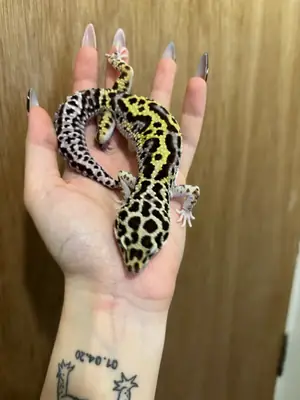
There's 1 Leopard Gecko listing live right now, last updated 18 Apr 2026. Browse leopard gecko adopt... There's 1 Leopard Gecko listing live right now, last updated 18 Apr 2026. Browse leopard gecko adoption listings in Rio de Janeiro and compare pet reptiles that need a safe, legal and well-prepared ho... There's 1 Leopard Gecko listing live right now, last updated 18 Apr 2026. Browse leopard gecko adoption listings in Rio de Janeiro and compare pet reptiles that need a safe, legal and well-prepared home. Before adopting a leopard gecko, check its age, sex, health, tail condition, feeding routine, calcium use, shedding history, enclosure setup, heat source, thermostat, hides, substrate, documentation and handover conditions.
Haven't found the pet you're looking for? Let people who want to find a new home for their pet reach out to you.
Create your free pet adoption request listing now and be seen by thousands of pet owners.
Quick Information
Popular Searches
Leopard gecko adoption listings in Rio de Janeiro
Leopard gecko adoption listings in Rio de Janeiro should be checked more carefully than a regular pet listing. A leopard gecko is a small reptile, but it still needs a proper terrarium, stable heat, a thermostat, hides, clean water, safe substrate, calcium support and a feeding routine based on live insects.
Before contacting an owner, look for age, sex, current weight, tail condition, appetite, shedding history, enclosure details, heat source, legal origin, documentation and reason for rehoming. A strong listing explains how the gecko lives today; a weak listing only says “friendly gecko available”.
Adopt Leopard Gecko in Rio de Janeiro
To adopt a Leopard Gecko in Rio de Janeiro, the terrarium should be ready before pickup. This reptile should not be taken home in a temporary box while you search for heating, hides or substrate later. The first setup decides whether the gecko arrives calmly or starts life in stress.
Ask what it eats, how often it eats, whether it accepts crickets, roaches or mealworms, if calcium is used, if the gecko sheds cleanly, if the tail is full, and what temperatures are kept on the warm and cool sides. Adoption is not complicated when the setup is correct; it becomes a mess when the enclosure is improvised.
Leopard gecko in good home Rio de Janeiro
A leopard gecko in good home listing should focus on the animal’s needs, not just the owner’s urgency. If someone is rehoming a gecko in Rio de Janeiro, the listing should explain why, what equipment is included and what kind of adopter is suitable.
The best listings describe feeding response, handling tolerance, enclosure size, heat control, hides, substrate, calcium routine, recent shedding and any health concerns. “Needs a good home” is not enough unless the listing proves what kind of home the gecko actually needs.
Legal leopard gecko adoption in Brazil
Legal leopard gecko adoption in Brazil should never be treated casually. A leopard gecko is an exotic reptile, so the adopter should ask for clear origin, documentation, previous purchase proof when available and honest information about how the animal entered private care.
A listing that avoids questions about origin, refuses paperwork, hides the previous owner’s history or pushes for a fast handover is not strong. For exotic reptiles, the safest adoption is the one with traceable background, transparent transfer and no connection to illegal wildlife trade.
Leopard gecko with terrarium in Rio
A leopard gecko with terrarium in Rio can be a good adoption only if the setup is actually suitable. A small glass box without thermostat, poor heating, loose unsafe substrate or one hide is not a complete reptile home.
The listing should show enclosure size, heat source, thermostat, warm hide, cool hide, humid hide, water dish, substrate, cleaning routine and whether the gecko has lived well in that setup. Getting the terrarium included does not help if the terrarium needs to be replaced immediately.
Leopard gecko heat setup Rio de Janeiro
A leopard gecko needs a controlled heat gradient, not a random warm room. Rio can be hot, but room temperature still changes with air conditioning, rainy days, night cooling and apartment airflow. The gecko must be able to choose between a warm side and a cooler side.
Ask what heat source is used, whether it is controlled by a thermostat, what surface temperatures are measured and whether the gecko spends normal time in both warm and cool hides. Heat without control is dangerous; no heat planning is just as bad.
Leopard gecko humid hide and shedding
A humid hide is important for a leopard gecko because shedding problems can leave stuck skin on toes, tail tip or around the eyes. In Rio’s climate, humidity in the room does not replace a controlled humid hide inside the enclosure.
Before adoption, ask if the gecko sheds in one piece, if it has lost toes, if there is retained skin, and what material is used in the humid hide. A listing that mentions shedding history gives much more confidence than one that only shows a bright morph photo.
Leopard gecko safe substrate
Safe substrate matters because leopard geckos live close to the ground and can ingest material while hunting. A bad substrate can create irritation, hygiene problems or digestive risk, especially in juveniles or geckos with weak feeding habits.
Ask what substrate is currently used, whether the gecko eats inside the enclosure, if there has been constipation, if the belly looks normal and how the enclosure is cleaned. Substrate is not decoration; it affects health every day.
Leopard gecko eating insects
A leopard gecko eats live insects, so an adopter must be comfortable buying, storing and feeding appropriate prey. This is not a reptile for someone who wants a pet that eats dry pellets once a week without thought.
The listing should mention the current feeder insects, feeding frequency, appetite, calcium dusting, vitamin use and whether the gecko refuses certain prey. A gecko that has stopped eating needs a different level of attention than a healthy, responsive feeder.
Leopard gecko calcium and vitamins
Calcium and vitamin routine should be part of every leopard gecko adoption discussion. Poor supplementation, weak UVB planning, bad diet or wrong temperatures can affect bones, movement and long-term health.
Before adopting, ask what calcium is used, whether insects are dusted, if vitamins are included, if UVB is used, and whether the gecko walks normally. If the legs look weak, the jaw looks soft or the animal seems lethargic, do not treat it as a simple care detail.
Leopard gecko morph adoption Rio
Leopard gecko morph adoption in Rio may attract users looking for special colors or patterns, but morph should never come before health. A bright morph with poor weight, stuck shed, weak movement or unclear origin is not a good adoption.
Ask for recent photos, not old baby pictures. Check the tail, eyes, toes, skin, posture, appetite and setup. The morph name can be useful, but the animal’s condition and legal background matter more than color.
Juvenile leopard gecko adoption
A juvenile leopard gecko can be rewarding, but it needs more consistent feeding, careful monitoring and a secure enclosure. Young geckos can be faster, more delicate and less tolerant of handling mistakes.
The listing should include age, feeding frequency, current prey size, weight trend, shedding history and whether sex is confirmed or still unknown. A juvenile should not be adopted just because it is cute and small; it needs steady care from day one.
Adult leopard gecko for adoption
An adult leopard gecko for adoption can be a strong choice because its size, feeding response and handling behavior are easier to judge. You can see whether the tail is full, whether it eats reliably and how it reacts to regular care.
A good adult gecko listing should include age estimate, sex, weight, feeding schedule, shedding, previous health issues, enclosure habits and temperament. Adult does not mean less desirable; it often means fewer unknowns.
Male leopard gecko adoption
Male leopard gecko adoption should include clear information about housing history. Adult males should not be casually placed with other males, and even pairings with females require experience, space and a real reason.
Ask if the gecko has lived alone, if it has shown territorial behavior, if sex is confirmed and if there has been breeding history. For most pet homes, a single leopard gecko kept alone is the safer and cleaner plan.
Female leopard gecko adoption
Female leopard gecko adoption needs honest history, especially if she has been housed with a male. The adopter should know if there was breeding, egg laying, weight loss, calcium issues or stress from cohabitation.
A listing should state age, sex confirmation, breeding history, appetite, weight, calcium routine and whether the gecko has ever had egg-related problems. Hiding that history is not a small omission; it changes the care the animal may need.
Tame leopard gecko for adoption
A tame leopard gecko is usually one that tolerates calm handling, not one that wants constant attention. Leopard geckos are reptiles, so handling should be slow, low to the ground and limited enough to avoid stress.
The listing should explain whether the gecko walks onto the hand, stays calm during cleaning, drops food when disturbed, tail-waves, bites, hides constantly or tolerates short handling sessions. “Tame” without examples is weak information.
Leopard gecko not eating
A leopard gecko not eating should not be adopted blindly. Refusal can be linked to stress, wrong temperature, shedding, breeding season, illness, parasites, poor feeder choice or enclosure problems.
If a listing admits appetite issues, ask how long it has been happening, whether weight has changed, what insects were offered, whether temperatures were measured and if a reptile vet has checked the gecko. A thin tail and poor appetite are not beginner-friendly problems.
Healthy leopard gecko signs
A healthy leopard gecko usually has clear eyes, clean vent area, steady movement, good body condition, a filled tail, normal shedding and interest in food. It should not look severely thin, limp, swollen, dirty around the mouth or unable to walk normally.
Ask for current photos and a short video. Check the toes, tail, belly, eyes, jaw, posture and movement. A beautiful photo under colored lighting is useless if it hides stuck shed, weight loss or weak legs.
Leopard gecko for beginners in Rio
A leopard gecko can suit a serious beginner, but only if the adopter understands heating, feeding insects, supplementation, shedding and safe handling. It is not a zero-maintenance reptile.
For a first reptile, choose a listing with a healthy adult, clear history, stable feeding, proper enclosure information and legal origin. Avoid mystery geckos with no setup, no paperwork, poor appetite or vague health claims.
Transport leopard gecko in Rio de Janeiro
Transporting a leopard gecko in Rio de Janeiro should be short, calm and temperature-aware. Heat, direct sun, traffic delays, air-conditioned cars and long public transport routes can all stress a small reptile.
Use a secure ventilated container with paper towel, avoid loose decor, keep the gecko protected from overheating and go straight to the prepared enclosure. A handover that turns into a long day outside is poor planning.
Leopard gecko adoption Rio neighborhoods
Leopard gecko adoption listings may appear across Rio de Janeiro, including Barra da Tijuca, Botafogo, Copacabana, Tijuca, Recreio, Flamengo, Méier, Jacarepaguá, Niterói or nearby areas. Location helps with transport, but it should not decide the adoption alone.
A listing farther away with legal origin, clear feeding history, healthy body condition and a proper setup is better than a nearby listing with missing information. For reptiles, preparation matters more than distance.
Never release a leopard gecko in Brazil
A leopard gecko should never be released outdoors in Brazil. It is not a local street animal, and releasing an exotic reptile can harm the animal, create environmental risk and connect the owner to illegal or irresponsible wildlife handling.
If a person can no longer keep a leopard gecko, the responsible route is rehoming through a prepared adopter, legal transfer information and clear care history. Releasing a captive reptile is not compassion; it is abandonment.
Frequently Asked Questions
What should I check before adopting a leopard gecko in Rio de Janeiro?
Before adopting a leopard gecko in Rio de Janeiro, check age, sex, legal origin, documentation, current weight, tail condition, appetite, shedding history, enclosure setup, heat source, thermostat, substrate and reason for rehoming.
You should also ask what insects it eats, whether calcium is used, if it has had stuck shed, if it tolerates handling and whether any health issue has been seen by a reptile vet.
Is a leopard gecko a reptile?
Yes, a leopard gecko is a small terrestrial reptile commonly kept in terrariums. It is not a mammal, not an amphibian and not a pet that can live loose in a room.
It needs controlled heat, hides, clean water, safe substrate, insect-based feeding, calcium support and calm handling. Its care is manageable only when the setup is correct.
Is leopard gecko ownership legal in Brazil?
Because leopard geckos are exotic reptiles, the safest approach is to ask for clear legal origin, documentation and transfer history before adoption. Do not rely on vague claims like “it has always been in captivity”.
If the listing cannot explain the animal’s source or refuses documentation questions, avoid it. Legal and traceable origin matters as much as enclosure quality.
What enclosure does a leopard gecko need?
A leopard gecko needs a secure terrarium with a warm side, a cool side, a thermostat-controlled heat source, at least a warm hide, cool hide and humid hide, safe substrate and clean water.
The enclosure should be ready before pickup. A temporary box, loose unsafe substrate or heating without a thermostat is not a responsible setup.
Does a leopard gecko need UVB?
Many keepers use low-level UVB or provide calcium and vitamin support carefully. The key point is that calcium metabolism, heat and diet must be handled correctly.
Before adoption, ask whether UVB was used, what calcium routine the gecko has, how insects are prepared and whether the gecko walks normally. Weak movement, soft jaw or poor posture should be taken seriously.
What does a leopard gecko eat?
A leopard gecko eats live insects such as appropriately sized crickets, roaches, mealworms or similar feeder insects. It should not be fed fruit, vegetables, cat food or random table food.
Ask what insects it currently accepts, how often it eats, whether feeders are dusted with calcium and whether appetite has changed recently. Appetite history is one of the most important adoption details.
How can I tell if a leopard gecko is healthy?
A healthy leopard gecko usually has clear eyes, a clean vent, steady movement, good body condition, a full tail, normal shedding and interest in food.
Warning signs include severe weight loss, thin tail, stuck shed on toes, swollen eyes, mouth problems, weak legs, lethargy, poor appetite or abnormal droppings. Ask for current photos and a short video before pickup.
Is a leopard gecko good for beginners?
A leopard gecko can be suitable for a serious beginner, but only with correct heating, enclosure setup, feeding insects, calcium routine and basic reptile handling knowledge.
For a first gecko, avoid listings with unclear origin, no setup details, poor appetite, visible health issues or owners who cannot explain basic care.
Can leopard geckos live together?
For most pet homes, keeping one leopard gecko alone is the safer choice. Cohabitation can create stress, competition, injury or breeding problems if the keeper is inexperienced.
Before adopting more than one, ask about sex, age, previous housing, aggression, feeding competition and whether each gecko can be housed separately. Never assume two geckos must stay together just because they were listed together.
How should I transport a leopard gecko in Rio de Janeiro?
Transport should be short, secure and temperature-aware. Use a ventilated container with paper towel, avoid loose objects and protect the gecko from direct sun, overheating, cold air conditioning and long delays.
Go straight to the prepared enclosure after pickup. A leopard gecko should not spend hours in traffic, public places or a temporary container while other errands are done.
Should I adopt a juvenile or adult leopard gecko?
A juvenile can be a good adoption if it is feeding well, shedding properly and has clear care history, but it needs closer monitoring and more consistent feeding.
An adult often gives more information: body condition, sex, temperament, feeding response and health history are easier to judge. For many new keepers, a healthy adult is the safer choice.
Where can I look for leopard gecko adoption listings around Rio de Janeiro?
You can look across Rio de Janeiro and nearby areas such as Barra da Tijuca, Botafogo, Copacabana, Tijuca, Recreio, Flamengo, Méier, Jacarepaguá, Niterói and São Gonçalo.
Distance should not be the main factor. Choose listings with legal origin, clear health information, proper enclosure details, stable feeding history and safe handover conditions.