Salzburg Rottweiler Dog Adoption
There's 1 Rottweiler listing live right now, last updated 11 Mar 2026. Adopting a Rottweiler in Salz... There's 1 Rottweiler listing live right now, last updated 11 Mar 2026. Adopting a Rottweiler in Salzburg is a serious decision, not a shortcut to getting a powerful, impressive-looking dog. A Rottweil... There's 1 Rottweiler listing live right now, last updated 11 Mar 2026. Adopting a Rottweiler in Salzburg is a serious decision, not a shortcut to getting a powerful, impressive-looking dog. A Rottweiler is a strong, intelligent and deeply loyal working dog that needs calm handling, clear boundaries, daily structure, secure walks, responsible lead control, proper socialisation and an owner who understands strength, confidence and commitment. On Petopic, you can review Rottweiler adoption listings across Salzburg, Maxglan, Lehen, Liefering, Aigen, Nonntal, Itzling, Parsch, Wals-Siezenheim, Hallein, Seekirchen, Bischofshofen, Zell am See and wider Austria by looking at the details that actually decide whether the match is safe: age, microchip, vaccination records, neuter status, health history, hips and elbows, temperament with children, behaviour around other dogs and cats, lead manners, muzzle comfort, guarding tendencies, experience in flats or houses, ability to stay alone, reason for rehoming and the adopter requirements set by the current keeper or rescue.
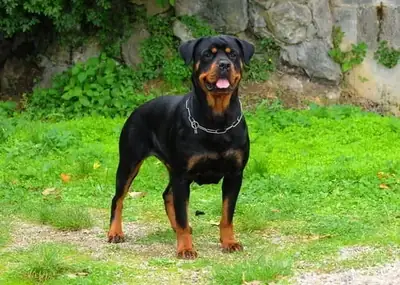
Haven't found the pet you're looking for? Let people who want to find a new home for their pet reach out to you.
Create your free pet adoption request listing now and be seen by thousands of pet owners.
Quick Information
Other listings in your area

Healthy Dachshund puppies for Rehoming

Engelhafte Teacup-Yorkie-Welpen
Maltipoo 2 Girl 1 Boy Available

Cute Pomeranian puppies available

Husky puppies are looking for a home.

Super Charming german Sherpherd Puppy
Popular Searches
Rottweiler adoption Salzburg
Rottweiler adoption in Salzburg should be treated as a high-responsibility match. This is a powerful dog breed with strong loyalty, confidence and physical strength, so a good listing must do more than say the dog is friendly or protective. The future home needs to understand handling, training, public control and long-term structure.
A strong adoption listing should explain the dog’s age, weight, microchip status, vaccination history, neuter status, health records, lead manners, reaction to strangers, behaviour around dogs, cats and children, home routine, guarding behaviour and reason for rehoming. A Rottweiler listing with only photos and vague praise is not enough.
Rottweiler for adoption in Salzburg
People searching for a Rottweiler for adoption in Salzburg usually want a real dog, not general breed advice. The page needs to help them judge whether the individual Rottweiler can safely fit into a city home, a house with garden, a family setting or an experienced single-owner household.
The listing should describe how the dog behaves on busy Salzburg streets, in parks, around cyclists, in apartment buildings, near other dogs and when meeting unfamiliar people. For this breed, “good dog” is too weak; the details must show control, temperament and daily behaviour.
Adopt a Rottweiler in Austria
Adopt a Rottweiler in Austria is broader than Salzburg and can include Vienna, Graz, Linz, Innsbruck, Klagenfurt and other regions. That broader search is useful because Rottweiler adoption opportunities may be limited, but location should never lower the standard of information.
If the dog is outside Salzburg, ask for videos of walking, handling, recall, behaviour around people and calm settling at home. Long-distance adoption only makes sense when the microchip, veterinary records, behaviour notes and rehoming conditions are clear before travel.
Rottweiler rescue Austria
Rottweiler rescue Austria is a trust-driven search. The user is often looking for a dog that needs a second chance, but rescue does not mean every home is suitable. A Rottweiler with an unknown background, poor training history or guarding behaviour needs careful assessment.
A rescue-style listing should explain what is known, what is unknown and what kind of adopter is required. Experience with strong dogs, secure handling, calm introductions, willingness to continue training and realistic expectations should be part of the match.
Rottweiler in need of a home Salzburg
Rottweiler in need of a home Salzburg is an emotional search, but emotion cannot replace due diligence. A dog may urgently need a new home, yet the wrong home can make the situation worse for the dog, the adopter and the public.
The listing should explain why the dog needs a new home: owner illness, moving, housing restrictions, lack of time, conflict with another dog, guarding behaviour, separation anxiety, strength on lead or health costs. The reason matters because it tells the adopter what problem they may inherit.
Adult Rottweiler adoption Salzburg
Adult Rottweiler adoption in Salzburg can be a smarter option than taking on a puppy, especially for experienced homes. With an adult dog, size, strength, temperament, lead control, guarding tendencies, dog selectivity and household behaviour are easier to evaluate.
A proper adult Rottweiler listing should include walking videos, handling notes, veterinary history, behaviour with visitors, experience with children, ability to stay alone, muzzle training, car travel, reaction to other dogs and whether the dog has lived in a flat or a house.
Rottweiler puppy adoption Salzburg
Rottweiler puppy adoption in Salzburg should not be sold as an easy family upgrade. A puppy grows into a strong working dog, so early training, controlled socialisation, bite inhibition, lead manners, handling, vet visits, exposure to city life and calm boundaries are critical.
The listing should state exact age, vaccination and microchip details, worming, early socialisation, current feeding, parent information if known and why the puppy is being rehomed. A powerful breed puppy with vague background is a risk, not a bargain.
Rottweiler for experienced owner Salzburg
Rottweiler for experienced owner Salzburg is one of the most honest search angles for this breed. Many Rottweilers can be affectionate and stable, but the adopter must be able to manage strength, confidence, boundaries and public responsibility without panic or harshness.
If a listing says “experienced owner only”, it should explain why. Is the dog reactive on lead, protective at home, too strong for beginners, uncomfortable with strangers, not suitable with children, selective with dogs or anxious when alone? The warning must be specific.
Rottweiler family dog adoption
Rottweiler family dog adoption needs careful wording. A well-raised Rottweiler can be devoted to its family, but that does not make every Rottweiler suitable for every family. Size, strength, training, boundaries and supervision matter around children.
The listing should say whether the dog has lived with children, what ages, whether it jumps up, guards food or toys, accepts handling, copes with noise and settles indoors. “Good with kids” is too vague for a dog this powerful.
Rottweiler with children
Rottweiler with children can work only when the dog is stable, the children are respectful and adults supervise properly. A child should not be expected to walk, control or discipline a Rottweiler. The dog’s strength alone makes that unrealistic.
A useful adoption listing should describe real behaviour: calm around toddlers, comfortable with older children, no resource guarding, no rough jumping, no fear of sudden noise and no history of snapping. Family suitability must be proven through details, not claimed.
Rottweiler with other dogs
Rottweiler with other dogs is a major adoption question. Some Rottweilers are social and calm, while others are selective, dominant, defensive or frustrated on lead. Because of their strength, even a short conflict can become serious.
The listing should say whether the dog has lived with other dogs, reacts to males or females, plays roughly, guards food, pulls toward dogs on walks, wears a muzzle comfortably and can disengage when called. “Friendly with dogs” without examples is too thin.
Rottweiler with cats
Rottweiler with cats cannot be assumed. Some Rottweilers live peacefully with cats, especially when raised with them, while others may chase or become too intense around fast-moving animals. Size makes mistakes costly.
An adoption listing should explain whether the dog has lived with cats, how it reacts to indoor cats, street cats and small animals, whether it can be recalled or redirected and whether the current keeper recommends a cat-free home.
Rottweiler apartment adoption Salzburg
Rottweiler apartment adoption in Salzburg can be possible, but only if the dog is calm indoors, gets proper walks, handles stairs or lifts, does not bark at hallway noise and has an owner who can manage public exits safely.
The listing should say whether the dog has lived in a flat, how it behaves in shared entrances, whether it reacts to neighbours, delivery workers or other dogs in corridors, and how many hours it can stay alone. A flat is not automatically wrong; a poorly managed flat routine is.
Rottweiler house with garden Salzburg
A house with garden in Salzburg can help with a Rottweiler, but it does not replace training, walks or owner involvement. Leaving a Rottweiler outside to guard, bark or entertain itself is poor ownership and can create behaviour problems.
The listing should explain whether the dog sleeps indoors, guards fences, barks at passers-by, digs, escapes, patrols the property or relaxes when visitors arrive. A garden is useful only when the dog is still part of the household.
Rottweiler lead and muzzle training
Rottweiler lead and muzzle training should be visible in any serious adoption listing for Salzburg. Even where the dog is calm, public control matters. A well-fitted muzzle and reliable lead manners can make vet visits, public transport, busy areas and introductions safer.
The listing should say whether the dog pulls, lunges, wears a muzzle, accepts handling, walks on a short lead, reacts to bikes or dogs and can settle after excitement. A strong dog with no lead manners is not ready for an inexperienced home.
Rottweiler temperament adoption
Rottweiler temperament adoption content must be specific. This breed can be loyal, steady and affectionate with the right people, but it can also be protective, suspicious, powerful and hard to redirect if poorly raised or undertrained.
Instead of generic temperament claims, the listing should describe visitor behaviour, handling, food guarding, toy guarding, response to strangers, confidence in new places, noise sensitivity, vet handling and ability to recover after stress.
Rottweiler guarding behaviour
Rottweiler guarding behaviour must be handled honestly. A dog that alerts to strangers is different from a dog that blocks doors, guards the owner, growls over food, protects the sofa or cannot accept visitors. The difference changes the adopter requirements completely.
A listing should state what the dog guards, when it happens, whether it has bitten, whether a trainer has assessed it and what management works. Hiding guarding behaviour in a Rottweiler listing is reckless.
Rottweiler health hips and elbows
Rottweiler health, hips and elbows should be asked about before adoption. A large muscular dog with hip pain, elbow issues, arthritis or excess weight may need careful exercise, supplements, medication, physiotherapy or veterinary monitoring.
The listing should include mobility notes: how the dog rises, climbs stairs, jumps into cars, walks on long routes and recovers after exercise. Health problems do not make adoption impossible, but they must be disclosed clearly.
Rottweiler exercise needs
Rottweiler exercise needs are not just about tiring the dog out. A Rottweiler needs structured walks, mental work, calm obedience, controlled play and recovery time. Overexcitement without training can create a stronger, harder-to-control dog.
The listing should say how much exercise the dog gets, whether it likes fetch, swimming, scent work, obedience or calm walking, and whether it becomes frustrated without activity. Exercise must build stability, not chaos.
Rottweiler can stay alone
Whether a Rottweiler can stay alone is vital for Salzburg adopters who work full time. Some dogs settle calmly for several hours; others bark, chew, scratch doors, guard windows, panic or become destructive.
The listing should state current alone time, behaviour when the owner leaves, crate or room routine, barking history, damage, anxiety signs and whether the dog needs another dog or human presence. This is not a minor lifestyle detail.
Rottweiler adoption requirements Salzburg
Rottweiler adoption requirements in Salzburg should be strict enough to protect the dog and the public. A responsible listing may ask for experience with large dogs, secure housing, landlord permission, time for training, willingness to use lead and muzzle where needed and a stable long-term plan.
If the current keeper or rescue sets requirements, they should be explained clearly. “No beginners”, “no cats”, “adult-only home” or “secure garden required” are useful only when backed by the dog’s real behaviour.
Rottweiler near Salzburg
Rottweiler near Salzburg can include Hallein, Wals-Siezenheim, Seekirchen, Bischofshofen, Zell am See, Linz, Innsbruck, Munich-border areas and wider Austria. Travelling for the right dog can make sense, but only after proper screening.
Near does not mean suitable. A nearby Rottweiler with poor behaviour information, no health history and unclear ownership transfer is a weaker option than a farther dog with transparent records, honest behaviour notes and a responsible handover process.
Frequently Asked Questions
What should I check before adopting a Rottweiler in Salzburg?
Before adopting a Rottweiler in Salzburg, check age, microchip, vaccination records, neuter status, health history, hips and elbows, lead manners, muzzle comfort, behaviour with strangers, children, dogs and cats, ability to stay alone and the real reason for rehoming.
A Rottweiler adoption listing should be detailed. Cute photos and broad claims like “loyal family dog” are not enough for a breed with this strength and responsibility.
Is a Rottweiler suitable for first-time dog owners?
A Rottweiler is usually better suited to people who understand large, strong dogs. A prepared first-time owner may manage with professional guidance, but this is not a breed for casual or uncertain handling.
Beginners should only consider a Rottweiler if the dog is stable, well assessed, manageable on lead and matched with clear support, training and realistic expectations.
Can a Rottweiler live in a flat in Salzburg?
A Rottweiler can live in a flat if it is calm indoors, receives proper exercise, handles lifts or stairs, does not react badly to hallway noise and has an owner who can safely manage public exits.
The listing should say whether the dog has lived in a flat, how it behaves around neighbours, whether it barks at doors and how long it can stay alone.
Are Rottweilers good with children?
Some Rottweilers are excellent with children, but suitability depends on the individual dog, training, supervision and the child’s behaviour. A child should not be responsible for controlling a Rottweiler.
Ask whether the dog has lived with children, what ages, whether it jumps up, guards food or toys, tolerates handling and settles calmly in a busy home.
Can a Rottweiler live with other dogs or cats?
A Rottweiler may live with other dogs or cats if it has the right temperament and careful introductions. Some are social, while others are selective, reactive or too intense around smaller animals.
The listing should describe real experience with dogs, cats, males, females, small animals, food sharing, play style and any past conflict.
Does a Rottweiler need muzzle and lead training?
Yes. A Rottweiler should have reliable lead manners and should be comfortable with safe muzzle training if needed for public places, veterinary visits, transport or controlled introductions.
Ask whether the dog pulls, lunges, wears a muzzle, accepts handling, reacts to dogs or bikes and can calm down after excitement.
What health issues should I ask about in a Rottweiler?
Ask about hips, elbows, arthritis, weight, heart checks, past injuries, skin, ears, eyes, digestion, allergies, medication and mobility. Large strong dogs need health transparency before adoption.
If the dog has health issues, adoption may still be possible, but the adopter must understand costs, exercise limits and veterinary follow-up.
How much exercise does a Rottweiler need?
A Rottweiler needs regular exercise, structured walks, mental stimulation and calm training. The goal is not just to exhaust the dog, but to build control, confidence and stable behaviour.
The listing should explain daily walks, play style, training level, reaction to distractions and any exercise limits due to health or age.
What kind of home is best for a Rottweiler adoption?
The best home for a Rottweiler is calm, secure, consistent and realistic about strength, training, public responsibility and long-term cost. Experience with large dogs is a major advantage.
Depending on the dog, the home may need no small children, no cats, secure fencing, limited visitors, training support or an adult-only environment. The listing should make these needs clear.
How should I evaluate Rottweiler listings on Petopic?
On Petopic, prioritise Rottweiler listings that explain location, age, health, microchip, vaccines, neuter status, lead manners, muzzle comfort, temperament, guarding behaviour, children, other animals, alone time and reason for rehoming.
The best listing is not the one with the strongest-looking dog. It is the one that shows whether the Rottweiler can live safely, calmly and responsibly in the right home.