Sheffield Newfoundland Adoption Listings
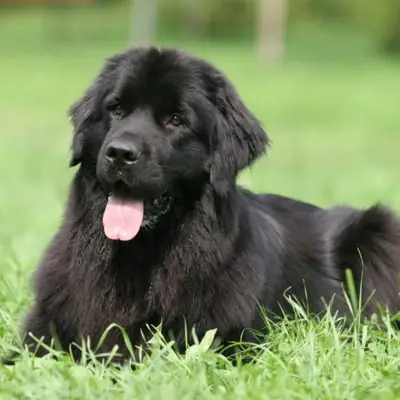
There's 1 Newfoundland listing live right now, last updated 2 Jan 2026. Browse Newfoundland dogs for... There's 1 Newfoundland listing live right now, last updated 2 Jan 2026. Browse Newfoundland dogs for adoption in Sheffield and compare each listing by temperament, age, size, health history, microchip... There's 1 Newfoundland listing live right now, last updated 2 Jan 2026. Browse Newfoundland dogs for adoption in Sheffield and compare each listing by temperament, age, size, health history, microchip details, neutering status, grooming needs, exercise routine, experience with children or other pets, and whether your home can genuinely handle a giant, affectionate dog that needs space, steady training, regular coat care, careful weight control and long-term commitment rather than a quick emotional decision.
Haven't found the pet you're looking for? Let people who want to find a new home for their pet reach out to you.
Create your free pet adoption request listing now and be seen by thousands of pet owners.
Other listings in your area

Yorkshire Terrier waiting for a loving family

Cocker Spaniel dog
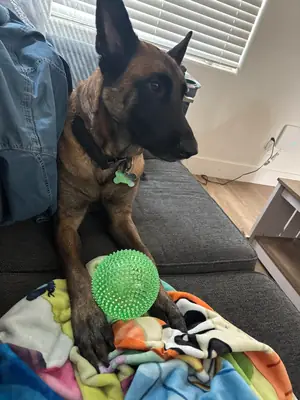
not suitable for a casual owner
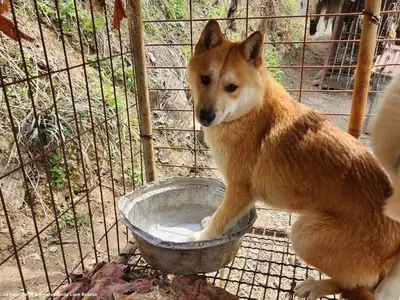
Loyal Nureongi for Adoption
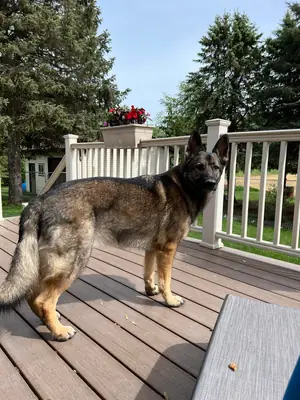
german shepherd, needs experienced handling
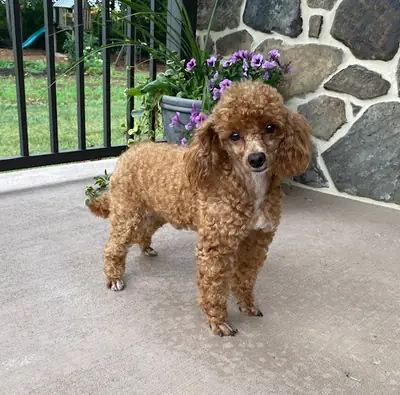
Brown Poodle used to long walks and daily interaction
Popular Searches
Newfoundlands for adoption in Sheffield
Adopting a Newfoundland in Sheffield is not the same as choosing a normal large dog. This is a giant, heavy, people-focused dog that can be gentle and affectionate, but still needs proper handling, space, grooming and a home that understands its size.
A strong listing should explain the dog’s age, temperament, weight, health background, microchip status, neutering, walking routine, grooming condition and experience with children, cats or other dogs. If the listing only says “gentle giant looking for a home”, it is too thin to trust on its own.
Adopt a Newfoundland in Sheffield
Before adopting, be honest about your house, car, routine and strength on the lead. A Newfoundland may be calm indoors, but its size affects everything: stairs, flooring, garden access, vet transport, food costs, drying after rain and managing excited greetings.
Ask how the dog behaves around strangers, traffic, children, visitors, other dogs and grooming tools. A dog this big cannot be managed by hope; you need clear information before arranging a meeting.
Newfoundland rescue dogs in Yorkshire
People searching around Sheffield often widen the area to South Yorkshire and nearby counties because breed-specific rescue dogs are not always available locally. That makes sense, but distance should not make you rush the process.
Look for honest details about why the dog is being rehomed, whether it has lived in a family home, how it copes with grooming, and whether it needs an experienced giant-breed owner. The right match is worth more than the nearest listing.
Adult Newfoundland looking for a home
An adult Newfoundland can be easier to assess than a puppy because its size, temperament, walking habits and grooming tolerance are already visible. For many adopters, that is a better starting point.
Check whether the dog pulls on the lead, jumps up, guards food, dislikes brushing, struggles with stairs or gets anxious when left alone. Adult dogs can settle beautifully, but only when the adopter understands the real behaviour behind the listing.
Newfoundland puppy adoption
Newfoundland puppies grow fast, and that growth needs careful management. They need controlled exercise, sensible feeding, early socialisation, calm handling, grooming practice and proper vet guidance while their joints develop.
A puppy listing should mention age, health checks, vaccination timing, worming, microchip status, current diet and what the puppy has already experienced. A cute photo is not enough when the dog will grow into a powerful giant breed.
Giant dog adoption in Sheffield
Giant dog adoption needs a different level of planning. Food costs, insurance, grooming, transport, strong equipment, flooring, space and emergency vet care can all be more demanding than with smaller dogs.
If you are attracted to the size but not ready for the practical work, the idea is weak. A Newfoundland can be wonderful, but the home must be built around reality, not fantasy.
Newfoundland temperament
Many Newfoundlands are calm, affectionate and people-oriented, but temperament still varies by individual dog. Some are confident and steady; others may be nervous, stubborn, overly enthusiastic or under-socialised.
Ask for real examples: how the dog greets guests, reacts to dogs on walks, behaves at the vet, handles children and copes with being left. “Lovely nature” means nothing unless it is backed by detail.
Newfoundland dogs with children
A Newfoundland may be gentle with children, but its size alone can knock over a small child during play or greeting. Family suitability depends on training, calmness, previous experience and how the children behave around dogs.
The listing should say whether the dog has lived with children, what ages, how it handles noise and whether it guards toys or food. A family dog still needs supervision and boundaries.
Newfoundland and other pets
If you already have dogs or cats, do not assume a calm Newfoundland will automatically fit. The dog’s previous experience matters: some are relaxed, some are too playful, and some may not understand their own size around smaller animals.
Ask whether the dog has lived with cats, small dogs or multiple pets. Introductions should be slow, supervised and controlled, especially with a dog that can accidentally overwhelm another animal.
Newfoundland grooming needs
The coat is a major commitment. Newfoundlands need frequent brushing, proper drying after wet walks, attention to mats behind the ears and legs, and a home that can cope with shedding, mud and water.
Ask whether the dog accepts brushing, bathing, drying, paw handling and professional grooming. If the coat is already matted or the dog resists handling, the adopter needs time, patience and possibly professional help.
Drooling and house care
Drool is part of life with many Newfoundlands. Walls, floors, furniture, car seats and clothing may all need more cleaning than you expect.
This sounds small until you live with it every day. If a listing does not mention the practical side of the breed, ask directly. The right adopter should be comfortable with the mess as well as the affection.
Newfoundland exercise needs
A Newfoundland does not usually need frantic running, but it still needs steady daily activity, mental stimulation and controlled movement to stay healthy. Too little exercise can lead to weight gain and boredom; too much impact can be hard on joints.
Ask what the dog is used to: walk length, pace, lead manners, recall, swimming, hill walks, park visits and recovery after exercise. Sheffield’s hills and wet weather make fitness and coat care especially relevant.
Health checks before adoption
Before adopting, ask about vet history, vaccinations, parasite treatment, microchip records, weight, mobility, hips, elbows, heart checks, skin issues, ear problems and any medication. “Healthy” is not enough for a giant breed.
Newfoundlands can be expensive to treat simply because of their size. Medication, surgery, transport and insurance can all cost more than many people expect.
Microchipped Newfoundland adoption
In England, dogs must be microchipped and keeper details should be kept up to date. When adopting, ask how the microchip transfer will be handled and whether the details match the person rehoming the dog.
The listing does not need to publish private chip numbers, but it should be clear that identification is in place. This matters for legal ownership, lost dog recovery and responsible transfer.
Senior Newfoundland adoption
A senior Newfoundland may be calmer and easier to read than a younger dog, but it can also need more help with joints, weight, stairs, heat, grooming and vet care.
Ask about mobility, medication, diet, sleeping arrangements, toilet habits and how much exercise the dog can comfortably manage. A senior giant dog can be deeply rewarding, but only if the home is realistic.
Post a Newfoundland rehoming listing
If you are rehoming a Newfoundland in Sheffield, write the listing for the dog’s future, not for fast messages. Include age, sex, weight, temperament, health, microchip, neutering, grooming tolerance, walking behaviour, home habits and the reason for rehoming.
Be honest about drooling, pulling, separation anxiety, coat problems, mobility limits, food guarding, fear of stairs or difficulty with other pets. Clear information reduces failed adoptions and protects the dog.
Frequently Asked Questions
What should I check before adopting a Newfoundland in Sheffield?
Check the dog’s age, temperament, size, health history, microchip details, vaccinations, parasite treatment, neutering status, grooming tolerance, lead manners and experience with children or other pets.
Also think about whether your home, car, budget and daily routine can handle a giant dog long term.
Are Newfoundlands good family dogs?
Many are gentle and affectionate with families, but each dog must be judged individually. Size, training, previous experience and behaviour around children matter more than breed reputation.
Even a calm Newfoundland should be supervised around small children because its weight and enthusiasm can accidentally knock them over.
Can a Newfoundland live in a normal house?
Yes, if there is enough space, safe flooring, suitable outdoor access, room for resting and owners who can manage grooming, drool, cleaning and transport.
The problem is not only size. The home must also support the dog’s coat care, mobility and daily routine.
Do Newfoundlands need a lot of grooming?
Yes. Their thick coat needs regular brushing, careful drying after wet walks and attention to areas that mat easily, such as behind the ears, legs and tail.
Before adopting, ask whether the dog accepts brushing, bathing, drying and paw handling. Grooming resistance can become a serious problem with a dog this large.
Are Newfoundlands expensive to keep?
They can be. Food, insurance, grooming, medication, transport, bedding and vet care often cost more because of the dog’s size.
Adoption may be cheaper than buying, but long-term ownership is not cheap. Budget matters before you enquire.
Can Newfoundlands live with other pets?
Some can live well with dogs or cats, but it depends on the individual dog’s history and behaviour. Ask whether it has lived with other animals before.
Introductions should be slow and supervised because a Newfoundland can accidentally overwhelm smaller pets even without bad intentions.
Do Newfoundlands need a lot of exercise?
They need steady daily exercise and mental stimulation, not uncontrolled high-impact running. Their weight means joint care and sensible activity are important.
Ask about the dog’s current walking routine, lead manners, fitness, swimming experience and recovery after exercise.
Is microchip transfer important when adopting?
Yes. In England, dogs must be microchipped and keeper details should be kept up to date. Ask how the microchip record will be transferred after adoption.
Do not ignore this step. It affects legal responsibility and helps reunite the dog with you if it is ever lost.
Is a Newfoundland suitable for first-time owners?
Sometimes, but it is a tough first dog if the owner is not prepared. The size, strength, grooming, drool, cost and training needs are serious.
A calm adult Newfoundland with honest background information may be easier than a puppy, but first-time owners should still plan training support.
How should I write a Newfoundland rehoming listing?
Include age, sex, weight, temperament, health history, microchip, neutering, vaccinations, grooming tolerance, walking behaviour, home habits, experience with children and pets, and the reason for rehoming.
Be honest about drool, pulling, anxiety, coat issues, mobility problems or any behaviour concerns. Clear details help the dog reach the right home.