Stoke-on-Trent Chow Chow Adoption Listings
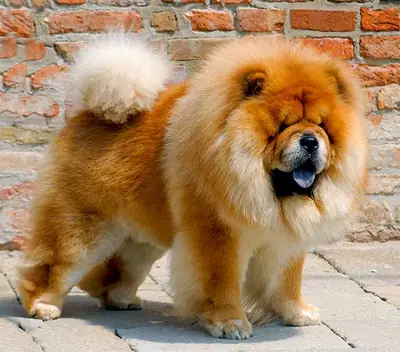
There's 1 Chow Chow listing live right now, last updated 25 Feb 2026. Browse Chow Chows for adoption... There's 1 Chow Chow listing live right now, last updated 25 Feb 2026. Browse Chow Chows for adoption in Stoke-on-Trent on Petopic and compare puppies, adults, rescue dogs and home-to-home rehoming lis... There's 1 Chow Chow listing live right now, last updated 25 Feb 2026. Browse Chow Chows for adoption in Stoke-on-Trent on Petopic and compare puppies, adults, rescue dogs and home-to-home rehoming listings with the detail this independent, thick-coated dog breed deserves; check each Chow Chow’s age, temperament, grooming routine, health history, microchip and vaccination records, lead manners, heat tolerance, experience with children, cats or other dogs, and whether your home, time, budget and handling confidence are truly suited to a loyal but reserved companion that needs calm structure rather than casual impulse adoption.
Haven't found the pet you're looking for? Let people who want to find a new home for their pet reach out to you.
Create your free pet adoption request listing now and be seen by thousands of pet owners.
Other listings in your area
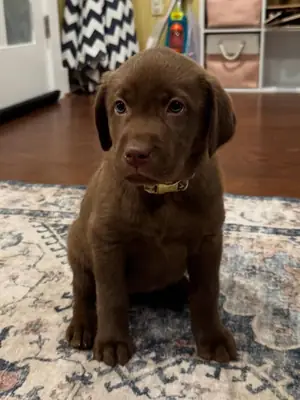
Labrador retriever for rehoming
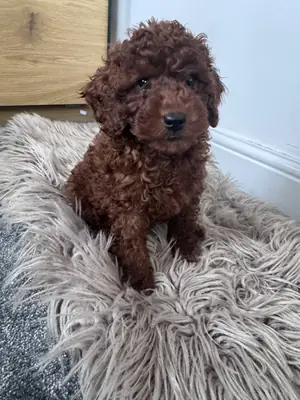
Red toy poodle boy
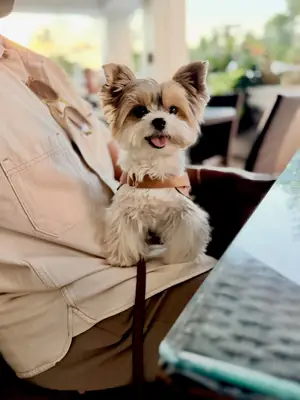
Yorkshire Terrier
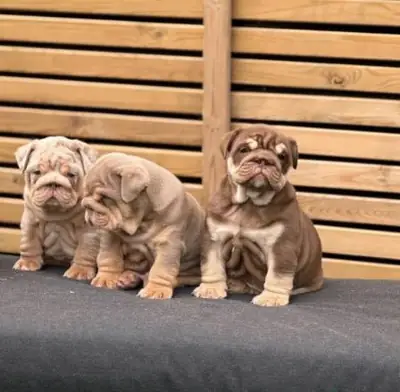
Amazing Litter Of French Bulldog Puppies
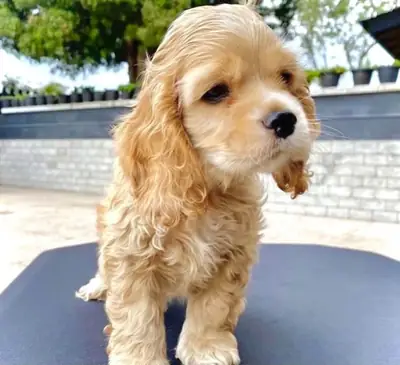
Adorable Cocker Spaniel dog waiting for a new home
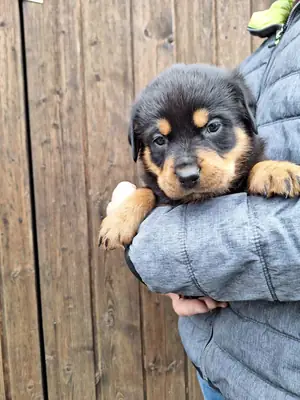
Gift male and female Rottweiler puppies
Popular Searches
Adopting a Chow Chow in Stoke-on-Trent
A Chow Chow is not the right dog for someone who only wants a fluffy, impressive-looking pet. This is a confident, often reserved dog that needs a calm home, patient handling and clear boundaries from the start.
When checking listings in Stoke-on-Trent, Hanley, Longton, Burslem, Tunstall, Fenton, Newcastle-under-Lyme or wider Staffordshire, look for real information: age, health, grooming, behaviour, previous home life, lead manners and why the dog is being rehomed. A pretty photo is not enough.
Chow Chow rehoming listings
A good rehoming listing should explain the dog honestly, not just say “lovely Chow needs a home”. You need to know how the dog reacts to strangers, visitors, other dogs, handling, grooming, food, toys and being left alone.
If the current keeper avoids behaviour details or rushes the adoption, slow down. Chow Chows can bond deeply with the right person, but a poor match can create stress for both the dog and the adopter.
Rescue Chow Chow or private adoption
A rescue dog may come with assessment notes, support and a clearer adoption process, while a private rehoming listing may offer more direct history from the current home. Both can work, but both need proper checks.
Ask why the dog is being placed for adoption, whether there are medical or behaviour issues, how the dog handles grooming, whether they have lived indoors and what type of adopter would be unsuitable. The weak approach is assuming every rehome is simple.
Puppy or adult Chow Chow
A puppy may seem easier to shape, but a Chow Chow puppy still needs early socialisation, grooming tolerance, toilet training, lead work, bite control and calm exposure to people, traffic, vets and household sounds.
An adult dog can be more predictable because their temperament, confidence, tolerance of handling and home habits are already visible. For many adopters, a well-described adult Chow is a better decision than a puppy chosen because it looks like a teddy bear.
Reserved temperament and trust
Chow Chows are often loyal to their own people but may be distant with strangers. That does not make them bad dogs, but it means they should not be forced into constant touching, crowded greetings or chaotic introductions.
Before adoption, ask how the dog behaves with guests, delivery drivers, vets, groomers and unfamiliar people on walks. A reserved dog needs respect and structure, not a home that treats every dog like an instant social butterfly.
Grooming and coat care
The coat is a major commitment. Whether rough-coated or smoother-coated, this breed needs regular brushing, skin checks and a home that can keep up with shedding, matting risk and grooming sessions.
Ask whether the dog accepts brushing, paw handling, bathing, drying and professional grooming. If the dog dislikes being handled, that must be known before adoption, not discovered when the coat is already matted.
Flat, house or garden living
A Chow Chow may live in a flat or a house if the routine is right, but the home must suit the individual dog. Noise, stairs, lifts, neighbours, shared entrances, heat control and quiet resting space all matter.
A garden can help, but it does not replace walks or human attention. The better question is not “do I have a garden?” but “can I give this dog a calm, predictable environment every day?”.
Heat, walks and daily routine
With a thick coat and sturdy build, this dog should not be pushed through long walks in warm weather. Exercise should be steady, sensible and matched to the dog’s age, weight and breathing comfort.
In Stoke-on-Trent, daily walks may be manageable in most seasons, but summer heat, humid days and overexertion still need attention. A good adopter plans shaded routes, water, rest and shorter outings when needed.
Children and family homes
A Chow Chow can live in a family home if the individual dog is suitable and the household understands boundaries. This is not a breed that should be treated like a toy or constantly hugged by children.
Ask whether the dog has lived with children, how they react to noise, running, toys, visitors and food being nearby. Children must learn not to disturb sleep, grab the coat, crowd the dog or approach the bowl.
Living with cats or other dogs
If there are already pets at home, the listing must be specific. Has the Chow lived with cats? Are they comfortable around small dogs? Do they guard food, space or toys? Are they calm on walks when other dogs pass?
Introductions should be slow and controlled. Separate spaces, scent exchange, short supervised meetings and calm exits are safer than forcing animals together and hoping they work it out.
Health records and microchip checks
Before adopting, ask for microchip details, vaccination history, flea and worming records, neutering status where relevant, vet history and any known skin, eye, joint, breathing or allergy concerns.
Health information is not a formality. A thick-coated, independent dog that dislikes handling can become difficult to treat if problems are hidden until after adoption.
Is this breed right for a first-time owner?
This is not the safest default choice for every first-time owner. A calm, informed beginner with time, patience and professional support may succeed, but someone expecting an instantly affectionate, easy-going dog may struggle.
The adopter should be comfortable with grooming, controlled socialisation, firm but fair rules and reading body language. If that sounds like too much work, choosing a different dog is the stronger decision.
First week after adoption
The first week should be quiet and predictable. Set up a resting area, water, feeding routine, short walking routes and clear house rules before the dog arrives.
Avoid forcing affection, inviting too many visitors or testing every situation immediately. Watch appetite, sleep, grooming tolerance, toileting, confidence, lead behaviour and reactions to household movement.
Posting a Chow Chow for adoption in Stoke-on-Trent
If you need to rehome a Chow Chow in Stoke-on-Trent, write the listing clearly: age, sex, health, microchip, vaccinations, temperament, grooming tolerance, walking habits, home routine and experience with children or other pets.
Do not hide difficult details. Reactivity, handling sensitivity, guarding, grooming problems, heat intolerance, anxiety or medical needs should be stated honestly. A smaller number of suitable enquiries is better than many weak matches.
Frequently Asked Questions
What should I check before adopting a Chow Chow in Stoke-on-Trent?
Check the dog’s age, temperament, grooming needs, health history, microchip details, vaccinations, lead behaviour, experience with children or pets and reason for rehoming.
For this breed, handling tolerance, coat care, stranger reactions and heat comfort are especially important. Do not decide from photographs alone.
Are Chow Chows good for first-time dog owners?
They are not the easiest first dog for everyone. Chow Chows can be loyal and calm, but they may also be independent, reserved and sensitive to poor handling.
A first-time adopter should be prepared to learn, set clear rules, manage grooming and avoid forcing the dog into uncomfortable social situations.
Can a Chow Chow live in a flat?
Some can live in a flat if they have a calm routine, regular walks, good temperature control and a quiet place to rest.
Shared entrances, stairs, lifts, neighbours, barking and visitor reactions should be considered before adoption.
Do Chow Chows need a lot of grooming?
Yes, especially rough-coated dogs. Regular brushing, skin checks and mat prevention are part of normal care.
Ask whether the dog accepts brushing, bathing, drying, paw handling and professional grooming. Handling issues should be known before adoption.
Are Chow Chows good with children?
Some can live well with respectful children, but the individual dog’s history matters. Ask whether the dog has lived with children and how they react to noise, running and close contact.
Children should not climb on the dog, pull the coat, disturb sleep or approach the food bowl. Calm boundaries are essential.
Can a Chow Chow live with cats or other dogs?
It depends on the dog’s experience and temperament. Ask whether they have lived with cats, small dogs or larger dogs and whether they guard food, toys or space.
Introductions should be slow, supervised and controlled. Do not put animals together immediately and expect them to sort it out.
Is a Chow Chow puppy easier than an adult dog?
Not automatically. A puppy needs early socialisation, grooming training, toilet training, lead work and calm exposure to normal life.
An adult dog may be easier to assess because their temperament, handling tolerance and home habits are already clearer.
What health records should come with an adopted Chow Chow?
Ask for microchip information, vaccination records, flea and worming history, neutering status where relevant and any veterinary notes about skin, eyes, joints, breathing or allergies.
Clear records help you continue care properly and avoid discovering important issues after the dog has already moved home.
How should I prepare for the first week?
Prepare a quiet resting area, water, feeding space, grooming tools, safe walking routes and simple household rules before the dog arrives.
Keep the first week calm. Avoid too many visitors, forced cuddling or overwhelming trips while the dog learns the new home.
What should I write when rehoming a Chow Chow in Stoke-on-Trent?
Write the dog’s age, sex, health, microchip, vaccinations, temperament, grooming tolerance, walking habits, home routine and experience with children or pets.
Be honest about handling sensitivity, guarding, reactivity, grooming difficulties, anxiety or medical needs. Clear information protects the dog and filters unsuitable homes.