Sunderland Australian Shepherd Adoption Listings
There's 1 Australian Shepherd listing live right now, last updated 26 Apr 2026. Find Australian Shep... There's 1 Australian Shepherd listing live right now, last updated 26 Apr 2026. Find Australian Shepherds for adoption in Sunderland on Petopic and review listings for active, intelligent dogs looking... There's 1 Australian Shepherd listing live right now, last updated 26 Apr 2026. Find Australian Shepherds for adoption in Sunderland on Petopic and review listings for active, intelligent dogs looking for a suitable home across Sunderland, Washington, Seaham, Houghton-le-Spring, South Shields, Durham and nearby Tyne and Wear areas. Before adopting an Australian Shepherd, check the dog’s age, temperament, exercise needs, training history, microchip status, vaccination record, neutering information, lead manners, recall, herding behaviour, separation tolerance, coat care, compatibility with children, cats or other dogs, and the reason for rehoming, because this breed is best matched with owners who can offer structure, daily activity, mental stimulation and a long-term routine rather than only affection and good intentions.

Haven't found the pet you're looking for? Let people who want to find a new home for their pet reach out to you.
Create your free pet adoption request listing now and be seen by thousands of pet owners.
Other listings in your area

golden retriever puppies

Mini Dachshund puppy

Chihuahua puppy ready for a new home

Cocker Spaniel
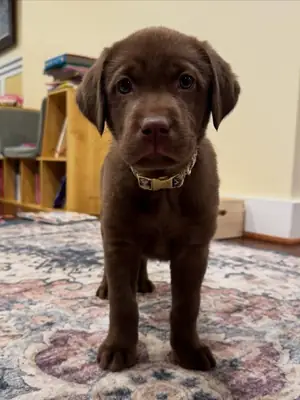
Cute Labrador retriever dog

Golden Retriever
Popular Searches
Australian Shepherds for adoption in Sunderland
Anyone looking for an Australian Shepherd in Sunderland should focus on the dog’s daily needs before falling for the photo. This is a clever, active herding breed that usually needs more than a short walk and a sofa to stay settled.
A useful Petopic listing should explain the dog’s age, energy level, training, behaviour indoors, lead manners, recall, reactions to traffic, children, cats and other dogs, plus why the dog needs a new home. Without those details, the adoption decision is weak.
Is an Australian Shepherd right for your home?
This breed can be loyal, playful and highly trainable, but it is not a low-effort dog. It suits people who enjoy training, long walks, games, problem-solving and a clear daily routine.
If the dog is left bored, under-exercised or without boundaries, problems can appear quickly: barking, pacing, chewing, jumping, chasing movement or becoming difficult to switch off. A good match is built on lifestyle, not just liking the breed.
Puppy or adult Australian Shepherd?
An Australian Shepherd puppy can be exciting, but it needs careful socialisation, toilet training, bite control, calmness training and safe exposure to people, dogs, traffic and busy streets. A cute puppy with no structure can become a difficult adolescent.
An adult dog may be easier to assess because its personality, energy level, triggers, lead behaviour and home habits are already more visible. For many Sunderland homes, a well-described adult can be a smarter choice than a puppy chosen on impulse.
Exercise and mental stimulation
Australian Shepherds usually need both physical activity and brain work. Walks help, but they are often not enough on their own. Training games, scent work, puzzle feeding, recall practice and calm focus exercises can make a real difference.
The listing should say what the dog currently does each day: walk length, off-lead reliability, games, training level and whether the dog settles after activity. “Energetic” is too vague; adopters need to know what that looks like in real life.
Herding behaviour in everyday life
Some Australian Shepherds may chase movement, circle people, nip at heels, stalk bikes, react to runners or become fixated on children playing. These behaviours are not “badness”; they are often unmanaged instincts needing training and redirection.
A strong listing should mention whether the dog chases cars, bikes, joggers, cats, children or livestock. In a city environment, this matters more than colour or coat pattern.
Blue merle and coat colour interest
Many people search for blue merle Australian Shepherds, red merle dogs or striking eye colours, but appearance should never lead the decision. Coat colour does not tell you whether the dog can cope with your home, routine or experience level.
Good adoption content should still include coat details because users look for them, but the real decision points are health, behaviour, training, temperament and daily management. Choosing only by looks is how bad matches happen.
Microchip, vaccination and ownership transfer
Before adopting a dog in the UK, the microchip status and keeper details must be handled properly. The adopter should know whether the dog is chipped, which database is used and how the details will be updated after transfer.
The listing should also mention vaccinations, flea and worm treatment, neutering status, veterinary history and any ongoing medication. “Healthy” is not enough; adopters need clear, checkable information.
Can this breed live in a flat?
An Australian Shepherd can live in a flat only if the routine is strong enough. The bigger issue is not square footage; it is whether the dog gets exercise, training, enrichment, rest and enough calm structure.
Listings should explain whether the dog has lived in a flat, reacts to hallway noise, barks at neighbours, settles when left alone and copes with lifts, stairs or busy pavements. Sunderland city life can work, but not by accident.
Compatibility with children
This breed can be affectionate with families, but children running, shouting or playing fast games may trigger excitement or herding behaviour in some dogs. That must be assessed honestly before adoption.
The listing should say whether the dog has lived with children, how it reacts to noise, whether it jumps up, mouths hands, guards toys or becomes overstimulated. A family-friendly dog still needs adult management and clear rules.
Living with cats or other dogs
If there is already a cat or dog at home, the Australian Shepherd’s history matters. Has it lived with cats? Does it chase small animals? Does it play too intensely? Does it guard food, toys or space?
Introductions should be gradual, controlled and supervised. A good adoption listing should not simply say “good with pets”; it should describe what has actually been observed.
Lead walking and recall around Sunderland
For an active breed, lead manners and recall are major adoption details. Sunderland parks, beaches, riverside paths and busy streets can expose the dog to cyclists, joggers, other dogs and traffic.
The listing should say whether the dog pulls, lunges, chases, comes back when called, can walk past dogs calmly or needs a quieter walking route. These details help adopters avoid surprises after the dog arrives.
Separation tolerance and being left alone
Australian Shepherds often bond closely with their people. Some cope well for short periods, while others may bark, pace, chew, scratch doors or become anxious when left alone.
A serious listing should state how long the dog currently stays alone, whether it is crate-trained, whether it settles after exercise and whether it has shown destructive behaviour. This is a decision-making detail, not a small extra.
Why the dog is being rehomed
The reason for rehoming must be clear. A change in work schedule, family circumstances, housing, lack of time, behavioural difficulty or incompatibility with another pet all mean different things for the next owner.
Hiding the reason helps nobody. If the dog struggles with visitors, barking, chasing, guarding, anxiety or overexcitement, the listing should say so. The right adopter can only decide with honest information.
Sunderland and nearby adoption areas
Listings may appear around Sunderland, Washington, Houghton-le-Spring, Seaham, South Shields, Gateshead, Durham, Chester-le-Street or Newcastle. Being nearby is useful, but it should not be the main reason to adopt.
The better question is whether the dog fits your home, schedule, experience and activity level. A close listing with poor information is weaker than a slightly further listing with full behaviour and health details.
Questions to ask before meeting the dog
Ask about age, health, microchip, vaccinations, neutering, daily routine, exercise, recall, lead walking, training, barking, chewing, car travel, grooming, children, cats, other dogs and why the dog is being rehomed.
Also ask what kind of home would not suit the dog. A responsible rehoming conversation should be as honest about limits as it is about positives.
Who should not adopt this breed?
This breed is a poor match for someone who wants a low-maintenance dog, dislikes training, works long hours away from home, cannot manage daily activity or only wants a beautiful merle coat.
If the household cannot provide structure, patience, exercise and mental work, the adoption is not solid. Liking the breed is not the same as being ready for the breed.
Frequently Asked Questions
What should I check before adopting an Australian Shepherd in Sunderland?
Check the dog’s age, health, microchip, vaccinations, neutering status, training, exercise needs, lead manners, recall, behaviour with children, cats and other dogs, and the reason for rehoming.
For this breed, daily routine and mental stimulation are just as important as affection.
Are Australian Shepherds good for first-time owners?
They can be challenging for first-time owners because they are intelligent, active and often need consistent training and enrichment.
A first-time adopter should be ready to learn, build routines and get professional help if behaviour issues appear.
Can an Australian Shepherd live in a flat?
It can work for some dogs if the owner provides enough exercise, training, enrichment and calm rest time.
The listing should explain whether the dog has lived in a flat, barks at noise, copes with being alone and settles indoors.
How much exercise does this breed need?
Australian Shepherds usually need regular daily exercise plus mental work such as training, games, scent work or puzzle feeding.
The exact amount depends on age, health, temperament and training level, but a quick walk is usually not enough for many dogs of this breed.
Are Australian Shepherds good with children?
Some are excellent with children, but others may become overexcited by running, shouting or fast movement.
Before adoption, ask whether the dog has lived with children, whether it jumps up, mouths hands or tries to herd people.
Can this breed live with cats?
It depends on the individual dog. Some can live with cats, while others may chase them because of movement or herding instinct.
Introductions should be slow, supervised and set up with safe spaces for the cat.
Why is recall important for an Australian Shepherd?
Recall matters because active dogs may chase movement, wildlife, bikes or other dogs if not trained properly.
Ask whether the dog comes back reliably, needs a long line or should only be exercised in secure areas.
What health information should be listed?
The listing should mention vaccinations, flea and worm treatment, microchip, neutering, any medication, allergies, previous injuries and recent veterinary checks.
If health information is vague, ask for clarification before arranging adoption.
Is microchip transfer important when adopting?
Yes. The dog should be microchipped and the keeper details should be updated after transfer.
Ask which database the chip is registered with and how the change of keeper will be completed.
What should I ask the current keeper?
Ask about daily routine, exercise, training, barking, chewing, separation tolerance, lead walking, recall, grooming, travel, health and behaviour around visitors.
Also ask why the dog is being rehomed and what type of home would not be suitable.
What is the first week like after adoption?
The first week should be calm and structured. Keep routines simple, avoid too many visitors, use short predictable walks and give the dog time to settle.
Watch appetite, sleep, toileting, barking, stress signals and reactions to the new environment.
What is the biggest mistake when adopting this breed?
The biggest mistake is choosing an Australian Shepherd for looks while underestimating the exercise, training, enrichment and routine it may need.
A strong adoption decision starts with whether your lifestyle fits the dog, not whether the dog looks impressive.