York Kai Ken Adoption Listings
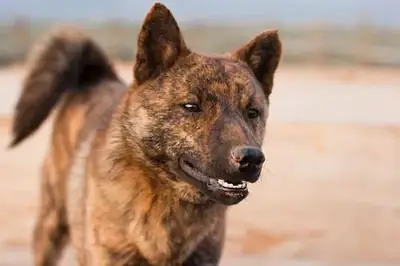
There's 1 Kai Ken listing live right now, last updated 24 Apr 2026. Find Kai Ken dogs for adoption i... There's 1 Kai Ken listing live right now, last updated 24 Apr 2026. Find Kai Ken dogs for adoption in York and compare genuine rehoming listings for this rare Japanese hunting dog before you contact a... There's 1 Kai Ken listing live right now, last updated 24 Apr 2026. Find Kai Ken dogs for adoption in York and compare genuine rehoming listings for this rare Japanese hunting dog before you contact anyone. The Kai Ken is a medium-sized, intelligent and loyal dog known for its brindle “tiger” coat, independent thinking and strong bond with its family, but it is not a casual choice for every home; it needs patient handling, early socialisation, secure walks, mental work and an owner who understands prey drive and rare spitz-type breeds. On Petopic, you can review Kai Ken adoption and rehoming notices across York, Acomb, Fulford, Haxby, Huntington, Bishopthorpe, Clifton, Rawcliffe and nearby North Yorkshire areas by checking the dog’s age, temperament, microchip status, health history, recall, lead manners, coat care, confidence with strangers and suitability for your real daily routine.
Haven't found the pet you're looking for? Let people who want to find a new home for their pet reach out to you.
Create your free pet adoption request listing now and be seen by thousands of pet owners.
Other listings in your area

🐶💕 Sweet Maltipoo looking for a loving new home!
Elegant Scottish Deerhound “Ragnar” – Looking for a Forever Home

Cocker Spaniel dog
Adult brown Poodle male seeking a stable family
Pomeranian puppies
Pet Home Farewell
Popular Searches
Kai Ken for adoption in York
Kai Ken for adoption in York is a rare and specific search, so the listing needs to do more than show a striking brindle dog. The Kai Ken is a Japanese dog with hunting background, intelligence, loyalty and a strong independent streak. It can form a deep bond with its family, but it is not the right dog for someone who wants an easy, endlessly obedient pet.
When browsing Kai Ken adoption listings, look for age, temperament, microchip details, health history, recall, lead manners, socialisation, prey drive and how the dog behaves around strangers, children, cats and other dogs. A strong listing tells you how the dog actually lives, not just what the breed looks like.
Adopt a Kai Ken in York
To adopt a Kai Ken in York, start by checking whether your lifestyle can handle a clever, alert and active Japanese dog. This breed usually needs calm training, secure outdoor time, mental challenges and steady social exposure. If the home is chaotic, inconsistent or too casual with recall, the match can fail quickly.
A useful adoption listing should explain whether the Kai Ken has lived in a house, flat, rural setting or family home, how it reacts to visitors, traffic, livestock, cyclists, dogs and small animals. In York and nearby North Yorkshire areas, safe walking habits matter because a dog with prey drive can move fast when something triggers it.
Kai Ken rehoming York
Kai Ken rehoming in York should come with a clear reason. Rare breeds are sometimes rehomed because the original home underestimated exercise, independence, prey drive, socialisation needs or the difficulty of finding breed-aware support. That reason should be stated honestly in the listing.
Before responding, check whether the dog has any anxiety, escape attempts, fear of strangers, guarding behaviour, dog reactivity or chase behaviour around cats and wildlife. A rehoming notice that hides these details is weak. A proper one helps the next owner decide with their eyes open.
Kai Ken rescue UK
Kai Ken rescue UK searches usually come from people who already know this is not a common dog. That rarity makes careful checking even more important. A rescue-style listing should explain the dog’s current assessment, confidence level, handling, health, previous home and the kind of adopter required.
For a rescued Kai Ken, the most useful details are not fancy breed words. You need to know whether the dog trusts people, walks safely on lead, settles indoors, copes with being left, reacts to dogs, chases small animals and needs a quiet adult home or an experienced active owner.
Japanese Kai dog for adoption
Some people search “Japanese Kai dog” instead of Kai Ken. The intent is the same: a rare Japanese breed with a natural, athletic build, alert mind and strong family attachment. The name should not distract from the practical adoption checks that decide whether the dog can live safely in your home.
A serious Japanese Kai dog listing should mention background, size, coat, confidence, prey drive, recall, microchip status, vaccination record and daily routine. If the advert only says “rare Japanese dog” or “tiger dog” without behaviour and health details, it is not giving enough information.
Tora Inu for adoption York
Tora Inu is a name some searchers use because of the Kai Ken’s brindle, tiger-like coat. That coat is distinctive, but colour should never lead the adoption decision. The real question is whether the dog is stable, socialised, healthy and suited to the home being offered.
When checking a Tora Inu or Kai Ken listing around York, look for clear photos, honest breed information, age, weight, temperament, recall, lead control and behaviour around small animals. A beautiful brindle coat does not tell you whether the dog can cope with your household.
Kai Ken puppies for adoption York
Kai Ken puppies for adoption in York need serious preparation. A puppy may look manageable at first, but this breed grows into a quick, intelligent and independent dog that needs early socialisation, recall work, calm handling, safe exposure to people, dogs, traffic and everyday city life.
A puppy listing should include age, microchip information, vaccination plan, parent background if known, early environment, feeding routine, handling experience and the kind of home expected. If the listing only pushes rarity or coat colour, it is selling the wrong part of the dog.
Adult Kai Ken for adoption York
An adult Kai Ken for adoption can be easier to assess than a puppy because the dog’s confidence, prey drive, independence and home behaviour are already visible. You can ask whether it is calm indoors, alert outside, wary of strangers, bonded to one person or comfortable with different handlers.
The listing should explain what the dog already knows, how it walks on lead, how it reacts to cats, wildlife, other dogs and visitors, and whether it settles when left alone. With a rare Japanese breed, adult behaviour notes are worth more than vague breed praise.
Kai Ken for active homes in North Yorkshire
A Kai Ken can suit an active North Yorkshire home if the owner enjoys structured walks, training, mental work and controlled outdoor time. This does not mean endless chaos or uncontrolled freedom; it means giving the dog a job for its brain and body without putting it in risky situations.
Listings for active homes should mention daily exercise, recall, long-line training, secure fields, lead manners, car travel and behaviour around livestock. Near York, countryside access is useful, but only if the dog can be managed safely around sheep, horses, wildlife and other walkers.
Kai Ken and cats adoption
Kai Ken and cats should never be treated as a guess. Because the breed has hunting background and can react strongly to movement, some Kai Kens may not be safe with cats or small pets unless they have been carefully raised and tested around them.
A strong listing should say whether the dog has lived with cats, whether it chases wildlife, how it reacts to small dogs and what control the current carer has in distracting situations. “Good dog” is not enough; compatibility with small animals needs specific evidence.
Kai Ken for flats in York
A Kai Ken may live in a flat only if the individual dog is calm indoors, well exercised, mentally satisfied and not stressed by noise, visitors or limited space. This is not a breed to trap in a small home with no structure, no training and no safe outlet.
If a listing claims the dog is suitable for flat life, it should prove it with real history: how long it can be left, whether it barks, whether it settles after walks, how it reacts to stairs, hallways, traffic and neighbours. Home suitability must be based on behaviour, not wishful thinking.
Kai Ken microchip and adoption checks UK
Before adopting a Kai Ken in the UK, microchip and keeper details must be checked properly. The listing should explain whether the dog is microchipped, whether the database details can be updated, whether vaccination records exist and who currently has legal responsibility for the dog.
For a rare breed, vague paperwork is a red flag. Ask for health history, vet information, clear photos, behaviour notes, adoption terms and any previous ownership details. A safe adoption process makes the dog’s background clearer, not more confusing.
Frequently Asked Questions
What should I check before adopting a Kai Ken in York?
Before adopting a Kai Ken in York, check the dog’s age, temperament, microchip status, vaccination history, previous home environment, health background, lead manners, recall, prey drive and behaviour around strangers, children, cats and other dogs.
You should also ask why the dog is being rehomed, whether it has shown anxiety, escape attempts, reactivity, guarding or strong chase behaviour. A good listing should give enough detail to judge whether your home is genuinely suitable before you arrange a meeting.
Is a Kai Ken suitable for first-time dog owners?
A Kai Ken is usually better suited to owners who understand independent, active and intelligent dogs. It is not impossible for a committed first-time owner, but it is a poor match for someone who wants a low-effort dog with easy recall and no training demands.
The right owner should be ready for socialisation, secure walks, calm training, mental stimulation and realistic management around small animals. If the adoption listing does not explain the experience level required, it is missing important information.
Can a Kai Ken live in a flat or small home?
A Kai Ken may live in a flat or small home if the individual dog is calm indoors, well exercised, mentally stimulated and not stressed by noise or limited space. Size alone does not decide suitability.
Before adoption, ask whether the dog has lived in a flat before, how it behaves when left alone, whether it barks, how it settles after walks and how it reacts to neighbours, stairs, hallways and traffic. The listing should prove the fit through real behaviour notes.
Does a Kai Ken have strong prey drive?
Many Kai Kens can have strong prey drive because of their hunting background. Movement from cats, wildlife, birds, rabbits, livestock or small dogs may trigger intense focus or chasing if the dog has not been carefully managed.
The listing should explain recall, lead control, chase history and behaviour around small animals. If there is no information about prey drive, ask directly before considering the dog for a home with cats or small pets.
Is a Kai Ken puppy easier to adopt than an adult Kai Ken?
A Kai Ken puppy may adapt early to your home, but the work is heavy: toilet training, socialisation, recall, lead manners, handling, alone-time training and safe exposure to the world all need consistency from the start.
An adult Kai Ken can be easier to assess because temperament, confidence, prey drive and home habits are already visible. The better choice depends on your experience, schedule, property and ability to manage the dog responsibly.
Are Kai Kens good family dogs?
Kai Kens can be loyal and affectionate with their own family, but they are not automatically suited to every household. Their independence, alertness and possible wariness around strangers mean children, visitors and other pets must be considered carefully.
Before adoption, ask whether the dog has lived with children, how it reacts to noise, rough play, guests, food handling and other dogs. If the dog needs a quieter or more experienced home, that is not a flaw; it is important matching information.
How much exercise does a Kai Ken need?
A Kai Ken usually needs regular exercise, safe outdoor time and mental work. This breed is athletic and intelligent, so a short walk with no training or enrichment may not be enough for many individuals.
Before adopting, ask about the dog’s current routine, recall, lead walking, long-line use, car travel, reaction to livestock and how it settles after activity. The right amount of exercise should make the dog calmer, not more overstimulated.
What health and document checks matter when adopting a Kai Ken?
Important checks include microchip information, keeper details, vaccination record, parasite treatment, vet history, weight, mobility, coat condition, neutering status if relevant and any previous injuries, medication needs or behaviour incidents.
If the current keeper cannot explain basic health, ownership and behaviour history, slow down. A responsible rehoming process should make the dog’s background transparent before handover.