York Scottish Deerhound Adoption Listings
There's 1 Scottish Deerhound listing live right now, last updated 6 Mar 2026. Find Scottish Deerhoun... There's 1 Scottish Deerhound listing live right now, last updated 6 Mar 2026. Find Scottish Deerhounds for adoption in York and review listings for puppies, adults, seniors, rescue dogs and gentle sig... There's 1 Scottish Deerhound listing live right now, last updated 6 Mar 2026. Find Scottish Deerhounds for adoption in York and review listings for puppies, adults, seniors, rescue dogs and gentle sighthounds looking for a suitable new home across areas such as Acomb, Holgate, Clifton, Heworth, Fulford, Bishopthorpe, Dringhouses, Poppleton and nearby parts of North Yorkshire. On Petopic, you can look beyond the breed’s quiet elegance and compare each dog’s age, size, temperament, health notes, microchip status, vaccinations, neutering, heart and joint history, lead manners, recall, prey drive, grooming needs, garden safety, ability to live with children, cats or other dogs, settling-in requirements and adoption conditions before choosing a Scottish Deerhound that genuinely fits your home, routine and long-term care capacity.
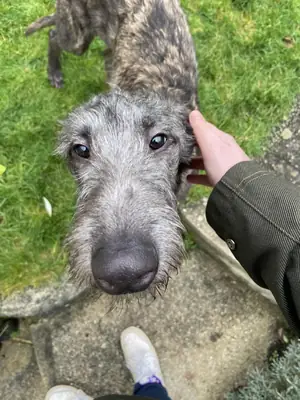
Haven't found the pet you're looking for? Let people who want to find a new home for their pet reach out to you.
Create your free pet adoption request listing now and be seen by thousands of pet owners.
Quick Information
Other listings in your area
Bulldog Puppies for Adoption
Labrador retriever for adoption
Pet Home Farewell
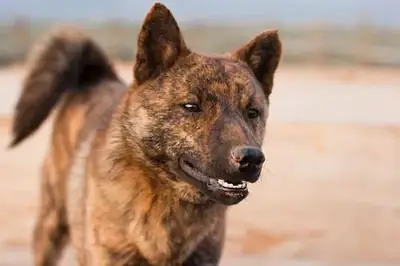
Rare Kai Ken Dog for Adoption
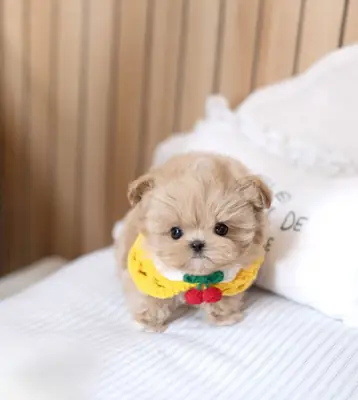
🐶💕 Sweet Maltipoo looking for a loving new home!
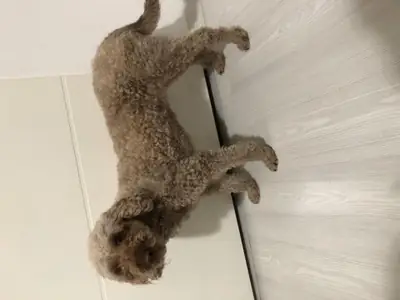
Adult brown Poodle male seeking a stable family
Popular Searches
Scottish Deerhound adoption in York
Adopting a Scottish Deerhound in York is not the same as choosing an ordinary large dog. This is a tall, sensitive sighthound with a calm house manner in the right home, but also a strong need to stretch out, move freely in safe areas and live with people who understand prey drive.
A useful listing should explain the dog’s age, height, weight, health background, lead behaviour, recall, reaction to small animals, comfort around traffic, grooming tolerance and previous home life. A simple “gentle giant” description is too thin for this breed.
Adopt a Scottish Deerhound in York
People searching to adopt this breed usually want a quiet, elegant, affectionate companion, but the practical side matters more than the romantic image. A Deerhound needs space, careful handling, safe exercise, routine vet care and a home that can manage a very large dog without turning it into a garden ornament.
Before enquiring, check whether the dog can settle indoors, walk calmly on lead, cope with visitors, travel in a car, handle stairs and live safely around smaller pets. The right match is built on behaviour and health details, not a beautiful profile photo.
Scottish Deerhounds for adoption York
Scottish Deerhounds for adoption may come from rescue, private rehoming, family changes, owner illness, housing issues or homes that underestimated the realities of a large sighthound. Each profile should explain the actual reason for rehoming.
The best listings describe daily life clearly: whether the dog is calm indoors, nervous outdoors, strong on lead, sociable with other dogs, reactive to cats, comfortable with grooming or unsettled when left. That is the information adopters need before arranging a meeting.
Scottish Deerhound rescue York
A rescue Deerhound may need patience, soft handling and a calm settling-in plan. Some dogs adjust quickly; others may be confused by a new house, new walking routes, traffic noise or unfamiliar people.
A strong rescue listing should mention what has been observed in foster or kennels: appetite, sleep, house training, confidence, handling, lead manners, reaction to dogs, prey drive and the sort of home likely to help the dog relax.
Scottish Deerhound rehoming York
Rehoming this breed should be honest from the start. If the dog is being moved because of size, prey drive, poor recall, illness, cost, moving home, another pet conflict or lack of suitable space, that reason should be written clearly.
Hiding the difficult part may bring more enquiries, but it increases the chance of another failed home. A responsible profile explains what has worked, what has not, and what kind of adopter would genuinely suit the dog next.
Scottish Deerhound puppy adoption York
A Deerhound puppy grows into a very large dog, so the cute stage is not the real commitment. Early socialisation, careful exercise, house training, lead foundations, calm handling, car travel and safe exposure to everyday life matter from the beginning.
A puppy listing should include age, microchip details, vaccinations, worming, diet, early experiences, parent health information where available and whether the puppy is ready to leave. A weak listing that only says “rare puppy available” is not enough.
Adult Scottish Deerhound adoption
An adult Deerhound can be a better fit for adopters who want a clearer picture of size, energy, confidence and temperament. With an adult dog, it is easier to see whether they are calm, sensitive, independent, affectionate, nervous or difficult to manage on lead.
The listing should describe previous home life, walking routine, recall, health checks, grooming tolerance, car travel, stairs, sleep habits and how the dog reacts to small animals. Adult adoption works best when the profile is specific.
Senior Scottish Deerhound for adoption
A senior Deerhound may suit a quieter home that wants a gentle companion rather than a high-intensity young dog. Older dogs can be deeply rewarding, but mobility, heart health, comfort, weight and vet care must be taken seriously.
The advert should mention walking ability, stairs, stiffness, appetite, medication, sleep, toileting, grooming and whether the dog needs a calm single-storey home. Age should not make the dog invisible, but the adopter needs the full picture.
Deerhound adoption near York
Searching near York can include surrounding areas of North Yorkshire, but distance should not be the main deciding factor. A closer dog with poor information is weaker than a slightly further listing that explains health, behaviour and home needs properly.
For a rare breed, the right match may require patience. It is better to wait for a dog whose needs fit your home than to rush into an adoption because the breed name appeared nearby.
Large sighthound adoption York
A Scottish Deerhound is a large sighthound, so the adoption profile should cover speed, chase instinct, recall, safe exercise and reactions to cats, rabbits, small dogs and wildlife. These points are not optional details.
A dog may be calm on the sofa and still bolt after movement outdoors. The listing should make that clear so adopters can plan secure spaces, lead routines and safe introductions instead of learning the hard way.
Scottish Deerhound for family home
This breed can be gentle in a family setting, but each dog must be assessed as an individual. Size alone means an affectionate dog can accidentally knock over small children, crowd visitors or become hard to move if it refuses something.
A good listing should say whether the dog has lived with children, how it reacts to noise, toys, food, running, visitors and physical handling. “Good with kids” is too weak unless it is backed by real experience.
Scottish Deerhound good with other dogs
Some Deerhounds are calm around other dogs, some are playful, and some are selective or awkward because of size and speed. Compatibility should be described through real observations, not a single broad label.
The listing should explain whether the dog has lived with another dog, how they greet on walks, whether they play too roughly and whether introductions need to be slow. A very large dog can overwhelm smaller or nervous dogs even without bad intent.
Scottish Deerhound good with cats
Cat compatibility must be treated carefully with a sighthound. A dog that has lived calmly with cats is very different from one that has never been tested or chases small animals outside.
The advert should say whether the dog ignores cats, stares, chases, becomes excited or can be redirected. Without real evidence, the safer assumption is that introductions must be slow, supervised and managed behind barriers at first.
Scottish Deerhound secure garden
A secure garden can be important for this breed because they need room to stretch and may react quickly to movement. Low fences, weak gates and shared access areas should be taken seriously.
The listing should mention whether the dog respects fences, tries to jump, digs, chases wildlife or needs lead-only exercise. A garden is useful only if it is genuinely safe for a tall, athletic sighthound.
Scottish Deerhound in a flat
A flat is not automatically impossible, but it is rarely the easiest setup. Stairs, lifts, narrow corridors, neighbours, indoor space, car access and safe exercise routes all matter more with a dog this size.
The listing should say whether the dog has lived in a flat, can manage stairs, settles indoors, barks at hallway noise and has nearby secure exercise options. The issue is not only floor space; it is daily practicality.
Scottish Deerhound exercise needs
A Deerhound needs enough activity to stay fit, but exercise should be planned around age, joints, fitness and safety. Young dogs should not be pushed like adults, and older dogs may need gentler routines.
The advert should describe current walks, stamina, lead manners, recall, off-lead reliability and whether the dog has access to secure running space. “Needs exercise” is not detailed enough for a breed that can move very fast when motivated.
Scottish Deerhound prey drive
Prey drive is one of the most important topics for this breed. The listing should explain how the dog reacts to cats, squirrels, rabbits, birds, small dogs, cyclists and runners.
If recall is unreliable around movement, that must be said clearly. A Deerhound can look relaxed one second and chase the next, so adopters need realistic information before planning off-lead time.
Scottish Deerhound grooming needs
The rough coat is not high-maintenance compared with some long-coated breeds, but it still needs regular brushing, checks for debris, nail care and comfort with handling.
A good listing should say whether the dog accepts brushing, ear checks, paw handling, bathing and drying after wet walks. York weather can mean mud and damp coats, so grooming tolerance is a real adoption detail.
Scottish Deerhound health checks
Health information should be central in a Deerhound listing. Heart checks, bloat awareness, joint comfort, weight, mobility, previous injuries, anaesthetic history, appetite and medication should all be discussed where known.
The advert should mention microchip, vaccinations, neutering status, flea and worm treatment, recent vet visits and any ongoing care. “Healthy” is too vague unless it is supported by actual details.
Scottish Deerhound bloat risk
Deep-chested large breeds can be at risk of bloat, so adopters should understand feeding routines, rest around meals and the need for urgent veterinary care if symptoms appear.
The listing can help by explaining diet, meal frequency, previous digestive issues and whether the dog eats too fast. This is not a scare point; it is practical information for responsible ownership.
Scottish Deerhound heart health
Heart health matters in this breed, especially for adult and senior dogs. Exercise intolerance, coughing, fainting, unusual tiredness or breathing changes should not be ignored.
If the dog has had vet checks, heart screening or medication, the listing should mention it. If there is no history available, adopters should still ask what has been observed in daily life.
Post a Scottish Deerhound adoption listing in York
When posting a Scottish Deerhound adoption listing in York, write for the right home, not for maximum messages. Include age, sex, size, temperament, health, microchip, vaccinations, neutering, lead behaviour, recall, prey drive, grooming tolerance, exercise routine and reason for rehoming.
Do not hide difficult details such as poor recall, chasing cats, anxiety, stiffness, heart concerns, bloat history, dislike of grooming, problems with stairs or uncertainty around children. Honest profiles protect the dog from another failed move.
Frequently Asked Questions
How do I adopt a Scottish Deerhound in York?
Start by reading the full profile and checking age, size, temperament, health notes, microchip status, vaccinations, neutering, lead manners, recall, prey drive, grooming needs and the type of home required.
Then contact the person or organisation responsible and ask practical questions about daily routine, secure exercise, children, other pets, stairs, travel and settling-in needs.
Is a Scottish Deerhound suitable for a family home?
It can be, but the individual dog must be assessed. A Deerhound may be gentle and affectionate, but its size means behaviour around children, visitors, food and toys should be clearly understood.
The listing should say whether the dog has lived with children and how it reacts to noise, running, handling and busy rooms.
Can a Scottish Deerhound live with cats?
Only if there is clear evidence that the dog is safe around cats. As a sighthound, a Deerhound may react strongly to small animals and sudden movement.
If the dog has not lived with cats before, introductions should be slow, supervised and managed with barriers. A listing should never promise cat compatibility without real observation.
Does a Scottish Deerhound need a secure garden?
A secure garden is strongly useful because the breed is tall, fast and can chase movement. Fences, gates and shared access areas should be checked carefully.
The listing should mention whether the dog jumps, digs, chases wildlife, respects boundaries or needs lead-only exercise.
Can a Scottish Deerhound live in a flat?
Some can, but it depends on the dog, the building and the owner’s routine. Stairs, lifts, hallway noise, indoor space and access to safe exercise all matter.
The profile should explain whether the dog has lived in a flat before, whether it settles indoors and whether it can manage stairs comfortably.
How much exercise does a Scottish Deerhound need?
Exercise needs depend on age, fitness and health. Adults need regular activity and safe chances to stretch, while puppies and seniors need gentler planning.
A good adoption profile should describe current walks, lead behaviour, recall, stamina and whether the dog has access to a secure place for free movement.
What health issues should I ask about?
Ask about heart health, bloat history, joint comfort, mobility, weight, previous injuries, vet checks, medication, vaccinations, microchip, neutering and any ongoing treatment.
For adults and seniors, also ask about tiredness, coughing, stiffness, trouble rising, appetite changes and tolerance for stairs or longer walks.
Is a Scottish Deerhound good for first-time dog owners?
It can be challenging for first-time owners because of size, speed, prey drive and the need for secure exercise. A calm temperament does not remove the need for careful handling.
A first-time adopter should choose a well-assessed dog with clear behaviour notes and be ready to ask for support with recall, lead work and settling-in.
How much grooming does a Scottish Deerhound need?
The rough coat needs regular brushing, checks for debris, nail care and basic ear and paw handling. It is not decorative maintenance; it affects comfort and cleanliness.
The listing should say whether the dog accepts brushing, drying after wet walks, paw handling and routine grooming.
How should I write a Scottish Deerhound adoption listing?
Include age, sex, size, temperament, health, microchip, vaccinations, neutering, heart and joint notes, lead behaviour, recall, prey drive, grooming tolerance, exercise routine and reason for rehoming.
Be honest about chasing, poor recall, anxiety, stiffness, bloat history, heart concerns, problems with stairs, dislike of grooming or uncertainty around children and small pets. Clear detail attracts better adopters.