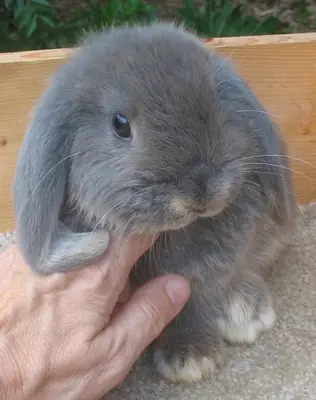
Do Pets Get Jealous?
Jealousy in pets is a behavioral condition that many owners wonder about and frequently encounter. Pets, just like humans, can show emotional reactions and experience feelings of jealousy.
What is Jealousy?
Jealousy is a behavior that occurs when pets do not want to share their owner's attention, love, or resources with another living being. This emotion is commonly seen, especially in dogs and cats.
Signs of Jealousy:
There are many signs that indicate your pet is experiencing jealousy:
- Aggressive Behaviors: Growling, hissing, or showing aggression when a new pet or person arrives
- Attention-Seeking Efforts: Jumping into owner's lap, constant meowing or barking
- Resource Guarding: Hiding or protecting toys, food, or bed from others
- Isolation: Withdrawing, leaving the room, or hiding behaviors
- Urine Marking: Especially in cats, urine marking when they notice a new being has arrived
- Destructive Behaviors: Chewing, scratching, or damaging items
Causes of Jealousy:
There can be many causes of jealousy in pets:
- New Pet: When a new cat or dog comes home, the existing pet may feel threatened
- New Baby or Child: When a new baby joins the family, the pet notices attention shifting elsewhere
- New Partner or Guest: When a new person enters the owner's life, the pet may perceive this change as a threat
- Routine Changes: Changes in feeding times, walking routines, or play times
- Territorial Behavior: Pets have an instinct to protect their space and owners
- Lack of Trust: Pets that have experienced abandonment or mistreatment in the past may be more sensitive
How to Manage Jealousy?
You can apply the following strategies to manage your pet's jealousy behaviors:
1. Equal Attention and Love:
Show equal amounts of attention and love to all your pets. Do not distinguish one from another.
- Set aside separate play time for each pet
- Distribute rewards and compliments equally
- Keep physical contact and displays of affection balanced
2. Slow Adaptation to New Situations:
When a new pet or person arrives, slowly introduce your existing pet.
- Make first introductions in a controlled environment
- Start with short-term interactions
- Create positive experiences (rewards, games)
- Don't force, be patient
3. Individual Space and Resources:
Each pet should have its own space, bed, toys, and food bowl.
- Provide separate food and water bowls
- Provide separate beds and toys for each
- Create safe spaces (boxes, beds, perches)
- Prevent resource competition
4. Routine and Consistency:
Regular routines increase pets' sense of security.
- Keep feeding times regular
- Plan walking and play times
- Maintain sleep routines
- Apply changes gradually
5. Positive Reinforcement:
Reward desired behaviors, ignore unwanted behaviors.
- Reward peaceful interactions
- Don't punish jealousy behaviors
- Show patience and consistency
- Get professional training support if needed
6. Socialization and Training:
Early socialization and training help prevent jealousy behaviors.
- Introduce to different people and animals during puppy/kitten period
- Provide basic obedience training
- Create positive experiences
- Build trust
Jealousy in Dogs:
Dogs develop strong bonds with their owners and therefore may show jealousy behaviors. They may exhibit barking, growling, attention-seeking efforts, and sometimes aggressive behaviors.
Jealousy in Cats:
Cats, although they appear more independent, can experience jealousy. They may show hissing, urine marking, hiding, and sometimes aggressive behaviors. Cats are particularly sensitive to changes in their routines.
When Should Professional Help Be Sought?
Help from a veterinarian or animal behavior specialist should be sought in the following situations:
- When aggressive behaviors reach serious levels
- In cases of physical harm
- When refusing to eat or drink
- When showing long-term depression symptoms
- When exhibiting self-harm behaviors
- In cases of running away from home or constant hiding
Conclusion:
Jealousy in pets is a natural and manageable behavior. With patience, understanding, and the right approaches, you can successfully manage this situation. Understanding and meeting your pet's emotional needs is the foundation of building a healthy relationship. If jealousy behaviors reach serious levels, definitely seek professional help.