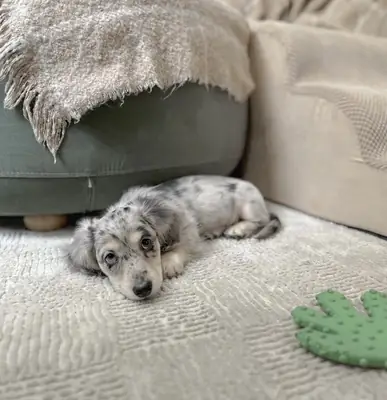
Is It Normal If Your Pet Wakes Up Screaming from Sleep?
Your pet waking up screaming from sleep is a situation that concerns many pet owners. To understand whether this behavior is normal, it is necessary to evaluate several important factors.
Is It Normal If Your Pet Wakes Up Screaming from Sleep?
Pets waking up screaming from sleep is usually a normal situation, but may require attention in some cases:
1. Dreaming and REM Sleep
Pets also dream like humans:
- REM Sleep: They dream during deep sleep
- Dream Content: They see activities like running, chasing, or hunting in their dreams
- Physical Reactions: They may make sounds like screaming, barking, or whining during dreams
- Normal Behavior: This is completely normal behavior
2. Nightmares
Pets can sometimes have nightmares:
- Fear: They may see scary scenarios in their dreams
- Screaming: They may wake up screaming during nightmares
- Quick Awakening: They may wake up suddenly due to fear
- Security: They need to calm down after waking up
3. Pain or Discomfort
In some cases, screaming may be caused by pain or discomfort:
- Physical Pain: Joint pain, muscle pain, or injury
- Internal Organ Problems: Stomach pain or other internal organ problems
- Discomfort: Discomfort caused by sleep position
- Veterinary Check: Veterinary check is needed in this case
4. Aging and Cognitive Changes
Cognitive changes may be seen in elderly pets:
- Cognitive Dysfunction: Cognitive dysfunction may develop with aging
- Confusion: They may experience confusion during sleep
- Orientation Problems: They may have difficulty understanding where they are after waking up
- Support: Special support may be needed for elderly pets
5. Stress and Anxiety
Stress and anxiety can cause sleep problems:
- Daily Stress: Stress factors in daily life
- Anxiety: Separation anxiety or general anxiety state
- Sleep Disorder: Stress can affect sleep quality
- Behavior Changes: Behavior changes may be seen during sleep
6. Neurological Problems
Rarely, neurological problems may cause waking up screaming:
- Seizure: Having a seizure during sleep
- Neurological Disorder: Brain or nervous system problems
- Sudden Movements: Sudden contractions or movements
- Veterinary Intervention: Emergency veterinary intervention is needed in this case
When Is It Normal, When Should We Worry?
Normal Situations:
- Occasional: If waking up screaming happens occasionally, it is normal
- Quick Calming: If it calms down quickly after waking up
- General Health Good: If general health condition is good
- Normal Behavior: If daily behaviors proceed normally
Worrying Situations:
- Frequent Repetition: If waking up screaming repeats frequently
- Cannot Calm Down: If it cannot calm down for a long time after waking up
- Other Symptoms: If there are other symptoms like pain, loss of appetite, weakness
- Behavior Changes: If there are changes in daily behaviors
- Seizure: If there are situations like seizure or contraction
How Can We Help?
To help your pet:
- Calm Approach: Show a calm and soothing approach when it wakes up
- Security: Make it feel safe
- Comforting: Comfort it by gently petting or talking
- Sleep Environment: Provide a comfortable and safe sleep environment
- Routine: Create a regular sleep routine
- Stress Reduction: Reduce daily stress factors
- Veterinary Check: Have a veterinary check in worrying situations
When Is Veterinary Care Needed?
Be sure to have a veterinary check in these situations:
- Frequent Repetition: If waking up screaming repeats frequently
- Physical Symptoms: If there are physical symptoms like pain, swelling, injury
- Seizure: If there are seizure or contraction situations
- Behavior Changes: If there are serious behavior changes
- General Health: If there is deterioration in general health condition
Conclusion
Your pet waking up screaming from sleep is usually a normal situation. Dreaming, having nightmares, or mild discomforts can cause this behavior. However, frequent repetition, inability to calm down, physical symptoms, or seizures require veterinary check. Observing your pet, showing a calm approach, and getting veterinary support when needed is important.