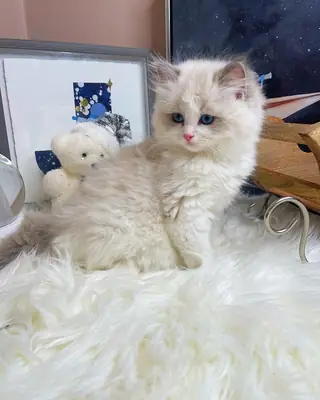
The Hidden World of Cats: What Do They Really Feel?
Cats are mysterious and fascinating creatures that have lived with humans for thousands of years. However, understanding the inner world of these adorable friends is not always easy. Scientific research and observations about cats' emotions, thoughts, and behaviors show that they have a much more complex emotional world than we think.
Cats' Emotional Intelligence
Unlike dogs, cats express their emotions in more subtle and indirect ways. This does not mean they are "cold" or "indifferent." On the contrary, cats are quite emotional and social animals, but their ways of showing emotions are different.
Basic Emotions
- Happiness: Purring, keeping eyes half-closed, tail up position, head rubbing
- Stress: Tail between legs, ears back, hiding, excessive licking
- Fear: Puffed tail, hissing, retreating, dilated pupils
- Anger: Rapid tail movement, flattened ears, hissing, scratching
- Love: Slow blinking, head rubbing, purring, coming to lap
- Curiosity: Tail raised up, ears erect, leaning forward
Cats' Communication Language
Body Language
Cats communicate a lot through their body language. Every movement, every position carries meaning:
| Body Signal | Meaning |
|---|---|
| Tail Up | Happy, safe, friendly |
| Tail Down | Stressed, anxious |
| Puffed Tail | Frightened, threatened |
| Rapid Tail Movement | Irritated, uncomfortable |
| Ears Erect | Alert, curious |
| Ears Back | Frightened, defensive |
| Flattened Ears | Aggressive, hostile |
| Half-Closed Eyes | Relaxed, happy, secure |
| Large Eyes | Frightened, surprised |
| Slow Blinking | Love, trust, comfort |
Vocal Communication
Cats make different sounds for different situations:
- Purring: Usually an expression of happiness and comfort, but they may also purr in stress or pain situations
- Meowing: Used to communicate with humans, different tones carry different meanings
- Hissing: Expression of fear, threat, or defense
- Screaming: Pain, fear, or extreme stress
- Chirping: Happiness and satisfaction
- Yowling: Sound made by female cats during heat
Cats' Social World
Relationships with Humans
Cats can develop a deep attachment to their owners. Research shows that cats see their owners as a safe haven and experience stress when separated from them. However, this attachment is not in the form of dependence like in dogs, but rather a more independent relationship.
Relationships with Other Cats
Cats are both social and individual animals by nature. While some cats get along well with other cats, some prefer to live alone. This depends on the cat's personality, early life experiences, and socialization process.
Cats' Mental States
Memory and Learning
Cats have quite good memory. They can especially remember negative experiences for a long time. Therefore, gaining a cat's trust after a traumatic experience can take time. Similarly, they also remember positive experiences and develop positive feelings towards people or places they associate with these experiences.
Problem Solving
As natural hunters, cats are quite capable of problem-solving. They can open doors, open cabinets, and interact with complex toys. This ability shows their need for mental stimulation.
Cats' Emotional Needs
Security and Comfort
Cats want a safe and predictable environment. Their attachment to routines increases their sense of security. Sudden changes, new people or animals, moving, etc., can cause stress in cats.
Play and Mental Stimulation
Cats need stimulation not only physically but also mentally. Play, hunting simulation, and new experiences are important for cats' happiness and health.
Independence and Freedom
Unlike dogs, cats have a more independent nature. This does not mean they are indifferent; they just prefer to interact on their own time and on their own terms.
Signs of Stress in Cats
When cats experience stress, they show it in various ways:
- Urinating or defecating outside the litter box
- Excessive licking or fur pulling
- Hiding or avoiding people
- Aggressive behaviors
- Loss of appetite or overeating
- Increased purring or meowing
- Inactivity or excessive activity
Signs of Happiness in Cats
A happy cat shows these signs:
- Relaxed and comfortable posture
- Slow blinking
- Purring
- Holding tail up
- Head rubbing
- Desire to play
- Good appetite
- Regular sleep cycles
Signs of Pain and Illness in Cats
Cats are experts at hiding pain. This is a natural defense mechanism for them. However, an attentive observer can notice the following signs:
- Behaviors different from normal
- Loss of appetite
- Avoiding movement
- Aggressive behaviors
- Sleeping more or less than normal
- Not using litter box
- Hiding
Do Cats Dream?
Research suggests that cats can dream during REM sleep. Moving their paws, wagging their tails, or making sounds while sleeping may indicate they are dreaming.
How Cats See Their Owners
Cats may see their owners as parental figures. Especially cats adopted as kittens develop a strong attachment to their owners. However, this relationship is not hierarchical like in dogs, but rather a more egalitarian structure.
Cats' Jealousy and Anger Emotions
Cats can experience complex emotions such as jealousy and anger. When a new cat or person comes home, the existing cat may show jealousy. This usually manifests as behavioral changes, aggressiveness, or hiding.
Cats' Loneliness Emotion
Cats can experience stress when left alone. Especially social cats may experience anxiety when separated from their owners for long periods. Therefore, it is important to provide appropriate toys, activities, and sometimes even a cat companion for cats.
Understanding Cats' Emotional Intelligence
Understanding cats' emotional world helps us build a better relationship with them. Each cat is unique and has its own personality, preferences, and emotional needs. Observing your cat, learning its body language and sounds will help you build a deeper bond with it.
Conclusion
Cats have a much more complex and emotional inner world than we think. Behind their quiet and independent appearance, there are deep emotions, strong attachments, and a rich mental life. Understanding your cat and meeting its emotional needs is important for both its and your happiness. Remember that each cat is an individual and has its own special world. Discovering this world will further strengthen your relationship with your cat.