African Grey Parrot Free Adoption
African Grey Parrots are known for their intelligence and talking ability. Browse adoption listings for these magnificent birds.
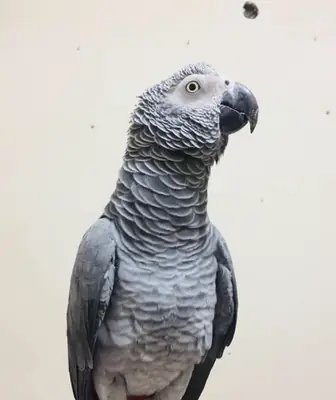
African Grey Parrot Traits, Care, and Nutrition
A definitive 2026 handbook for African grey parrots: intelligence, speech training, price outlook, enrichment, diet plans, health care, insurance, and travel prep.
Looking for the best care for your little friend? Discover hundreds of veterinarians, groomers and pet services on Petopic

Pop of Joy

PetHome Hotel & Boarding, a pet hotel for dogs and cats in Moscow
24/7 Emergency Vet in Central London (Belgravia) – Elizabeth Street Veterinary Clinic
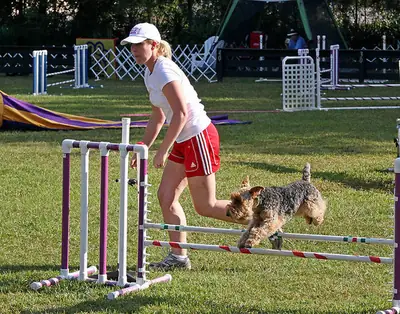
Dog Training from experienced instructor
General Veterinary Health and Treatment Services
24-Hour Emergency Veterinary Clinic in Paris 11 – VETINPARIS
Frequently Asked Questions
What age is appropriate for African Grey Parrot adoption?
Appropriate age ranges and characteristics for African Grey Parrot adoption:
- African Grey Chick: 12-16 weeks old is ideal for adoption, socialization started
- Young African Grey: 6-12 months old learning period, speech development
- Adult African Grey: 1-5 years old most active and open to learning period
- Mature African Grey: 5-15 years old experienced bird with evident characteristics
- Senior African Grey: 15+ years old period requiring special care and attention
- Health Check: Avian veterinarian examination and psittacosis test required at any age
- Age Determination: Age determination can be difficult in older parrots, past records important
What should be checked before African Grey Parrot adoption?
Comprehensive checklist before African Grey Parrot adoption:
- Health Status: General health check of the African Grey Parrot and feather condition
- Psittacosis Test: Psittacosis (parrot fever) test and infectious disease screening
- Feather Plucking: Feather plucking behavior and psychological state assessment
- Character Traits: Parrot's temperament, behavior and socialization status
- Speech Ability: Current vocabulary and learning capacity
- Training Status: Basic commands, toilet habits and adaptation to household rules
- Socialization: Compatibility test with humans and other birds
- Cage and Environment: Current cage condition and living space assessment
How does the African Grey Parrot adoption process work?
Detailed steps of the African Grey Parrot adoption process:
- Listing Review: Detailed review of African Grey Parrot adoption listings
- Communication: Contact with the parrot owner and preliminary meeting
- Meeting: Meeting the parrot, compatibility test and character observation
- Home Visit: Seeing the parrot's living space and environment assessment
- Document Check: Examination of health, vaccination, identity documents and veterinary records
- Cage and Equipment: Preparation of appropriate cage, toys and equipment
- Adoption: Process of adding the African Grey Parrot to the family and adaptation
- Follow-up: Regular communication and support in the first weeks
How much does African Grey Parrot adoption cost?
Detailed analysis of African Grey Parrot adoption and care costs:
- Adoption Fee: $0-200 range (mostly free or symbolic fee)
- Avian Veterinarian Check: $50-100 range (detailed examination, psittacosis test)
- Vaccines and Medications: $30-60 range (necessary vaccines and preventive medications)
- Cage and Equipment: $200-500 range (large cage, toys, perches)
- Nutrition: $40-80/month (quality seeds, fruits, vegetables, supplements)
- Mental Stimulation: $30-60/month (toys, puzzles, educational materials)
- Training and Socialization: $50-100 range (professional support if needed)
- Health Insurance: $20-40/month (recommended due to long lifespan)
- Total First Year Cost: $520-1240 range
- Annual Care: $1200-2400 range (nutrition, care, health, training)
What should be included in an African Grey Parrot adoption agreement?
Points that must be included in an African Grey Parrot adoption agreement:
- Parrot Information: Age, gender, color, health status, special needs
- Adoption Terms: Fee, payment method, return conditions
- Health Guarantee: Current health status, psittacosis test results, known diseases
- Return Right: Return procedure in case of incompatibility
- Care Responsibility: New owner's responsibilities for nutrition, training and health
- Veterinary Visits: Regular check-ups and emergency protocols
- Training and Socialization: Mental stimulation and training needs
- Contact Information: Previous and new owner contact details
What are the special care needs of African Grey Parrots?
Special care needs of African Grey Parrots after adoption:
- Daily Socialization: Need for at least 2-3 hours of daily human interaction
- Mental Stimulation: Puzzle toys, educational activities and mental exercises
- Nutrition: Variety of seeds, fruits, vegetables and special parrot foods
- Speech Training: Regular speech and learning activities
- Cage Cleaning: Daily cage cleaning and hygiene care
- Feather Care: Regular bathing and feather health check
- Stress Management: Feather plucking prevention and stress reduction techniques
- Health Monitoring: Regular avian veterinarian check-ups and preventive care
How to prepare home environment for African Grey Parrot adoption?
Home preparation guide before African Grey Parrot adoption:
- Large Cage: Minimum cage size 60x60x90 cm and secure structure
- Cage Placement: Close to family activity but away from noise
- Perches: Different sized natural perches and climbing areas
- Toys: Puzzle toys and educational materials for mental stimulation
- Feeding Station: Water and food bowls, fresh fruit/vegetable area
- Safe Zone: Removal of toxic plants, chemicals and dangerous items
- Air Quality: Air purifier and low dust environment
- Play Area: Safe area for play and interaction outside cage
Are African Grey Parrots compatible with children and other pets?
Compatibility of African Grey Parrots with family and other pets:
- Compatibility with Children: Compatible with gentle children, but requires constant supervision
- With Other Birds: Depends on socialization status, separate cages recommended
- With Cats and Dogs: Caution required, safe zone and supervision necessary
- With Small Animals: Should be separated due to hunting instincts
- New Environment: Slow adaptation process and providing safe zone
- Socialization: Become very compatible with early socialization
What to do in the first days after African Grey Parrot adoption?
Important steps for the first days after African Grey Parrot adoption:
- Safe Cage: Preparation of ready cage and safe environment for first days
- Slow Introduction: Slow and gentle introduction with family members
- Creating Routine: Determination of feeding, play and sleep times
- Veterinary Visit: General health and psittacosis check within first week
- Nutrition: Adaptation to previous feeding schedule and slow transition
- Socialization: Daily interaction and speech activities
- Stress Observation: Tracking behavior changes and feather plucking signs
- Communication: Regular communication with previous owner and getting support
What documents are needed for African Grey Parrot adoption?
Documents and documentation needed for African Grey Parrot adoption:
- Health Report: Current avian veterinarian health report and examination records
- Psittacosis Test Results: Psittacosis (parrot fever) test results
- Identity Document: Band or microchip information
- Past Records: Previous health problems, treatments and behavioral notes
- Nutrition History: Foods used and special diet information
- Training Notes: Learned words, commands and behavioral characteristics
- Adoption Contract: Official adoption agreement
- Contact Information: Previous owner contact details