Free Canis lupus Adoption Listings
Learn what Canis lupus actually refers to and why gray wolves are not standard adoption animals. This page is better used to explain species identity,... Learn what Canis lupus actually refers to and why gray wolves are not standard adoption animals. This page is better used to explain species identity, conservation context, legal restrictions, sanctuary placement realities, and the major differences between wild wolves, wolf hybrids, and domesticated dogs. It helps visitors understand why private ownership, transport, enclosure standards, and public safety rules make wolves fundamentally different from ordinary pet rehoming cases.

Cavapoo Puppies ready now

Cavapoo Puppies ready now

Cavapoo Puppies ready now

Cavapoo Puppies ready now
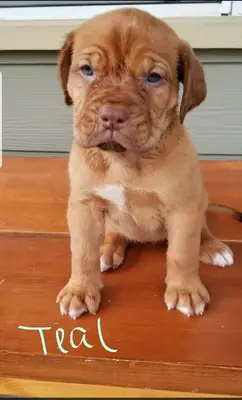
Gorgeous Dogue De Bordeaux Puppies
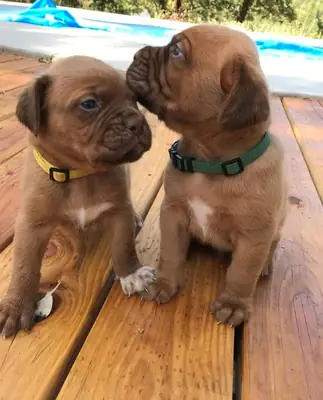
Gorgeous Dogue De Bordeaux Puppies

Last Two Adorable F3 Cockapoos Pra Pfk Fn Clear
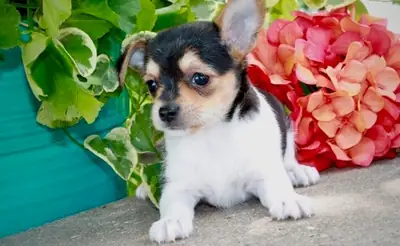
Chorkie Pups For Sale
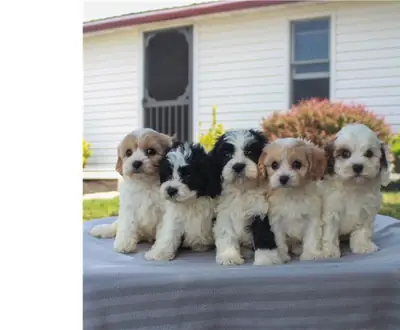
Amazing F2 Cavachon Puppies

Cavapoo Puppies ready now

Amazing F2 Cavachon Puppies
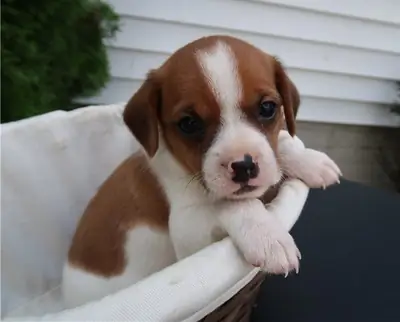
Stunning Kc Registered Cavalier King Charles puppies
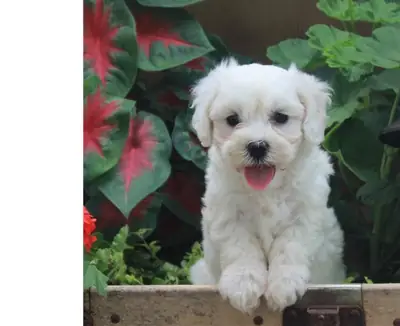
Amazing F2 Cavachon Puppies
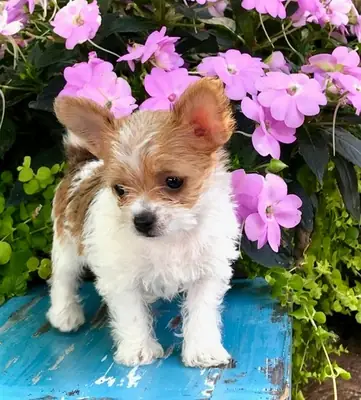
Chorkie Pups For Sale

Last Two Adorable F3 Cockapoos Pra Pfk Fn Clear

Last Two Adorable F3 Cockapoos Pra Pfk Fn Clear

Cavapoo Puppies ready now
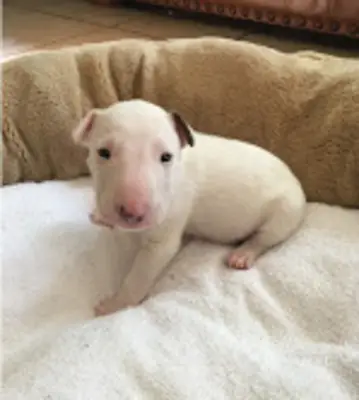
English Bull Terrier Puppies

Gorgeous Dogue De Bordeaux Puppies
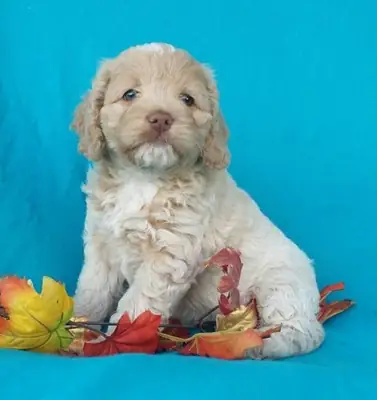
F1b American Cockapoos 2 Boys 2 girls Available
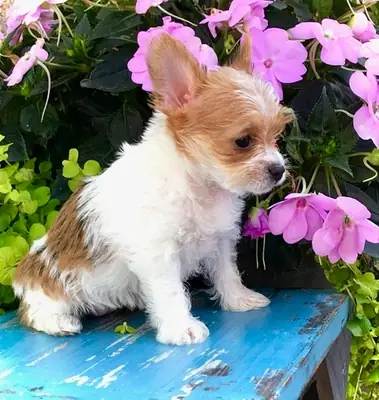
Chorkie Pups For Sale
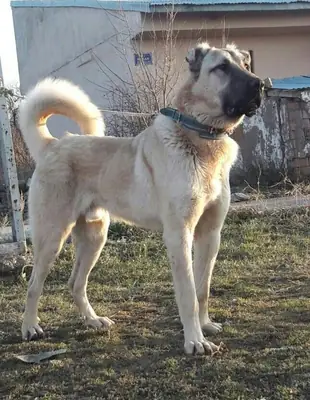
Turkish Wolfhound Adoption | A Strong Breed
Haven't found the pet you're looking for? Let people who want to find a new home for their pet reach out to you.
Create your free pet adoption request listing now and be seen by thousands of pet owners.
While waiting for answers from pet friends, would you like to support homeless street animals?
At petopic, every pet friend who completes daily tasks means 1 bowl of food donated to a street animal. You can view your daily tasks from your profile.
Popular Searches
Canis lupus meaning
Many people search Canis lupus because they want to confirm whether the term refers to a dog breed, a wolf, or something in between. A useful page should make that clear immediately instead of letting the visitor guess.
The strongest content here should explain that Canis lupus is the gray wolf species name and should not be treated like a normal domesticated dog listing category. That clarity reduces confusion before the visitor goes deeper into the page.
gray wolf legal to own
This search comes from users trying to understand whether private ownership is even realistic. They are usually looking for legal clarity before they waste time on fantasy scenarios or misleading listings.
The best content here should make it clear that wolves are not ordinary pets and that rules can involve wildlife law, transport restrictions, enclosure standards, permits, and public safety concerns. That is far more useful than vague language.
wolf sanctuary near me
This search usually reflects a more realistic path than casual ownership intent. People may be looking for educational facilities, rescues, or sanctuaries that deal with wolves or wolf hybrids in controlled settings.
A strong section here should help visitors understand that sanctuary placement is fundamentally different from standard dog adoption. Serious facilities look at safety, containment, resources, and long term care rather than simple owner to owner transfer.
wolf hybrid vs wolf
This is one of the biggest confusion points in this topic. Users often mix up full wolves, wolfdog hybrids, and wolf like domestic breeds even though those are very different categories.
The most useful content here should separate them clearly. A page that fails to do this creates bad expectations, weak enquiries, and serious safety confusion from the start.
can wolves be pets
People use this search because they want a direct answer, not a romanticised one. They are often trying to understand whether a wolf can fit inside normal pet ownership expectations.
The strongest content here should stay honest. Wolves are not standard pet animals, and any page that treats them like ordinary adoption inventory is giving the visitor the wrong frame from the beginning.
wolf transport and permits
This search reflects practical friction rather than curiosity alone. Users want to know whether movement across regions or countries is even possible and what paperwork or approvals might be involved.
A good section here should make it clear that transport is not a casual pet shipping question. Documentation, legal status, wildlife restrictions, and facility readiness all matter.
wolf enclosure requirements
This search usually comes from people who are finally realising that the setup matters more than the fantasy. They want to know whether an ordinary yard, fence, or household can realistically contain or manage an animal like this.
The best content here should explain that wolves require a radically different standard of containment and management from normal companion dogs. Weak boundaries and casual ownership assumptions are exactly what make this category dangerous.
gray wolf conservation status
Some users are not looking for ownership at all. They are trying to understand the species in a wildlife or conservation context and want a page that takes the animal seriously.
This section works best when it keeps the focus on species identity, management, and conservation reality rather than blurring everything into pet style language. That makes the page more trustworthy and more useful.
Frequently Asked Questions
What does Canis lupus refer to?
Canis lupus is the scientific name for the gray wolf. It is a wild species, not a standard domesticated dog breed category.
That distinction matters because the expectations around ownership, handling, housing, transport, and safety are completely different from normal dog adoption or rehoming pages.
Are gray wolves ordinary adoption animals?
No. A gray wolf should not be presented like a standard pet listing. Wolves are wild animals, and the legal, ethical, and safety issues are far beyond ordinary dog adoption.
A strong page should make that clear immediately so visitors do not confuse wildlife, sanctuaries, hybrids, and domesticated dogs.
Can wolves or wolf hybrids be kept as pets?
Public health guidance in the United States says wild animals and hybrids should not be kept as pets, and no parenteral rabies vaccines are licensed for use in wild animals or hybrids.
That is why pages in this area should avoid casual pet style language and instead focus on legal status, public safety, and responsible alternatives such as education or sanctuary information.
Why is a wolf not the same thing as a wolf like dog breed?
Because a wild wolf, a wolfdog hybrid, and a domesticated breed that only resembles a wolf are completely different categories. Treating them as the same thing causes legal confusion and bad decision making.
A useful page should separate these terms clearly so the visitor understands what is actually being discussed before taking any next step.
Why do wolf related pages need legal and safety context?
Because this is not a normal pet topic. Wolves and related hybrids raise questions about wildlife law, transport, permits, containment, public safety, and veterinary limitations.
Without that context, the page becomes misleading. With it, the page becomes something a serious visitor can actually trust.
What is a better page angle than wolf adoption listings?
A better angle is species information, conservation context, responsible ownership law, sanctuary placement, or the differences between wolves, wolfdogs, and domesticated dogs.
That kind of page matches user intent better and avoids presenting a wild species as if it were routine adoption inventory.
Should a wolf page talk about sanctuaries instead of casual rehoming?
Yes, that is usually the more realistic and responsible direction. Sanctuary and specialist facility discussion fits the realities of wild animals far better than owner to owner pet style placement language.
A strong page should guide the visitor toward realistic understanding, not fantasy expectations.
Why should this not be treated like a normal breed category page?
Because Canis lupus is not a normal breed category. It is a wild species with a completely different legal, behavioural, and public safety profile from ordinary domesticated dogs.
If the database entry stays under a pet adoption structure, it will confuse users and weaken the overall trustworthiness of the site.