Free Kishu for Adoption
There are 3 Kishu listings live right now, last updated 27 Jun 2026. Browse free Kishu adoption and ... There are 3 Kishu listings live right now, last updated 27 Jun 2026. Browse free Kishu adoption and rehoming listings from across the United Kingdom in one place. The page helps you see whether a Kish... There are 3 Kishu listings live right now, last updated 27 Jun 2026. Browse free Kishu adoption and rehoming listings from across the United Kingdom in one place. The page helps you see whether a Kishu currently needs a new home and understand the basic situation before you contact the person responsible. As this breed is uncommon in UK rehoming searches, judge each dog by its own history and needs rather than by a general breed profile. Read the complete listing and confirm anything important before agreeing to a handover.

Purebred Kishu Dog for Adoption
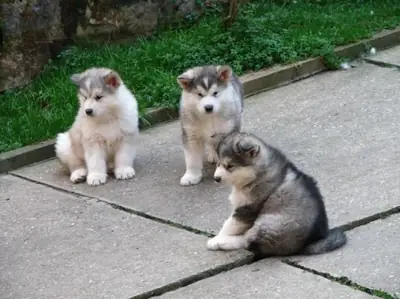
Kennel Club Registerd Alaskan Malamutes puppies for sale

Amazing F2 Cavachon Puppies
Haven't found the pet you're looking for? Let people who want to find a new home for their pet reach out to you.
Create your free pet adoption request listing now and be seen by thousands of pet owners.
While waiting for answers from pet friends, would you like to support homeless street animals?
At petopic, every pet friend who completes daily tasks means 1 bowl of food donated to a street animal. You can view your daily tasks from your profile.
Kishu 2026: Temperament, Health, and Adoption Costs for Prospective Owners
Explore the Kishu breed: temperament, health issues, costs, and lifespan. Learn if this independent, loyal breed fits your lifestyle.
Popular Searches
Kishu Ken adoption
Kishu Ken adoption listings should make it clear that Kishu and Kishu Ken refer to the same rare Japanese breed, then move quickly into the details adopters actually need. A strong listing should explain house routine, exercise level, response to handling, behaviour around visitors, and whether the dog is calm indoors or remains highly alert to movement and sound throughout the day.
The best Kishu Ken adoption adverts also show what kind of home is being sought. Clear information about structure, secure walking, other pets, and experience with independent hunting breeds helps the right adopter judge fit before making contact.
Kishu rescue dogs
Kishu rescue dogs are best matched through behaviour-based information rather than emotional wording alone. A useful rescue listing should describe how the Kishu behaves on walks, how quickly it settles after exercise, whether it is comfortable with handling, and how it reacts to visitors, unfamiliar environments, and daily household movement.
Because Kishu rescue dogs are not commonly listed in the same volume as mainstream breeds, every good advert needs to carry more practical value. Routine, confidence level, household manners, and the type of adopter being sought should all be clear from the start.
Kishu puppy adoption
Kishu puppy adoption listings should answer the questions that shape the first months of ownership: age, feeding routine, toilet progress, sleep pattern, socialisation, handling confidence, lead introduction, and how the puppy responds to new sounds, people, and places. For a Kishu puppy, routine and early guidance matter much more than vague praise about being cute or playful.
The strongest Kishu puppy adverts also describe what the next home will need to continue. If the puppy is quick to learn but easily distracted, observant, independent, or already showing strong hunting focus, that should be written clearly so enquiries come from homes ready for the breed’s real development.
Adult Kishu for adoption
Adult Kishu for adoption is often the better route for people who want a clearer view of the dog’s established character. An adult Kishu listing can usually say more about lead behaviour, house manners, stranger reserve, prey awareness, confidence outside the home, and whether the dog relaxes well after activity or stays switched on for long periods.
A good adult Kishu advert should also explain the dog’s bond with familiar people. Some adult Kishus are deeply loyal and steady with their household while remaining more selective with newcomers, and that difference matters much more than a generic label like friendly or protective.
White Kishu dog adoption
White Kishu dog adoption is a very natural search because white is the colour many people most strongly associate with the breed. A good listing should support that visual intent with clear photos and useful information on temperament, exercise, behaviour with people, and how the dog manages routine at home instead of relying on appearance alone.
The strongest white Kishu adverts keep the coat description natural while still focusing on real fit. A striking white coat may draw attention first, but adopters stay engaged when the listing clearly explains energy level, handling, other pets, and the kind of home this Kishu would suit best.
Rare Japanese dog adoption
Rare Japanese dog adoption should lead to more than a breed name and a few photos. For a Kishu listing, this search should open into useful information about temperament, loyalty, independence, prey awareness, daily routine, and whether the dog is likely to do best with experienced owners or a more structured home.
A strong listing under this heading makes the Kishu feel real rather than exotic. Practical details about training style, household manners, walking routine, and home expectations help adopters decide whether they are seeing a rare dog they admire or a dog they can genuinely live with well.
Kishu reserved with strangers
Kishu reserved with strangers should be described calmly and specifically. A trustworthy listing should explain whether the dog watches unfamiliar people quietly, keeps distance at first, warms up after a gentle introduction, or becomes uncomfortable in busy environments or around pushy handling.
This matters because stranger behaviour affects daily life immediately. Visitors, neighbourhood walks, shared entrances, transport, and veterinary handling all become easier to judge when the advert describes how that individual Kishu behaves instead of hiding behind broad breed stereotypes.
Kishu with strong prey drive
Kishu with strong prey drive should be explained in practical, everyday terms. A good listing should say whether the dog reacts strongly to birds, cats, rabbits, squirrels, livestock, or fast movement on walks, and whether the Kishu needs a long line, careful lead routine, or fully secure outdoor exercise.
The strongest adverts also describe what happens after the dog locks onto movement. Some Kishus can refocus quickly with experienced handling, while others stay highly engaged and need more management. That difference matters for homes with small pets, open land, or owners expecting simple off-lead freedom.
Kishu good with other dogs
Kishu good with other dogs needs an individual answer based on history, not a lazy promise. A useful listing should explain whether the Kishu has lived with another dog, prefers calm companions, needs slower introductions, or does better as the only dog in the home.
The best Kishu listings also mention social confidence on walks, reaction to unfamiliar dogs, and whether the dog relaxes around known canine company indoors. That kind of detail filters out poor matches early and improves the quality of serious enquiries.
Kishu good with cats
Kishu good with cats should only be written when the listing has real evidence behind it. A strong advert should explain whether the dog has lived safely with indoor cats, ignored them after proper introductions, needed close supervision, or shown too much interest in small fast-moving animals to be trusted.
The most helpful listings also make the limits clear. A Kishu may manage well with confident resident cats indoors and still be unsuitable for kittens, outdoor cats, or other small pets. Clear wording protects both the dog and the home it is moving into.
Kishu for an active home
Kishu for an active home should describe the dog’s actual pace instead of just repeating that the breed is athletic. A strong listing should explain walking routine, mental stimulation, recall limits, play style, training engagement, and whether the Kishu settles well after exercise or continues searching for work and movement.
The right active home for a Kishu is usually structured as well as energetic. Secure outdoor access, consistent routine, thoughtful training, and time spent building trust often matter more than simply offering long walks. A good advert should make that difference obvious.
Kishu with secure yard
Kishu with secure yard should focus on management rather than decoration. A useful listing should say whether the dog needs fenced space, supervised garden time, careful gate routines, and protection from sudden exits when wildlife, movement, or unfamiliar animals appear nearby.
The strongest adverts also explain how the Kishu behaves in outdoor space. If the dog patrols boundaries, becomes overstimulated by passing activity, or settles well after time outside, those small details help define what a secure yard really needs to look like for that individual dog.
Frequently Asked Questions
What should you check first before adopting a Kishu from this page?
The first thing to check is whether the listing explains the Kishu’s real daily behaviour instead of only praising the breed. Useful details include house routine, response to strangers, lead manners, prey awareness, training style, other-pet history, and whether the dog needs secure outdoor management.
A strong Kishu adoption listing should also make the home match clear. This breed often does best with structure, consistency, and owners who understand alert, independent dogs rather than expecting instant openness or effortless off-lead freedom.
Is Kishu the same breed as Kishu Ken?
Yes. Kishu and Kishu Ken refer to the same Japanese breed, so adoption and rehoming listings may use either name. That is why a strong page should naturally cover both versions while keeping the focus on the dog’s real temperament, routine, and home fit.
For adopters, the important part is not the label alone but whether the listing clearly explains the dog’s behaviour, handling needs, and suitability for the home being considered.
Are Kishus usually open with strangers?
Not always. A Kishu can be reserved with strangers, which makes clear wording in a listing especially important. Adopters should know whether the dog watches quietly, warms up after a calm introduction, prefers space, or becomes uncomfortable in busy or pushy situations.
This matters because stranger behaviour affects daily life quickly. Homes with frequent visitors, children, shared entrances, or a busy social routine need an honest picture of how that individual Kishu handles unfamiliar people before adoption moves forward.
Is an adult Kishu or a Kishu puppy usually the better adoption choice?
An adult Kishu is often the better choice for adopters who want a clearer picture of established temperament. With an adult dog, a listing can usually say more about stranger reserve, lead behaviour, prey awareness, other dogs, cats, and how the dog settles inside the home after exercise.
A Kishu puppy can still be an excellent fit, but puppy adoption usually demands more work around socialisation, routine, boundaries, and engaging training. The better option depends on how much time, patience, and structure the next home can realistically provide.
Can a Kishu live with other dogs or cats?
A Kishu can live successfully with other dogs or cats in some homes, but the answer should come from the individual dog’s history rather than from a broad breed promise. A trustworthy listing explains whether the Kishu has lived with another dog, how introductions are managed, and whether the dog has shown calm behaviour or stronger chase interest around smaller animals.
The most reliable adverts also state the limits clearly. If the Kishu needs slow introductions, should be the only dog, or is unsuitable for cats or other small pets, that should be written directly so the next home can make a realistic decision.
Why do Kishu listings need to mention secure walking and outdoor management?
Kishu listings should mention secure walking and outdoor management because everyday handling matters just as much as temperament. An alert, athletic Kishu may react strongly to wildlife, fast movement, unfamiliar animals, or sudden environmental change, so adopters need to know whether the dog should stay on lead, use a long line, or live with fenced outdoor space.
These details help prevent mismatches with homes expecting an easygoing companion dog. A practical listing makes it much easier to see whether the Kishu’s real management needs fit the adopter’s routine and environment.
What makes a Kishu rehoming listing feel trustworthy?
A trustworthy Kishu rehoming listing is specific, balanced, and practical. It should include age, sex, routine, exercise level, temperament with family, behaviour with strangers, prey awareness, other-pet history, and the real reason the dog needs a new home.
The strongest Kishu adverts do not hide the harder parts of the breed and do not oversell the easy parts. They explain the dog clearly enough that the right adopter can recognise the match and the wrong adopter can step back before wasting time.