Shelter cat adoption listings
There are 155 Cat listings live right now, last updated yesterday. Looking to bring a cat into your ... There are 155 Cat listings live right now, last updated yesterday. Looking to bring a cat into your home? You're not alone. Every month, hundreds of thousands of people search for terms like "cat adop... There are 155 Cat listings live right now, last updated yesterday. Looking to bring a cat into your home? You're not alone. Every month, hundreds of thousands of people search for terms like "cat adoption," "rescue cats near me," and "adopt a kitten" . This page brings together real listings from trusted shelters, rescues, and adoption networks so you can find your new feline companion without the usual back-and-forth between different websites. We know that waiting for adoption details or digging through incomplete profiles can be frustrating — especially when you've already spent hours scrolling through pet listings . That's why we focus on clear, complete information: each cat's personality, health history, and adoption process, shared directly by the people who know them best. Whether you're searching for a playful kitten or a calm senior cat, our goal is to make your adoption journey transparent, confident, and just a little bit easier.
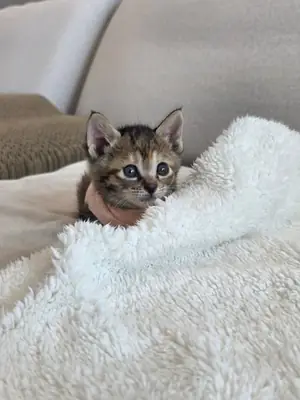
🐱 Bengal Kitten Available for Adoption 🐾
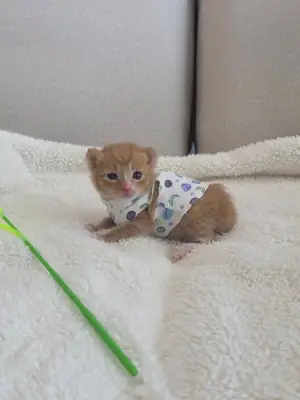
🐱 Scottish Fold Kitten Available for Adoption 🐾
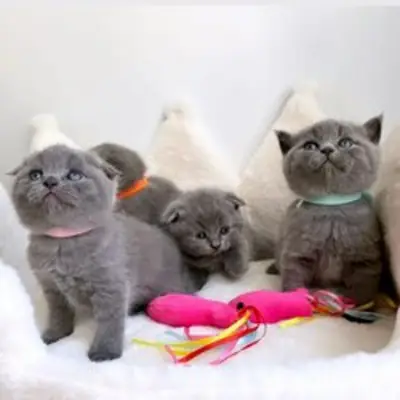
Scottish Fold kittens
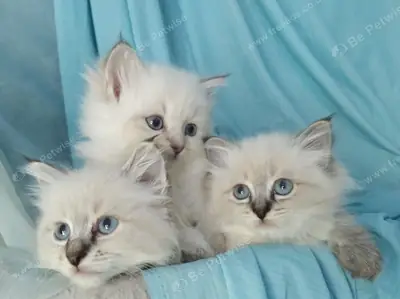
Pure Siberian Kittens For Sale

Nuestros gatitos British Shorthair son una de esas criaturas.
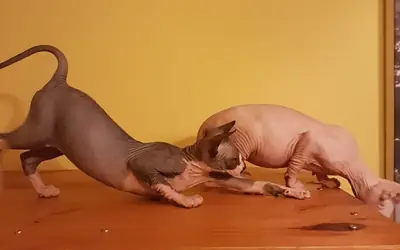
Sphynx and Ragdoll Kitten ready for your home
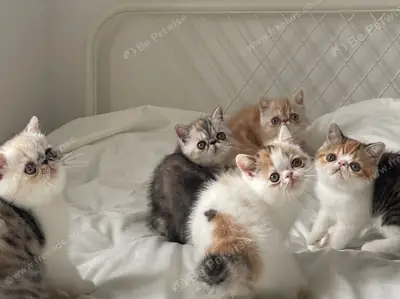
Ready Now . Gorgeous GCCF registered kittens from Champions parents
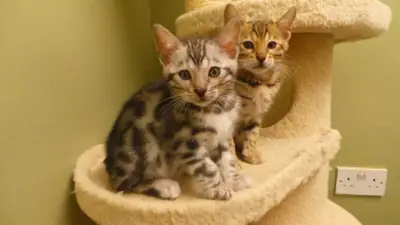
Beautiful TICA Registered Bengal Kittens
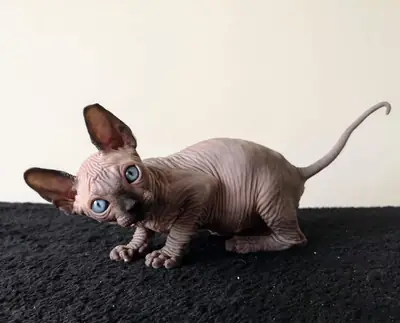
Sphynx kittens ready now
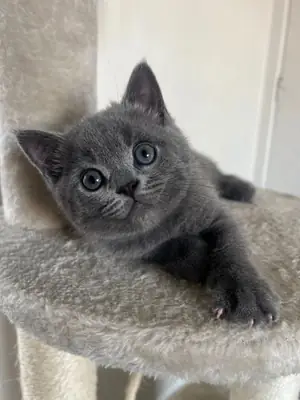
Beautiful British Shorthair Kitten
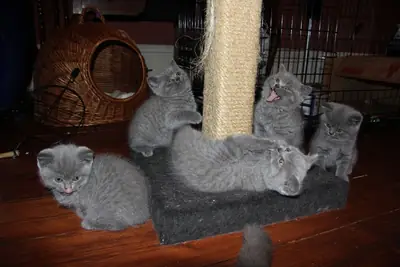
Gccf Blue Girl Champion Lines
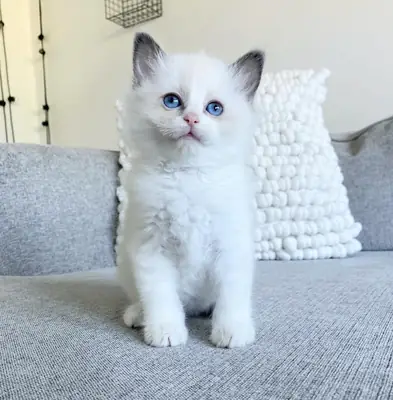
Hembra Blue bicolor Ragdoll
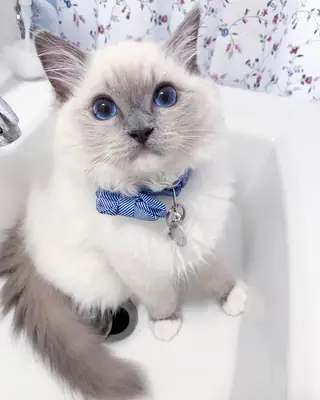
purebred Ragdoll
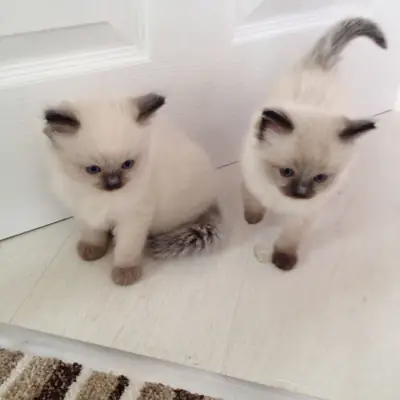
BEAUTIFUL RAGDOLL KITTENS 2 LEFT Email : ***
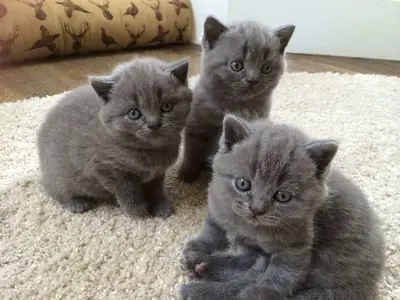
🐾 British Shorthair Looking for a Forever Home 🐾
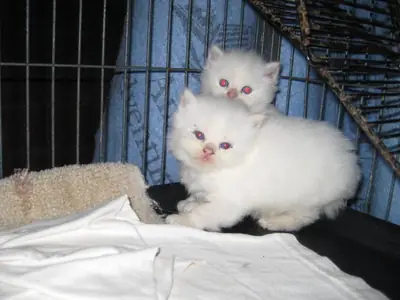
Munchkin Kittens Ready Email : ***
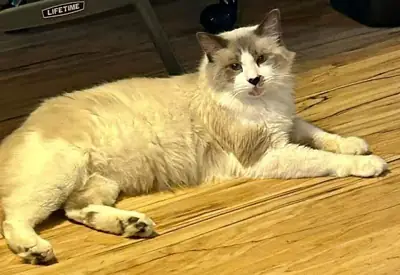
Meet Jay-Z - A sweet Boy Ready For His Forever Home

Sphynx and Ragdoll Kitten for your home
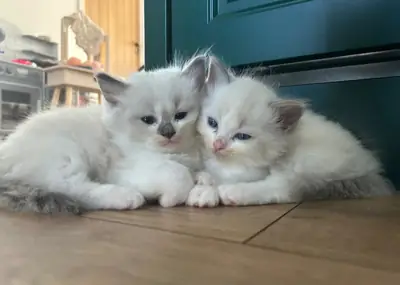
Pure Ragdoll Kittens
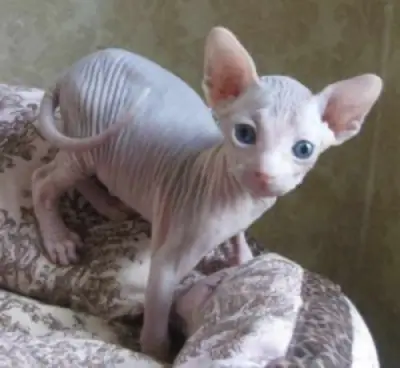
Sphynx and Ragdoll Kitten ready for your home
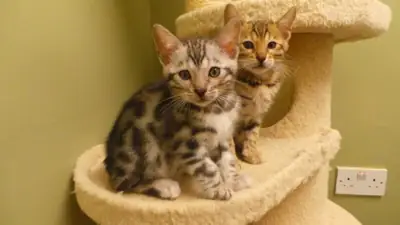
Tica registered bengal kittens
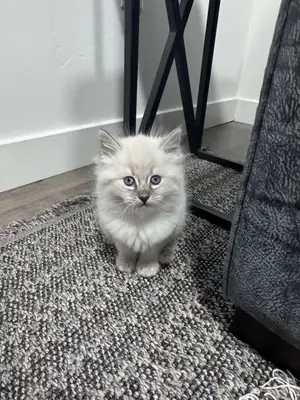
Adorable Purebred Siberian Kittens
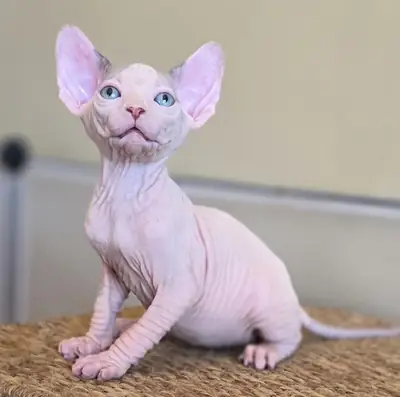
Gatitos Sphynx

Blue French bulldog puppies 9 weeks
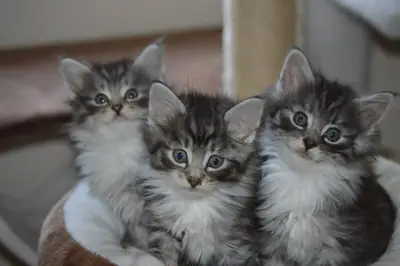
last 2 male fluffy beautiful Norwegian Forrest cats
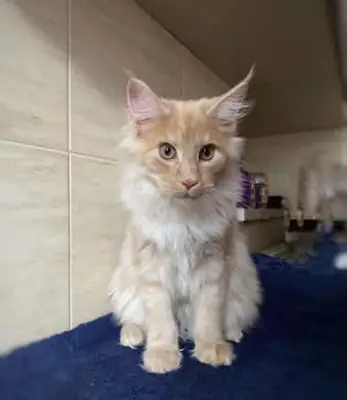
Adorable Mainecoon en adopción
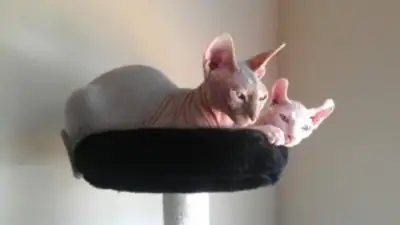
Cats and Kittens , Sphynx, Ragdoll
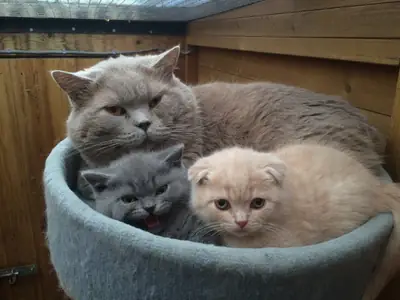
stunning exotic kittens
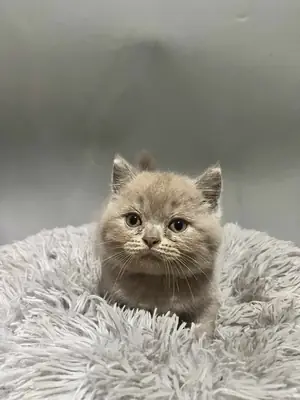
Encantadores gatitos British Shorthair para una nueva familia.
Popular Searches
Shelter cats for adoption
Shelter cats for adoption is one of the strongest search intents in this category. People using this search usually want more than a nice photo. They want a trustworthy source, a clear background, and enough information to understand the cat’s health, temperament, habits, and likely fit for their home.
Strong listings usually explain age, vaccination status, neuter information, litter habits, confidence level, social behavior, and whether the cat prefers a calm home, a family environment, or a single-pet household.
Shelter kitten adoption
Shelter kitten adoption usually comes from people who want to start bonding early and shape routines from the beginning. But kittens also require time, structure, and realistic expectations around feeding, litter training, play, and adjustment.
The best kitten listings mention age, vaccine stage, food routine, human handling, and any special health notes. Clear, practical detail performs better than vague language built only around cuteness.
Rescue cats for adoption
Rescue cats for adoption attracts users who care about the cat’s background, recovery, and long-term fit. These users often want to know whether the cat is shy, social, indoor-ready, comfortable with other cats, or likely to need a slower adjustment period.
That makes richer description quality especially important. The more honest and specific the information is, the more credible the listing becomes.
Free shelter cats
Free shelter cats is searched by people looking for non-commercial, welfare-focused adoption opportunities. In practice, what matters most is not just the word “free,” but whether the listing explains any donation request, vaccine cost recovery, or adoption conditions clearly.
Honest explanation performs far better than empty “free cat” wording. It builds trust and attracts more serious adopters who understand the commitment involved.
Cats and kittens for adoption near me
Cats and kittens for adoption near me reflects strong local intent. People using this query are often trying to make the adoption process easier by focusing on pets close enough for a visit, a meeting, or a practical handover.
Listings perform better when they explain location naturally, include realistic contact details, and clearly show whether the cat is in a shelter, foster home, or rescue placement.
Shelter cats in London, Manchester, Birmingham and Glasgow
Shelter cats in London, Manchester kittens for adoption, Birmingham rescue cats, and Glasgow shelter cats are strong local-intent searches. People use them when they want a nearby cat and a more practical path to making contact.
Pages become more useful when city context is handled naturally and the listing explains where the cat is, how contact works, and what type of home may suit the cat best.
Indoor-friendly shelter cat
Indoor-friendly shelter cat is a meaningful intent query for people living in flats or quieter home settings. These adopters often want a cat that can settle indoors, use the litter tray reliably, and cope well with regular home life.
Listings are stronger when they explain confidence level, routine, handling, litter habits, and whether the cat prefers a calm environment or a more social household.
How to know if a shelter cat listing is trustworthy
How to know if a shelter cat listing is trustworthy reflects a real concern among adopters who do not want vague or misleading information. People usually look for recent photos, clear medical notes, realistic behavior details, and open communication.
Listings that explain age, temperament, health, routine, and adoption steps in plain language usually feel far more credible than listings with very little substance.
Frequently Asked Questions
Is adopting a cat from a shelter really possible?
Yes, adopting a cat from a shelter is very common. Shelters, rescues, and foster networks regularly list cats looking for a permanent home.
The key is not just finding a cat, but being able to review clear information about health, temperament, and the rehoming process before making contact.
What should I ask before adopting a shelter cat?
Before adopting, you should ask about age, sex, vaccination history, neuter status, feeding routine, litter habits, behavior at home, and why the cat is being rehomed. Compatibility with people and other pets should also be discussed clearly.
In a good adoption process, the rescue or shelter will often want to understand your home and routine as well. That is usually a sign of a more careful placement process.
How should I choose between a shelter kitten and an adult cat?
People who want a kitten often like the idea of bonding early and shaping routine from the start. But kittens also need more time, supervision, patience, and regular care.
Adult cats may already have a more stable temperament and may settle into home life faster. The best choice depends more on your routine than on age alone.
Can shelter cat adoption involve a fee?
Yes. Some shelter cats are free to adopt, while others may involve a small fee or donation to help cover vaccines, neutering, microchipping, or care costs.
The important part is that the listing explains this clearly and honestly before adoption moves forward.
Can a shelter cat adapt well to indoor home life?
Many shelter cats can adapt very well to home life when they are given patience, routine, and a calm environment. But not every cat adjusts in the same way, and personality matters a lot.
That is why behavior notes, litter habits, confidence level, and stress response are important parts of a strong cat listing.
What health details should I check before adopting a shelter cat?
You should at least review vaccination status, vet history, current food, medication if any, and any known health issue or ongoing care need.
Transparency around health matters is one of the clearest signs that a cat listing is being handled responsibly.
How can I tell whether a shelter cat listing is trustworthy?
A trustworthy listing usually explains the cat’s age, health, temperament, current environment, and reason for rehoming in plain language. Photos are usually recent, and the contact side is open to questions.
Very short descriptions, unclear medical details, and vague answers are all signs that you should look more carefully before moving forward.
What should I do in the first days after bringing a shelter cat home?
During the first days, prepare a calm and predictable space with food, water, a litter tray, and a quiet resting area already set up.
Too much noise, too much handling, and too many new people can slow adjustment. A gentler transition usually helps the cat settle more smoothly.