Siberian Husky Breeding Listings and Mate Matching
There are 6 Siberian Husky listings live right now, last updated 23 Aug 2026. Discover healthy, pure... There are 6 Siberian Husky listings live right now, last updated 23 Aug 2026. Discover healthy, purebred Siberian Husky puppies with guaranteed health checks at Petopic.com. Join our responsible breed... There are 6 Siberian Husky listings live right now, last updated 23 Aug 2026. Discover healthy, purebred Siberian Husky puppies with guaranteed health checks at Petopic.com. Join our responsible breeding community today!

Well-conditioned Husky male available for breeding
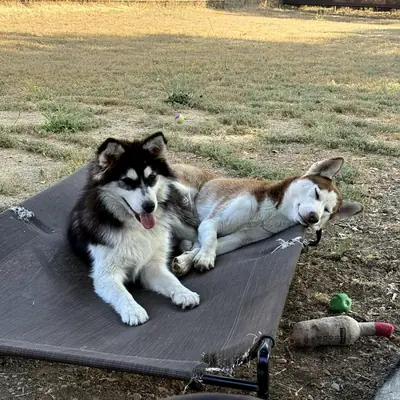
We are looking for a suitable male companion for our Siberian Husky.
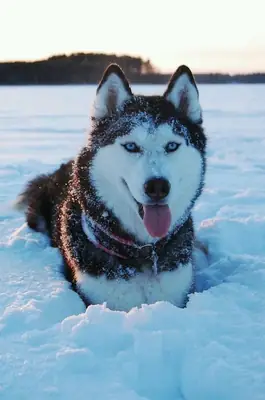
I am looking for a mate for my Siberian Husky.

We are looking for a healthy mate for our 3-year-old ARES Siberian Husky in Antalya

Freki — Mating Proposal

Mating
Frequently Asked Questions
Frequently Asked Questions About Siberian Husky Breeding
What is the ideal age for breeding Siberian Huskies?
The ideal age for breeding Siberian Huskies is typically 18-24 months for females and 12-18 months for males. For female dogs, it's essential to pass the first heat cycle and reach physical maturity. Siberian Huskies are a late-maturing breed, so waiting for the right time without rushing is important. Veterinary approval and health checks must be performed. Breeding too early or too late can create health risks for both parents and puppies.
What health tests are required before breeding Siberian Huskies?
Critical tests required before breeding Siberian Huskies include: hip dysplasia (HD) testing, elbow dysplasia (ED) testing, eye examination (CERF/PRA screening), DNA testing (hereditary cataract, juvenile cataract), thyroid function tests, and general health examination. Additionally, parents' pedigrees, genetic history, and previous breeding records should be reviewed. These tests are vital for ensuring healthy puppies and preventing hereditary diseases.
How does the Siberian Husky breeding process work?
The Siberian Husky breeding process begins with selecting a suitable mate. Proper timing during the female's heat cycle (proestrus and estrus phases) is critical. Breeding can typically last 3-5 days, and dogs should be given time to acclimate to each other during this process. Natural breeding is preferred, but artificial insemination can be performed if necessary. After successful breeding, the gestation period is approximately 58-65 days. Pregnancy monitoring and pre-delivery preparations are important.
How many puppies can a Siberian Husky have in one litter?
Siberian Husky females typically give birth to 4-8 puppies per litter, but this number can range from 1-12. The number of puppies depends on the female's age, genetic factors, nutritional status, and parents' health conditions. First pregnancies usually result in fewer puppies. The number of puppies can be estimated during pregnancy via ultrasonography. Large litter sizes can increase the risk of complications during delivery, so veterinary supervision is essential.
When can Siberian Husky puppies be separated from their mother?
Siberian Husky puppies can be separated from their mother as early as 8 weeks old, but the ideal age is 10-12 weeks. This period is critical for puppies' socialization, learning from the mother, and immune system development. Early separation can lead to behavioral problems, weakened immune systems, and lack of socialization. Puppies should have completed their vaccinations, passed health checks, and completed their socialization periods before separation.
Is a pedigree certificate required for breeding Siberian Huskies?
Yes, a pedigree certificate is absolutely necessary for professional breeding. This document proves the dog's purebred status, shows its genetic history, and confirms compliance with breed standards. Breeding dogs without pedigree certificates prevents puppy registration and compromises breed integrity. FCI, AKC, or equivalent registered pedigree certificates are accepted. Additionally, pedigree information is important for evaluating genetic disease risks.
What is the cost of breeding Siberian Huskies?
The cost of breeding Siberian Huskies varies based on parents' quality, pedigree, health tests, and type of breeding. Breeding fees are usually in the form of one of the born puppies or cash payment ($500-$2000 USD). Additional costs for health tests, veterinary check-ups, pregnancy monitoring, delivery, and puppy care must also be considered ($500-$1500 USD). Costs can increase with artificial insemination or special care requirements.
What color combinations are possible for breeding Siberian Huskies?
Various color combinations are possible in Siberian Huskies: black-white, gray-white, red-white, brown-white, and agouti (wild color). There are also completely white, black, and tan-colored variants. Since color genetics are complex, knowing the parents' color genes is important for achieving desired puppy colors. Experienced breeders can guide on color genetics. However, color selection should come after health and temperament traits.
How many times can a female Siberian Husky be bred per year?
For a healthy female Siberian Husky, breeding is recommended maximum once per year. This is critical for maintaining the dog's physical and psychological health. At least 12 months should pass between each pregnancy to allow the dog's body to recover, replenish nutrient stores, and maintain health. Breeding too frequently negatively affects the female's health, reduces puppy quality, and can shorten lifespan.
What are common genetic diseases in Siberian Huskies?
Common genetic diseases in Siberian Huskies include: hip dysplasia, elbow dysplasia, eye diseases (hereditary cataract, juvenile cataract, PRA - Progressive Retinal Atrophy), thyroid deficiency (hypothyroidism), epilepsy, and skin problems (zinc deficiency dermatosis). Most of these diseases can be detected through genetic testing. Performing these tests before breeding is essential for producing healthy puppies and preventing the spread of these diseases. Experienced breeders regularly perform these tests.
How is a suitable mate selected for breeding Siberian Huskies?
When selecting a suitable mate, the following criteria should be evaluated: pedigree compatibility (avoiding inbreeding), health test results (all tests should be clear), temperament compatibility (balanced and stable temperaments), physical traits (compliance with breed standards), color genetics (desired color combinations), and experience (the mate should have a successful breeding history). Experienced breeders or veterinarians can provide consultation for mate selection.
What should be considered during Siberian Husky pregnancy?
During pregnancy, the female dog's nutrition should be increased (quality dog food) but excessive weight gain should be avoided. Regular, but not heavy exercise should be done. She should be kept away from stress and provided with a comfortable living space. Regular veterinary check-ups should be conducted during pregnancy, and puppy development should be monitored via ultrasonography. A birthing box should be prepared 1-2 weeks before delivery, and the expectant mother should be acclimated to this area. Labor signs (restlessness, loss of appetite, drop in body temperature) should be observed.
Which season is preferred for breeding Siberian Huskies?
Siberian Huskies typically show heat in winter and early spring months, but this can vary individually. There's no specific season preference for breeding, but avoiding hot summer months is recommended as high temperatures can create stress for both parents and puppies. Cooler months are also more suitable for delivery and puppy care. However, since the female dog's heat cycle is natural, breeding time is determined according to the female's cycle.
How should puppy care be after breeding Siberian Huskies?
Puppy care begins with the mother's adequate nutrition and comfort. For the first 3-4 weeks, puppies feed only on mother's milk. From the 4th week, supplementation with soft puppy food begins. Puppies should be weighed regularly, and weight gains should be tracked. Eyes open between 10-14 days, and cleanliness and hygiene are very important during this process. First vaccinations are given at 6-8 weeks. Socialization between 3-14 weeks is a critical period, and during this time they should be introduced to different people, sounds, and environments.
What are the legal requirements for breeding Siberian Huskies?
There are certain legal requirements for dog breeding: dogs must be microchipped, vaccinations must be up to date, pedigree certificates must be available, and breeding registration must be done. FCI, AKC, or equivalent registration systems can be used. Additionally, dog ownership and health status must be documented. After puppies are born, they should be registered, vaccinated, and the adoption process should be conducted within legal framework. Local municipality regulations should also be checked.
What should be done in case of Siberian Husky breeding failure?
In case of breeding failure, causes should first be investigated: timing errors, health problems, incompatibility, or technical issues. The female dog's heat cycle can be tracked more detailed (hormone tests, vaginal cytology). Artificial insemination alternative can be evaluated. If failure repeats, parents' health status should be re-evaluated, and genetic incompatibility should be checked. Consultation should be obtained from veterinarians and experienced breeders. Sometimes a mate change may be necessary.