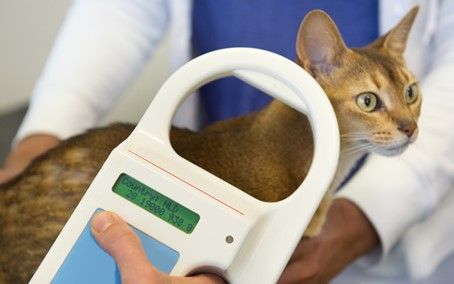
What Is a Dog Microchip?
A dog microchip is a small identification device placed under a dog’s skin by a veterinarian. It is not a GPS tracker and does not show a dog’s live location. Instead, it stores a unique ID number that is linked to the owner’s contact information in a database.
When a lost dog is found and scanned by a vet or shelter, this ID number is used to identify the owner and make contact.
How Does a Dog Microchip Actually Work?
The microchip itself does nothing until it is scanned. It does not send signals, require batteries, or connect to satellites. A scanner reads the chip number, and that number is then checked in a registry.
This means a microchip only works when three things happen:
- The dog is found by someone
- The dog is taken to a place with a scanner
- The contact information is correct and up to date
Does a Dog Microchip Really Help?
Yes — but only under the right conditions.
A microchip is extremely helpful once a dog has been found. However, it does not help locate a missing dog. Many owners mistakenly believe a microchip works like a tracking device, which leads to delayed action when a dog goes missing.
Common Microchip Mistakes Dog Owners Make
- Never registering the chip after implantation
- Forgetting to update phone numbers or addresses
- Assuming the microchip shows location
- Doing nothing else when a dog goes missing
These mistakes are the main reason chipped dogs sometimes never make it back home.
How to Check If a Dog Has a Microchip
You cannot check a microchip with a phone or app. Only a professional scanner can read it. These scanners are commonly available at veterinary clinics, animal shelters, and animal control offices.
The scan is quick, painless, and harmless to the dog.
Microchip vs GPS Tracker: Not the Same Thing
A microchip is an identification tool. A GPS tracker is a location tool. They serve different purposes.
- Microchip: Identifies the dog after it is found
- GPS tracker: Helps locate the dog in real time
Many experienced dog owners use a microchip as a safety backup, not as a recovery strategy.
What to Do If Your Dog Goes Missing
If your dog is missing, a microchip should not be your only plan. Fast action, visibility, and clear information are critical.
For a step-by-step guide on what to do immediately when a dog goes missing, read this article: Lost Dog: What to Do First
Final Thoughts
A dog microchip is a powerful tool, but it is not magic. It works best when owners understand its limits, keep information updated, and act quickly when something goes wrong.
Knowing how microchips really work can save valuable time — and in some cases, bring a dog home faster.