American Budgie: Colorful Beauty, Care, Nutrition, Health and 2026 Habitat Guide
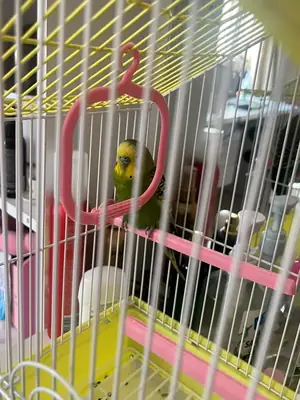
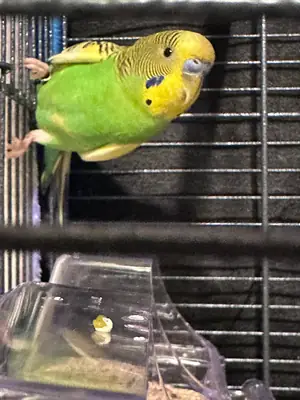
The American Budgie is a small parrot species native to Australia, known for its colorful feathers, social nature, and speaking abilities. In 2026, smart cage systems, automated feeding solutions, advanced health monitoring technologies, and mental enrichment tools have made it possible to optimize care for this magnificent bird.
1. Species Profile and Characteristics
- Weight: 30 – 60 grams (adult)
- Length: 15 – 18 cm (including tail)
- Wingspan: 25 – 30 cm
- Lifespan: 5 – 15 years (15+ years with excellent care)
- Temperament: Social, active, intelligent, talkative, curious
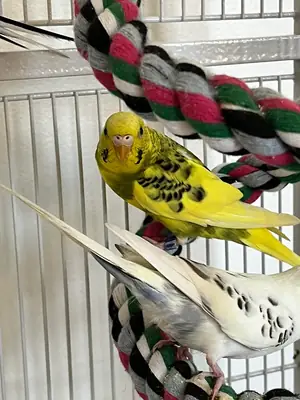
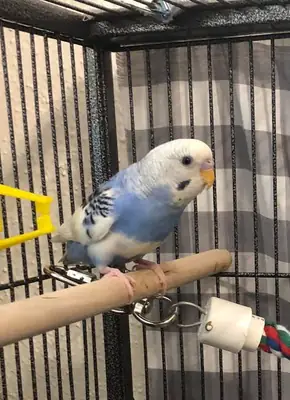
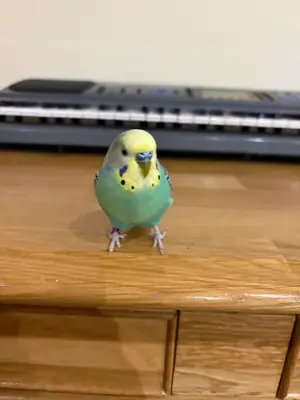
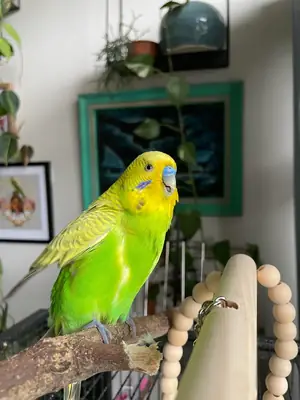
- Coat structure: Vibrant colored feathers; blue, green, yellow, white and combinations
- Color variations: Very diverse; 100+ different color mutations available
- Natural habitat: Australian interior, shrublands, open areas
- Special adaptations: Flock living, fast flight, strong jaw structure
2. Cage and 2026 Smart Cage Setup
- Minimum cage size: 60×40×50 cm (for pair); larger cages are preferred.
- Flight area: Safe room or area for daily free flight recommended.
- Climate control: 2026 smart sensors maintain temperature 18–24°C, humidity 40–60%.
- Air quality: HEPA filters, air circulation; clean air flow is important.
- Light management: Natural sunlight access; UV-B lamps for vitamin D (optional).
- Safety: Non-toxic materials, safe bar spacing (1–1.5 cm), escape prevention.
- Enrichment: Multiple perches, toys, swings, hiding areas, mental stimulation toys.
3. Nutrition and Detailed Feeding Plan
American Budgies are omnivores; they should be fed high-quality seed mixes, pellets, fresh fruits, and vegetables. In 2026, RFID-enabled smart feeding systems provide portion control, eating habit analysis, and nutrition trend reports.
| Food Group | Daily Target | Sources and Examples | Benefits |
|---|---|---|---|
| High-quality seed mix | 15–25 grams | Canary seed, millet, oats, flax seeds, sunflower seeds (limited) | Energy, base nutrition, natural chewing behavior |
| Pellets | Daily 30–40% | Organic budgie pellets, vitamin-fortified | Balanced vitamin and mineral intake, digestive health |
| Fresh fruits | Daily small portion | Apple, pear, grapes, strawberry, blueberry, kiwi (very small pieces) | Vitamin C, antioxidants, natural sugar, hydration |
| Fresh vegetables | Daily small portion | Carrot, broccoli, zucchini, corn, leafy greens | Vitamin A, K, fiber, beta-carotene, immune support |
| Mineral supplements | Daily | Cuttlebone, mineral blocks, grit | Beak health, calcium support, digestive aid |
| Water | 24/7 clean water | Clean, fresh water; should be changed daily | Hydration, digestion, general health |
Feeding strategy: Morning and evening feeding; pellet and seed mix, fresh fruit/vegetable supplement. Clean water must always be available. Toxic foods (avocado, chocolate, caffeine, alcohol) must be strictly avoided.
4. Feather Care, Cleaning and Hygiene
- Bathing: 2–3 times per week shallow water bath or water spray; important for feather health.
- Perches: Natural branches of varying thickness; for foot health and exercise.
- Toys: Chewing toys, swings, puzzle toys, mirrors (use with caution).
- Cage cleaning: Daily substrate cleaning, weekly deep cleaning, monthly disinfection.
- Beak care: Natural chewing materials, cuttlebone maintain beak health.
- Nail care: Automatic filing with natural perches; professional trimming if needed.
5. Health Monitoring and Common Issues
- Weight tracking: Weekly weighing; sudden weight changes may indicate health problems.
- Respiratory health: Sneezing, shortness of breath, nasal discharge require urgent veterinary intervention.
- Feather plucking: May occur due to stress, boredom, or health issues; behavioral and medical evaluation needed.
- Beak problems: Overgrowth, deformity require veterinary intervention.
- Psittacosis risk: Bacterial infection; regular veterinary checks and hygiene are critical.
- Vitamin deficiencies: A, D vitamin deficiencies; prevented with balanced diet and supplements.
- Tumors: Common in older birds; early detection and treatment are important.
- Aging signs: After age 8+, decreased activity, feather changes may be normal.
6. Behavior, Socialization and Mental Enrichment
- Social living: Can live in pairs or small groups; solo care requires intensive human interaction.
- Training: Positive reinforcement, speech training; patience and consistency are important.
- Mental stimulation: Daily 2–3 hours of play and interaction; puzzle toys, learning activities.
- Speech ability: Can learn 50–200 words; clear and understandable speech abilities.
- Bonding: Can form strong bonds with owners; they love social interaction.
- Noise level: Moderate volume; chirping and singing are natural behaviors.
7. 2026 Technology Integration
- Smart feeding systems: RFID recognition for automatic portion control, eating habit analysis.
- Motion sensors: Daily activity tracking, flight distance measurement, health trends.
- Air quality monitors: Real-time monitoring of PM2.5, humidity, temperature levels.
- Smart cameras: Behavior analysis, anomaly detection, remote monitoring.
- Sound analysis systems: Stress level detection, early warning system for health issues.
- Mobile app integration: Remote monitoring, alarms, trend analysis.
8. Breeding and Chick Care (Informational)
- American Budgies reach sexual maturity at 6–8 months.
- Breeding season usually spring-summer months; nest box requirement.
- Incubation period 18–21 days; usually 4–8 eggs.
- Chicks become independent at 6–8 weeks; parental care is critical.
- During breeding, avoid stress, provide adequate nutrition and safe environment.
10. Frequently Asked Questions
How long do American Budgies live?
They can live 5–15 years with good care; some may reach 15+ years.
Can they talk?
Yes, they can learn 50–200 words; they have clear and understandable speech abilities.
Should they be kept alone or in pairs?
Both options are possible; single bird requires intensive human interaction, keeping in pairs may be easier.
How large a cage is needed?
Minimum 60×40×50 cm (for pair); larger is always better.
What foods are toxic?
Avocado, chocolate, caffeine, alcohol, salty foods, onion, garlic are strictly forbidden.
How often should they bathe?
2–3 times per week shallow water bath or water spray; important for feather health.
Why do they pluck feathers?
May occur due to stress, boredom, insufficient mental stimulation, health issues, or lack of social interaction.
How often is veterinary check needed?
At least 1–2 times per year general check; urgent intervention needed for weight loss, loss of appetite, behavior changes.
Are they suitable for children?
Yes, with proper care and supervision they are a suitable species for children; patient approach is important.
What is the cost?
Initial investment is moderate; monthly food and care costs are reasonable.
11. Conclusion
American Budgie is a popular pet with colorful appearance, social nature, speaking abilities, and ease of care. With proper cage conditions, balanced nutrition, regular health monitoring, mental enrichment, social interaction, and 2026 technologies, it lives a healthy, happy, and long life. Adopting this species is an ideal choice for both beginners and experienced bird owners.
9. Social Needs and Pairing