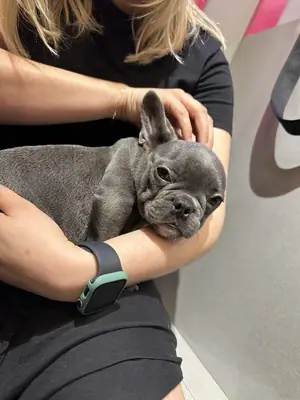
French Bulldog Dog Breed: Characteristics, Care, Nutrition and Health Guide
The French Bulldog is one of the world's most popular dog breeds, known for its adorable appearance, calm temperament, and suitability for apartment living. This comprehensive guide provides detailed information for prospective owners about character analysis, growth charts, health risks, special care requirements, and lifestyle compatibility.
1. Breed Profile and History
- Origin: France, developed in the 19th century from smaller versions of English Bulldogs.
- Temperament: Calm, affectionate, playful, social, good with children, ideal for apartment living.
- Energy Level: Low to moderate; 20-30 minutes daily walking sufficient, excellent adaptation to apartment living.
- Distinctive Features: Short nose (brachycephalic), large ears, compact build, short coat, high intelligence.
- Size Category: Small-medium dog; males 11-13 inches, females 9-12 inches at shoulder.
2. Growth and Weight Development
| Age | Male Weight | Female Weight | Height (Shoulder) | Key Notes |
|---|---|---|---|---|
| 8-12 weeks | 4-9 lbs (2-4 kg) | 4-8 lbs (1.8-3.5 kg) | 5-6 inches (12-16 cm) | Premium puppy formula, 4 meals daily, slow growth, respiratory system development critical |
| 6 months | 13-20 lbs (6-9 kg) | 11-18 lbs (5-8 kg) | 8-10 inches (20-25 cm) | Controlled exercise, heat precautions, skin fold care should begin |
| 12 months | 20-29 lbs (9-13 kg) | 18-26 lbs (8-12 kg) | 10-13 inches (25-32 cm) male, 9-12 inches (24-30 cm) female | Transition to adult food, weight management critical, respiratory health monitoring |
| 18+ months | 22-31 lbs (10-14 kg) | 20-29 lbs (9-13 kg) | 11-14 inches (27-35 cm) male, 9-13 inches (24-32 cm) female | Physical maturity, staying within ideal weight range essential |
Special Note: French Bulldog puppies grow slowly and reach full physical maturity between 18-24 months. Excess weight worsens breathing problems, making weight control critically important.
3. Pricing and Lifetime Costs
- Puppy Price (US): $2,000 – $8,000 from health-tested, reputable breeders (especially respiratory and spinal tests). Prices vary by region and bloodline.
- Monthly Maintenance: $300 – $500 for premium food, skin care products, veterinary checkups, specialized accessories.
- Initial Investments: Respiratory health screening ($250), skin care kit ($200), cooling bed ($250), specialized collar and accessories ($200).
- Insurance: Annual premiums $800 – $1,500 covering breathing problems, spinal diseases, eye problems, and emergency procedures.
- Special Health Expenses: Breathing surgeries ($2,000 – $5,000), spinal surgeries ($2,500 – $6,500), eye surgeries ($1,000 – $2,500).
4. Nutrition and Dietary Management
French Bulldogs are prone to obesity and have breathing problems. A low-calorie, high-quality protein diet focused on weight control is critically important.
4.1 Daily Nutritional Breakdown
| Nutrient Category | Percentage | Examples | Benefits |
|---|---|---|---|
| High-quality protein | 22-24% | Fish, turkey, eggs, low-fat chicken | Muscle maintenance, weight control, energy |
| Complex carbohydrates | 25-30% | Brown rice, oats, sweet potato | Energy, digestive health, satiety |
| Healthy fats | 8-10% | Fish oil, flaxseed, sunflower oil | Skin health, coat quality, immunity |
| Fiber and vegetables | 10-12% | Carrots, zucchini, green beans, broccoli | Gut health, vitamin support, weight control |
| Specialized supplements | 5% | Omega-3, probiotics, skin support formulas, glucosamine | Skin health, joint protection, immunity |
Feeding Schedule: Two meals daily for adults, 3-4 meals for puppies. Allow 30 minutes rest after meals.
Critical Warning: Excess weight seriously worsens breathing problems in French Bulldogs. Portion control and regular weight monitoring are essential.
4.2 Breed-Specific Feeding Guidelines
- Weight Management: Low-calorie, high-fiber formulas preferred; obesity risk is high.
- Slow Feeding: Special slow-feeder bowls should be used; rapid eating can trigger breathing problems.
- Hydration: Adequate water consumption should be ensured; especially critical in hot weather.
- Avoid: Excessive protein, high-calorie treats, human food scraps.
- Special Attention: Post-meal activity should be minimized; bloat risk exists.
5. Respiratory Health and Brachycephalic Syndrome
French Bulldogs are prone to breathing problems due to their short nose structure. This condition is known as "brachycephalic syndrome" and requires special care.
5.1 Breathing Problems and Symptoms
- Common Symptoms: Snoring, breathing difficulty, rapid fatigue, excessive drooling, swallowing difficulty.
- Risk Factors: Excess weight, hot weather, high humidity, excessive exercise, stress.
- Prevention: Weight control, cool environments, controlled exercise, regular veterinary checkups.
- Surgery: Severe cases may require surgical interventions such as nostril widening, soft palate shortening.
5.2 Recommendations for Respiratory Health
- Exercise: Short, controlled walks; exercise should not be done during hot hours.
- Climate Control: Air-conditioned environments essential; should avoid going outside in hot weather.
- Collar Selection: Neck collar preferred over chest harness; does not obstruct breathing.
- Emergencies: Inability to breathe, excessive weakness, blue tongue require immediate veterinary intervention.
6. Skin Care and Fold Cleaning
The French Bulldog's facial and body folds require special care. Moisture accumulation and infection risk exist between folds.
- Daily Cleaning: Facial folds should be cleaned daily and kept dry.
- Cleaning Products: Hypoallergenic, pH-balanced cleaning wipes or special skin care solutions should be used.
- Drying: After cleaning, thoroughly dry with clean cloth; moisture should not be left.
- Infection Signs: Redness, bad odor, itching, discharge require veterinary intervention.
- Bathing: Monthly or bi-monthly, or as needed; mild shampoo should be used, folds thoroughly dried.
7. Exercise and Activity Requirements
French Bulldogs have a low energy level. Excessive exercise can trigger breathing problems.
- Daily Activity: 20-30 minutes of short walks sufficient; short play sessions can be added throughout the day.
- Exercise Timing: Walks should be done during cool hours (early morning, late evening).
- Avoid: Exercise in hot weather, long-distance running, excessive activity.
- Indoor Activities: Mental games, puzzle toys, short play sessions ideal.
- Swimming: French Bulldogs generally do not like swimming; risky due to short nose structure.
8. Training and Socialization
French Bulldogs are intelligent and eager to learn. Early socialization and consistent training are essential.
- Early Socialization: Critical period between 8-16 weeks; expose to various people, animals and environments.
- Training Approach: Positive reinforcement, short and fun sessions; harsh discipline methods backfire.
- Basic Commands: Sit, stay, come, no; effective in 10-15 minute daily sessions.
- House Training: Requires patience and consistency; should start at early age.
- Child Interaction: Excellent compatibility with children; gentle and patient.
9. Health Risks and Prevention
9.1 Genetic and Common Health Conditions
- Brachycephalic Syndrome: Breathing problems due to short nose structure; snoring, breathing difficulty.
- Spinal Problems: Intervertebral disc disease (IVDD), hemivertebra; X-ray screening recommended in puppyhood.
- Eye Problems: Corneal ulcers, dry eye, cherry eye; regular eye examinations critical.
- Skin Conditions: Infections between folds, allergic dermatitis, hot spots; regular care preventive.
- Obesity: High risk; weight control critically important.
- Heart Problems: May occur in some individuals; regular veterinary checkups recommended.
- Reproductive Problems: Natural birth difficult; cesarean may be required.
9.2 Veterinary Care Schedule
- Puppy Stage: Vaccination protocol (DHPP, rabies), parasite control, respiratory health screening, spinal X-ray (at 6-8 months).
- Annual Checkups: Comprehensive physical exam, respiratory assessment, eye examination, skin check, weight monitoring.
- Specialized Testing: Respiratory function tests, spinal X-rays, eye examination, heart check (if needed).
- Emergency Signs: Inability to breathe, excessive weakness, blue tongue, paralysis symptoms, eye problems require immediate intervention.
10. Lifestyle and Environmental Compatibility
- Home Living: Excellent adaptation to apartment living; can be happy in small spaces due to low activity needs.
- Climate Sensitivity: Very sensitive to hot weather; air-conditioned environments essential, should avoid going outside during hot hours.
- Family Fit: Ideal for all family members; compatible with children, elderly, and other pets.
- Alone Time: Tolerant of solitude; however, more than 6-8 hours not recommended.
- Urban Living: Excellent adaptation to city life; can be happy in apartments, houses, or small yard homes.
11. Frequently Asked Questions
Why are French Bulldogs so expensive?
High demand, cesarean birth requirements, health testing, and breeding difficulties cause high prices. Puppies from healthy parents are more expensive.
Is snoring normal in French Bulldogs?
Yes, snoring is normal due to short nose structure. However, excessive snoring or breathing difficulty requires veterinary checkup.
Are French Bulldogs good with children?
Yes, excellent compatibility with children. They have a gentle, patient, and playful nature.
How much exercise do they need?
20-30 minutes of daily short walks sufficient. Excessive exercise can trigger breathing problems.
What to do in hot weather?
Air-conditioned environments essential, should avoid going outside during hot hours. Short walks can be done during cool hours.
How to clean skin folds?
Should be cleaned daily with hypoallergenic wipes and kept dry. Moisture should not be left.
Can French Bulldogs swim?
Generally do not like swimming and risky due to short nose structure. Swimming not recommended.
12. Conclusion and Recommendations
The French Bulldog is an ideal breed for apartment living with its adorable appearance and calm temperament. With proper ownership, regular skin care, weight control, respiratory health monitoring, and preventive health approach, they can enjoy long, happy lives. This breed is an excellent choice for families seeking a dog that adapts to city life, has low activity needs, and is affectionate. They form excellent bonds with owners who can dedicate time to daily skin fold care, implement heat precautions, and regularly monitor respiratory health.